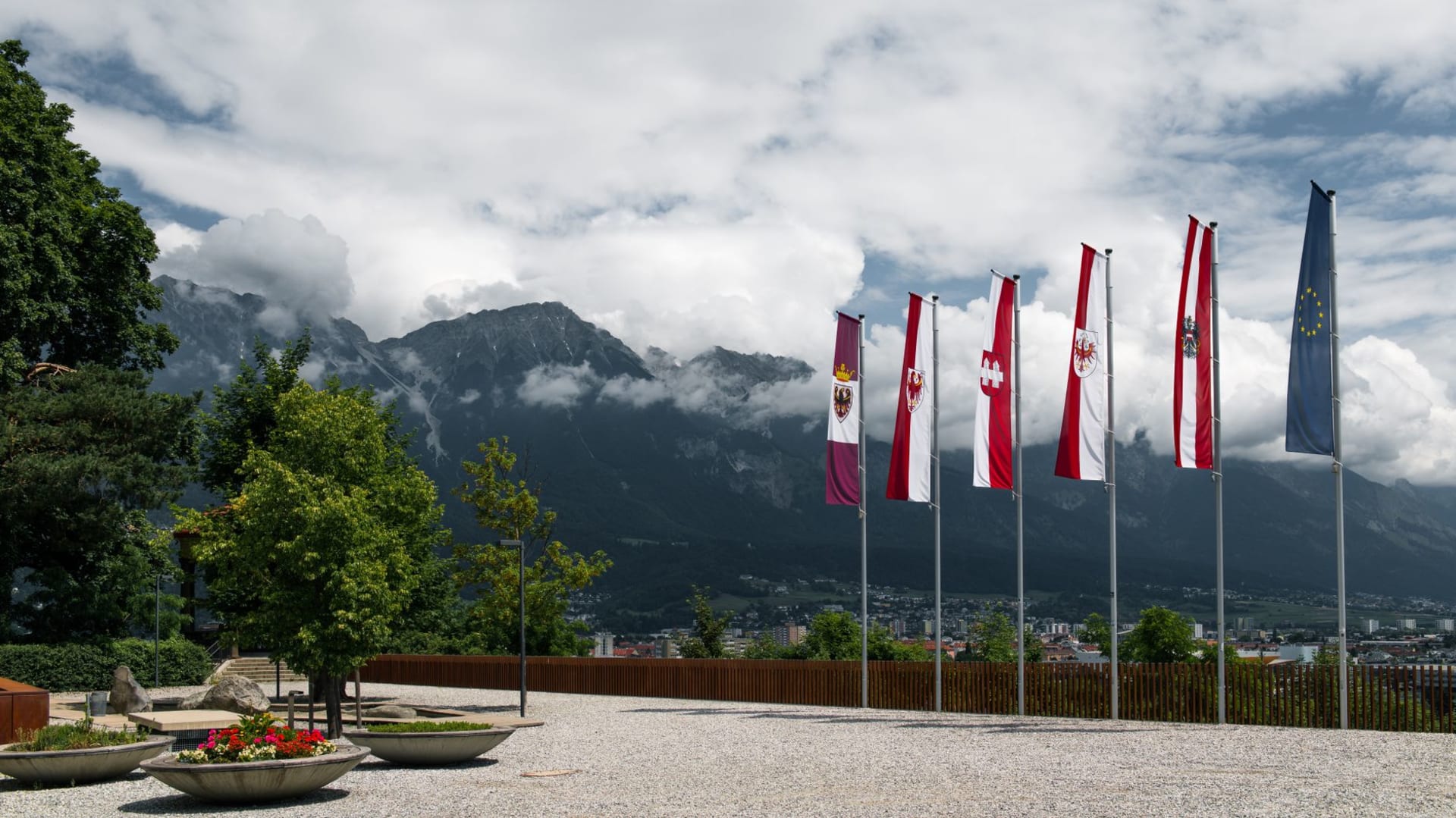
I came into Innsbruck from the west on a slow regional train and put down my book the moment the Inn valley spread open around the tracks. There is something about how the Tyrolean Alps arrive — not gradually, as in other mountain regions, but all at once, the peaks crowding the valley floor with an immediate physical weight. By the time I had dropped my bag at a guesthouse near the Markthalle and walked south to Maria-Theresien-Strasse, the Nordkette was right there at the end of the street, white and jagged and close, and I stood long enough that a man walking past looked at me the way Innsbruck residents look at all new arrivals — with mild amusement and perfect understanding.
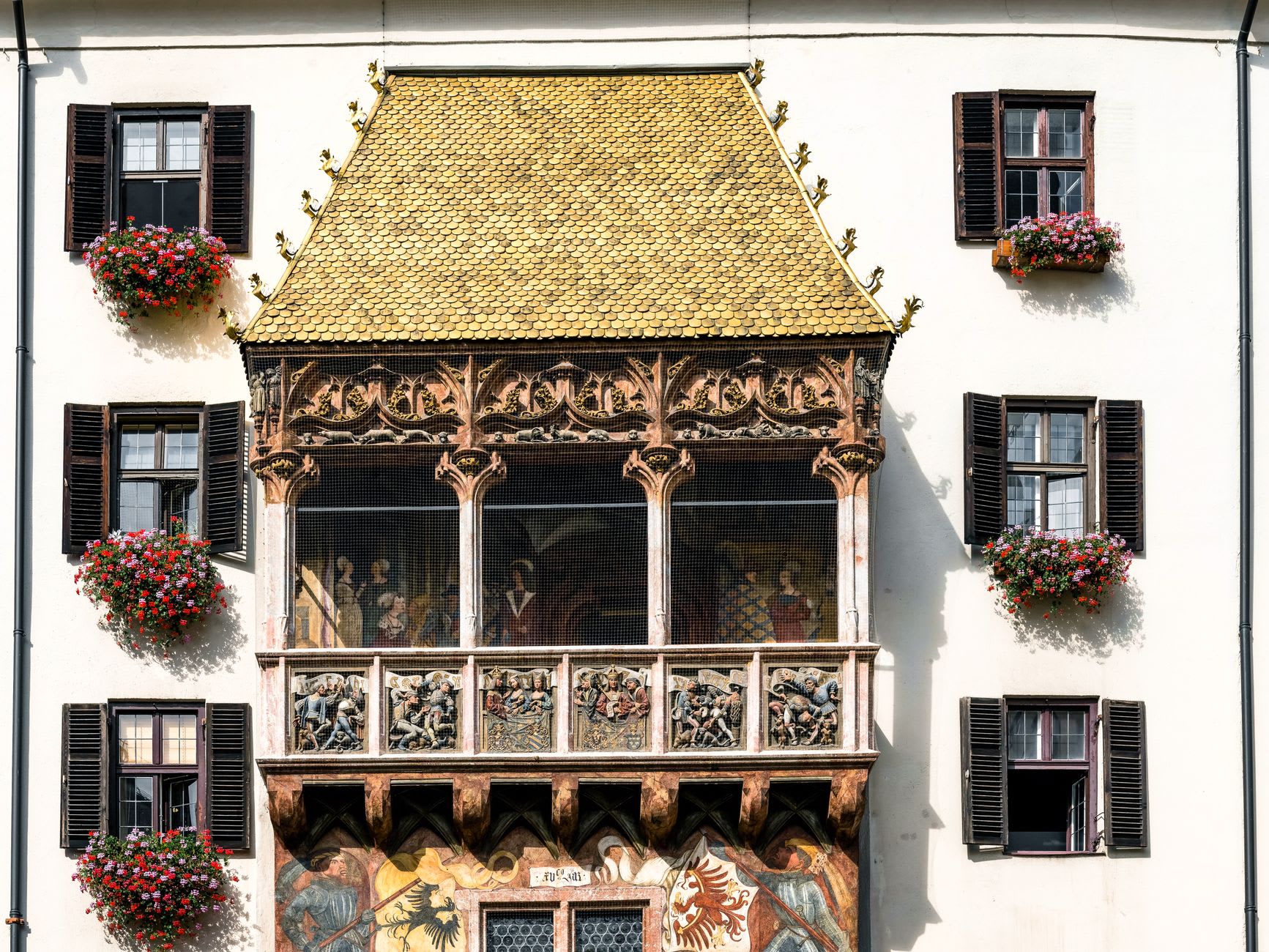
The old town is small enough to know quickly and large enough to keep revealing things. The Golden Roof on Herzog-Friedrich-Strasse stops you cold the first time — that extravagant Gothic oriel window covered in 2,657 fire-gilded copper tiles, built for Maximilian I to watch entertainments in the square below. Most visitors photograph it and walk on. I lingered and looked up until my neck ached, reading the carved reliefs that show Maximilian’s two wives, his court, his dancers, his jesters. It is the work of a man who understood that being seen watching was its own kind of statement.
The Hofburg, a few minutes away, is quieter than Vienna’s and better for it. I walked through the ceremonial rooms on a Tuesday morning when the only other visitors were two retired German men moving in respectful silence. The Tyrolean imperial apartments have a different feel from Vienna’s — less overwhelming, more human, the kind of grandeur that still allows you to imagine actual people inhabiting it. Afterward I ate Knödel in a Gasthaus off Kiebachgasse — the liver version, floating in clear broth — and drank a quarter-litre of local Grüner Veltliner that cost two euros. The waitress brought a small glass of gentian Schnapps at the end without being asked. I didn’t ask why. I just drank it.
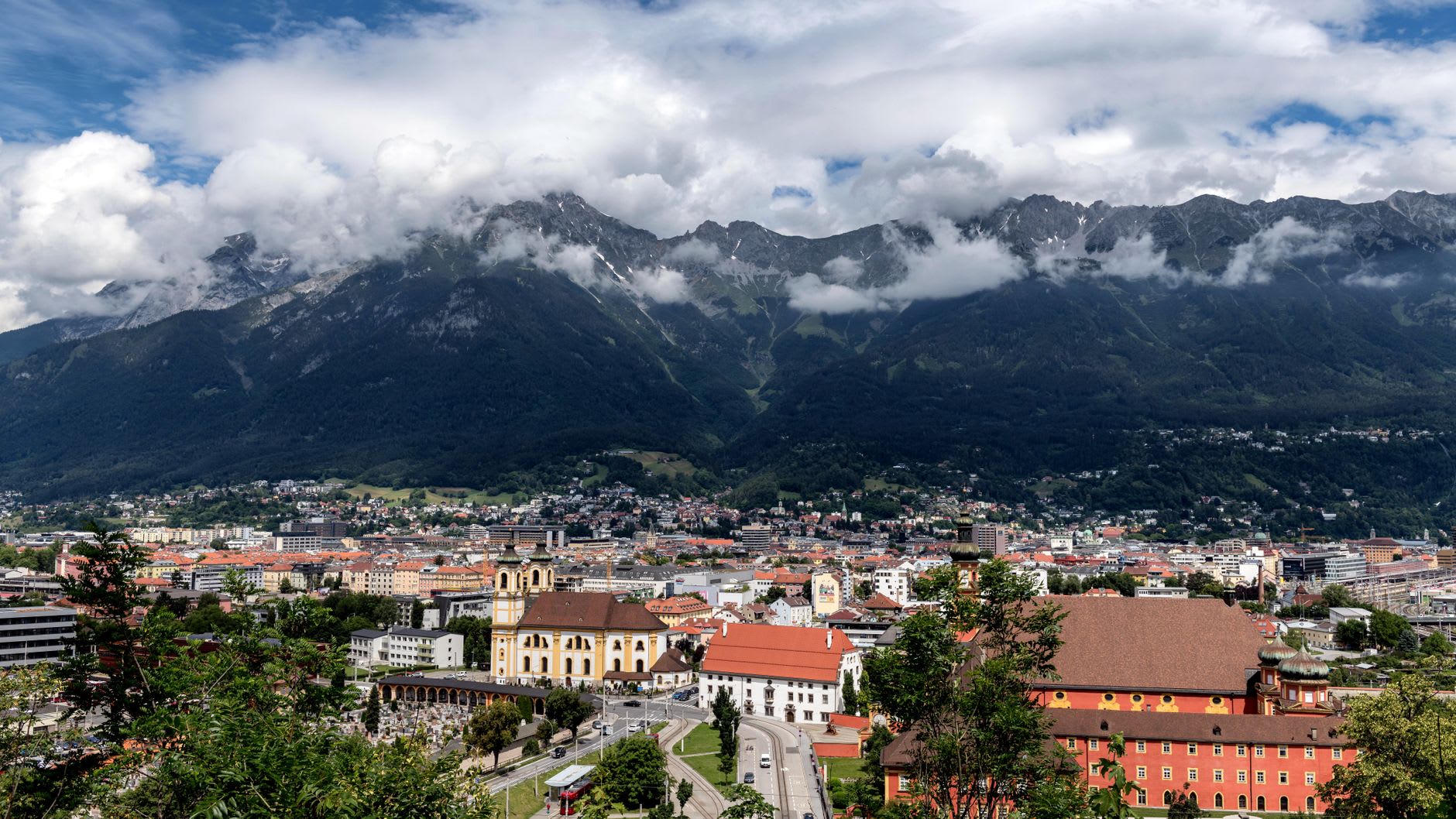
The Nordkette cable car from Hungerburg, reachable by the futuristic funicular that runs directly from the old town, takes you from street level to 2,256 meters in fifteen minutes. The temperature drops ten degrees. The air changes quality. Below, Innsbruck looks improbably compact, its red rooftops nestled in the valley like an old photograph. I sat at the Hafelekar terrace with a coffee and watched paragliders drift off the ridge in slow spirals, the Inn valley floor a thousand meters below them. The Markthalle on the river is where the morning begins honestly: stalls of Bergkäse and raw milk butter, bread with proper crust, fruit from the valley floor. I bought a wedge of aged Almkäse that the woman wrapped in paper without asking how much I wanted. She weighed it, told me the price, and tucked in two slices of dried sausage as though this were a perfectly normal thing to do. It was.
When to go: May and June are ideal before summer crowds saturate the valleys. September brings larch color in the surrounding mountains and the city operates at a more comfortable pace. December through February is Advent-market season — and for this one, the cold genuinely helps.