
Hall in Tirol
"Twelve minutes from Innsbruck, and the tourists simply do not come. I cannot explain it and I am not complaining."
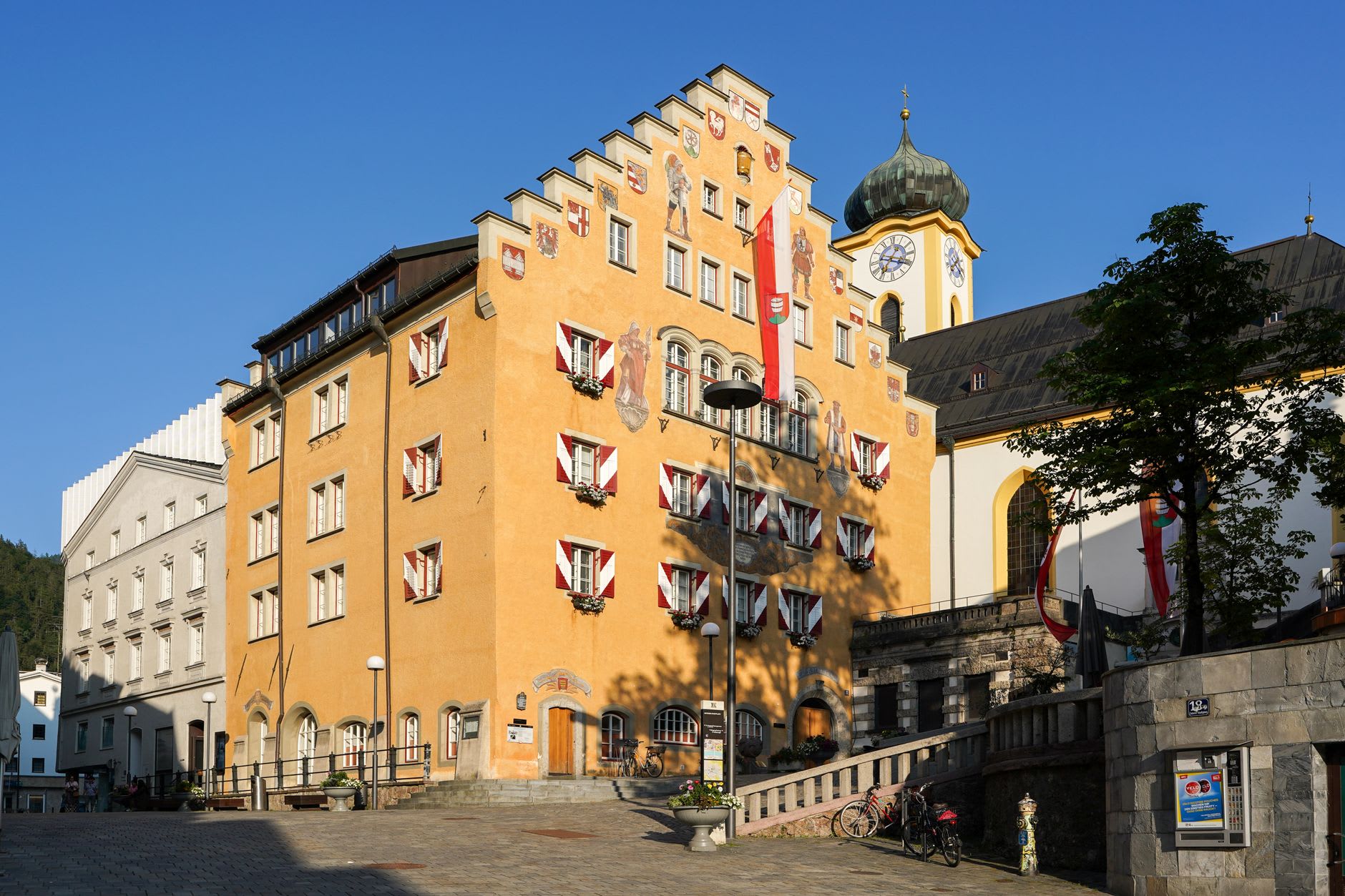
A friend in Innsbruck told me to take the regional bus east along the Inn valley to Hall in Tirol on a weekday morning. She did not explain further. I got off the bus at the old town gate and walked through the arch into the Oberer Stadtplatz and stood there for a moment doing the calculation: medieval market square, intact Gothic and Renaissance facades, an octagonal tower rising above the roofline, not a single tour group in sight, not a single souvenir shop I could identify, the only sound a fountain in the center of the square and two older men arguing about something at a café table. Twelve minutes by bus from one of Austria’s major tourist cities, and this. I did not understand it then and I do not understand it now, but I was grateful.
Hall was one of the most important cities in the Tyrolean Alps from the thirteenth through sixteenth centuries, its wealth built entirely on salt. The nearby Hallein salt deposits had been mined since prehistoric times, and Hall’s position on the Inn river made it the natural transshipment point — salt came down from the mountains, was processed and stored in Hall’s saltworks, and went out into the wider world. The Hasegg Castle, which sits at the Inn river end of the old town, was rebuilt in the sixteenth century to house the Habsburg mint, the coin tower — Münzturm — producing silver Thalers that gave their name to the dollar. The castle is now a museum and the Münzturm is climbable; from the top you can see the full medieval street plan laid out below you like a diagram of how a prosperous medieval city was supposed to work.
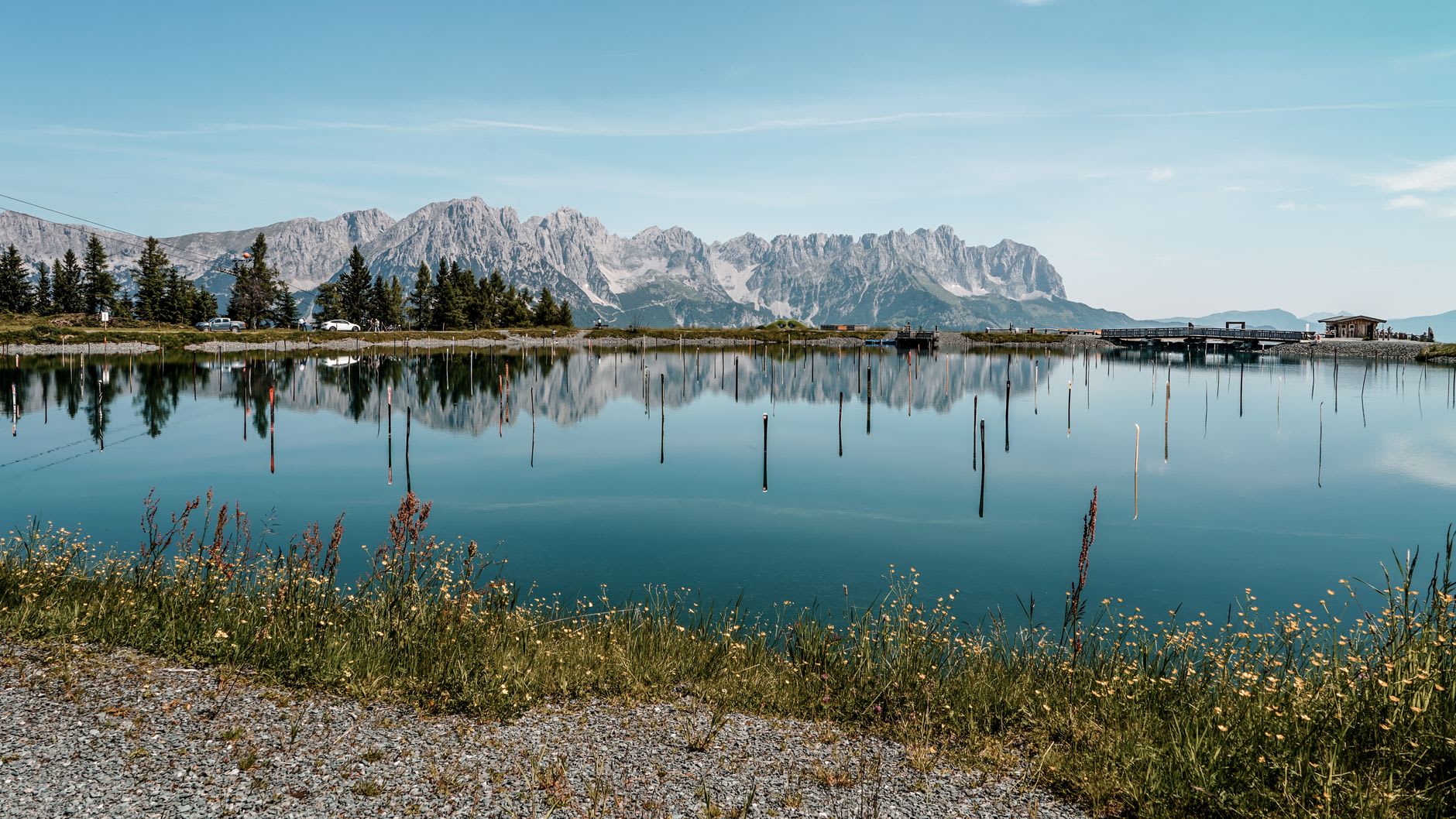
The streets between the castle and the main square run narrow and quiet in the way that medieval streets become when they are built for people rather than cars. The Unterer Stadtplatz below the Oberer has a slightly more workaday quality — a bakery, a pharmacy, a hardware shop whose window display hasn’t changed visibly since the 1990s. The Stiftskirche on the upper square has a Gothic interior that rewards time spent in it: simple, cool, the light coming in at a northern European angle that makes the stonework look both old and newly revealed. I sat in a pew for fifteen minutes not because I was praying but because the silence was specific and rare — not the silence of emptiness but of a place that has been quietly inhabited for seven hundred years.
The Rattenberg road out of Hall goes east through the lower Inn valley past orchards that still produce genuinely good apples — the Inn valley microclimate is mild enough for fruit trees — and farm stands that operate on the honor system, a small tin box for coins and no attendant. I left three euros for a bag of Maischberger apples and ate two of them walking back toward the bus stop, the juice running down my chin in a way that felt appropriate for the scale of the transaction.
The lunch question in Hall is simple: there are several traditional Gasthäuser on and around the main squares, all of them serving Tyrolean standards — Knödel in various forms, Gulasch, Tafelspitz on Sundays — and none of them oriented toward visitors in any particular way. I ate at a table next to a table of construction workers on their lunch break, which is always the highest endorsement any restaurant in any country can receive. The food was good. The bill was modest. The waitress spoke no English and had no reason to.
When to go: Any time from April through October. Hall has no specific tourist season, which is much of its charm. A weekday visit in shoulder season — April, May, October — is ideal for experiencing the town at its quietest and most itself.