
A compact Alpine capital where you can ski in the morning and visit a Habsburg palace by afternoon.

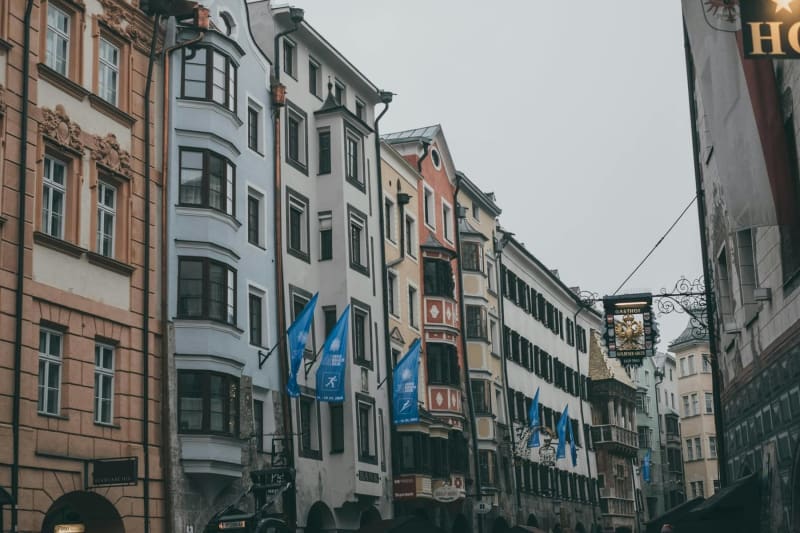
Innsbruck’s great trick is proximity. The Nordkette mountain range rises directly from the city center — you can step from a medieval alley onto a cable car and be standing at 2,300 meters within twenty minutes, looking down at the Inn Valley with the Altstadt’s colorful facades miniaturized below. No other city in the Alps offers this vertigo-inducing combination of urban culture and mountain wilderness.
The Altstadt is jewel-like: the Golden Roof — a balcony covered in 2,657 gilded copper tiles — was built by Emperor Maximilian I to watch tournaments in the square below. The Hofburg palace and Hofkirche with its oversized bronze mourners speak to centuries of Habsburg power. Maria-Theresien-Strasse runs south with the mountains framed perfectly at its end, a view so deliberate it feels composed. The ski areas of Axamer Lizum and Patscherkofel — both Olympic venues — are thirty minutes from the city center, making Innsbruck the rare place where a serious ski day ends in a serious restaurant.
When to go: December through March for skiing and Christmas markets. June through September for hiking and Alpine wildflowers.
Keep exploring
More from Austria
 austria
Klagenfurt
Carinthia's capital sits at the edge of the warm Wörthersee, a lake that tempts you in summer and a Baroque old town that keeps you in all seasons.
Explore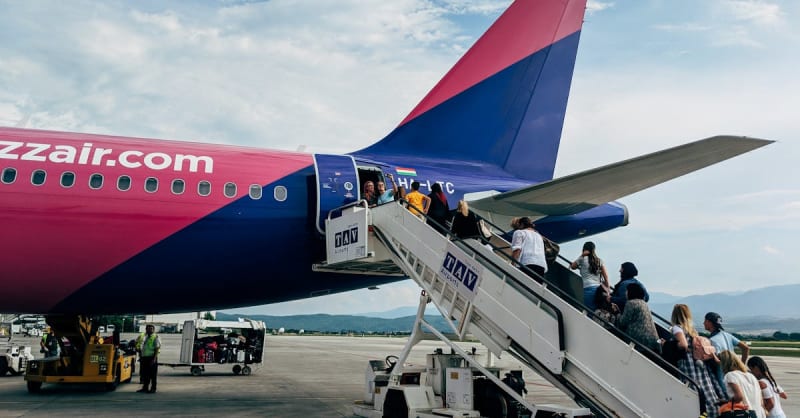 austria
Linz
A former industrial city reinvented as a hub of digital art, Danube culture, and the world's best torte.
Explore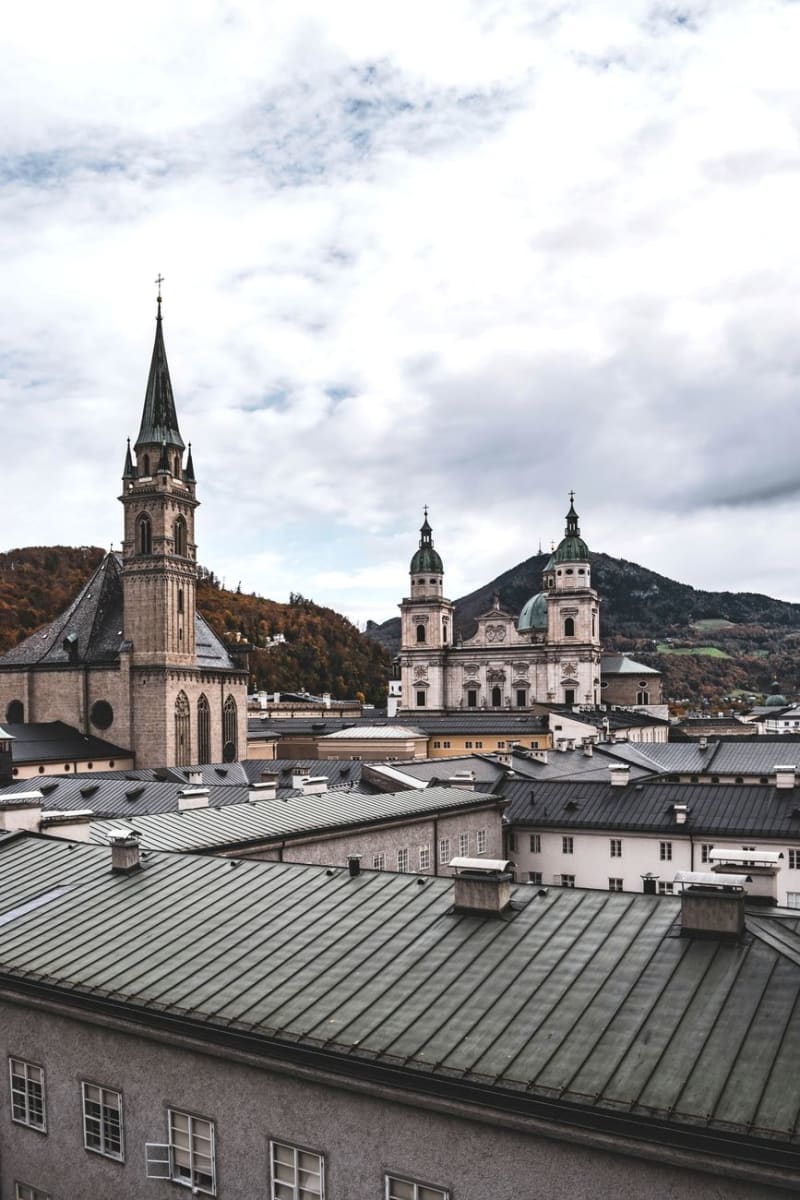 austria
Salzburg
Mozart's birthplace — a Baroque jewel set between river bluffs and Alpine peaks.
Explore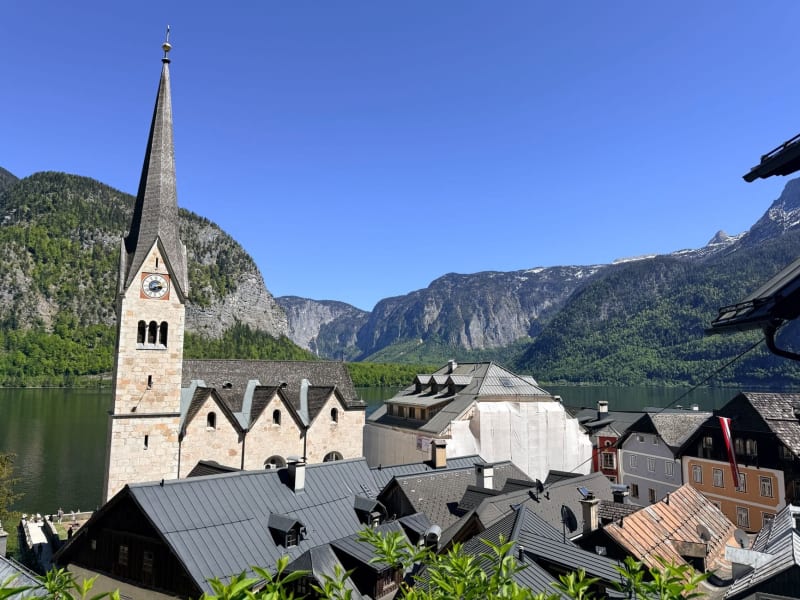 austria
Salzkammergut
A lake district of picture-perfect Alpine villages scattered between the UNESCO heritage area that inspired Sound of Music — the original Austrian postcard.
Explore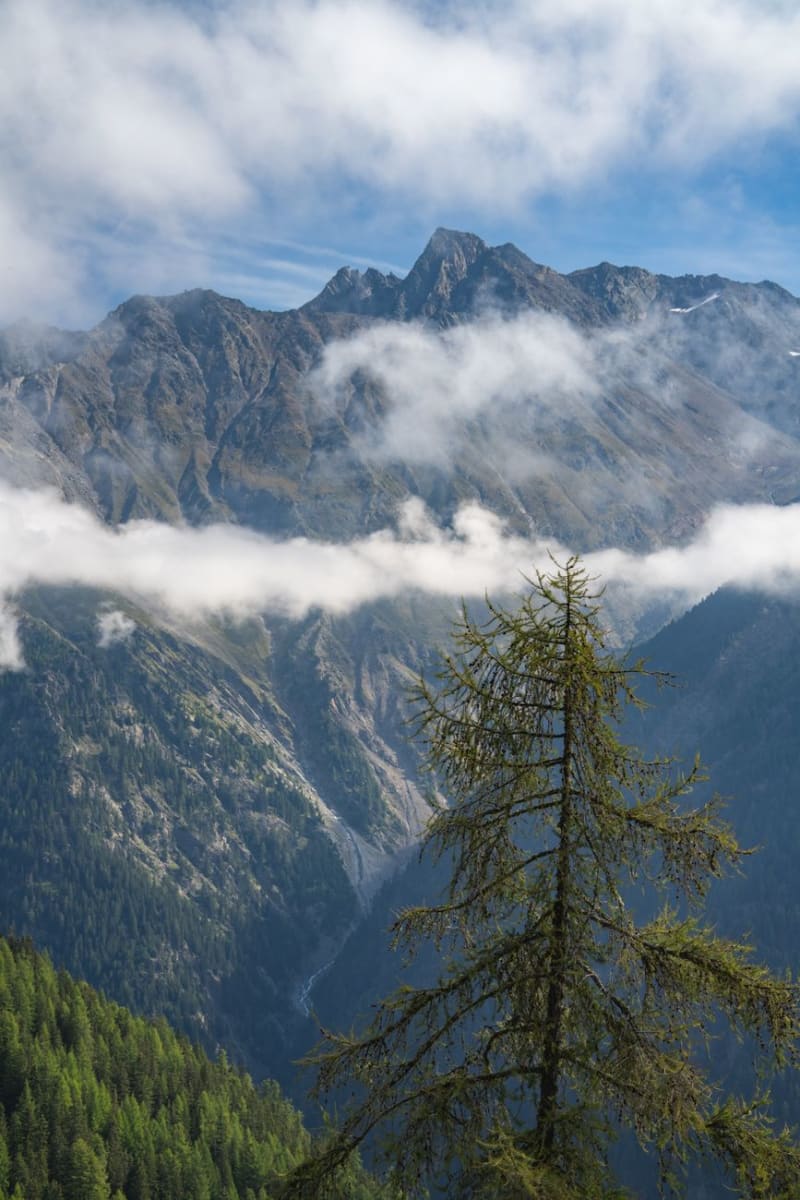 austria
Tyrol
Austria's Alpine heartland — soaring peaks, flower-filled valleys, and a mountain culture that defines the nation.
Explore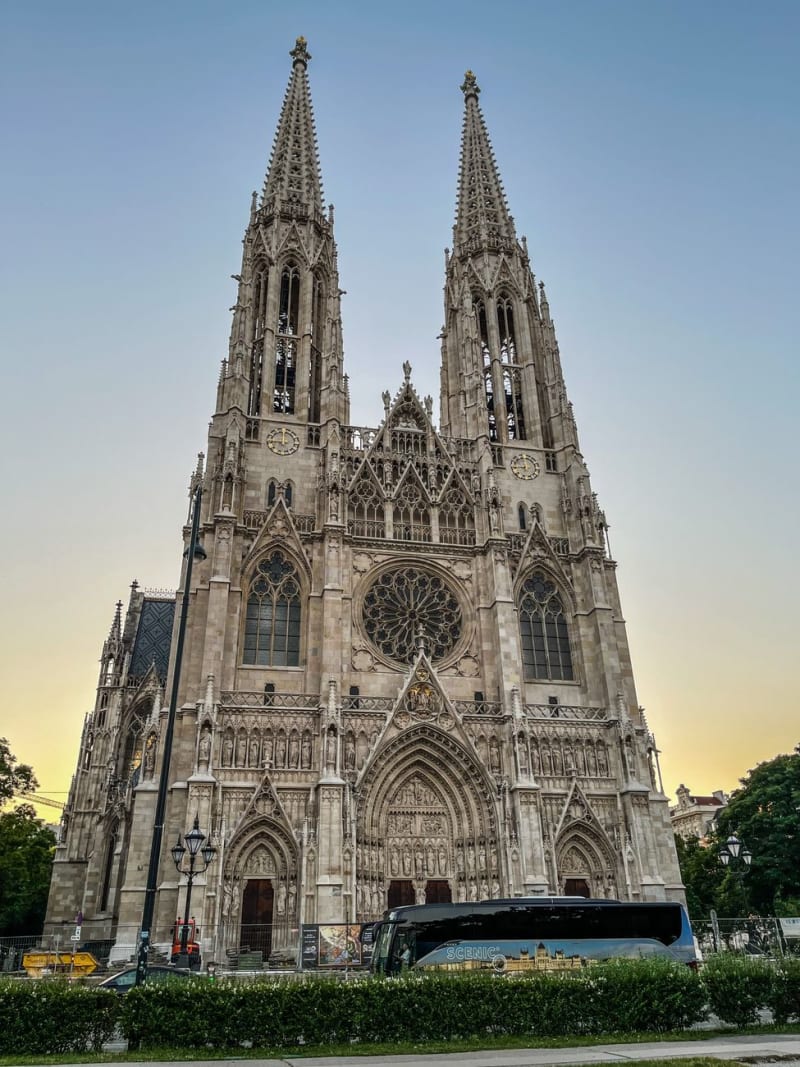 austria
Vienna
Imperial grandeur meets coffeehouse culture in a city where Mozart, Freud, and Sachertorte all feel equally present.
Explore