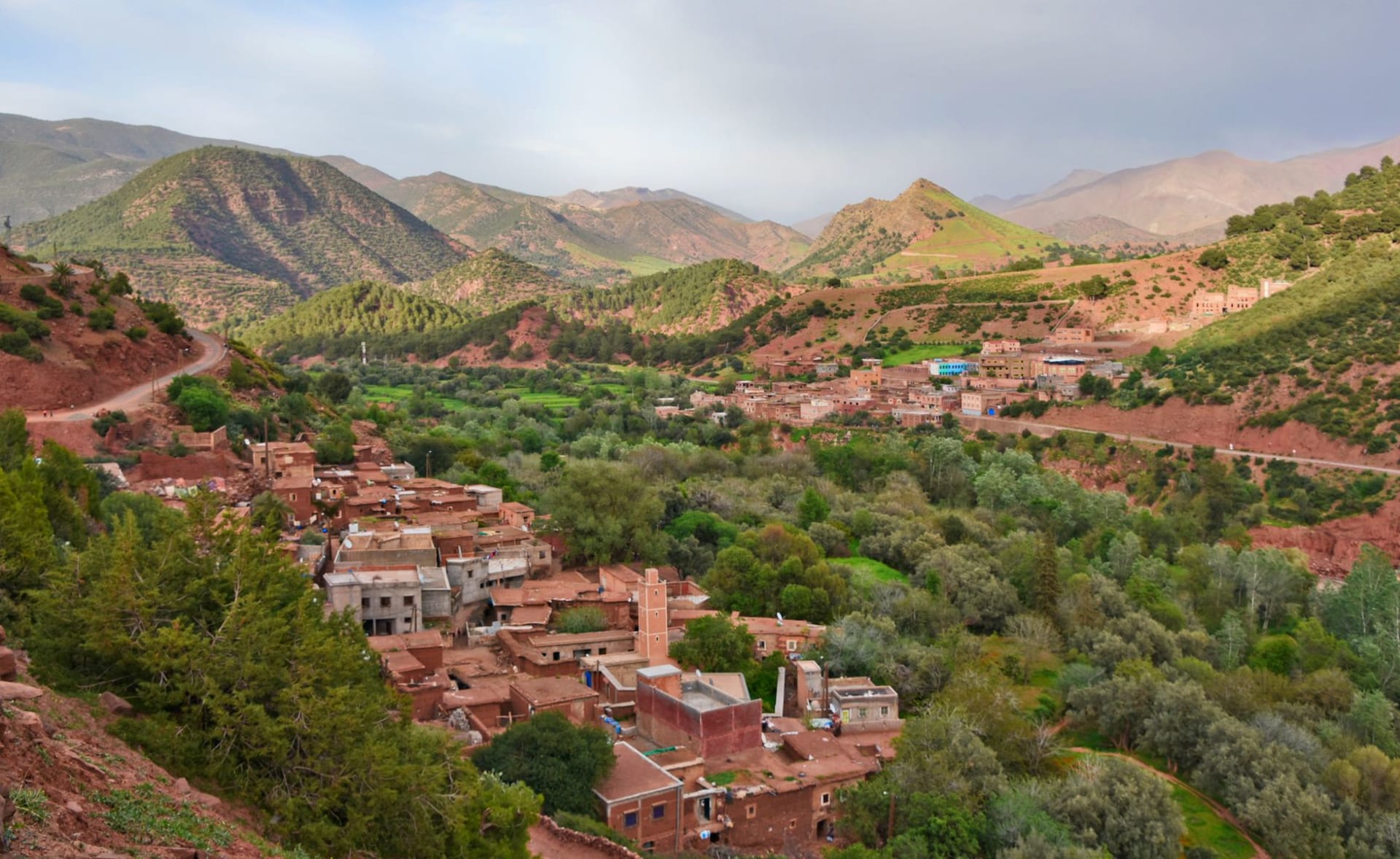
Ourika Valley
"By five o'clock I had the entire valley to myself. That is the only time Ourika tells you the truth about itself."
Every taxi driver in Marrakech knows the Ourika Valley. It is the day-trip option they offer when you’ve already done the palmeraie and the souks and you need a reason to leave the city without committing to the mountains. The valley is, by any measure, beautiful — a narrow green ribbon of terraced gardens, walnut trees, and cold river water that runs off the High Atlas snowfields above Setti Fatma. But the road that leads there also delivers several thousand day-trippers who arrive between ten and two, eat a tagine at one of the terrace restaurants above the river, watch the waterfall for twelve minutes, photograph a local woman in traditional dress without asking, and leave. If you come on the day-tripper schedule, what you get is the shell of a place.
I stayed. I arrived mid-morning and watched the carnival pass and then, around four-thirty, felt the valley decompress as the last grands taxis filed back down the road to the city. The river was still there. The rose gardens were still there. A woman was still setting bread to cool on a flat stone in front of her house. Above Setti Fatma, the seven waterfalls that tourists come for had become, without the queue of Marrakchi visitors and their extended families, simply water falling down rock in a deep, narrow gorge where the only sound was the kind of white noise that resets your nervous system.
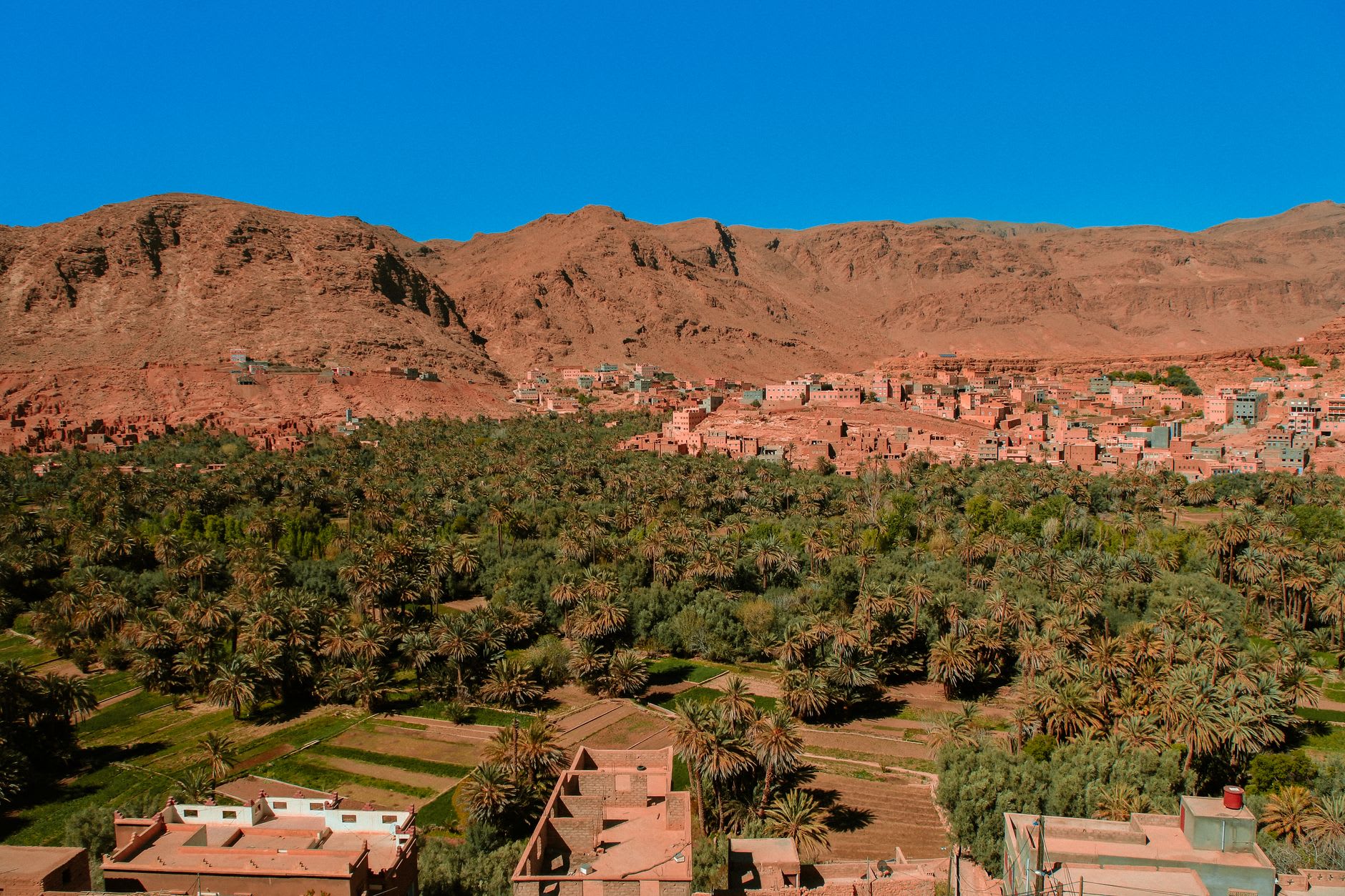
The lower valley, between Aghmat and Setti Fatma, changes character in late April and May when the roses come into bloom. These are the damask roses — Rosa damascena — grown in neat rows on terraced hillsides, their petals harvested in the early morning before the heat opens them fully, distilled into rosewater that ends up in pastry shops across Morocco. I bought a small bottle from a woman who distilled it in a copper still behind her house; it smelled nothing like the rose essence you find in the souk, which is chemical and sharp. This was soft, almost smoky, like the memory of a garden. She gave me a glass of Berber whisky — mint tea, obviously — and we sat outside while she explained the process in Darija I mostly did not understand but nodded along to with what I hoped was appropriate gravity.
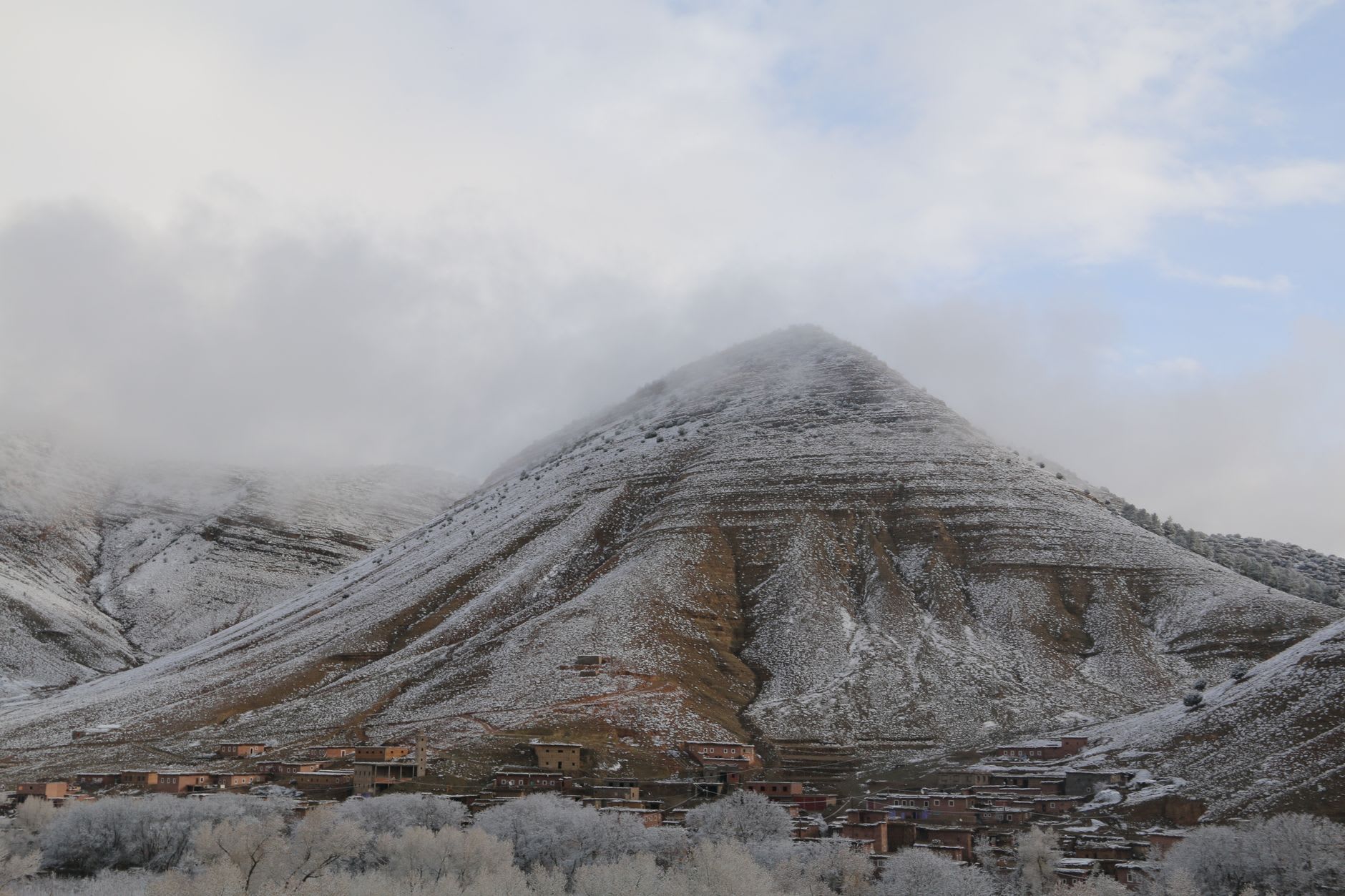
The small gîtes further up the valley, past the main tourist cluster at Setti Fatma, offer a different experience from the road-side restaurants: simple rooms, family cooking, the actual mountain life rather than its restaurant recreation. Dinner here tends to be whatever is growing: in autumn, pumpkin soup with a raft of butter on top; in spring, a fresh herb salad with argan oil that tastes like eating the hillside itself. Sleep is deep at altitude and the river noise does the rest.
When to go: April and May for the rose harvest and the valley at its most verdant. October and November for cooler air, autumn colour on the walnut trees, and a fraction of the summer crowds. Stay overnight to experience the valley after the day-trippers leave — a single night changes everything about how the place reads.