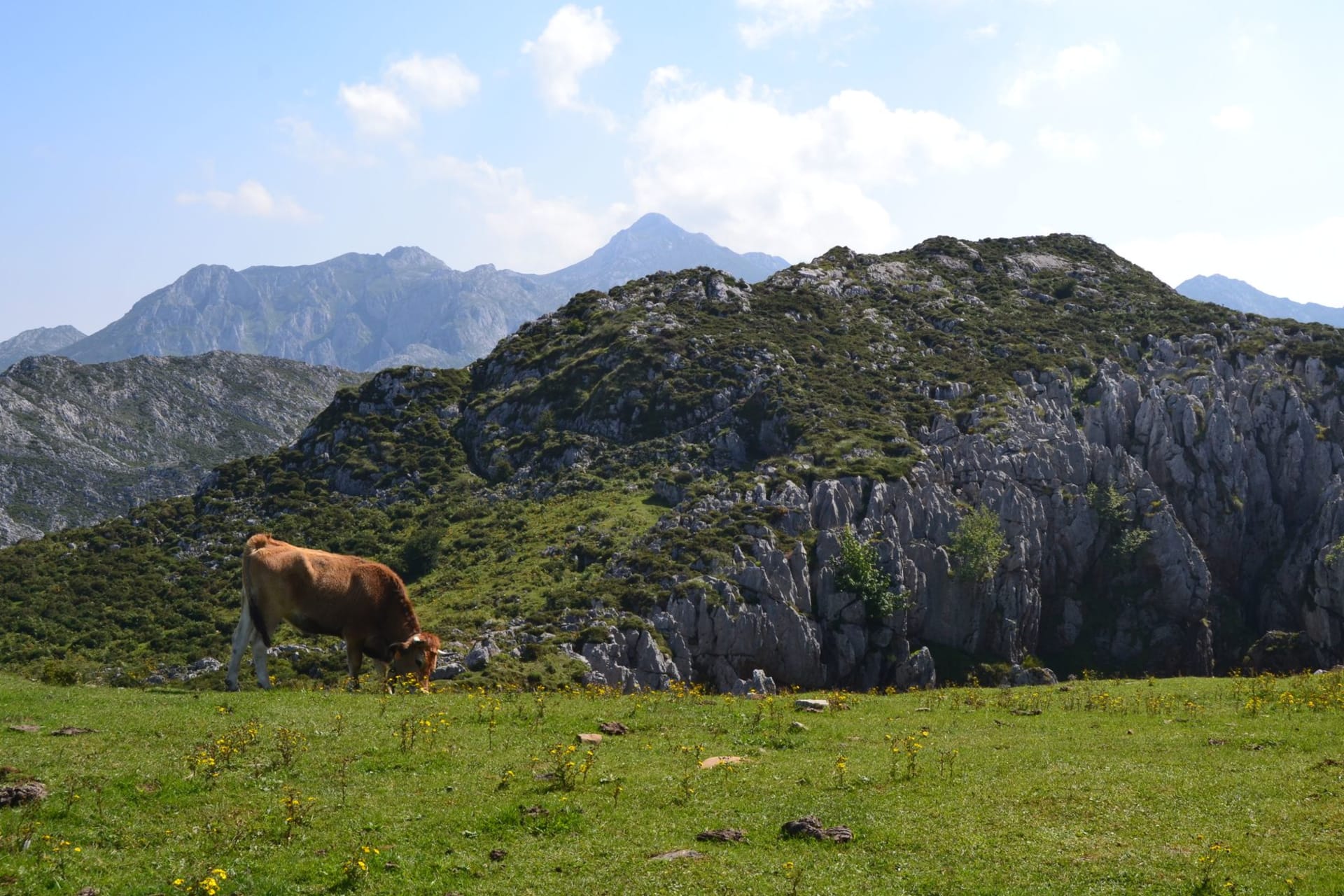
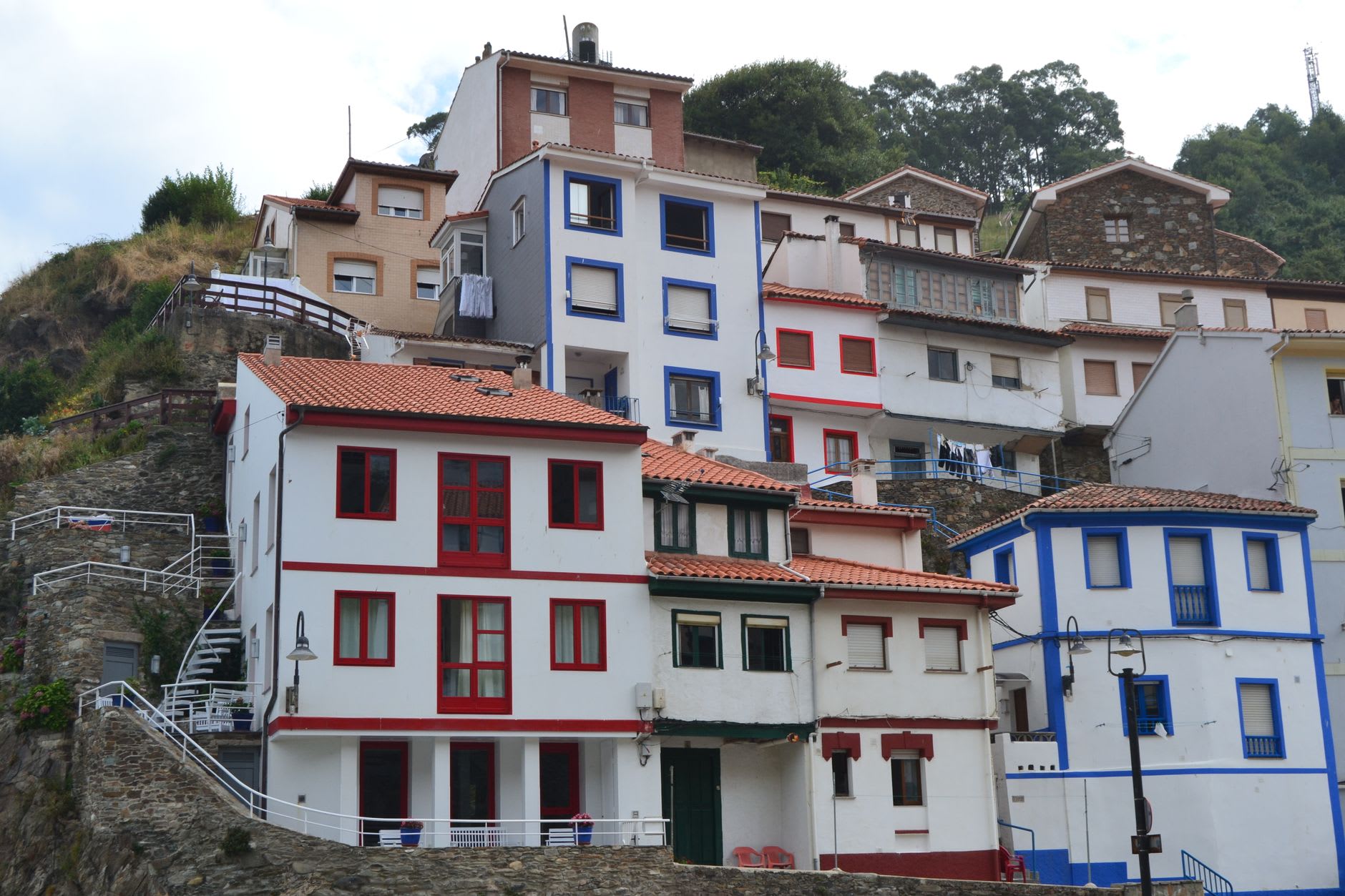
Taramundi is in western Asturias, close to the Galician border, on a road that doesn’t lead anywhere else. You come here because you mean to, or because you took a wrong turn and then decided to keep going — which is how I arrived the first time. I had been driving along the Eo river valley in a light drizzle, watching the landscape become progressively more wooded and less traversed, and I followed a sign for Taramundi up a narrow road that climbed for twenty minutes through oak and chestnut forest before depositing me in a village of stone houses on a green hillside, where three people were walking a dog and nobody seemed particularly concerned that a car with rental plates had appeared.
The knife-making tradition here goes back at least to the 17th century and possibly much further. Taramundine navaja knives — folding pocketknives with blades shaped from a single piece of steel, handles carved from wood or horn — were historically sold by travelling vendors who carried them across Galicia and the Asturian mountains on foot. The tradition nearly died in the 20th century and was revived in the 1980s, and there are now a handful of workshops in the village and surrounding hamlets where you can watch a craftsman work at a water-powered forge and leave with something made in front of you over the course of an afternoon.
I spent an afternoon in one workshop watching a man named — according to the sign on his door — Manuel, who was perhaps sixty and worked with a concentration that made conversation feel inappropriate. The water wheel outside drove the grindstone through a system of gears and shafts that looked like it belonged in an industrial museum but was clearly functional. The sparks came off the steel in small orange arcs. The knife he was finishing was for a customer who had ordered it six months earlier. I bought a smaller knife from the display case by the door — a simple locking blade with a walnut handle — and have used it almost every day since.
The village itself is at about 600 meters elevation, surrounded by steep valleys of mixed oak and chestnut that in autumn turn colors I have only otherwise seen in Japanese woodblock prints. The views from the road above the village go west into Galicia on clear days, layer after layer of green ridgelines disappearing into mist, and there is an absolute quality of quiet here that is worth seeking. The nearest major road is fifty minutes away. There are roosters.
The food in the area leans Galician in its materials — the empanada here has a thicker, cornmeal crust, the pulpo shows up on menus, and the wine comes from across the border in Galicia rather than the Asturian sidra. There are two small restaurants in Taramundi proper; both serve hearty plates of mountain food at prices that recall a different economic era. The guesthouse that opened in the village in the 1990s started the slow arrival of rural tourism to the region, but the numbers remain small enough that the village has not reconfigured itself around visitors.
When to go: September through November is my strong preference — the autumn colors in the forests are extraordinary, the weather is cool and clear, and the workshops are in full operation. Spring (April to June) is beautiful for the green of the valleys. Avoid the December-February period unless cold mountain mist is specifically what you’re after.