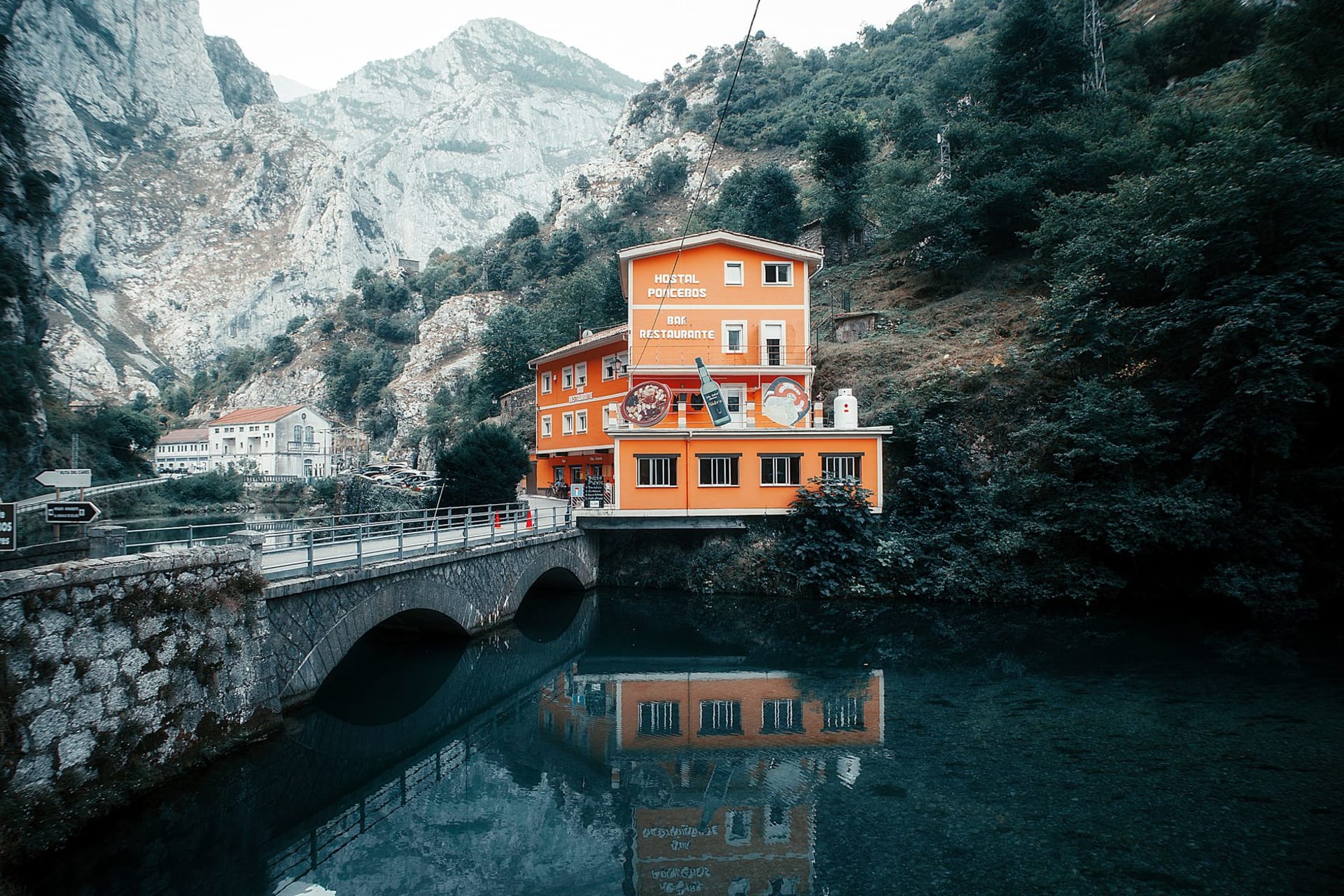
Somiedo Natural Park
"Somiedo is the Spain that existed before anyone decided to make the Spain people go to see."
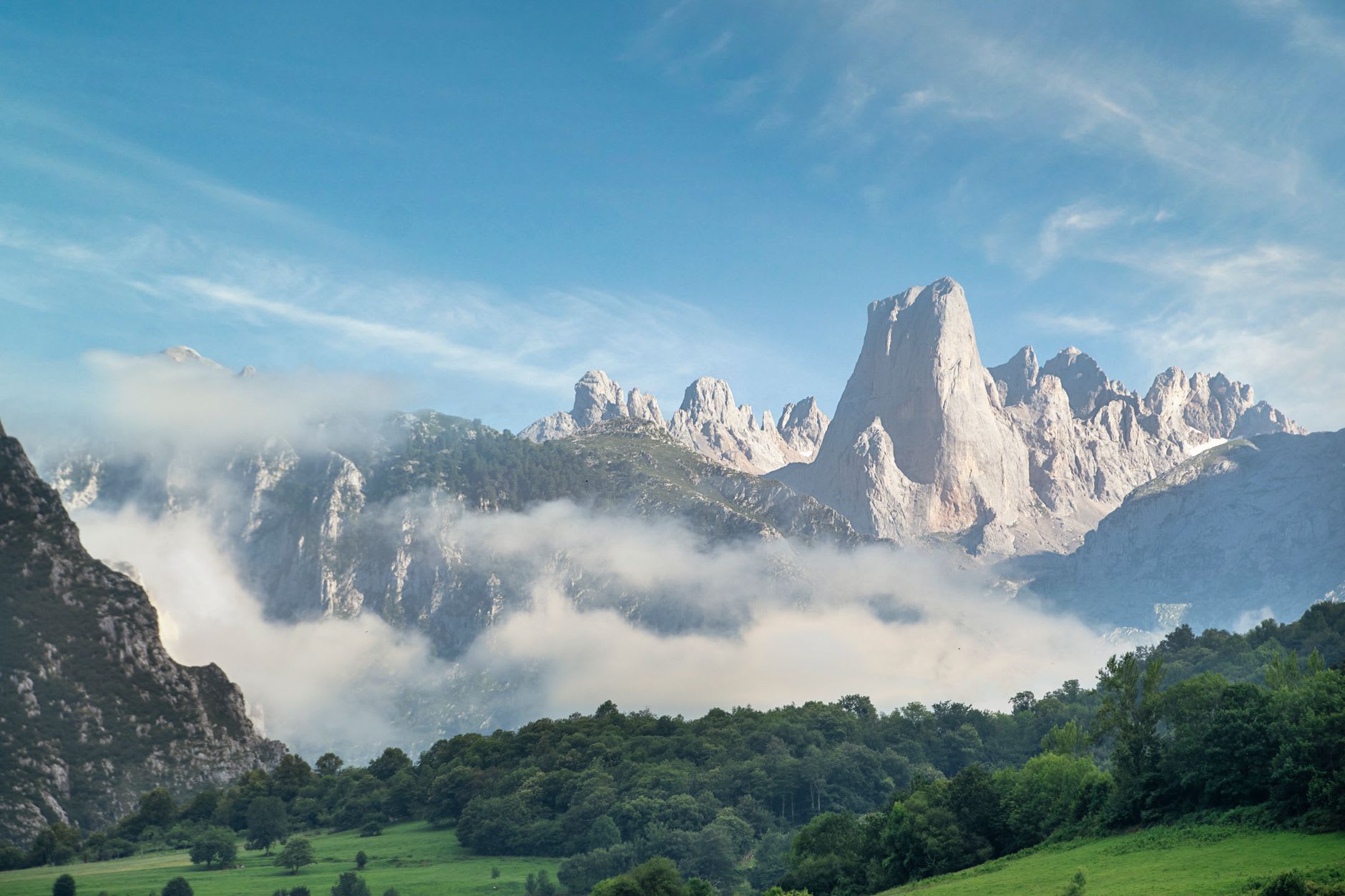
The road into Somiedo rises from the main highway and immediately starts behaving differently — tighter, steeper, with views opening to the south that go on longer than seems right for this latitude. I drove up in May, the heather still brown from winter and the occasional patch of snow remaining on the north-facing slopes, and the effect was of passing from one version of the world into a quieter, less managed one. Somiedo Natural Park sits at the heart of the Cantabrian Mountains, about an hour from Oviedo, and it is one of the places where the wild things that disappeared from the rest of Europe stayed.
The brown bears here — Cantabrian brown bears, a genetically distinct population — were down to fewer than seventy animals by the 1990s before conservation efforts began reversing the decline. There are now over three hundred and fifty, and if you position yourself at dusk on a hillside in the Degaña or Valle del Lago area with binoculars and patience, sightings are plausible rather than miraculous. I have tried three times and not seen one. A ranger I talked to in Pola de Somiedo said the key is to stay very still in the same place for two hours, which is harder than it sounds when the mosquitoes are active. But the act of looking, of scanning the dark treeline for movement, does something to your attention that feels important.
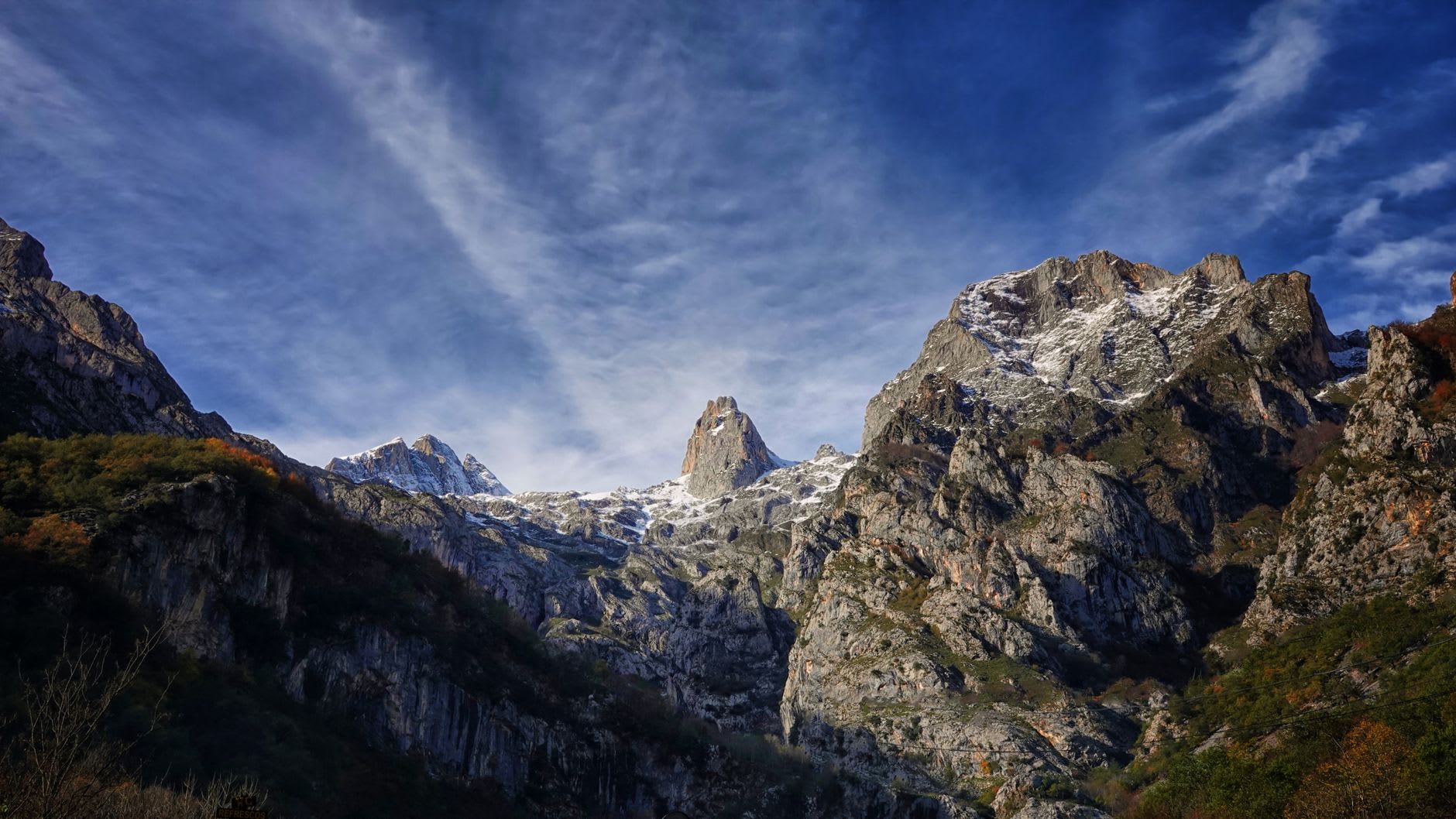
The brañas are what Somiedo offers that bears do not: these circular stone huts with thatched conical roofs, scattered across the high mountain pastures, are the summer shelters of the vaqueiros de alzada — the transhumant herders who have been moving their cattle up to these mountains every June and back down every October for at least a thousand years. Some of the brañas are still used. Walking up to the Valle del Lago in July you’ll see smoke coming from a stone hut, and a man or a woman sitting outside watching cattle move across a slope, and the whole scene has a quality of deep time that is genuinely moving if you let it be.
The lakes themselves — there are several glacial tarns in the park, the most accessible being Lago del Valle — are cold and dark and perfectly still in the early morning, reflecting mountains that have still not been named in any language that sticks. I arrived at Lago del Valle at seven on a June morning to find the surface completely flat, the air smelling of grass and wet rock, and a single heron standing at the shallow end with the focus of a creature that has no awareness of being watched.
Pola de Somiedo, the main village, has a handful of rural guesthouses and a single restaurant that serves fabada from an earthenware pot and a local dish of roast kid that comes with a kind of reverence from the kitchen. The woman who runs the place has been doing so for forty years and takes your order without writing anything down and is always correct.
When to go: June through September for hiking and the full operation of the brañas. July and August increase the chance of bear sightings as the animals move to higher elevations for cooler temperatures. Autumn is spectacular — the beech forests turn gold and the cattle come down from the mountains and the park becomes still in a way that feels earned.