Ribadesella
"The art in Tito Bustillo is older than agriculture — I keep having to remind myself that a human hand made those lines."
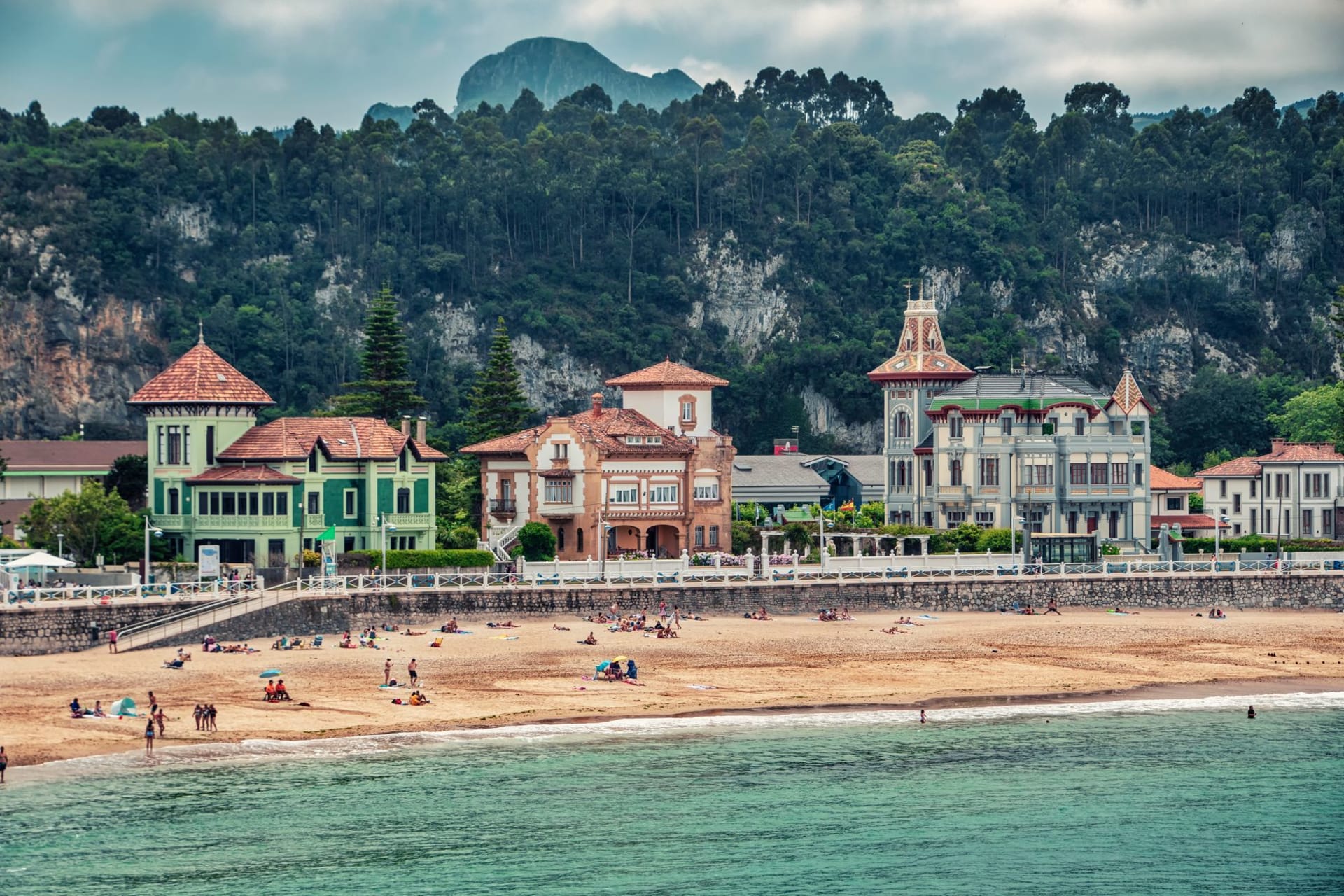
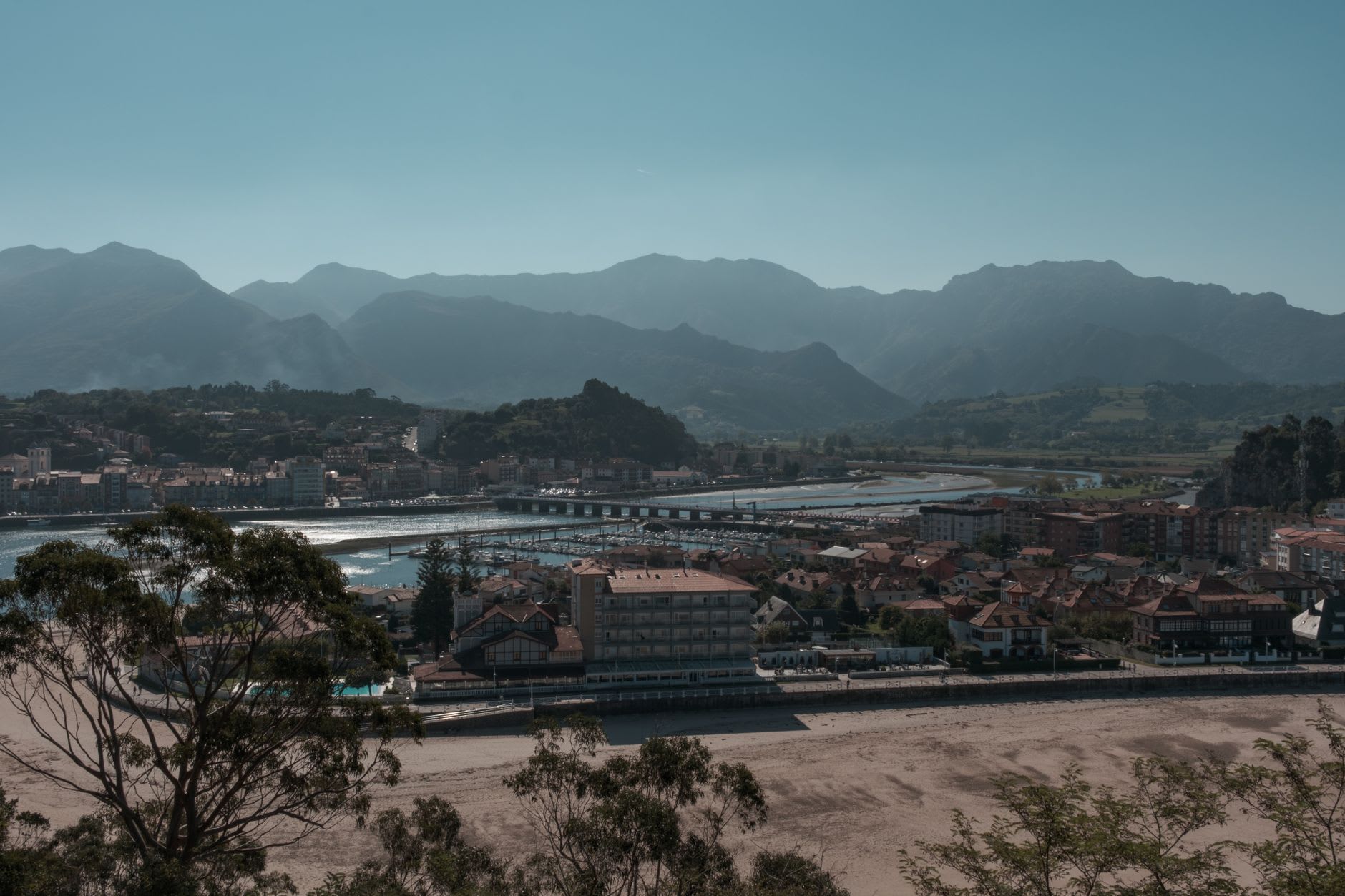
Ribadesella sits at the mouth of the Sella river, divided by the estuary into two different personalities: the old town on the western bank, with its porticoed streets and seafood restaurants and the bridge that connects both halves, and the beach and fishermen’s quarter on the eastern bank, quieter, lined with balconied houses that look across the water at their more formal counterparts. I arrived by train from Oviedo in late afternoon, walked the length of the old town in twenty minutes, crossed the bridge, and found a table at a restaurant on the eastern promenade that was serving freshly grilled anchovies from the morning’s catch. I ate the whole plate before the wine arrived.
The Cueva Tito Bustillo is the main reason people make the specific effort to come to Ribadesella rather than one of the dozen other attractive coastal towns on this coast. The cave contains Paleolithic art — paintings and engravings made between 10,000 and 20,000 years ago — that includes some of the most technically sophisticated animal depictions in prehistoric European art. Horses painted in profile with musculature that shows genuine observational skill. A polychrome deer. Abstract signs that haven’t been fully decoded. The cave visits are strictly limited — a maximum of 375 visitors per day, in small guided groups — and require booking in advance, which I failed to do on my first visit and had to return for on my second. Do not make my mistake.
Standing in the cave, in the specific regulated cool of underground limestone, looking at lines made by a human hand fifteen thousand years before the first city, I felt what I can only describe as a temporal vertigo — not the manageable kind you get in front of old buildings, but a genuine difficulty processing what “a very long time ago” actually means when confronted with evidence of it. The guide told us that the paintings were made in multiple sessions over centuries, different hands returning to the same wall across generations. The cave art is not a single moment. It is a tradition.
The Descenso del Sella — the canoe race down the Sella river from Arriondas to Ribadesella — takes place on the first Saturday of August and brings roughly a thousand boats and a considerable portion of Spanish summer humanity to the river banks. I watched it from a bend in the river above the town and found the chaos genuinely festive in a way that mass events often fail to be: the serious competitors in the lead followed at lengthening intervals by people clearly in their first canoe, groups of friends in themed costumes, a couple in inflatable swimming pool accessories being slowly rotated by the current. The river, briefly, becomes the most democratic place in Spain.
The beach on the eastern bank — Playa de Santa Marina — is long and family-appropriate and the water in July is cold enough to be genuinely refreshing rather than merely symbolic. The evening promenade along both banks fills with people who have clearly decided that the best use of an Asturian summer evening is to walk slowly and stop to look at the water as many times as possible, which is, on reflection, correct.
When to go: June and September are ideal — the cave visits are easier to book, the beach is swimmable, and the town is at its own pace. July is excellent. Avoid the Descenso del Sella weekend in early August unless the race itself is the reason you’re there — the town reaches capacity and accommodation must be booked months ahead.