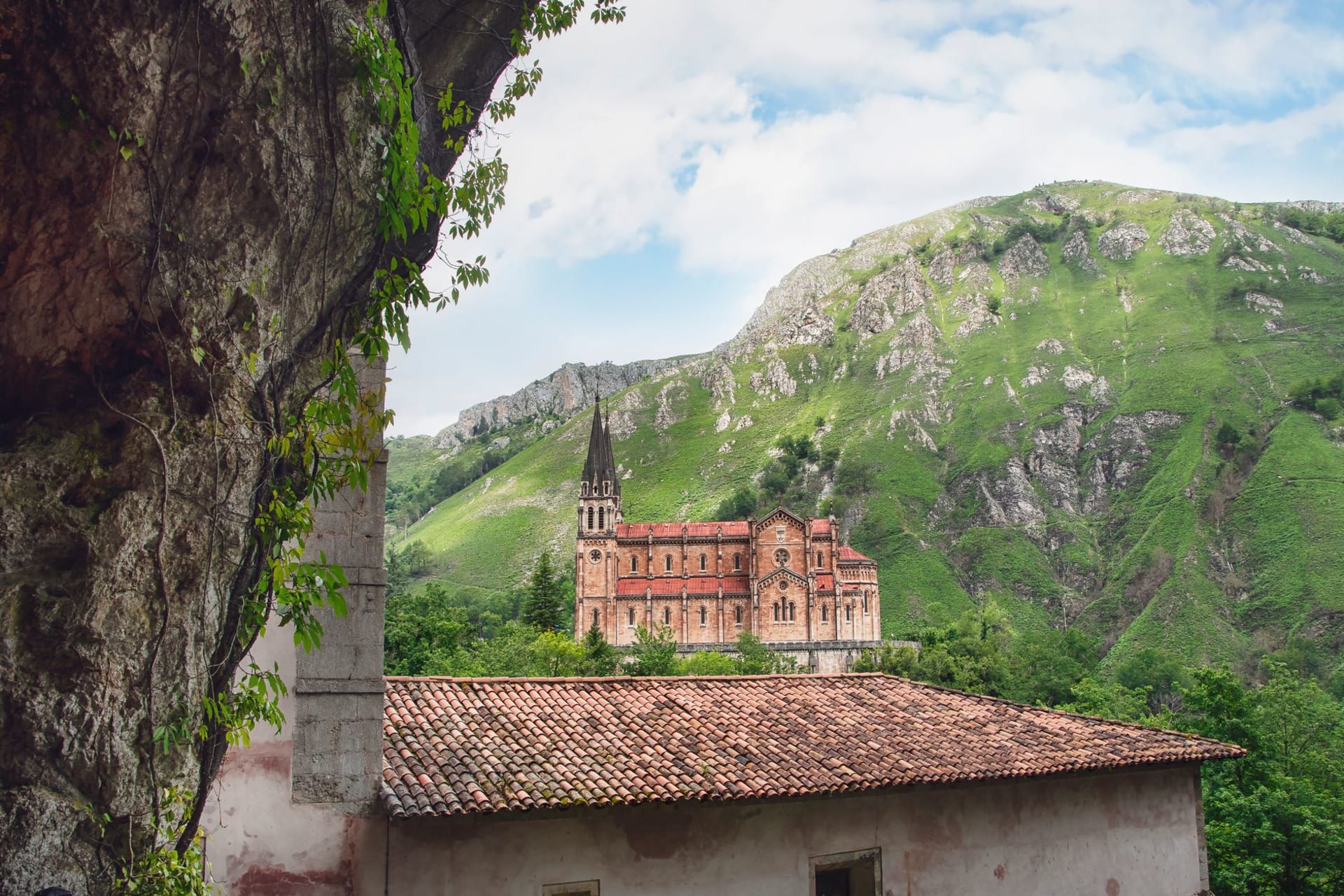
Picos de Europa
"The mountains here don't build up to their drama — they just start being dramatic and don't stop."
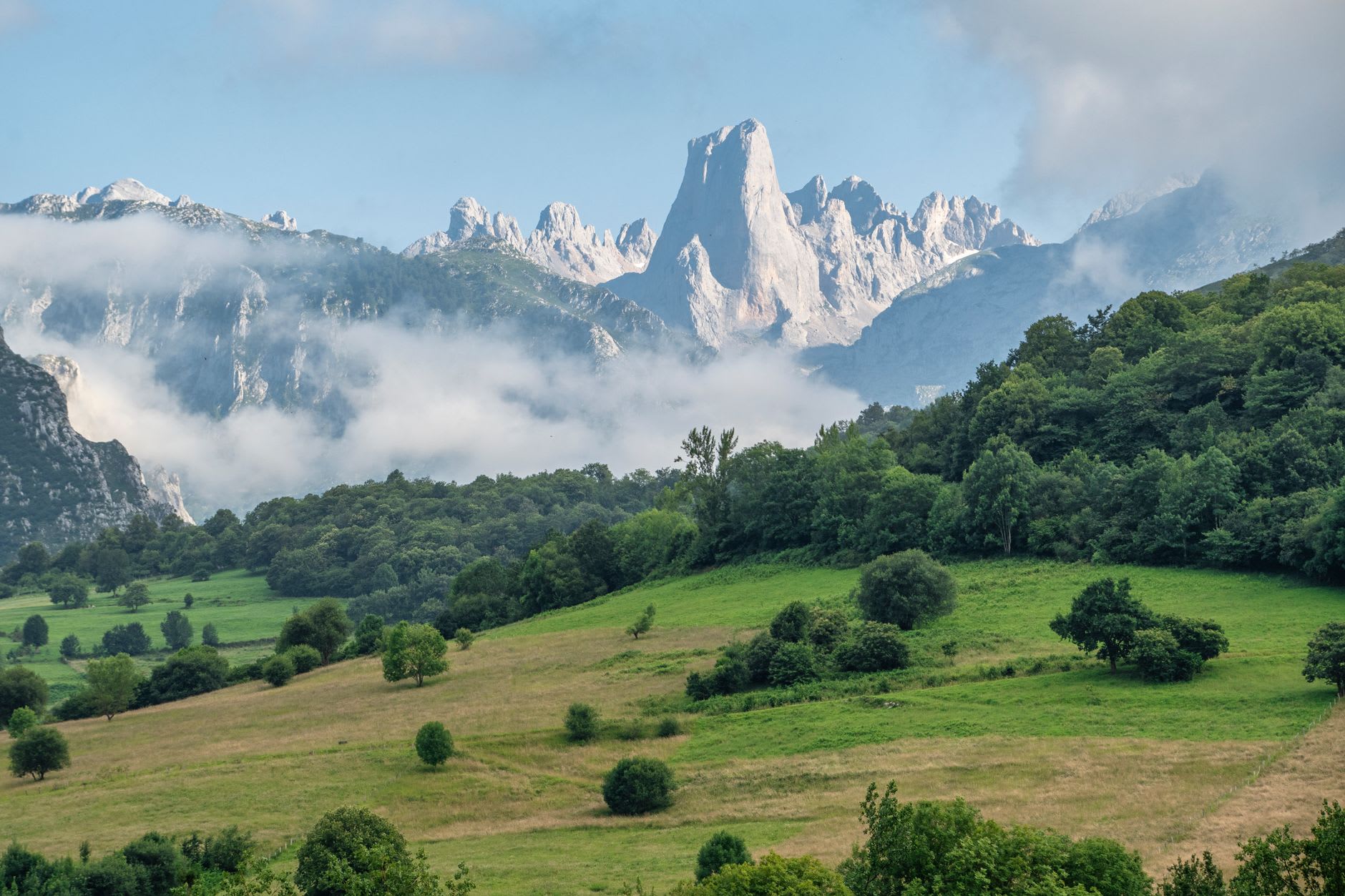
The Picos de Europa appear without warning. You’re driving through green valleys, cows visible on every hillside, the road following a river through a landscape that could be Switzerland if the light were different — and then the mountains erupt. Not gradually. Not through foothills. The limestone towers simply appear at the end of the valley, too vertical, too pale, too absurdly massive, and for a moment you genuinely question whether the scale is real. I pulled over the rental car on the road into Cangas de Onís and stood outside in the damp air just to confirm that what I was seeing was actually there.
The Picos span three regions — Asturias, Cantabria, and Castilla y León — but their emotional center, for me, is always the Asturian side. The Ruta del Cares is the most-walked trail in the range: a two-hour gorge path carved into vertical rock faces, following the old maintenance canal above the Cares river a hundred meters below. You walk between walls of limestone that close to ten meters above you and then open suddenly to views down the gorge that seem to go on indefinitely. I walked it on a morning when cloud was filling the gorge from below, and the effect was of walking through something that was assembling itself around me as I moved.
The bears and wolves that were hunted to extinction in most of Western Europe a century ago still live here in numbers that surprise ecologists — the Cantabrian brown bear population has grown back to over three hundred animals, and if you spend a week in the Somiedo or Degaña valleys you have a genuine chance of seeing one at dusk, crossing an open slope above the treeline. I haven’t managed it yet. But I have sat on enough hillsides with binoculars at the right hour that the anticipation has become its own particular pleasure. The mountain villages — Sotres, Bulnes, which still has no road and can only be reached by cable car or on foot — are kept by farmers who make the Cabrales cheese that ends up in the caves below Arenas de Cabrales, aging in the limestone until it reaches the kind of intensity that requires warning labels.
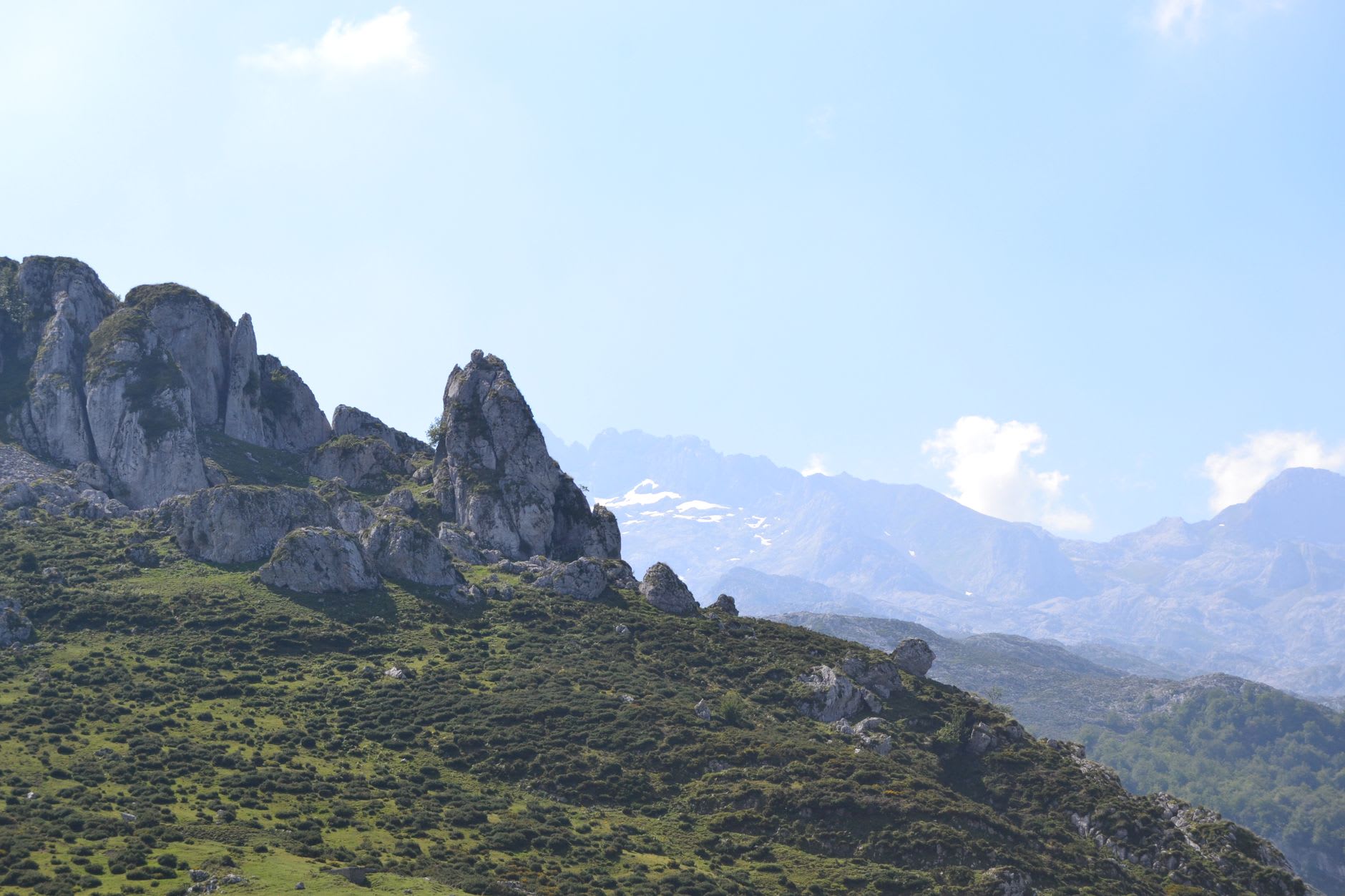
The high plateau of the Picos, reached by the cable car at Fuente Dé, sits at 1,800 meters and places you in a lunar landscape of broken limestone and dwarf plants where the wind comes from all directions at once and the view extends — on a clear day — to the Cantabrian Sea. I went up in July and was the only person up there not wearing an additional layer. It is a place of total exposure, physical and somehow psychic, where the ordinary concerns of ordinary life feel very far below.
Accommodation ranges from farm guesthouses where the host leaves cheese and cider outside your room in the morning to the Parador at Cangas de Onís, a converted monastery with views that could make anyone temporarily forget what they came to Spain worried about. In between there are small mountain refuges where the hiker’s menu comes with red wine and the dinner table conversation defaults to the trail conditions tomorrow.
When to go: June through September for hiking, with June offering the best combination of long daylight and manageable crowds. July and August bring Spanish families to the mountain villages and the cable car queues lengthen. May is beautiful but some high trails may still have snow. October turns the valleys gold and the tourism stops almost completely, which is when the Picos become themselves again.