Llanes
"The coves east of Llanes are the ones people drive straight past on the way to somewhere else, which is exactly why I go there."
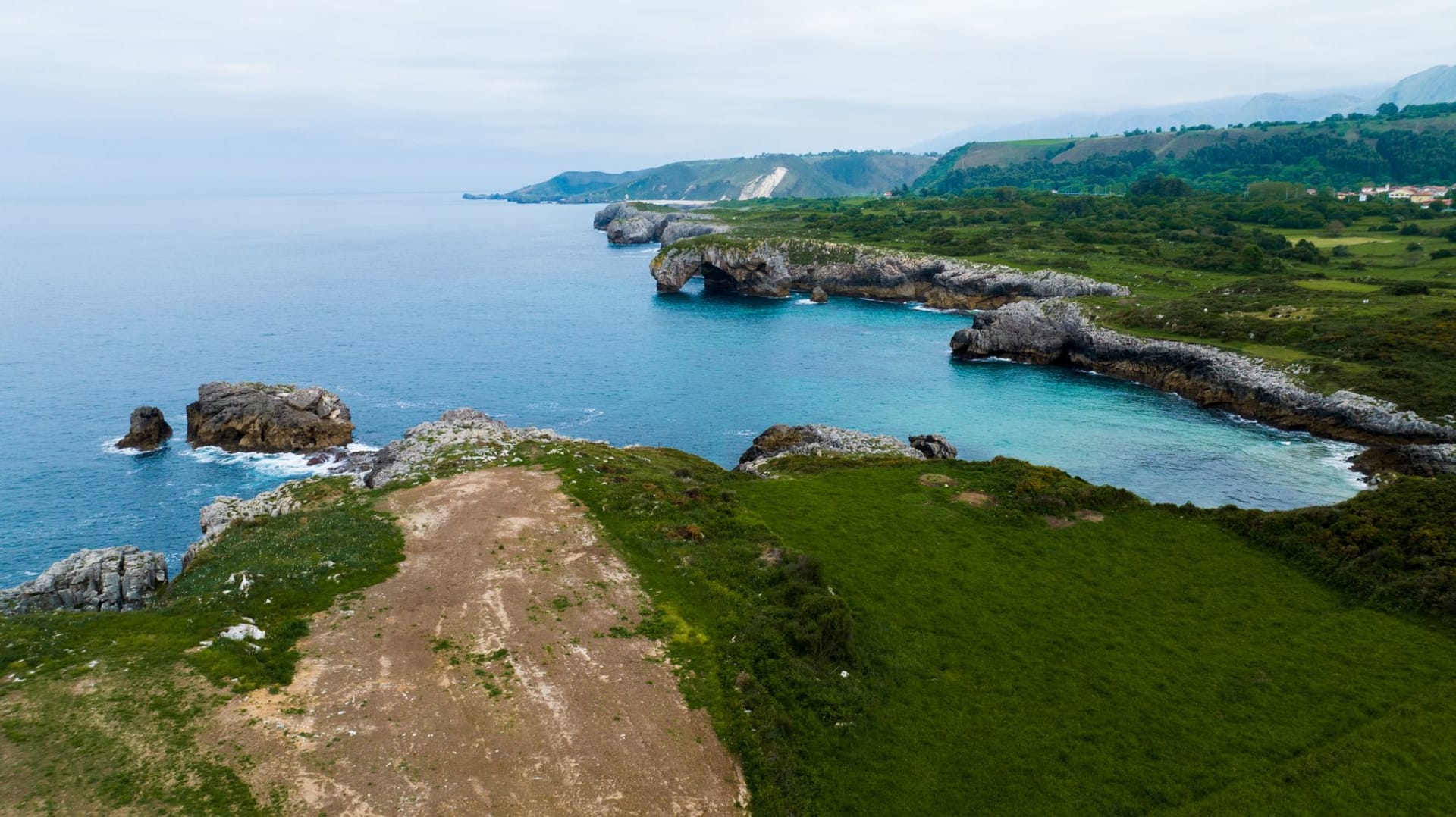
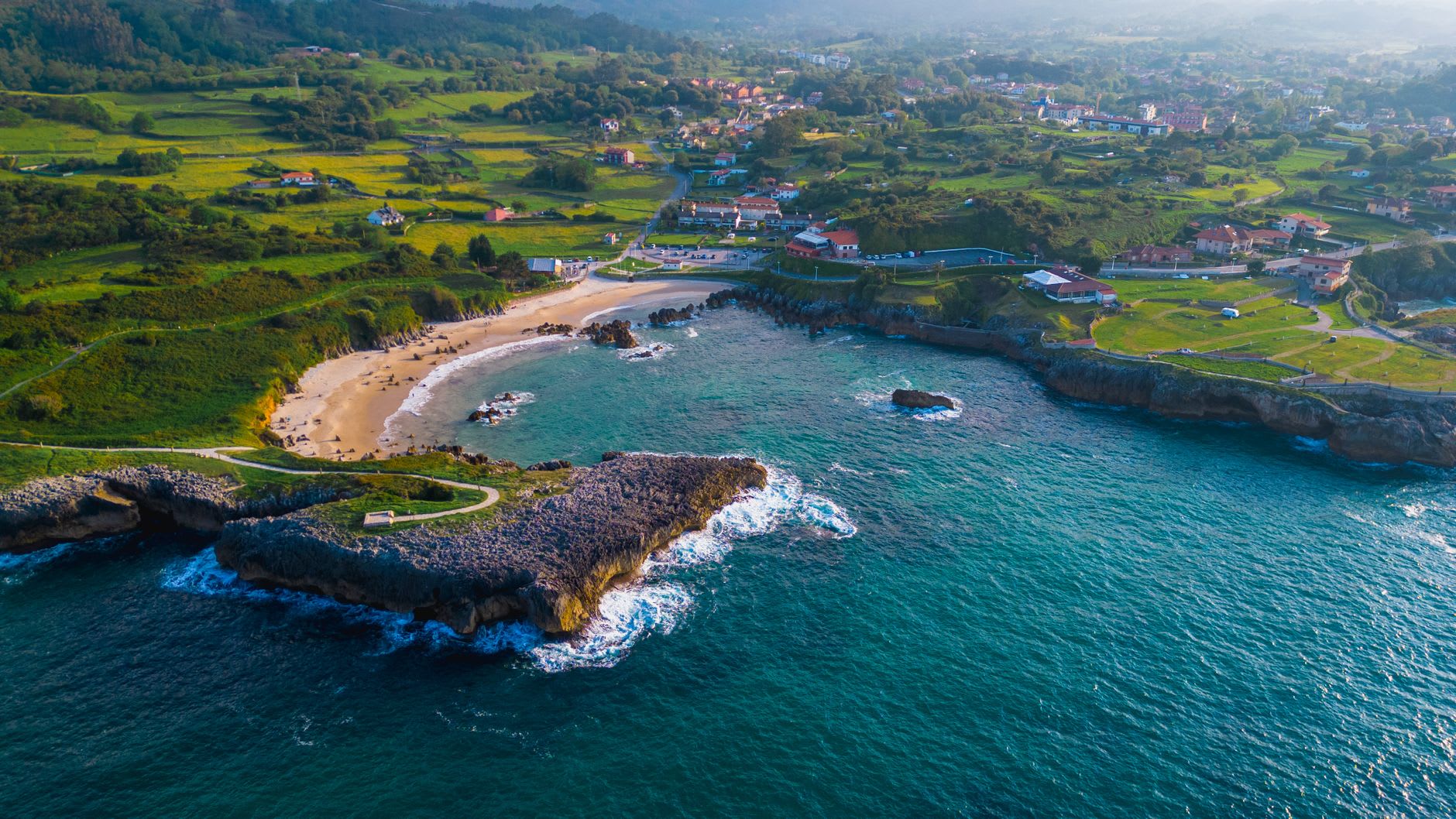
I found Llanes by accident. I was heading east along the coast road toward Cantabria, window down, the Atlantic running along my left side, when I saw a sign for Playa de Torimbia — no village attached, just a brown marker and a dirt track disappearing into forest. I followed it for two kilometers until the trees ended and I was standing at the top of a horseshoe of white sand completely enclosed by cliffs, completely empty, with water running through every shade of green and blue that water has any business running. This beach was twenty minutes from the center of Llanes, and I hadn’t seen it mentioned in anything I’d read about the coast.
The Cubos de la Memoria — the Memory Cubes — are what most people know about Llanes before they arrive. Agustín Ibarrola, the Basque painter, covered the harbor breakwater blocks with bold geometric murals in the 1990s: abstract, vivid, slightly surreal against the grey Atlantic light. They’re the most photographed things in the town and they earn it — there’s something about the scale, the color against the stone, the way they disappear into fog on low-visibility days, that works completely. I photographed them at six in the morning before anyone else was around and the light was doing something complicated with the colors.
The old town itself is enclosed by a stretch of 13th-century wall, parts of which still stand to full height, and the streets inside are the specific kind of narrow that forces you to stop making plans and start simply walking. There’s a Tuesday and Friday market in the Plaza del Soberano, a square so small the market vendors appear to be taking turns, and the stalls sell exactly what you want: local bonito del norte (the white tuna that the Asturian coast still produces in summer and that tastes nothing like the canned version), rounds of cheese, homemade butter, dried red peppers threaded on strings.
The restaurant situation in Llanes is unpretentious and reliable. The sidrerías down near the harbor do fresh oysters in summer — the waters off the Asturian coast are cold enough that the oysters taste of something rather than nothing — and the house stews are available at two in the afternoon, which is when everyone in the building eats them. I had a bowl of cocido montañés one rainy Tuesday and was restored in a way that felt biological rather than merely enjoyable.
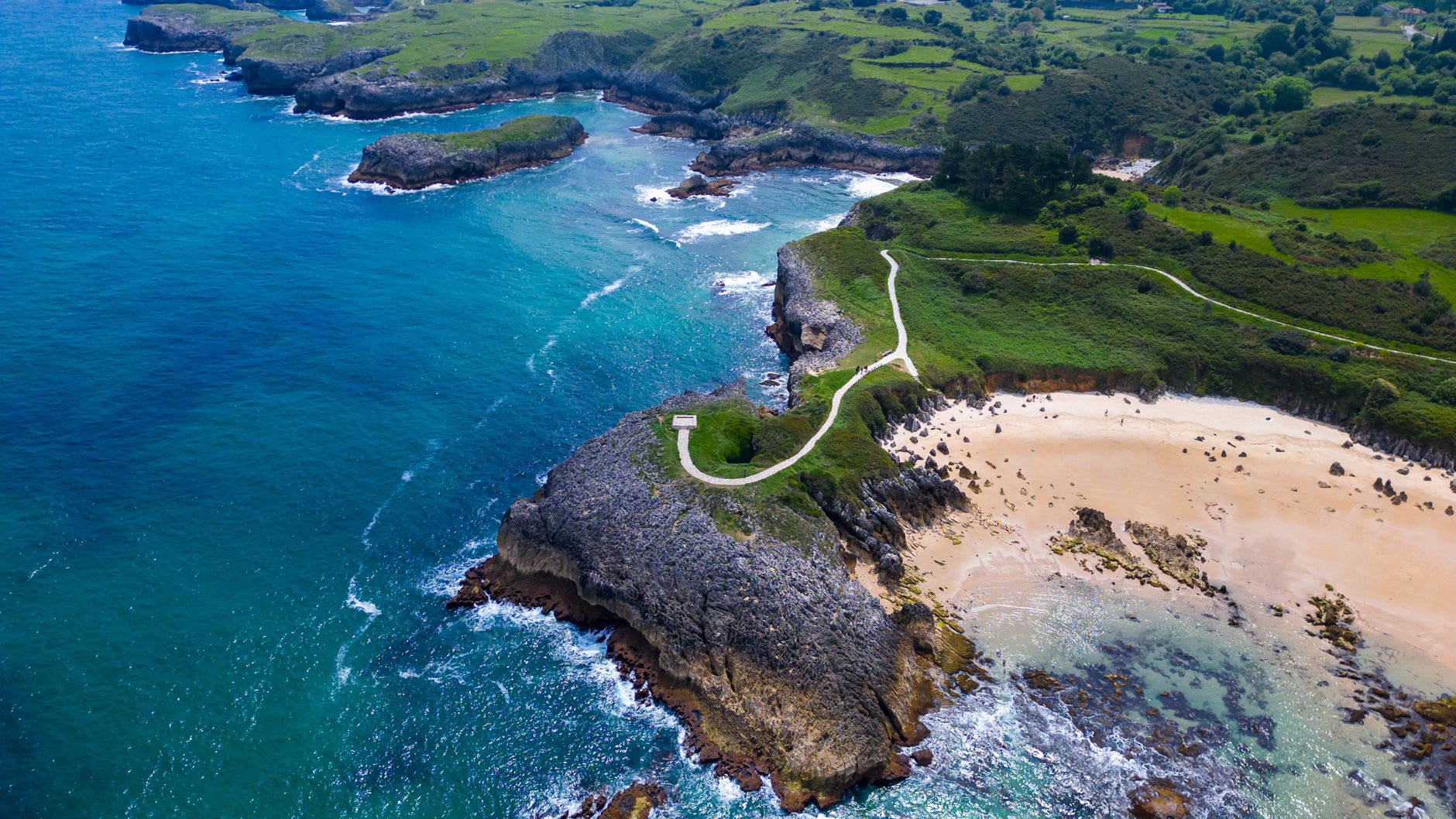
The coast east of Llanes, toward the village of Poo and the Playa de Cuevas del Mar, holds some of the most beautiful and least-visited beaches on the Asturian coast. They require ten-minute walks down cliff paths, which is exactly the right amount of effort to discourage everyone who brought beach chairs. Most of them have sea caves at low tide. Most of them are empty before noon.
When to go: July and August for swimming and the full summer atmosphere of the town. But late June is when the light is longest and the bonito is just arriving in the market stalls, and September is when the coast gets its quieter, more golden self back. Avoid Easter week — Llanes fills to capacity and the narrow streets become more crowd-management than pleasure.