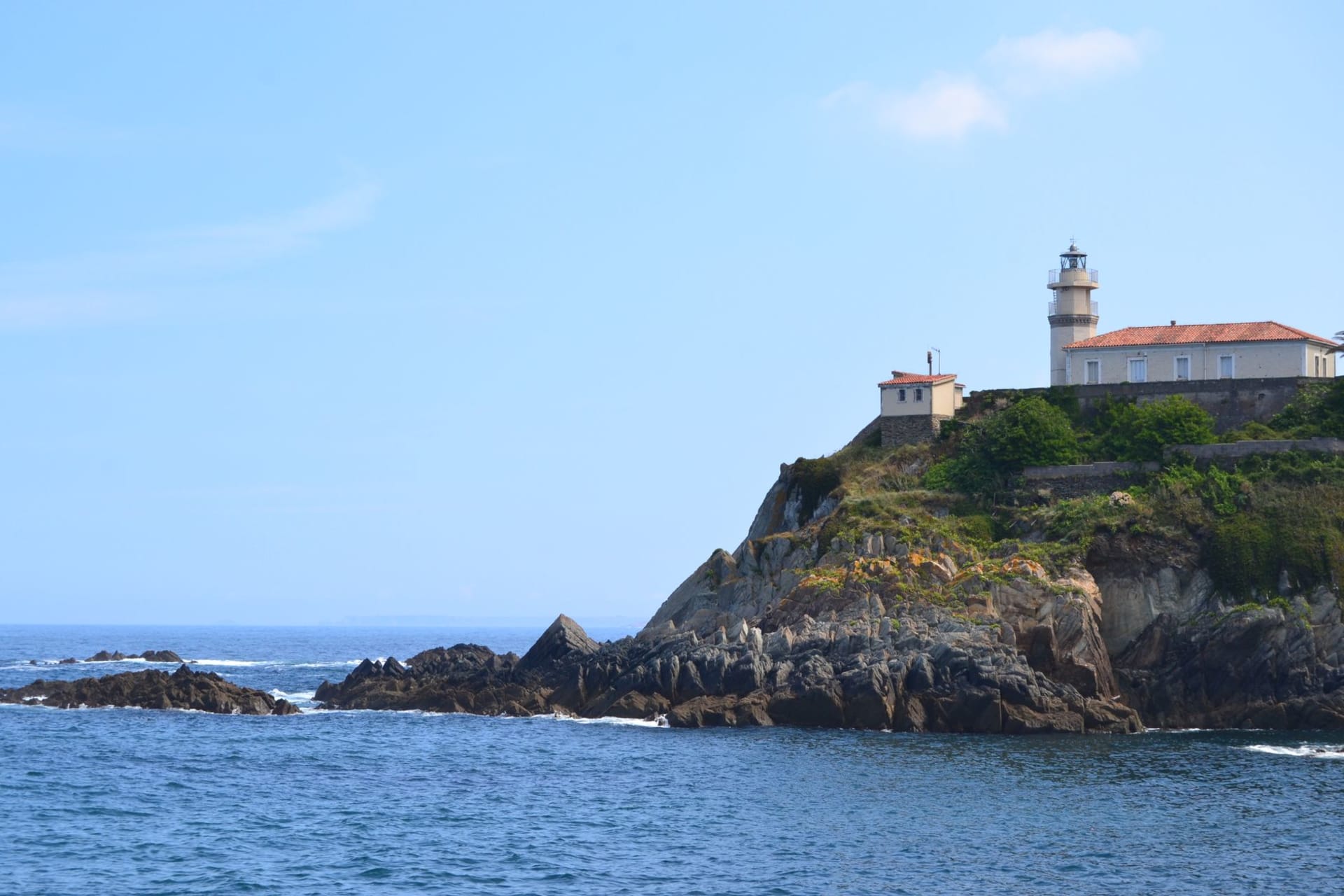
Cudillero
"There's no bad view from Cudillero — every window looks down at the same harbor and it's always correct."
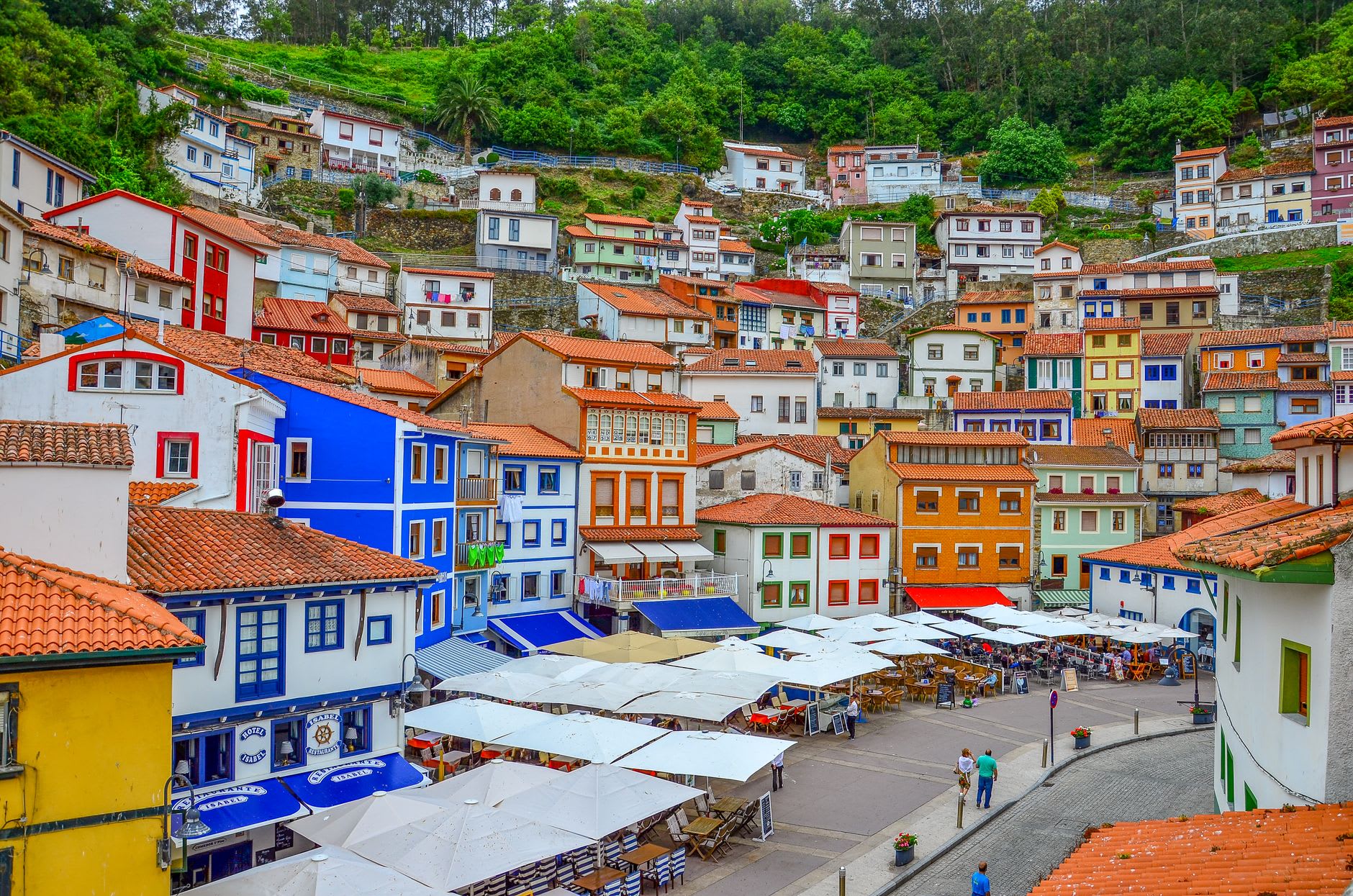
The first time I saw Cudillero I pulled the car over at the top of the descent road and simply stared. The village is built into a cove so steep that the houses don’t line a street so much as they stack — each row of buildings sitting above the next like an audience watching something happen in the harbor below. The houses are painted in the ochres and whites and faded blues that Asturian fishing villages favor, and the whole arrangement looks simultaneously accidental and perfectly composed, as if someone had designed a stage set and then forgotten to tell the buildings they were in it.
You walk down into Cudillero rather than into it, the road descending in tight curves past houses that are three and four stories tall on their downhill faces and ground floor on their uphill sides. The smell of the village at ten in the morning is boat diesel and frying garlic and the specific salt-cold of a working harbor, and these smells mix in a way that is immediately and completely itself.
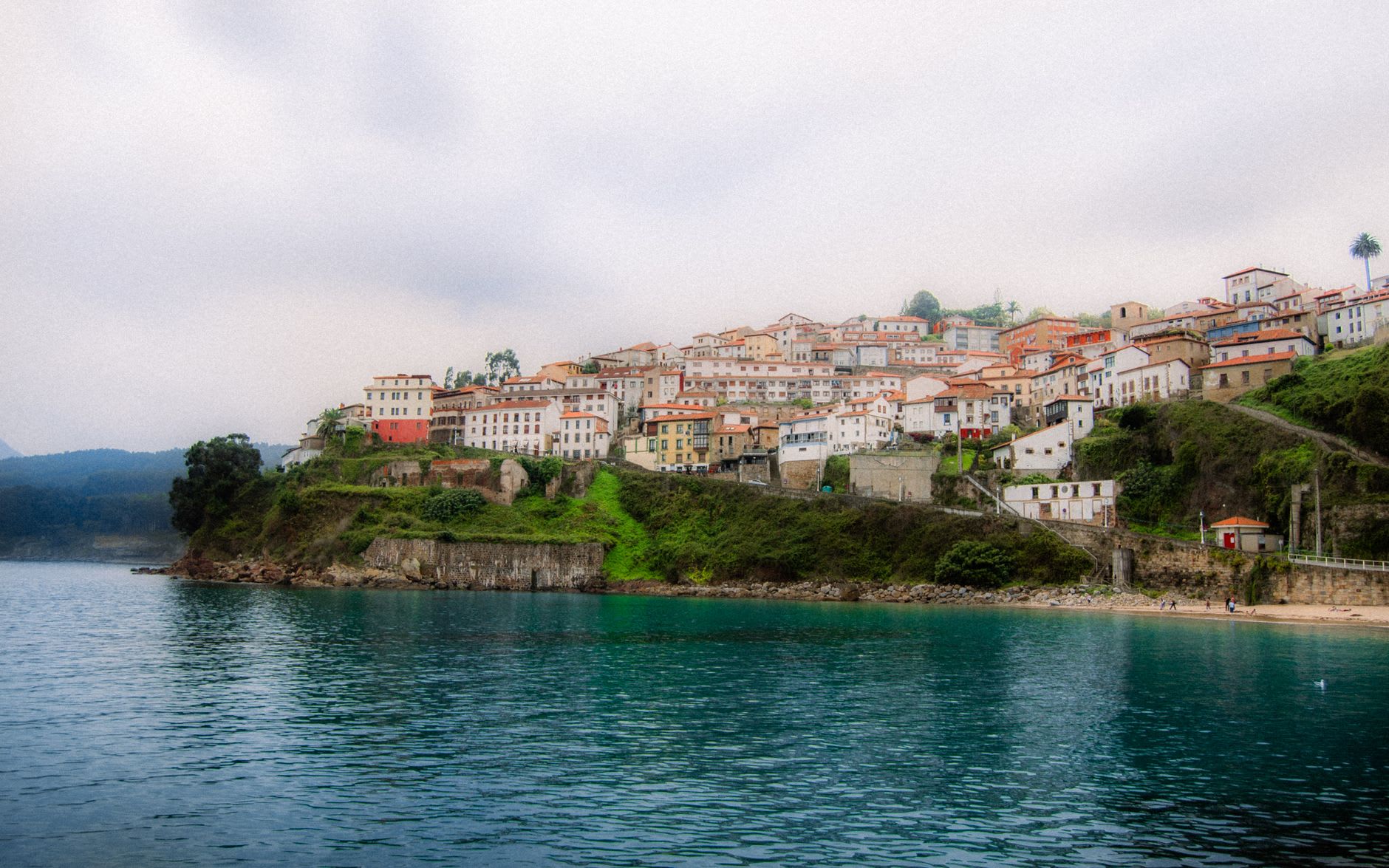
The harbor is small enough that everything that happens in it is visible from everywhere else in the village. When the boats come in from the Cantabrian in the late afternoon — small vessels, painted hull-red and white, their catch already sorted in boxes — you can watch the unloading from the restaurant terraces above. The fish goes almost directly to the restaurants that line the harbor front: merluza a la sidra (hake in cider sauce), pixín al horno (roasted monkfish), and the simple grilled fish preparations that don’t need to be improved because the fish was in the water this morning. I had a plate of grilled sardines at a table six feet from the water that tasted like the sea concentrated into a single clean flavor.
The social life of Cudillero is compressed. The plaza at the top of the descent is where the older men sit in the mornings with the newspaper, and the same bench that looks down the hill at the harbor below has been in use for so long it has worn smooth. The village has a bar that opens at six in the morning for the fishermen and closes late enough that everyone else gets their turn too. It sells coffee, sidra, and bocadillos, and the conversation inside tends to be about the sea.
The surrounding coast has some of the wildest cliff walking on the Asturian shore. The Cabo Busto, fifteen minutes west by car, ends in a headland where the cliffs drop two hundred meters to the sea and on clear days the view west along the coast is uninterrupted for fifty kilometers. There are no guardrails. The grass ends and the rock begins and the rock ends and the Atlantic begins, and the wind at the edge does what it does.
When to go: June for the longest light and the boats still at full operation. July and August work well and the village remains small enough to absorb its summer visitors without changing its nature — there is simply not enough flat space for it to become a resort. September is ideal: the light goes gold, the tourist volume drops, and the village settles back into its own rhythms with the boats coming and going and the fishermen occupying their benches.