Cabo de Peñas
"This is where Spain stops looking south and just stares straight into the Atlantic."
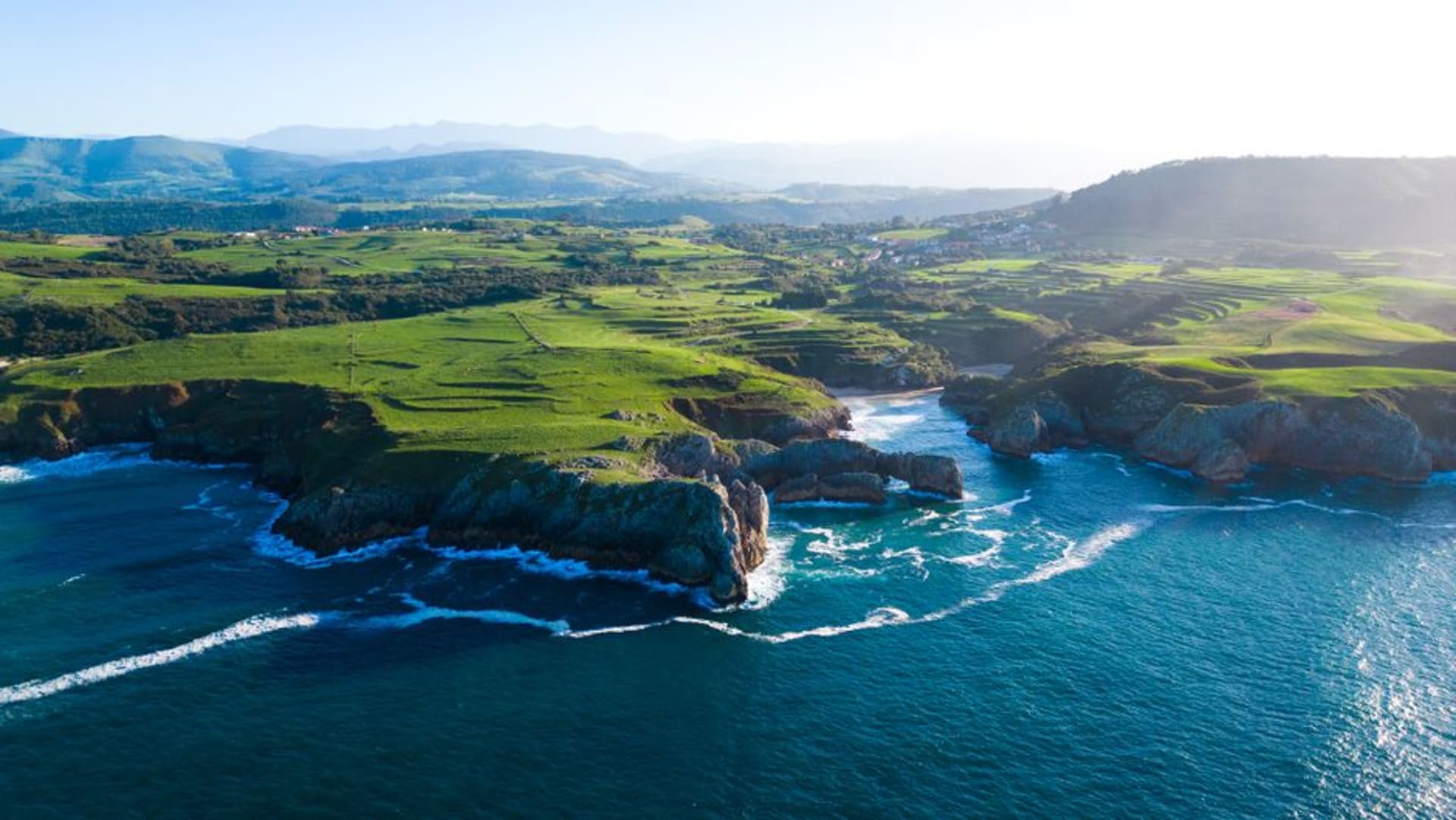
The northernmost tip of Asturias, where cliffs fall into the Bay of Biscay and a 19th-century lighthouse still watches over the fog.
We got to Cabo de Peñas by accident, in a way — Lia had read that it was the northernmost point of Asturias, and we both have this habit of chasing “northernmost” and “southernmost” points wherever we travel, like it means something. It doesn’t, not really, except that it does. Standing at the edge of that headland, with the wind trying to take my jacket off my back and the Bay of Biscay churning grey-green below, I understood why sailors have feared and respected this stretch of coast for centuries. The cliffs don’t slope down to the water here. They just stop, and then there’s air, and then there’s sea.
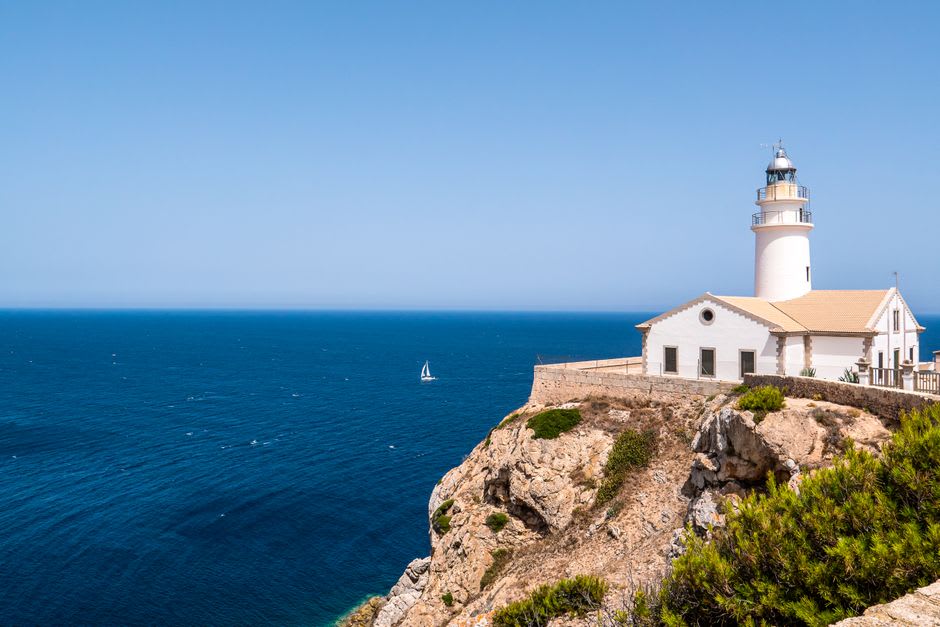
The lighthouse is what pulled me in first. Built in 1852, still working, still doing exactly the job it was built for — which felt almost radical to me, coming from a world where everything gets replaced every few years. I stood next to it for a long time, watching the beam’s housing catch the light, thinking about how many ships this one structure has kept off the rocks. Asturians we spoke to in Candás later told us fog rolls in here fast and without warning, and that the currents around the cape have humbled plenty of experienced captains. You feel that history in the place even without knowing the details — there’s a wariness built into how the land meets the sea.
What surprised me most, honestly, was the birdlife. I’m not a birdwatcher — Lia teases me for not being able to tell a gull from a cormorant half the time — but even I couldn’t miss the colonies nesting along the cliff faces, riding the updrafts in these tight, looping patterns like they were showing off. The whole cape sits inside a protected coastal heathland, and you can feel the difference from more developed parts of the coast: no railings, no gift shop, just gorse and heather clinging to the rock and the birds owning the sky. We sat on a flat stone for maybe twenty minutes just watching them work the wind.
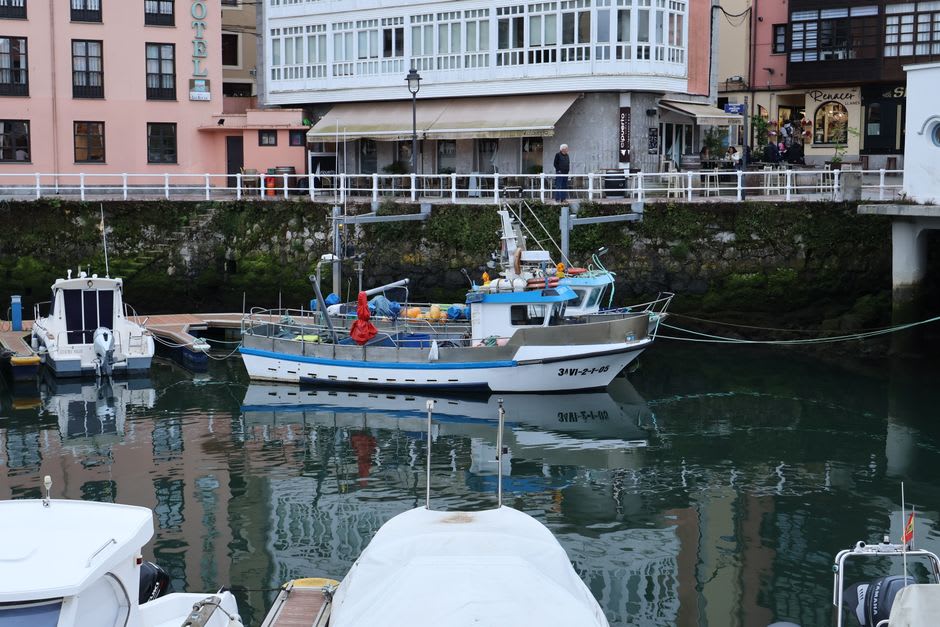
Afterward we drove down into Luanco for lunch, one of those small fishing villages that still feels tied directly to the water just off the cape. I had a plate of fried anchovies so fresh they barely needed the lemon, and Lia had a bowl of fabada that she still brings up when we talk about that trip. It struck me, eating there, how much this cape isn’t just a scenic overlook — it’s a working reference point, something fishermen and maritime traffic in the Bay of Biscay still orient themselves by, the same way they have for generations.
When to go: Late spring through summer, roughly May to September, when the skies tend to stay clearer and the cliffside walks feel far safer — outside that window, the fog Asturians warned us about isn’t just a maritime problem, it’s a hiking one too.