Amberd Fortress
"We ran out of breath before we ran out of switchbacks, and the fortress was still just a smudge on the mountain."
A 7th-century ruin clinging to the slopes of Mount Aragats, where two river gorges once guarded a fortress no army could easily reach.
I’ll admit I underestimated Aragats. On the map, Amberd looks like a short detour north of Yerevan, a quick loop before heading back for dinner. In reality it’s a slow climb to 2,300 meters, the road narrowing and the air thinning as Lia kept checking the temperature gauge on our rental like it owed her an explanation. By the time the fortress walls appeared, dark and jagged against the grass, we’d both gone quiet in that way you do when a place earns its silence.
What struck me first wasn’t the fortress itself but the site the Kamsarakan dynasty chose for it in the 7th century — a narrow spur where two rivers carve their gorges deep enough that you don’t need much imagination to understand why nobody could just walk in. Lia stood at the edge for a long time, looking down at the drop, and said it felt less like a castle and more like the mountain had simply agreed to defend itself. When the Pahlavuni family later took over the site, they added the basalt church of Saint Astvatsatsin in 1026, and it’s the one part of Amberd that still feels whole — dark stone, a small dome, cool air inside even in July.
We spent a while poking around what’s left of the bathhouse, which honestly took me by surprise. I hadn’t expected a fortress this high up, this exposed, to have had running water piped in through an aqueduct — but it did, and standing over those stone channels I found myself thinking about the sheer stubbornness of building something so comfortable somewhere so hostile. Lia, more practical than me, just wanted to know where the well was so she could refill her bottle. There wasn’t one anymore, obviously. Just the outline of ambition in the rock.
The Mongols ended all of it in the 14th century, and what’s left now is a ruin that doesn’t pretend otherwise — no reconstruction, no gift shop trying to sell you a version of the past. We sat on a low wall as the light went gold over the Aragatsotn valley below, sharing the last of some lavash and cheese we’d bought in a village on the way up, and I remember thinking this was one of the few places I’d been where the emptiness felt like the whole point.
When to go: Aim for June through September — any earlier and the upper reaches of Aragats are still locked under snow, and the road up simply isn’t passable. We went in late July and even then the wind at the top had a bite to it, so bring a layer.
Keep exploring
More from Armenia
 armenia
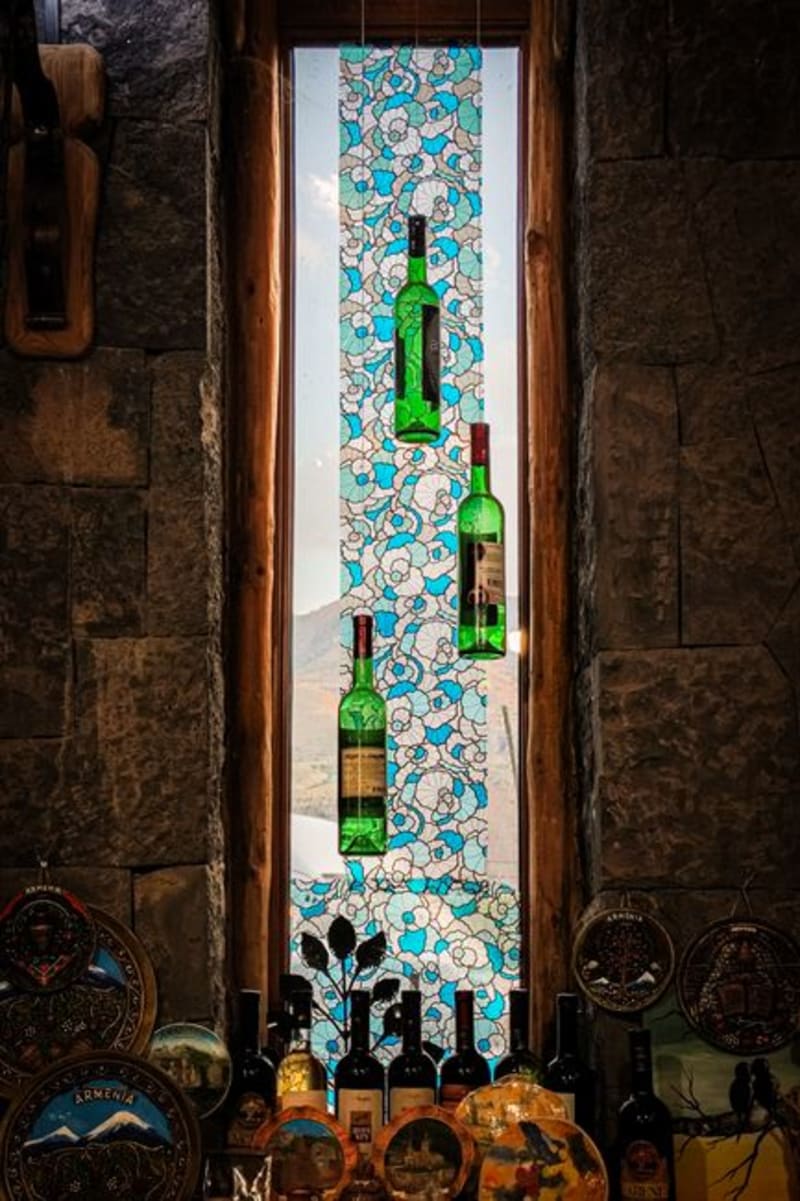
 Areni
A village in the Arpa River valley where locals still press Areni Noir grapes a few steps from the world's oldest known winery.
Explore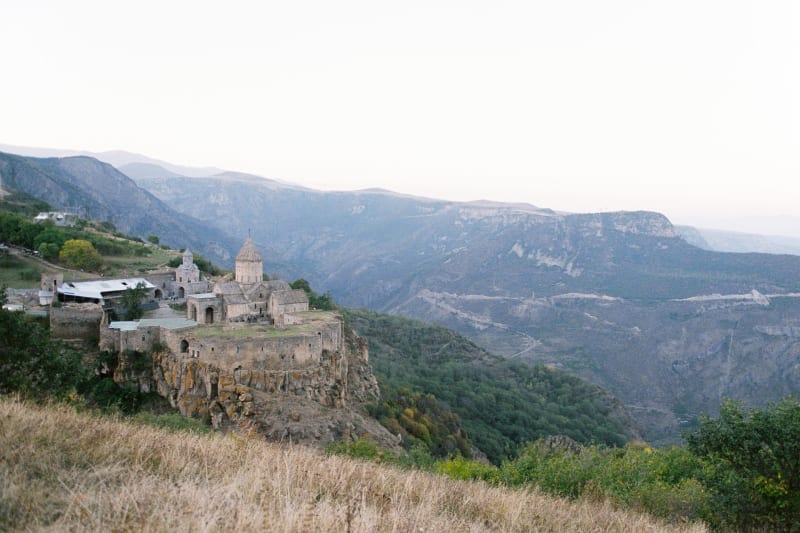 armenia
 Debed Canyon
A deep river gorge in Armenia's far north where two UNESCO-listed monasteries cling to forested cliffs and a Soviet-era railway threads the valley below like something from another century.
Explore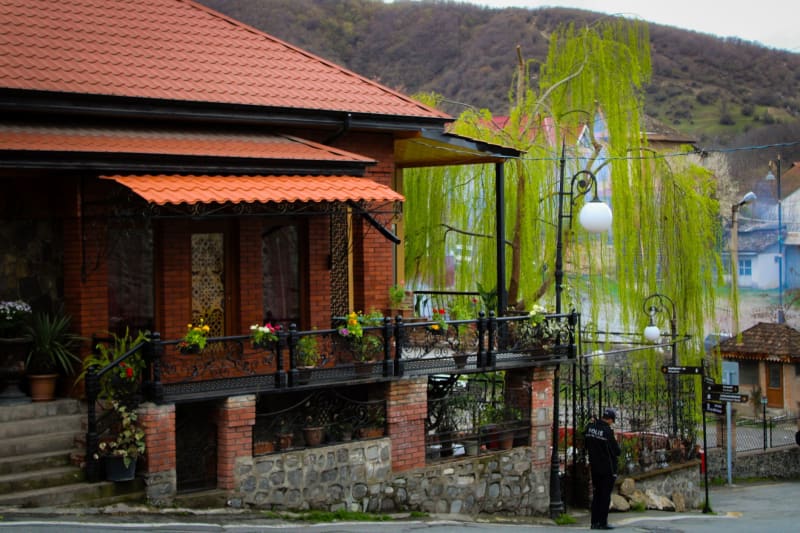 armenia
 Dilijan
A small forest town in northern Armenia where Soviet-era sanatoria dissolve into beech woods and the air smells permanently of pine resin and wood smoke.
Explore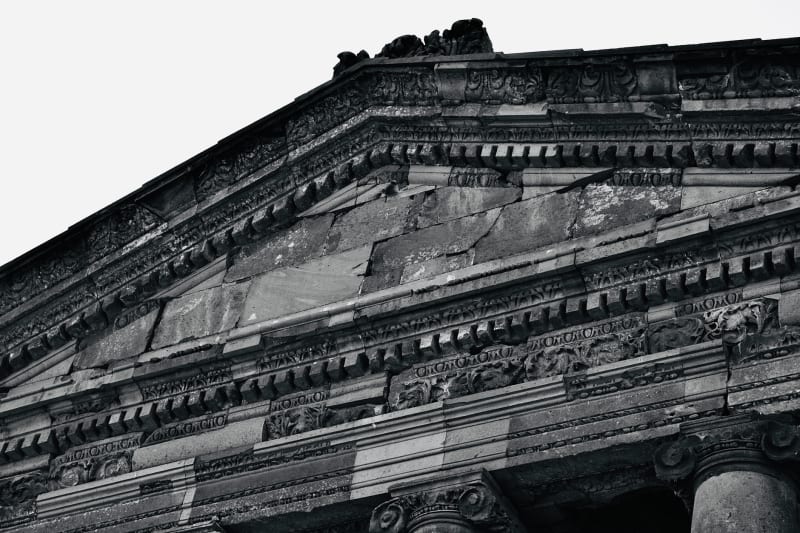 armenia
 Garni
A pagan Greco-Roman temple perched above a volcanic basalt gorge, impossibly intact, impossibly strange, twenty minutes from Yerevan.
Explore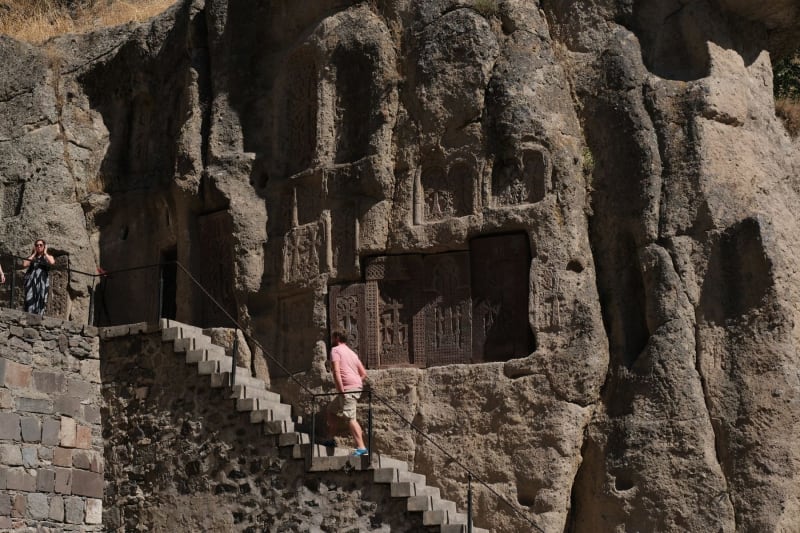 armenia
 Geghard Monastery
A medieval monastery partly carved from a cliff face in a gorge — UNESCO heritage, still active with prayer.
Explore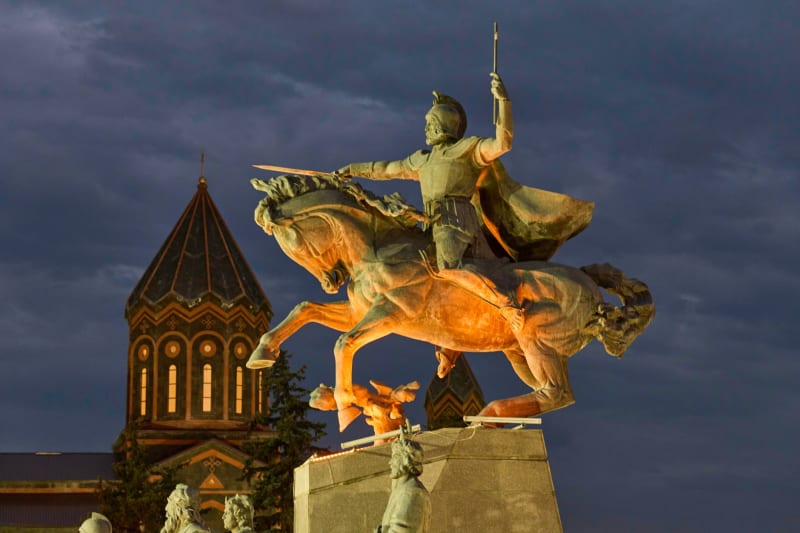 armenia
 Gyumri
Armenia's battered second city, rebuilt in black tuff stone after a devastating earthquake, where Soviet grandeur and café culture coexist with a dark sardonic humor that locals wear like a second skin.
Explore