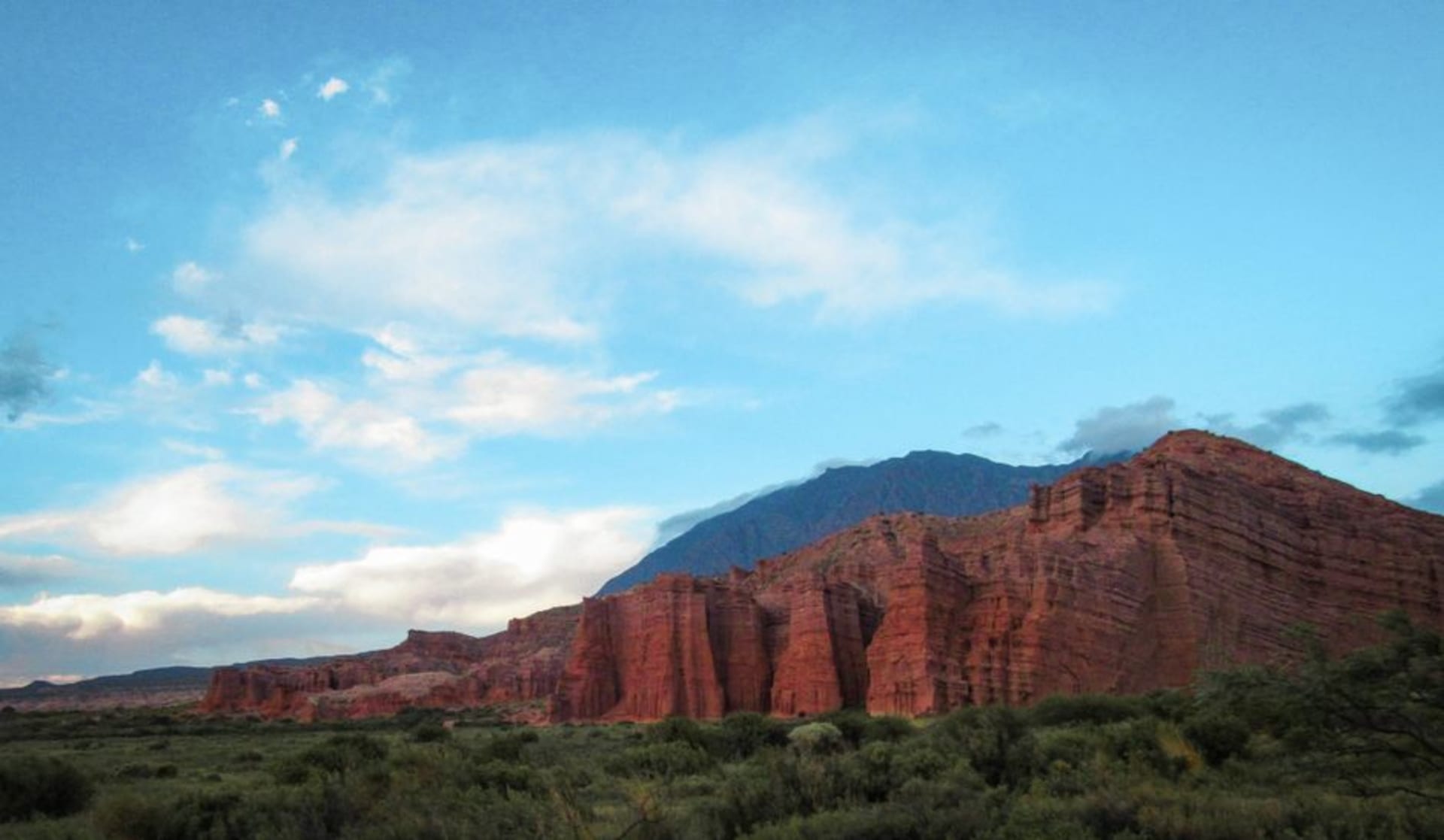
Viedma
"Viedma almost became Argentina's capital. Instead it became one of the calmest cities I've visited in the country."
The quiet river capital of Rio Negro province, once slated to become Argentina's new federal capital.
Viedma is a city with an unfulfilled destiny, and once Lia and I learned that, we couldn’t stop noticing its traces everywhere — in the wide avenues that seem built for a bigger population, in the slightly formal civic architecture, in the general sense of a place that had once expected more of itself.
The Capital That Never Was
In 1986, President Raúl Alfonsín announced a plan to relocate Argentina’s federal capital from Buenos Aires to Viedma and its twin city Carmen de Patagones across the river, aiming to decentralize power and draw development toward Patagonia. The project stalled amid economic crisis and was eventually abandoned, but not before Viedma had already been reshaped around the idea — broader streets, a planned government quarter, an ambition baked into the urban layout that never got its intended payoff. Walking through downtown, that unfinished grandeur is oddly moving rather than sad.
Life Along the River
What Viedma actually offers, capital or not, is a genuinely pleasant riverside life. The Rio Negro is wide and slow here, and the costanera, the riverside promenade, fills up every evening with joggers, fishermen, and families out for ice cream as the light goes gold over the water. Lia and I rented bikes and rode the full length of it one evening, crossing the bridge into Carmen de Patagones, the older colonial town on the opposite bank, founded in 1779 and one of the oldest continuous settlements in Patagonia.

Carmen de Patagones has a genuinely historic core — steep stone streets, a fort, a museum commemorating the 1827 naval battle in which local militia repelled a Brazilian invasion fleet, a detail that surprised me given how little that history registers outside the region. We ate dinner on the Viedma side, at a restaurant overlooking the river, and talked about how strange it is that a city built for national significance ended up, instead, just a very good place to watch a sunset.
When to go: Spring and autumn (September to November, March to May) offer the mildest river-walking weather. Summer gets hot for a Patagonian city, though the riverside breeze keeps it manageable most evenings.