Tinogasta
"Every green thing in Tinogasta is an argument someone won against the desert."
A desert oasis wine town in Catamarca province where poplar-lined irrigation channels turn hard country green.
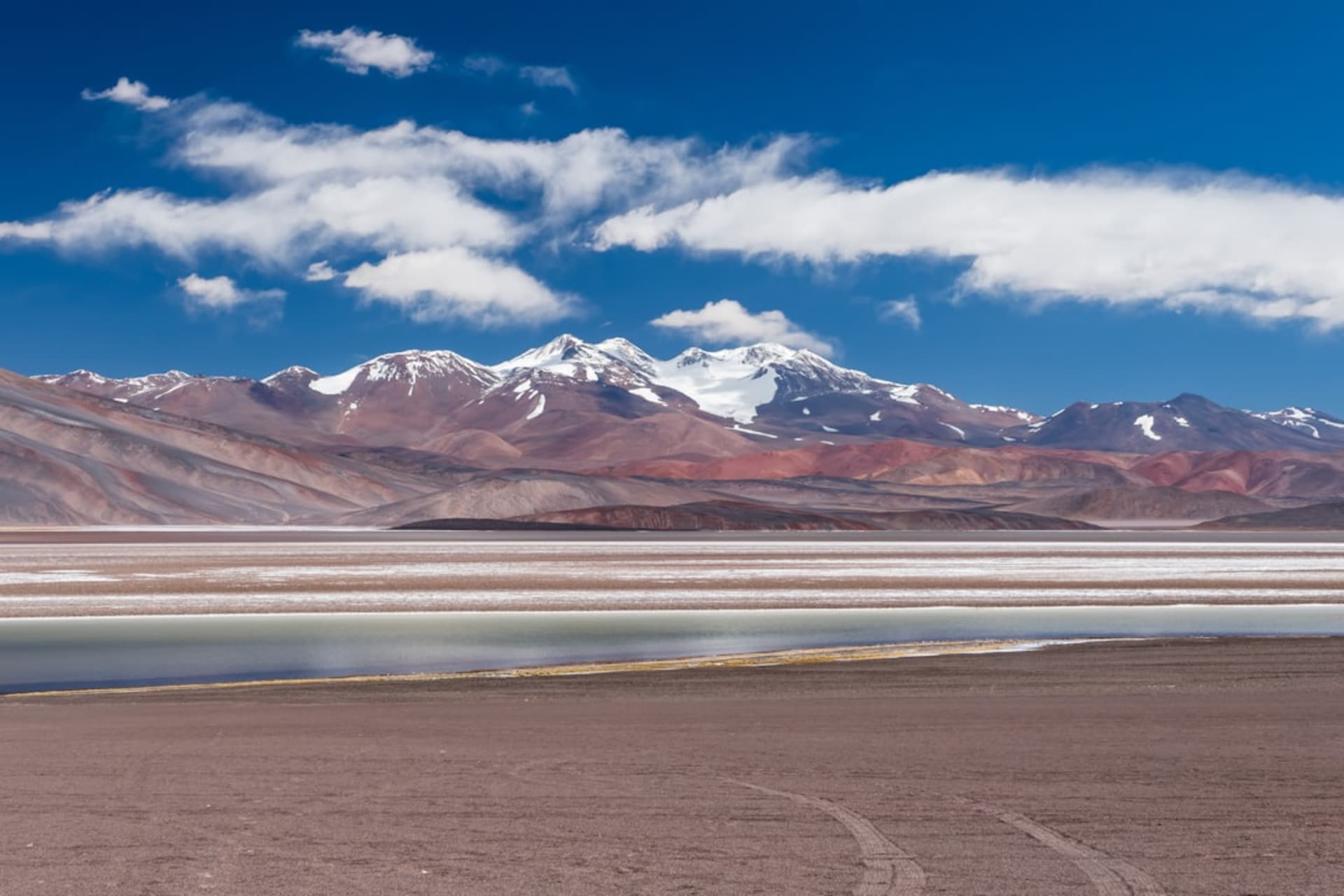
Driving into Tinogasta from the surrounding desert, there’s a specific moment where the color changes — brown, brown, brown, and then abruptly a wall of poplar trees and vine rows so green it looks almost artificial against the ochre hills. That transition is the whole story of the town, really: a fight for water, won repeatedly, for a very long time.
Water as Architecture
The valley is fed by channels that trace back to pre-Hispanic irrigation systems, expanded and maintained by generations of Tinogasta families who treat water rights with the seriousness other places reserve for property law. I asked a vineyard owner how the allocation worked and got a twenty-minute answer involving turnos, ancestral shares, and a system of sluice gates that predates any government office currently in charge of it. Lia, taking notes for reasons I still don’t fully understand, filled half a notebook page.
Wine at the Edge of the Possible
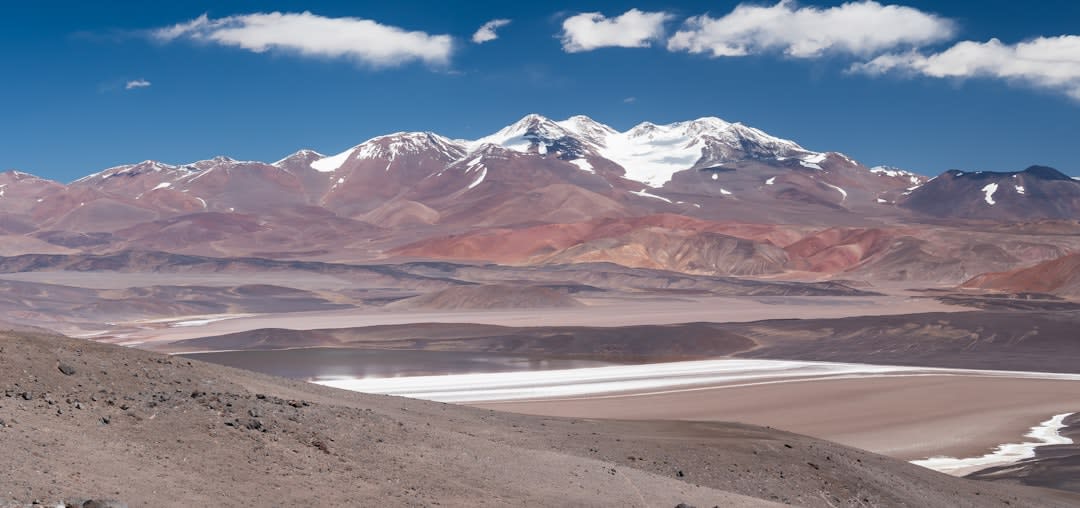
Tinogasta sits in one of the most extreme wine-growing environments in Argentina — high altitude, minimal rainfall, huge daily temperature swings between scorching afternoons and cold desert nights. That stress produces wines with an intensity that surprised me, a torrontés with more backbone than Cafayate’s, a cabernet sauvignon that tasted like it had fought for every gram of sugar in the grape. At a small bodega on the edge of town, the winemaker told me flatly that easy grapes make boring wine, then poured me a glass that argued his point rather well.
Fiambalá and the Dunes Nearby
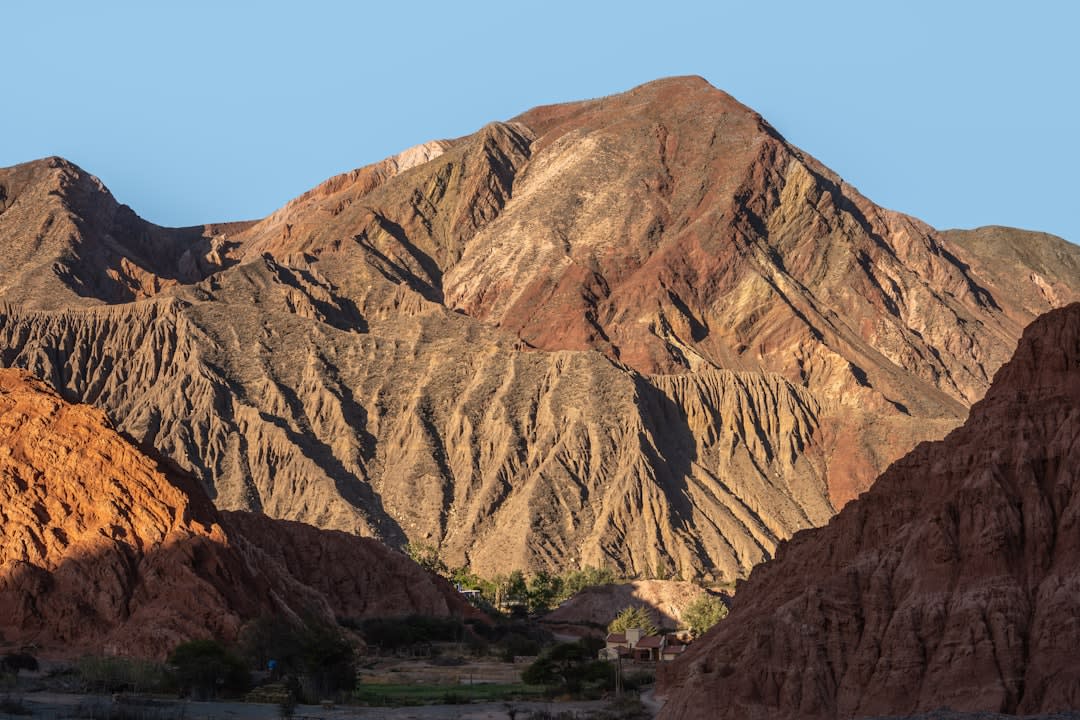
Just south of Tinogasta, the road continues toward Fiambalá and the Médano Grande dune field, sand dunes rising unexpectedly out of the same desert that surrounds the oasis. I didn’t have time to properly explore them on this trip, which gave me one more reason, alongside a dozen others, to plan a return.
When to go: March through May for harvest season and the mildest temperature swings; September and October also offer good conditions before the intense summer heat arrives.