San Salvador de Jujuy
"Everyone treats it as a gas station on the way to the Quebrada. I treated it as a city worth a full day."
Jujuy's understated provincial capital, a colonial city of cathedrals and hillside barrios that most travelers rush straight through.
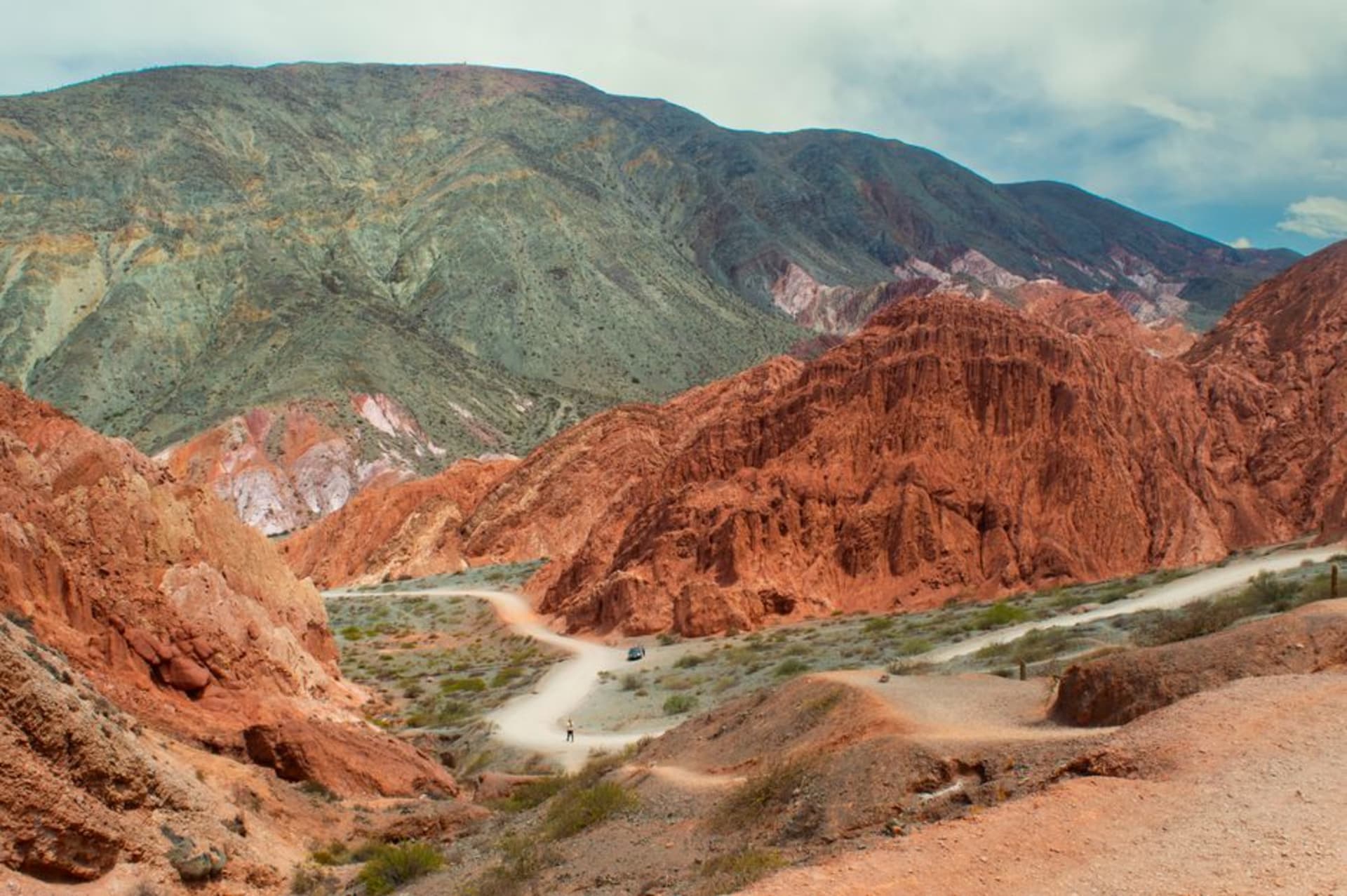
Almost every itinerary for northern Argentina lists San Salvador de Jujuy as a stopover — the place you land, rent a car, and leave within the hour. I understand the impulse. It’s not Salta, which has polish and postcard plazas built for tourism. Jujuy’s capital is rougher, more lived-in, and I liked it for exactly that reason. This is a working provincial city of around 280,000 people at 1,260 meters, ringed by green hills that stay surprisingly lush compared to the arid Quebrada just to the north.
The Cathedral and the Center
The Catedral de Jujuy, on Plaza Belgrano, holds the city’s one unambiguous showstopper: a gilded wooden pulpit, carved by indigenous artisans in the 18th century under Jesuit and Franciscan direction, so intricately covered in gold leaf that guidebooks call it one of the finest examples of colonial religious art in South America. I stood in front of it longer than I expected to, the kind of ornate labor that photographs badly and needs to be seen in person to register.
A few blocks over, the Museo Histórico Provincial occupies the house where Argentine independence hero Lavalle died, and the exhibits trace the region’s role in the wars of independence with more nuance than I expected from a provincial museum. Lia, who studies this era more than I do, spent almost two hours there and came out with opinions.
Barrio Alto La Viña and the Market
We wandered up into Barrio Alto La Viña in the late afternoon — a hillside neighborhood of narrow cobbled streets and small adobe houses that climbs steeply above the center, offering views back down over the city’s rooftops toward the surrounding hills. It’s residential, unpolished, and nobody there was selling us anything, which after days of tourist markets up north felt like its own kind of relief.
The Mercado del Sur, meanwhile, is where the city actually eats — humitas and tamales steamed in corn husks, sold from stalls that have clearly been run by the same families for generations, at prices that made me do a double take at the receipt.
When to go: April through October for dry, mild weather. The city sits low enough in elevation to be comfortable even when the surrounding highlands turn brutally cold.