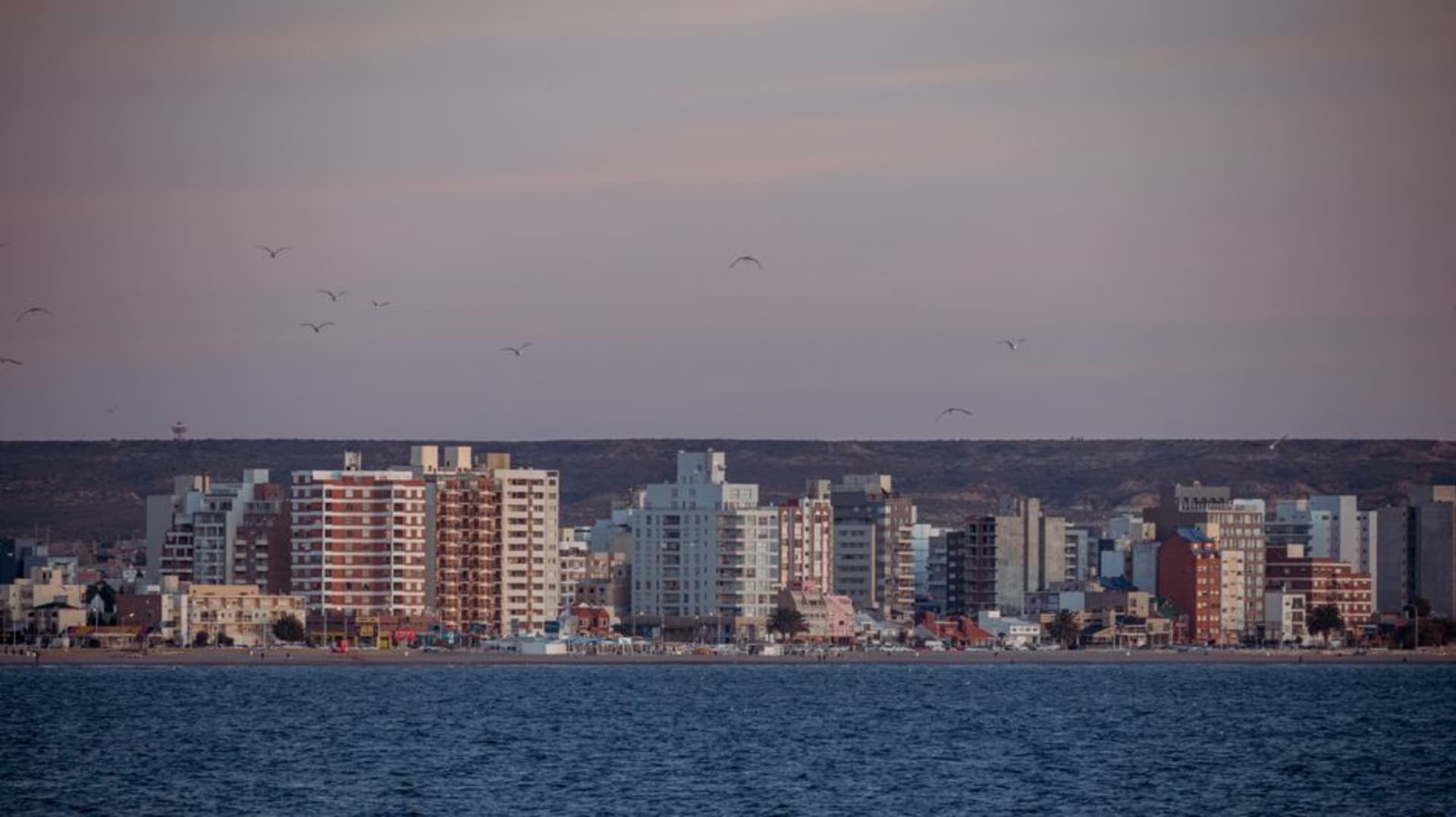
Puerto Madryn
"Puerto Madryn doesn't perform for visitors. It just happens to sit beside one of the best whale nurseries on the planet."
A low-key Atlantic coastal city in Chubut that serves as the gateway to whale watching and the wildlife of Peninsula Valdés.
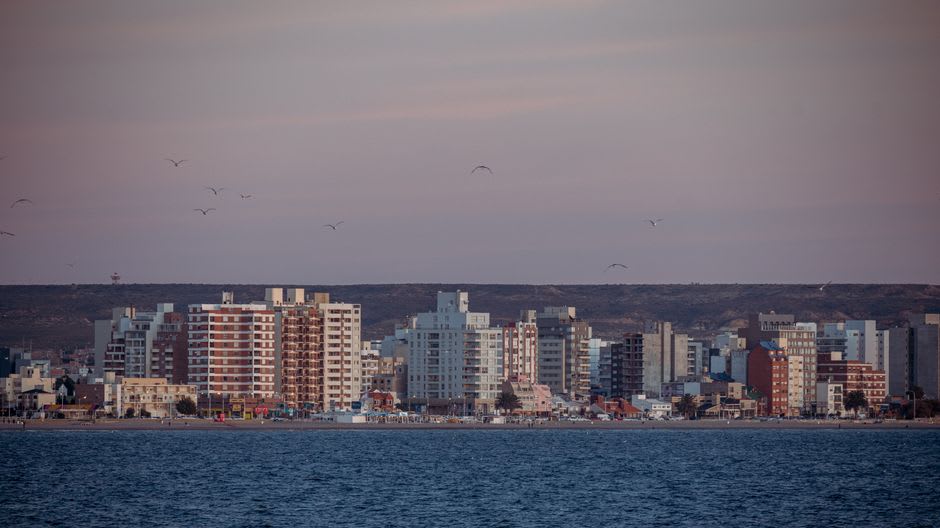
Puerto Madryn is not, on its own, a dramatic town. It’s a working coastal city with a long beachfront promenade, a fishing fleet, and an economy still shaped by the aluminum plant on its outskirts. Lia and I almost treated it as a place to sleep between the airport and Peninsula Valdés, and I’m glad we didn’t fully write it off, because the town has a rhythm worth a day of its own before the wildlife takes over.
A City Built on a Welsh Landing
Puerto Madryn was founded in 1865 as the landing point for the first Welsh settlers who came searching for a place to practice their language and religion without English interference. There’s a stone monument on the beach marking exactly where they came ashore, and standing there, looking at the same grey-green water they crossed an ocean to reach, I found it more moving than I expected from a plaque and some rocks. The Welsh moved inland to the fertile Chubut valley within a year, but the port they founded grew into this city.
Gateway, Not Afterthought
Every operator running whale-watching trips to Peninsula Valdés or excursions to Punta Loma, a sea lion colony just twenty minutes from downtown, is based here, and that gives the city an easy, practical energy — dive shops, tour offices, seafood restaurants that fill up with guides comparing notes on where the whales were spotted that morning. We ate grilled merluza at a spot on the waterfront where the fisherman who’d caught it that day was having a beer two tables over.
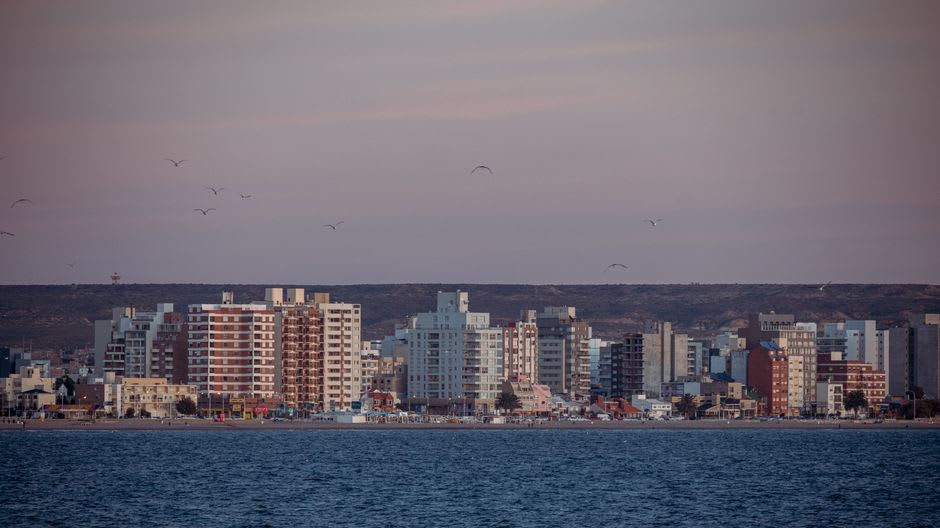
Lia went diving at Punta Loma’s underwater reserve while I walked the full length of the beachfront path, past joggers and fishermen and a surprising number of murals dedicated to the town’s Welsh and Indigenous Tehuelche history. It’s not a place that demands attention, and that made it easy to actually pay it some.
When to go: June through December for whale season, with September and October offering the best combination of calm seas and newborn calves close to shore. The town itself is pleasant nearly year-round, though the Patagonian wind never fully takes a day off.