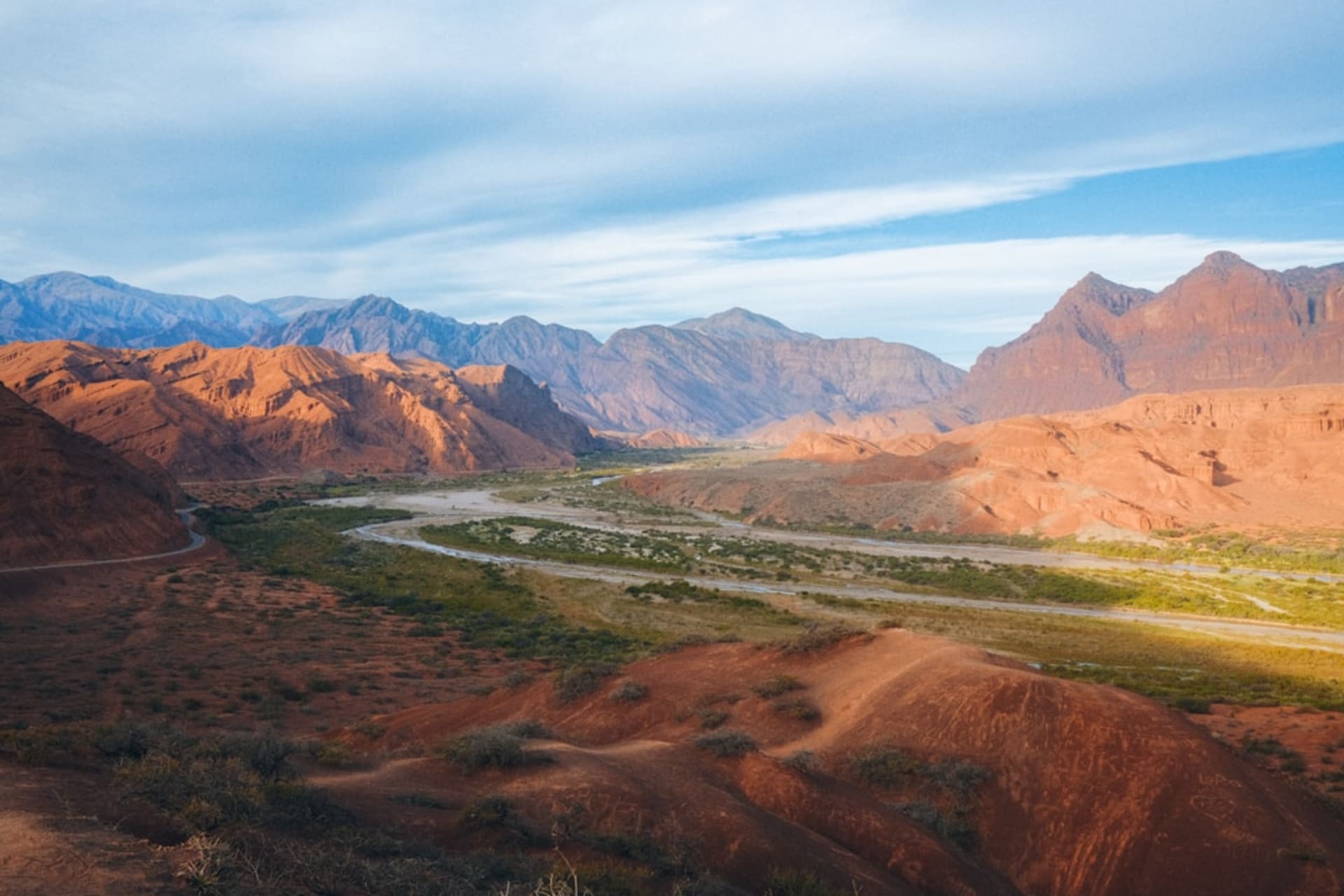
A remote southern Mendoza town, gateway to the volcanic Payunia reserve and some of the darkest skies in Argentina.
By the time you reach Malargüe, you’ve left wine-country Mendoza far behind. This is a working ranching town in the province’s remote south, four hours from the city on roads that get progressively emptier, and it exists mostly as a staging point for two things most travelers never make it far enough to see: the Payunia volcanic reserve and some of the clearest night skies on the continent.
Payunia’s Volcanic Field
Payunia holds the highest concentration of volcanic cones anywhere in South America, over 800 of them scattered across a black lava landscape that looks less like Argentina than like photographs of Mars. We took a full-day 4x4 tour out into the reserve, past herds of wild guanaco that barely reacted to the vehicle, stopping at craters and lava tube formations that our guide clearly never tired of explaining. Lia called it the strangest landscape of the entire trip, and after Patagonia and the Andes, that was saying something.
A Sky Built for Watching
Malargüe’s isolation and clean air made it the natural choice for the Pierre Auger Observatory, a cosmic-ray detection project spread across hundreds of square kilometers outside town, and the same conditions make for extraordinary stargazing. We drove out one night with a local astronomy guide who set up a telescope on the dry, flat ground and talked us through the southern sky for two hours, the Milky Way overhead thick enough that it looked almost solid.
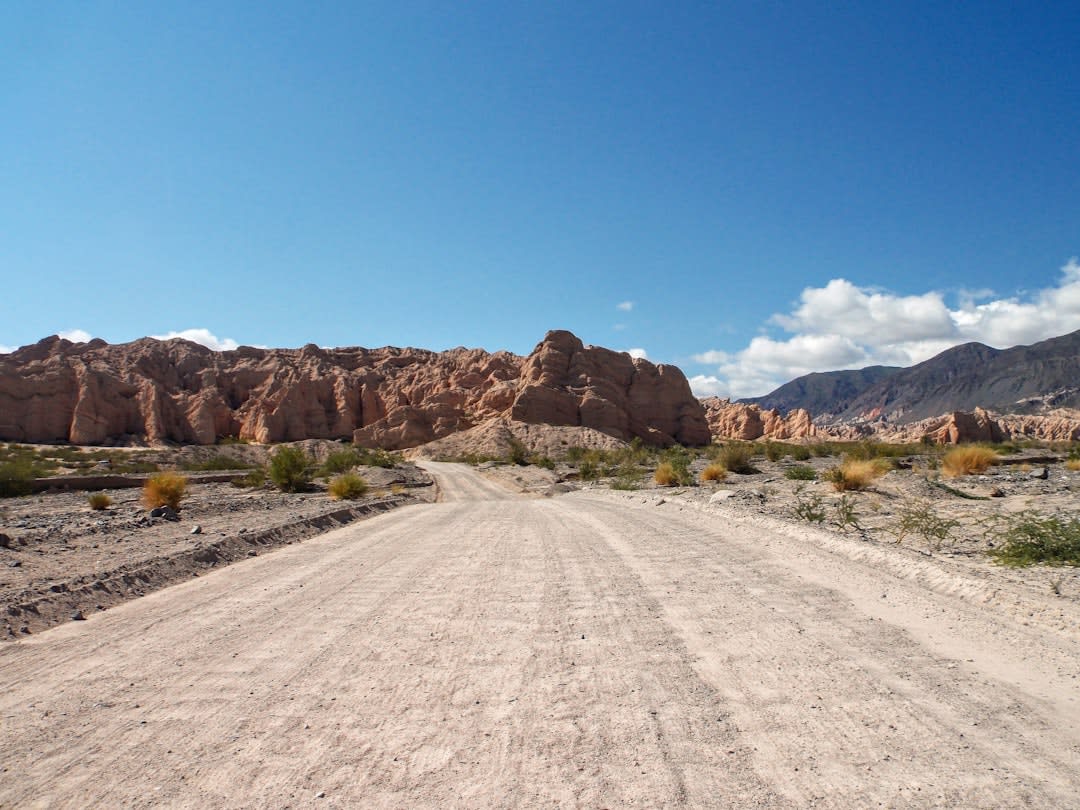
The town itself is unpretentious — a modest plaza, asado restaurants that cater to ranchers rather than tourists, and a general sense that we had wandered somewhere most travelers skip entirely. I was glad we hadn’t.
When to go: October through April for accessible roads into Payunia and warmer nights for stargazing; new-moon periods in any season offer the darkest skies for astronomy tours.