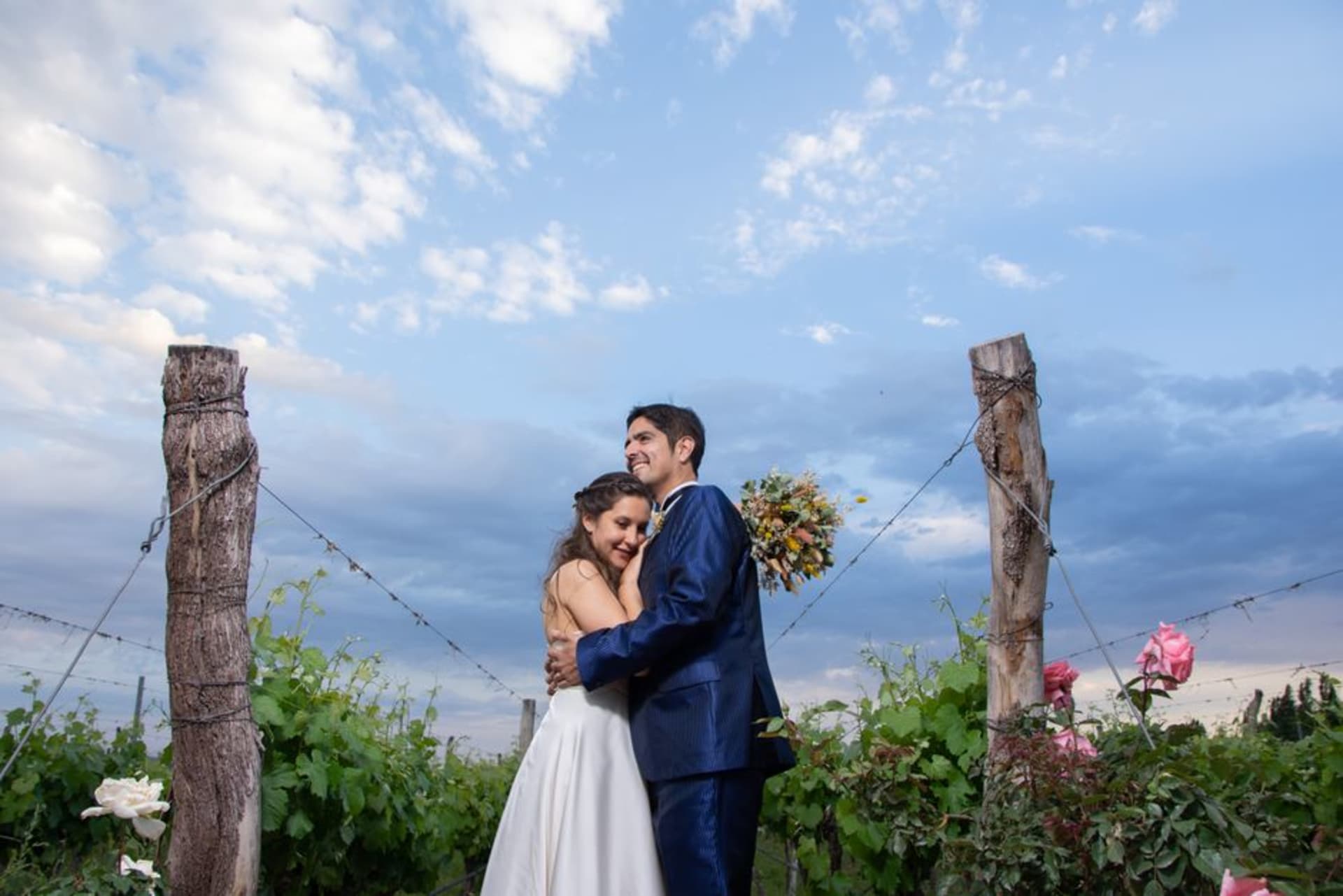
Mendoza's premier Malbec appellation, where the province's oldest and most prestigious bodegas cluster along tree-lined lanes.
Luján de Cuyo is the answer every serious Malbec drinker eventually has to reckon with. This is where the grape found its footing in Argentina over a century ago, in soils that combine alluvial rock with the kind of relentless sun that makes a wine taste concentrated without tasting heavy. Lia, who came into this trip mildly skeptical of “wine tourism” as a concept, left Luján de Cuyo asking when we could come back.
Bodegas Like Cathedrals
Some of the wineries here were clearly built to be visited, and they do not hide it. Catena Zapata’s pyramid-shaped building, modeled on pre-Columbian temples, sits at the end of a cypress-lined driveway that makes the approach feel ceremonial before you’ve tasted a drop. Inside, the vertical tastings trace the same vineyard across vintages, which is a more interesting education than any single glass could offer.
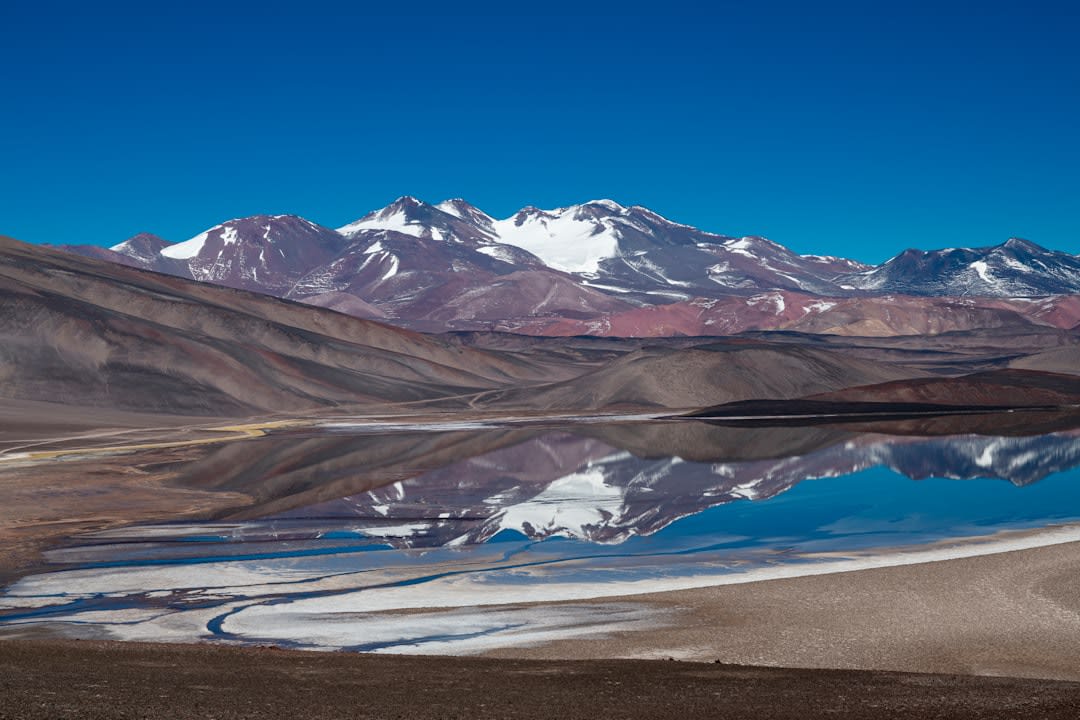
Other bodegas keep it deliberately unpolished. At a smaller, family-run producer off Ruta 15, the owner walked us through a cellar that still had his grandfather’s tools mounted on the wall, more museum than marketing.
Agrelo and the Old Vines
The Agrelo district within Luján de Cuyo holds some of the oldest Malbec vines in the country, gnarled and low to the ground in a way that younger, trellised vineyards elsewhere in Mendoza don’t share. Walking between the rows at golden hour, with the Andes turning pink behind them, is the single image most people picture when they imagine Argentine wine country — and for once, the reality matched the imagination.
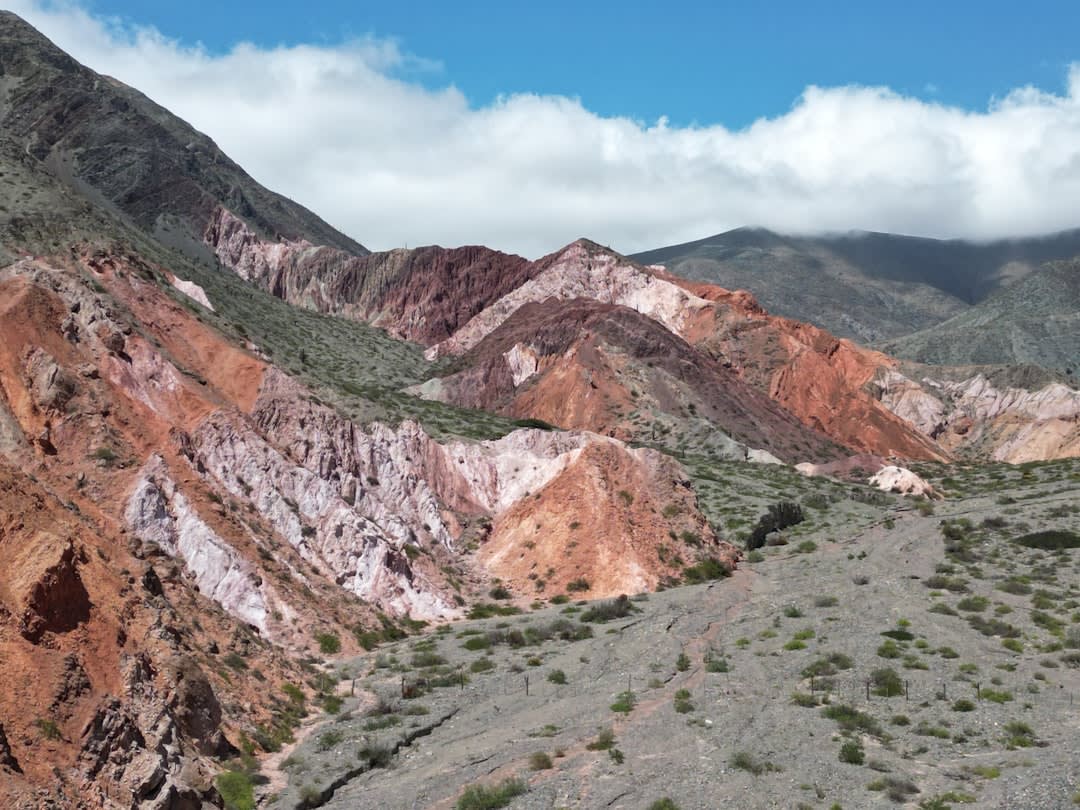
When to go: March through April during harvest, when the bodegas run informal grape-stomping events; September through November for spring warmth and thinner crowds at the marquee wineries.