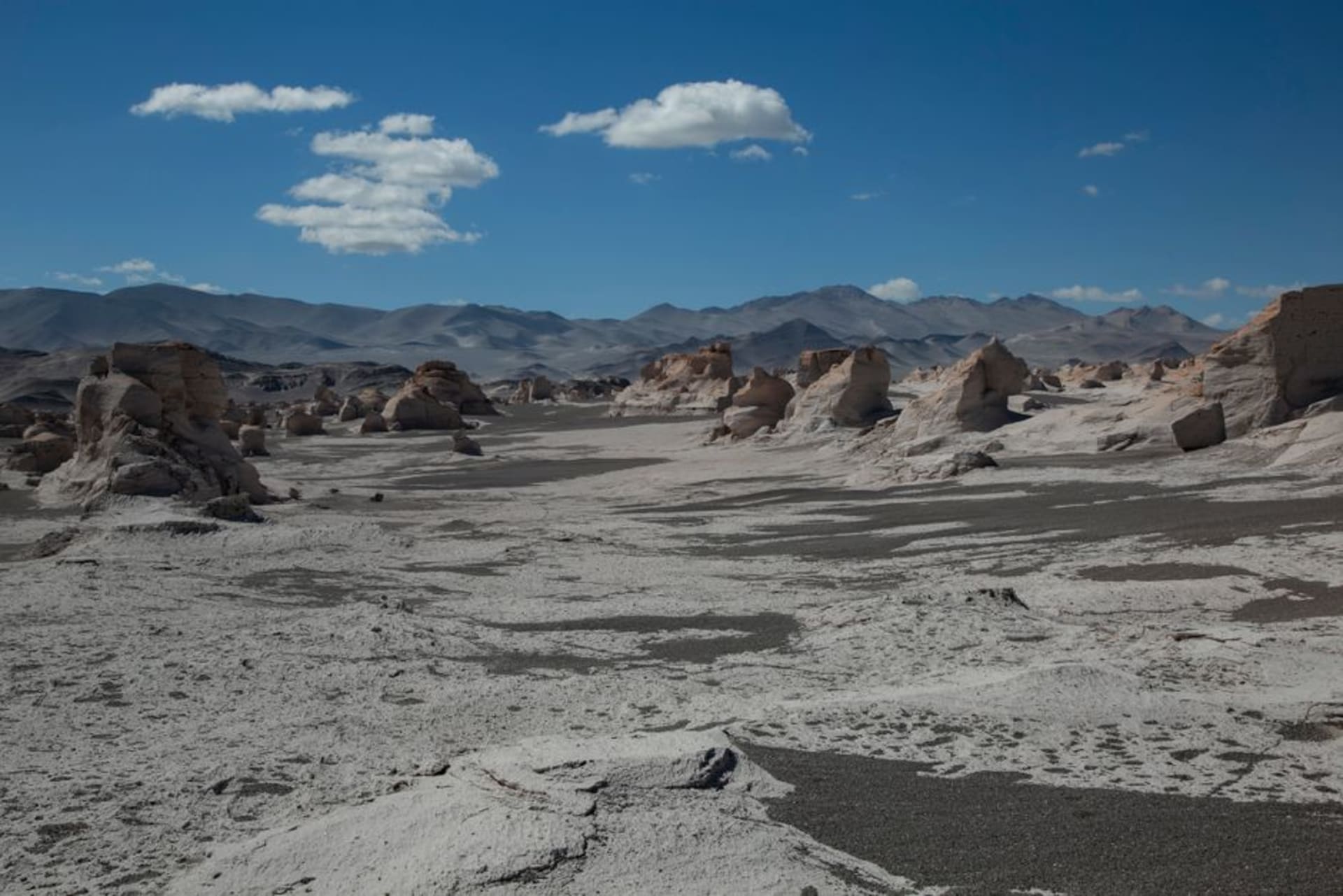
Argentina's northernmost border town, a windswept outpost on the Bolivian frontier at the edge of the Puna.
There is no real reason to end up in La Quiaca unless you’re crossing into Bolivia or you’ve decided, as I had, that the far edge of a country is worth seeing on its own terms. At 3,442 meters, right up against the border, it is the last town in Argentina before Villazón takes over on the other side of a narrow international bridge, and it has the particular flatness of light and mood that border towns tend to share the world over — functional, a little worn, entirely unconcerned with charm.
The Border Itself
I walked out to the Puente Internacional in the late morning, more out of curiosity than necessity, and stood roughly in the middle of it for a few minutes — one foot in each country, more or less, though the actual line is marked with less ceremony than you’d expect. Vendors on both sides sell essentially the same goods: coca leaf, cheap electronics, dried llama meat. Lia struck up a conversation with a woman selling alfajores from a cart, who had crossed that bridge, by her count, every day for eleven years.
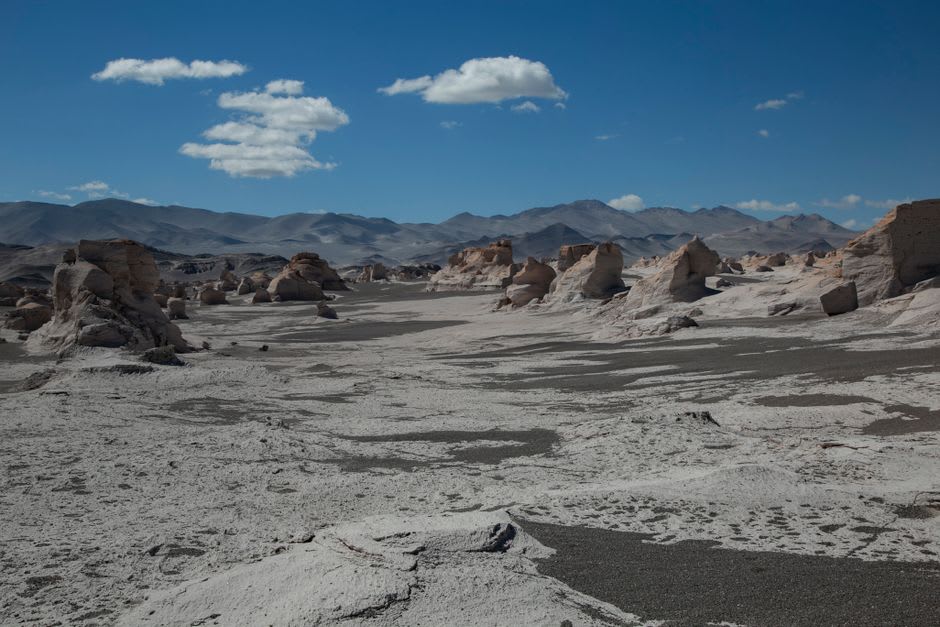
The Puna Beyond Town
What justified the trip for me wasn’t the border but the landscape around it — the Puna, the high Andean plateau that stretches out in every direction, flat and vast and the color of dried grass under an enormous sky. The altitude here (we’re above 3,400 meters) makes the light do strange things: everything looks closer than it is, and the horizon seems to curve. Herds of llama and vicuña graze on scrub that looks incapable of feeding anything, tended by herders in wide-brimmed hats who barely look up as cars pass.
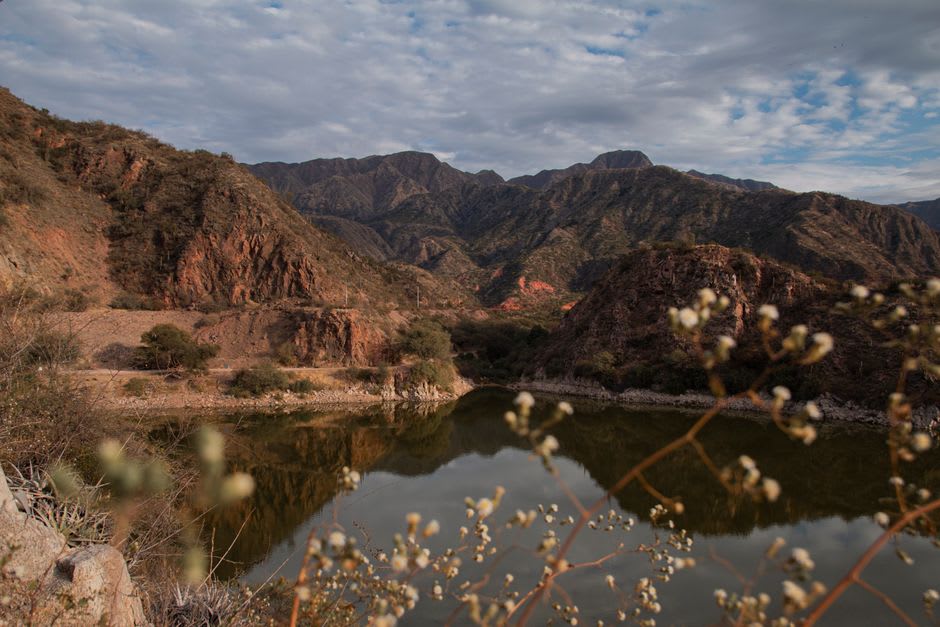
The town’s own market, a block from the railway station, is worth an hour — Bolivian and Argentine goods mix in a way that reminds you borders are administrative more than cultural up here. We bought a bag of quinoa and a poncho neither of us needed, mostly because the vendor’s argument for both was so good.
When to go: May through September, the dry winter months, when days are cold but clear. The altitude means nights drop well below freezing year-round, so pack accordingly regardless of season.