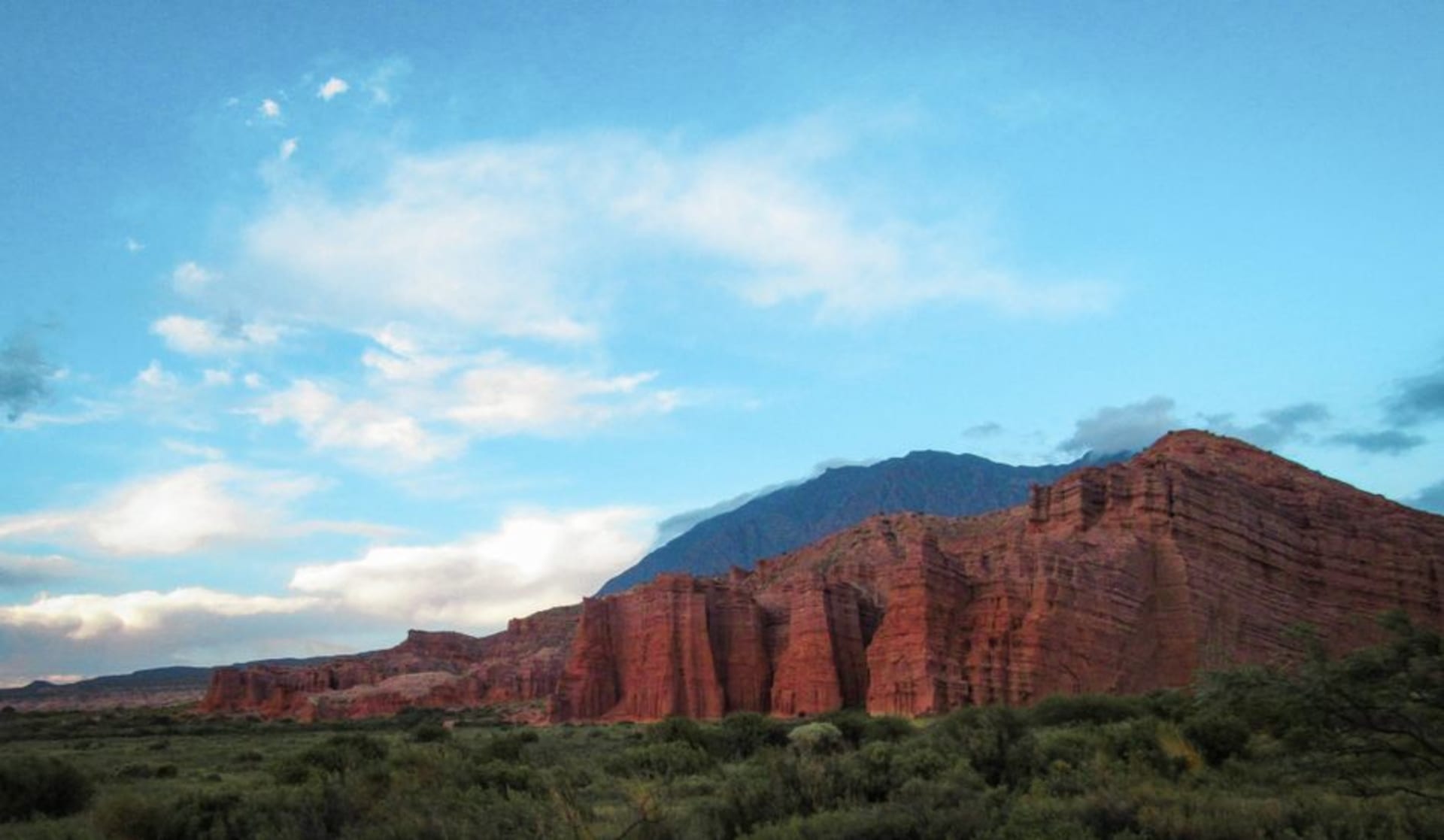
Iruya
"The road nearly convinced me to turn back. The town convinced me to stay three extra days."
A remote cliffside village reached by a single dirt road over a 4,000-meter pass, holding onto Andean tradition more tightly than anywhere else in Salta.
The road to Iruya is, without exaggeration, part of the destination. It climbs out of Humahuaca on a dirt track that switchbacks up to the Abra del Cóndor at over 4,000 meters, then drops just as dramatically down the other side into a river valley where the village appears almost without warning, stacked improbably against a nearly vertical slope. Our driver took the hairpins with a calm that Lia found reassuring and I found borderline insulting to the cliff edge six inches from the tires. Two and a half hours from Humahuaca, and I have never been happier to arrive somewhere.
A Village Built Sideways
Iruya’s houses are stone and adobe, stacked in tiers up the mountainside and connected by staircases rather than streets in the conventional sense — the whole town reads like it was built by someone who refused to accept the slope as a limitation. The church, San Roque, presides over the tiny plaza in whitewashed simplicity, and from just about anywhere in town you can see the Río Iruya cutting through the valley floor below, changing color with the season and the silt it carries down from higher up.
Walking to San Isidro
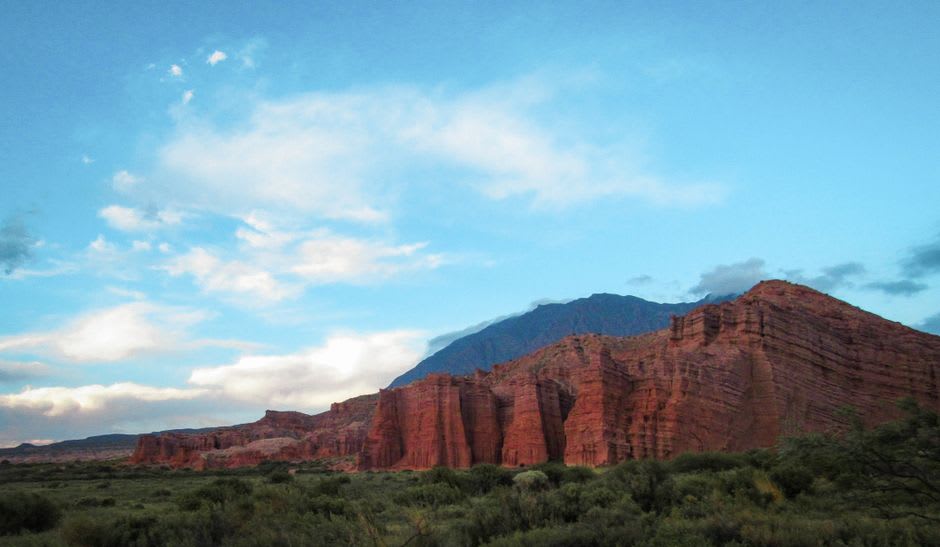
The best thing we did in Iruya wasn’t in Iruya at all — it was the four-hour round-trip trek along the riverbed to the even smaller village of San Isidro, wading across the shallow Río Iruya a half dozen times in sandals we’d brought for exactly this. The trail follows the valley floor between towering red-rock walls, and San Isidro itself, when you reach it, is barely more than a cluster of houses and a church, inhabited by a community that still herds llamas and farms terraces cut into the hillside centuries ago.
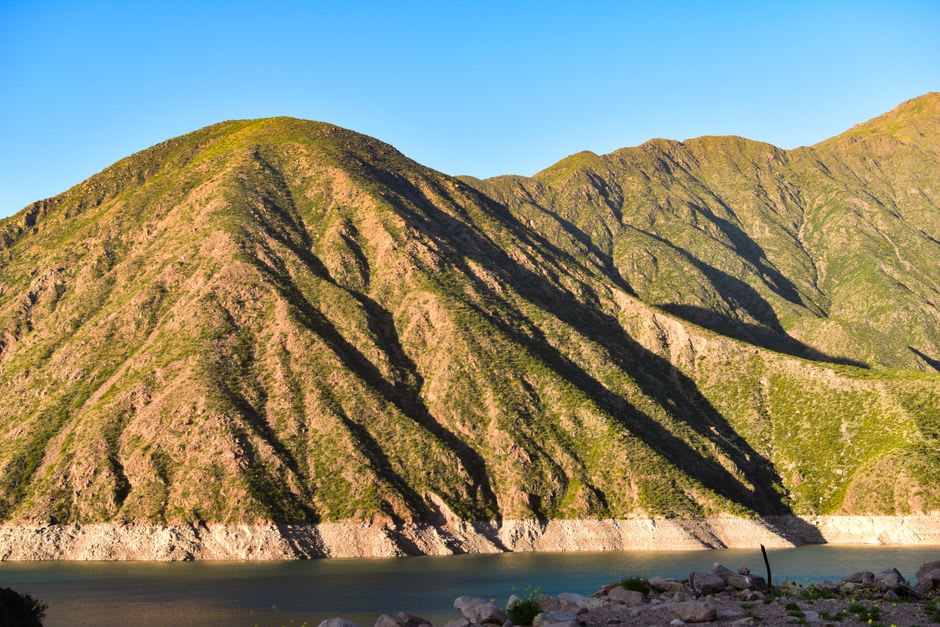
What struck me most was how little the place performs for visitors. There’s no artisan market angling for tourist pesos, no restaurant with a laminated English menu. An older woman sold us bread from her kitchen window because we asked, not because there was a sign. Iruya gets a trickle of travelers, not a flood, and it shows in the best possible way.
When to go: May through October. The road can wash out or become impassable during the summer rainy season (December to March), and locals will tell you plainly not to attempt it then.