
Comodoro Rivadavia
"The wind here isn't weather. It's a permanent resident with opinions."
A rugged Atlantic oil city in Chubut, built on drilling booms and battered by some of Patagonia's fiercest coastal winds.
Comodoro Rivadavia doesn’t appear in anyone’s Patagonia highlight reel, and I understand why, but I also think that omission says more about what guidebooks value than about the town itself. Lia and I stopped here on a long coastal drive south, mostly to break up the distance, and found a place shaped entirely by one accident of geology: oil.
A City Built on a Strike
In 1907, a state well-drilling crew searching for fresh water to supply the arid coast struck oil instead, entirely by accident, and Comodoro Rivadavia has been an energy town ever since. The discovery led to the creation of YPF, Argentina’s state oil company, and the city grew fast and utilitarian around the wells — a skyline of pumpjacks and refinery infrastructure rather than church spires. We drove past kilometers of derricks silhouetted against the flat coastal light, and there was something almost brutalist about the view, more industrial poem than postcard.
Living With the Wind
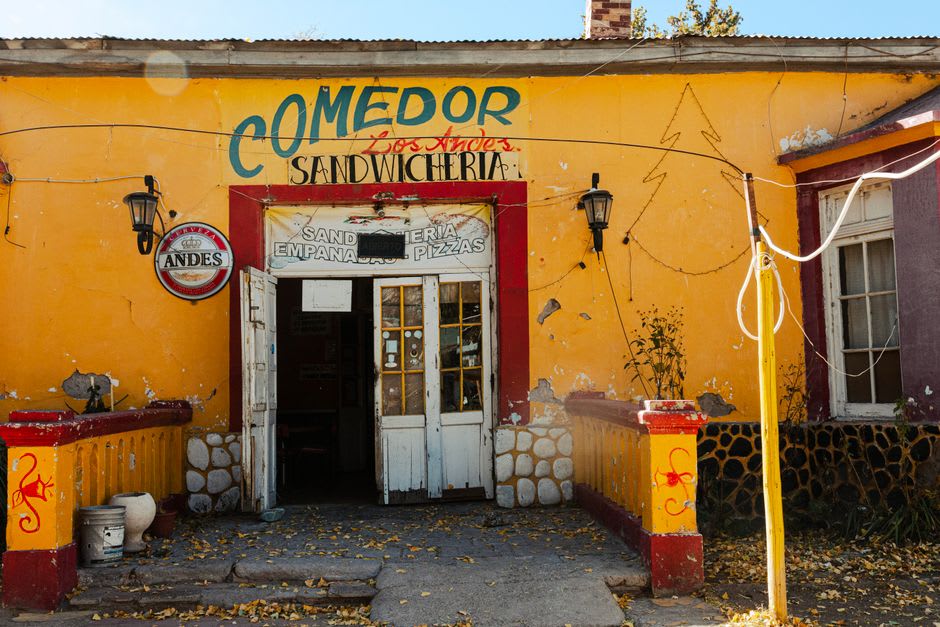
What actually stayed with me was the wind. Comodoro sits exposed to Atlantic gusts that locals told us regularly exceed 100 kilometers per hour, strong enough that the city has permanent guide cables anchoring streetlights and a wind farm on the outskirts that takes full advantage of what everyone else complains about. We stopped for a coffee downtown and watched a woman lean bodily into a gust just to cross the street, unbothered, like it was Tuesday. It was, in fact, Tuesday.
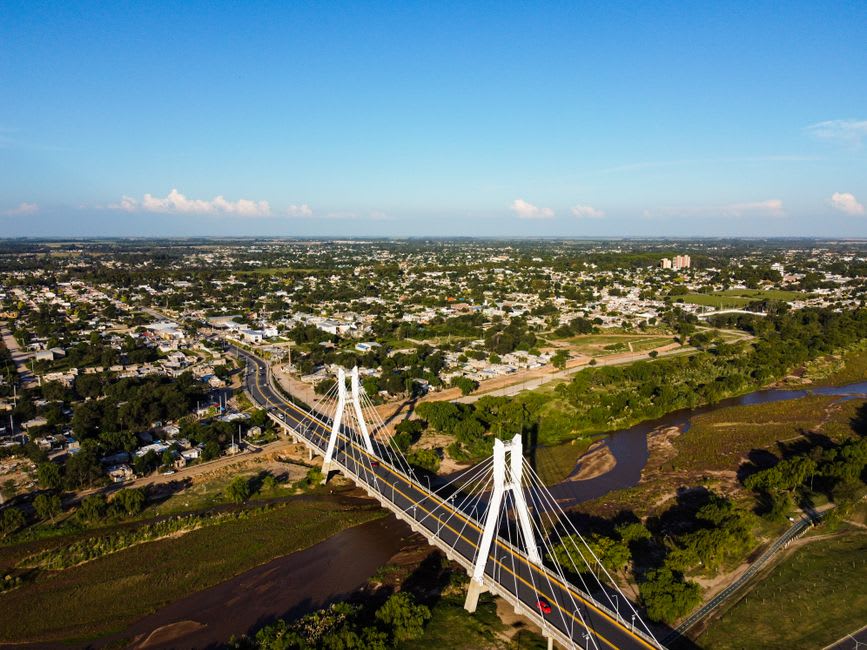
The Museo Nacional del Petróleo, out near the site of that original 1907 well, does a better job than I expected of explaining how a natural resource strike reshaped an entire regional economy and drew waves of migrant labor from across Argentina and abroad. Lia found it more interesting than she let on. I found the drive out to the museum, along a coastline scoured raw by wind and industry in equal measure, more honest about Patagonia’s economic backbone than anything I’d seen further south.
When to go: The wind is a year-round condition rather than a season, so timing matters less here than elsewhere. If passing through, aim for a clear morning before the afternoon gusts pick up, which they reliably do.