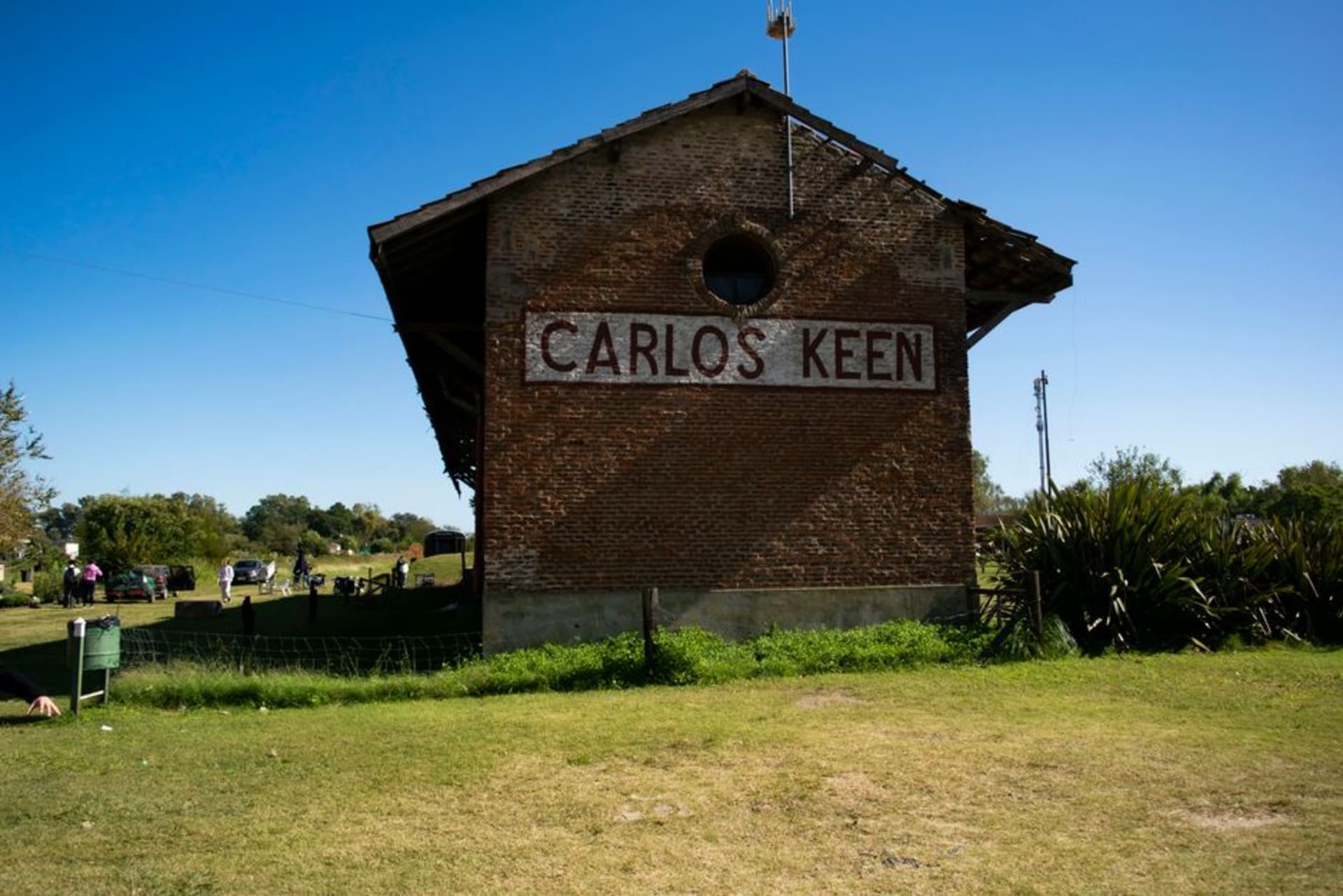
Colonia Carlos Pellegrini
"The village has one dirt street. The wetland has no edges at all."
A one-street village floating inside the Esteros del Iberá, where capybaras outnumber people and every lodge doubles as a boat dock.
Colonia Carlos Pellegrini is not really a town so much as a dock with a few dozen houses attached to it. The dirt road that runs through the middle floods in a hard rain, the electricity still runs on a town generator in some corners, and none of that matters once you understand that the actual destination is the several hundred thousand hectares of flooded grassland surrounding it on every side. Lia and I arrived after a bone-rattling four-hour drive from Mercedes on a road that alternates between gravel and mud, and within twenty minutes of checking into our lodge we were on a flat-bottomed boat sliding between water lilies with a capybara family watching us go by, entirely unbothered.
The Capybaras Do Not Care About You
This is the thing nobody quite prepares you for: the wildlife here has no fear reflex. Capybaras graze at the edge of the main road at dusk like oversized guinea pigs that missed the memo about predators. Caimans sun themselves on the banks in numbers that stop being remarkable by the second day. Our guide, a local named Walter who has spent his whole life on this water, cut the outboard motor near a stand of reeds and pointed out a family of marsh deer standing chest-deep in green water, and I realized I had stopped taking photos and was just watching.
The birdlife alone justifies the drive. Storks, herons, kingfishers, and the improbable jabiru — a stork the size of a small child — line the channels in numbers that make a pair of binoculars feel almost unnecessary. At dawn on our second morning we went out again, coffee still in hand, and the mist coming off the water turned the whole estero into something closer to a dream than a place.
Life in the Lodges
Almost everything in the village is built around lodging — the kind of small, family-run posadas where dinner is whatever the cook made that day and breakfast conversation happens with other travelers you met on the dock the night before. We stayed at a modest place with six rooms and a hammock porch, and the owner, an older woman who had grown up in the colonia, told us stories about the flood of the nineties that nearly swallowed the whole street. There is an unhurried rhythm to the days here: morning safari by boat, a long lazy afternoon avoiding the heat, an evening walk to watch caimans gather near the reserve’s edge as the light goes copper.
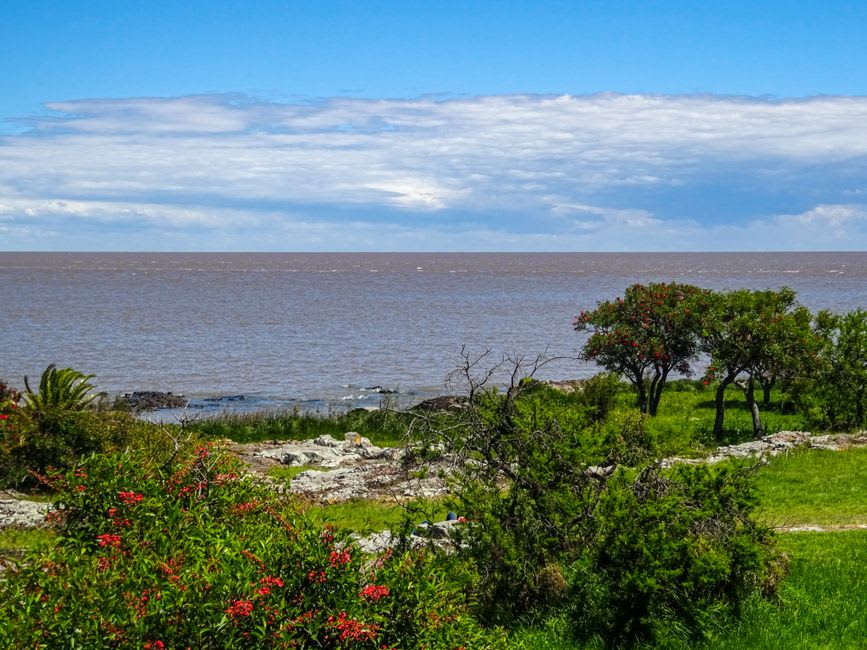
What struck Lia most was the silence between the sounds — no traffic, no music bleeding from a bar, just water moving through reeds and, occasionally, the deep percussive call of a howler monkey somewhere in the gallery forest across the lagoon. I have been to a handful of wetlands around the world. None felt this alive, or this quiet, at the same time.
When to go: April through June and September through November offer the mildest temperatures and the most active wildlife; the summer months of December through February bring brutal heat and mosquitoes that make the boat trips considerably less pleasant.