Roanoke
"The mill mountain star has been lit since 1949 and on foggy nights it floats above the city like something that arrived from elsewhere."
Roanoke is called the Star City of the South, after the large illuminated star that sits on Mill Mountain above the city — a structure built in 1949 for a Christmas display and never taken down, lit most nights in white, switched to red when there is a traffic fatality in the city and blue to honor first responders. I arrived late on a Wednesday and saw it first from I-81 south of town, floating above the ridge in the October fog, and understood immediately why the city has claimed it as a symbol. It is not subtle. It is also not trying to be.
The downtown I walked into the next morning had the bones of a serious industrial city — wide streets laid out for freight, the old Norfolk and Western Railway headquarters building in cream-colored brick at the center of it, the passenger train station that has been converted into an excellent transportation museum, and surrounding all of it the Blue Ridge, which here forms a tight bowl around the city in a way that makes Roanoke feel enclosed, held, like something the mountains decided to keep. The City Market, operating continuously since 1874, was the first thing I stopped at, and the farmers at the stalls in October were selling winter squash in varieties I did not know existed and dried beans in colors that seemed improbable and sourwood honey from the upper ridges. I bought a bag of dried October beans from a farmer who had grown them from seed stock her grandmother had kept, and carried them the rest of the trip in my pack like a talisman.

The Virginia Museum of Transportation, in the old freight station beside the railroad tracks, is the kind of specialized museum that knows exactly what it is and excels at being it. The locomotive collection is serious — full-size steam and diesel engines lined up in the old shed, the scale of them requiring adjustment of the eye — and the N&W Class J locomotive, which holds records from the era of steam, occupies a space commensurate with its ambitions. Roanoke was the railroad’s headquarters and its manufacturing hub, and the city’s identity was shaped by that relationship so thoroughly that even now, with the rail economy much diminished, the trains still matter in ways both practical and psychic.
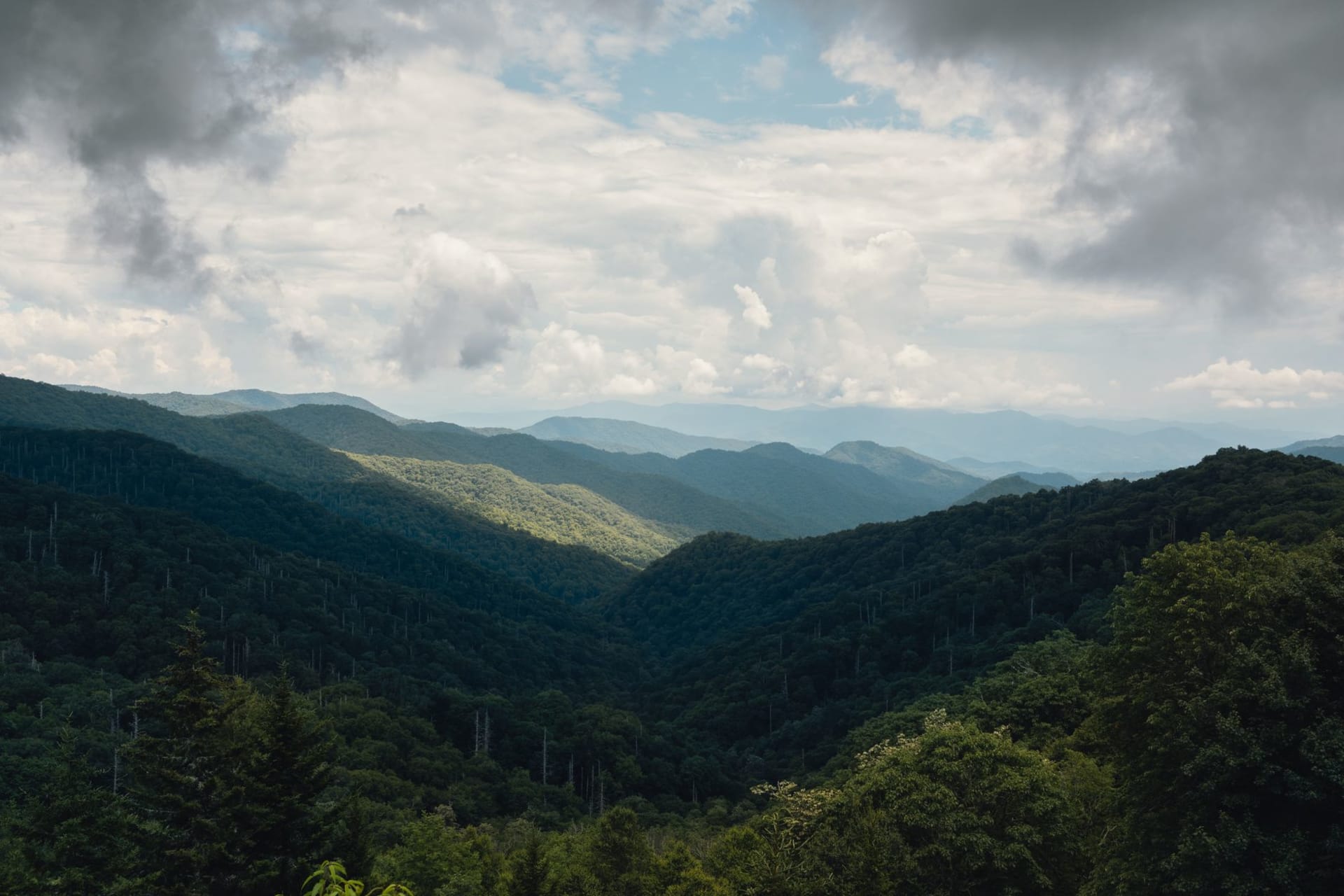
What has replaced the rail economy, in part, is the outdoor recreation economy, and Roanoke has made a genuine commitment to it. Mill Mountain Park, directly above the city, has trail access that begins within walking distance of downtown. The Roanoke River Greenway is twenty-some miles of paved trail along the river through the valley. The Appalachian Trail crosses the ridges east of the city at Tinker Cliffs and McAfee Knob — McAfee Knob, a sandstone shelf that projects from the ridge above a three-thousand-foot valley, is the most-photographed location on the entire Appalachian Trail. I hiked it on a Sunday morning in October and reached the overlook at nine, before the majority of the traffic, and sat on the rock shelf above the air and looked west toward Roanoke in the morning haze and understood why people photograph it repeatedly: it is genuinely, uncomplicatedly spectacular, which is not as common as the constant supply of mediocre overlook photos suggests.

The restaurant scene in Roanoke’s downtown and its south end neighborhood has reached a confidence that a city of a hundred thousand rarely achieves. Local Roots, the anchor of the local food movement for over a decade, does an Appalachian-inflected menu with Virginia sourcing and a wine list that balances natural producers with well-chosen conventionals. The brewing culture has expanded in the South End neighborhood, which was industrial warehouse space ten years ago and is now the kind of district that people in larger cities move to for the grit and then complain when the grit gets polished away. In Roanoke it is still in early enough stages to be genuinely interesting — the distilleries and breweries share blocks with active auto body shops and the feel is right.
When to go: October for fall color on the surrounding ridges, the McAfee Knob hike, and the City Market at its peak produce. April and May for wildflowers on the Appalachian Trail sections around the city. The Star is best on foggy nights in any season, which means November and March are worth considering on those grounds alone.