Hot Springs
"I came for one night and stayed four, which is something Hot Springs does to people who have been walking too long."
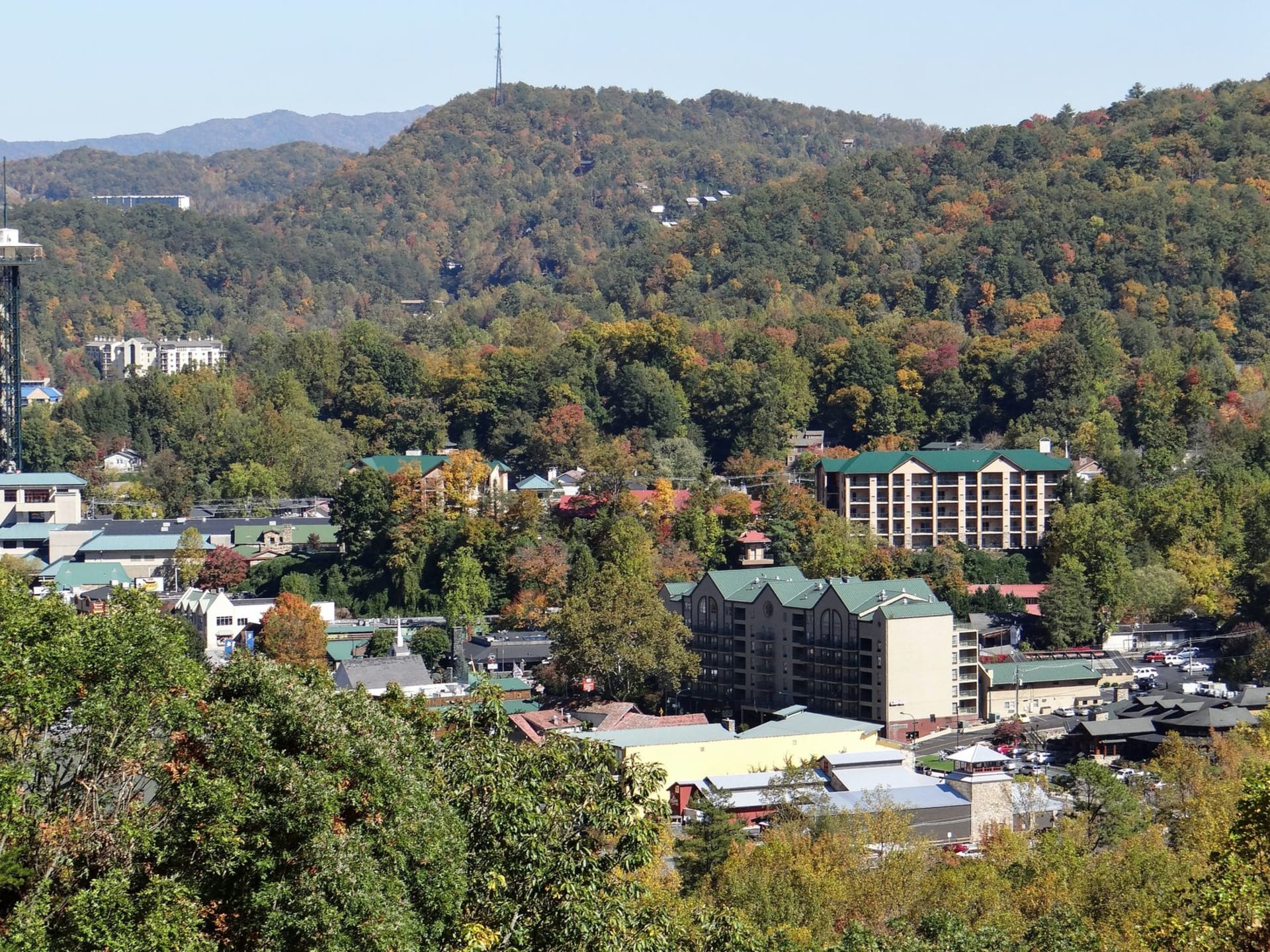
The Appalachian Trail runs directly through the center of Hot Springs, North Carolina, along Bridge Street, which is the only real street the town has. You walk in off the trail, your boots raising dust on the pavement, and within thirty seconds you are passing the outfitter, the hostel, the pizza place, the gear repair shop, and then you are through town and the trail picks up again on the other side of the French Broad River bridge. The whole thing takes about four minutes if you walk without stopping. Most people stop for a few days.
I arrived in Hot Springs in May, coming down off the ridge from the north, having done a three-day section hike that had involved more rain than I had planned for. I was damp in the way that only backpackers and shipwreck survivors get damp — the kind of wet that has worked its way through every layer and settled somewhere in the bones. The thermal pools at the Hot Springs Spa and Resort, just off Bridge Street, are fed by natural springs that come out of the ground at a consistent 98 degrees Fahrenheit. I booked a private outdoor tub and sat in hot mineral water for ninety minutes while the French Broad ran past ten feet below me and a pair of kingfishers worked the eddy line. There are experiences that are pleasant and experiences that are necessary. This was both.

The thermal waters have been drawing people here for longer than the town has existed. The Cherokee knew the springs; European settlers built a resort here in the early 1800s; the railroad brought fashionable visitors from the cities, who came to take the waters as they did throughout the Gilded Age. The grand resort hotels are long gone, burned and not rebuilt, but the springs remain, and the tradition of using them after a long walk in the mountains feels continuous with something much older than the Appalachian Trail, which was only completed in 1937. There is something about soaking in hot water beside a cold river after days of walking that transcends whatever century you are in.
The town itself has the economy of a trail town, which means it exists almost entirely to serve people who are moving through on foot, and it has shaped itself around that reality with more grace than most. Bluff Mountain Outfitters has the gear you need and the advice you didn’t know you needed. The restaurant situation is thin but honest — Smoky Mountain Diner for breakfast, where the eggs come with grits whether you asked for them or not, and the orders are yelled between the kitchen and the counter in the style of a family argument. Paddler’s Pub, which doubles as the town’s bar, beer selection, and community living room, hosts a bluegrass night on Fridays that I ended up at twice.

The French Broad River is why people come back even after they have given up on hiking. It is a Class II-III river through the gorge section above town, fast and cold and green, running between walls of hemlock and rhododendron, and kayaking or rafting through it on a warm afternoon is the kind of uncomplicated physical pleasure that reminds you why the mountains were worth coming to. Nantahala Outdoor Center and other outfitters run guided trips from the town. The whitewater is not technical — it is joyful, which is different.
When to go: May and June are ideal — the rhododendrons are in bloom along the gorge walls, the river is running full, the trail is active with northbound thru-hikers and the town is in its element. Fall, late September through October, brings the leaf color and cooler soaking temperatures in the thermal pools. Winter is the locals’ season — the hostel thins out, the diner regulars reclaim their stools, and the town reveals itself.