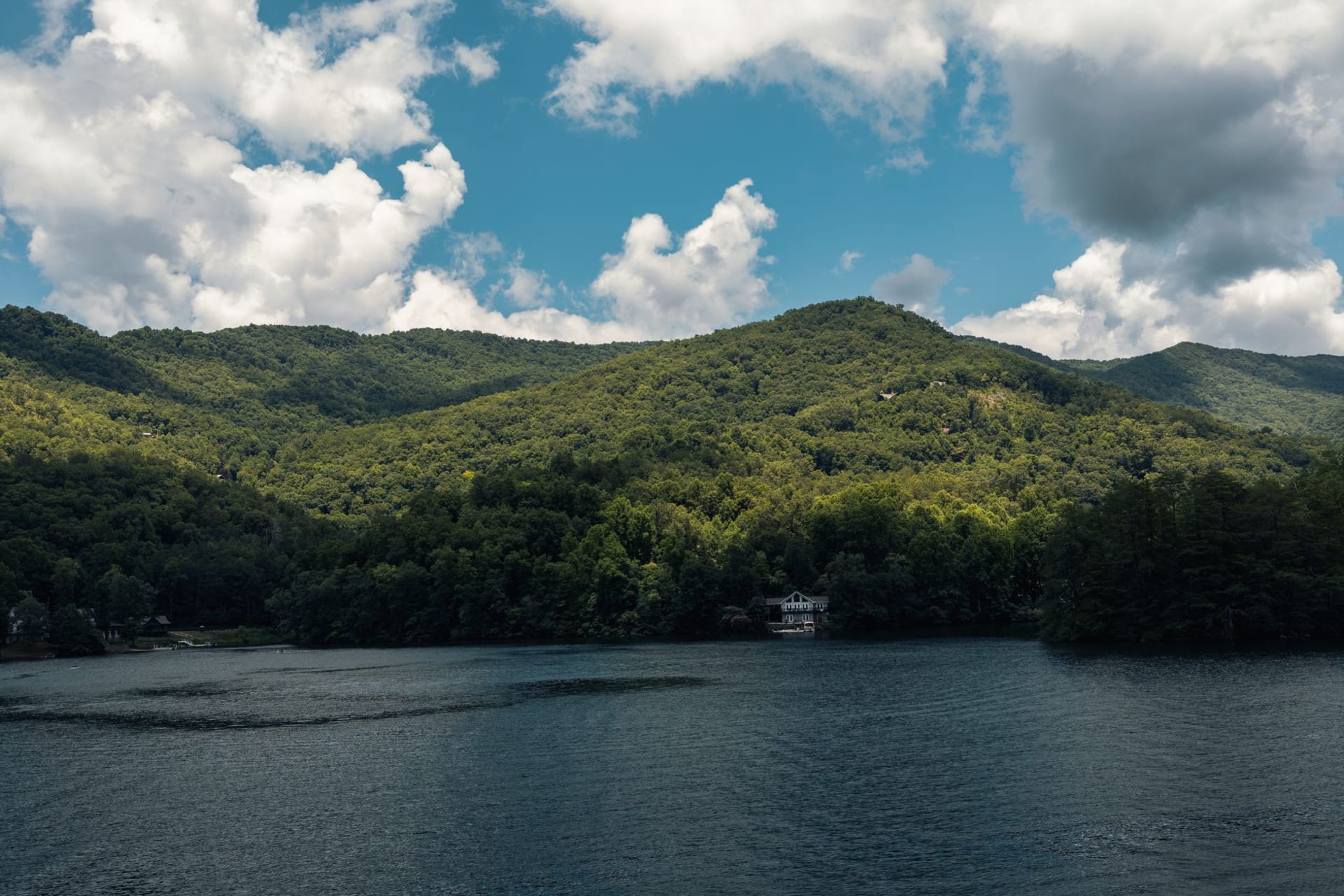
Gatlinburg
"Gatlinburg is the mountain equivalent of a carnival barker: loud, insistent, and standing directly between you and something extraordinary."
Let me be honest about Gatlinburg. The main strip — Parkway, as it is called — is a wall-to-wall procession of fudge shops, taffy pullers, pancake houses with punning names, T-shirt vendors, moonshine distilleries that are mostly gift shops with copper stills in the window, and a Ripley’s Believe It or Not museum. There is a SkyLift Park that runs a cable car to a glass-bottomed sky bridge over a gorge. There is, I counted, at least four separate establishments selling funnel cakes within a two-block stretch. Gatlinburg is relentless in its commercial enthusiasm, and I say this as someone who has affection for it, because underneath the fudge and the neon and the souvenir black bear statues, there is a town that grew organically as the gateway to a magnificent park, and the park is right there, literally beginning at the edge of the strip, and once you are in the park the noise falls away almost immediately.
I got up at five in the morning on my second day in Gatlinburg and drove to the Roaring Fork Motor Nature Trail before the park filled up, which it does by nine on any morning in October. The Motor Nature Trail is a one-way loop through old-growth cove hardwood forest, and at that hour it was empty except for the road itself and the trees over it and the sound of the Roaring Fork Creek running below through the rock. A black bear crossed fifty meters ahead of me and went up the hillside without looking back. Old log cabins and a working grist mill from the nineteenth century sit at intervals along the road, maintained by the park service, and they have the quality of things that belong where they are — not reconstructed, just preserved, the moss on the shingle roofs authentic.

The Alum Cave Trail starts from the Roaring Fork area and climbs toward Mount LeConte through a sequence of landscapes that change so dramatically every half mile that you keep stopping to verify you are still on the same trail. From the creek through a dense rhododendron thicket through open heath balds and then into the cave bluffs section, where an overhanging cliff of alum shale creates a sheltered corridor with strange acoustics — sound bounces weirdly in there, and your own footsteps seem to come from multiple directions. The summit of LeConte is accessible only on foot (or by llama on supply days), and the LeConte Lodge at the top is one of the few places in the eastern United States where you can sleep inside a national park. I have tried to book it three times. I have not yet succeeded; reservations open months in advance and go within minutes.
Back in Gatlinburg proper, I made peace with the strip on my third morning by surrendering to it on its own terms. The Old Mill, at the quieter north end of town, has been grinding corn and wheat since 1830 and sells the actual meal in actual paper bags, and the cornmeal pancakes at the restaurant attached are the best thing Gatlinburg serves. The moonshine at Ole Smoky Distillery — the genuine article, made from local corn — is worth a tasting even if the whole operation feels like Disneyland. The Arrowcraft Shop, operated by the Southern Highland Craft Guild, sells handmade baskets, pottery, and woodwork by Appalachian craftspeople at fair prices and without the carnival atmosphere of its neighbors.
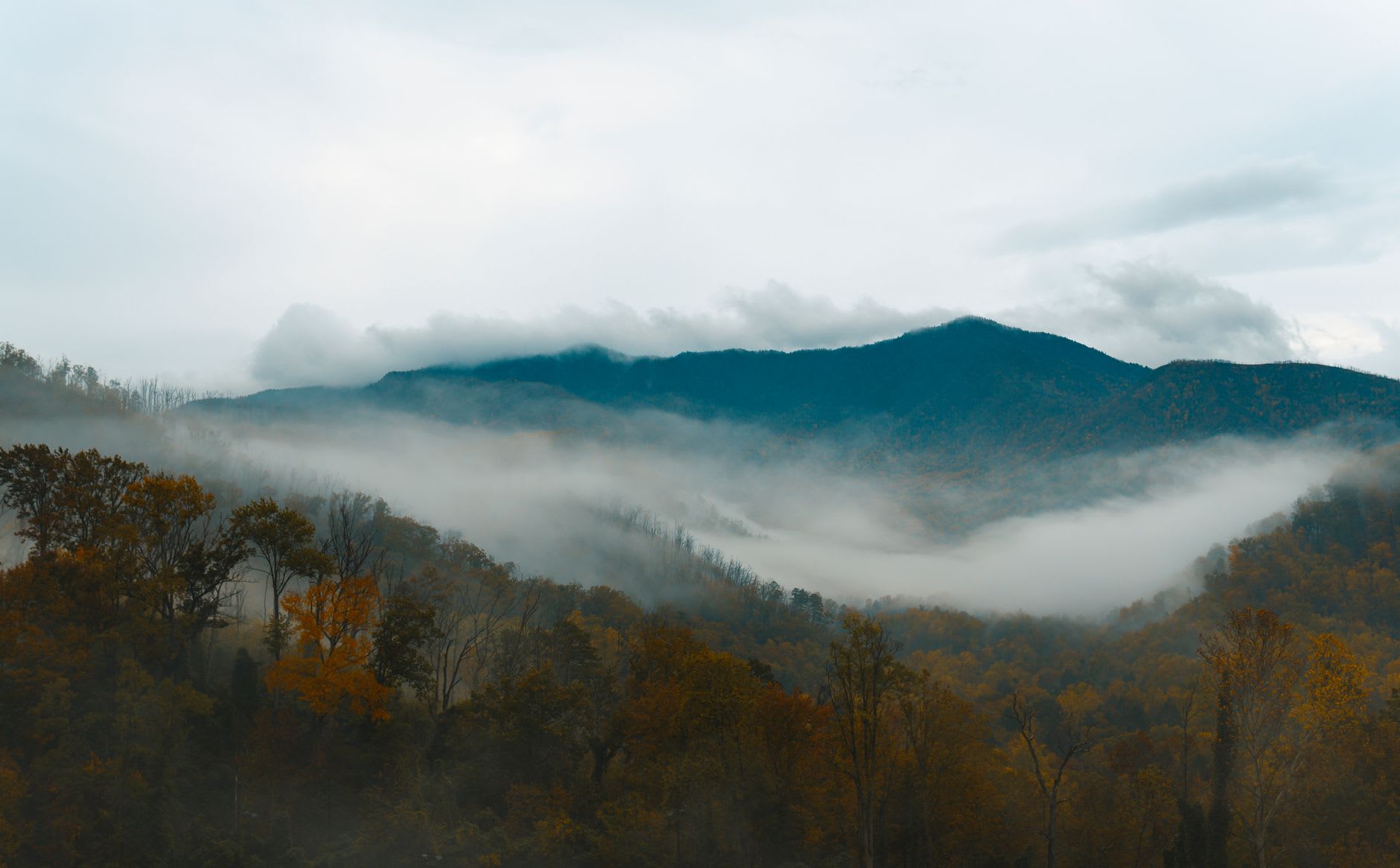
What Gatlinburg does well, finally, is serve as an honest mirror for what Americans want from a mountain vacation: proximity to wilderness without the inconvenience of actually being in it, and enough stimulation to fill the hours between trail walks. I find this endearing rather than damning. The families eating funnel cakes on the strip are one mile from a national park of staggering beauty, and some of them will walk into the park tomorrow morning and have their lives rearranged. Gatlinburg is where the Smokies and the secular pilgrim traffic of American leisure meet, and the friction between those two things is the most interesting thing about it.
When to go: For the park, October for fall color and September for slightly lower crowds. For Gatlinburg itself, the town is fully itself in any season — the commercial strip never really quiets, which is either a problem or part of the charm. March and early April are the slowest months and the best time to get the park trails to yourself on weekday mornings before the wildflowers draw the crowds.