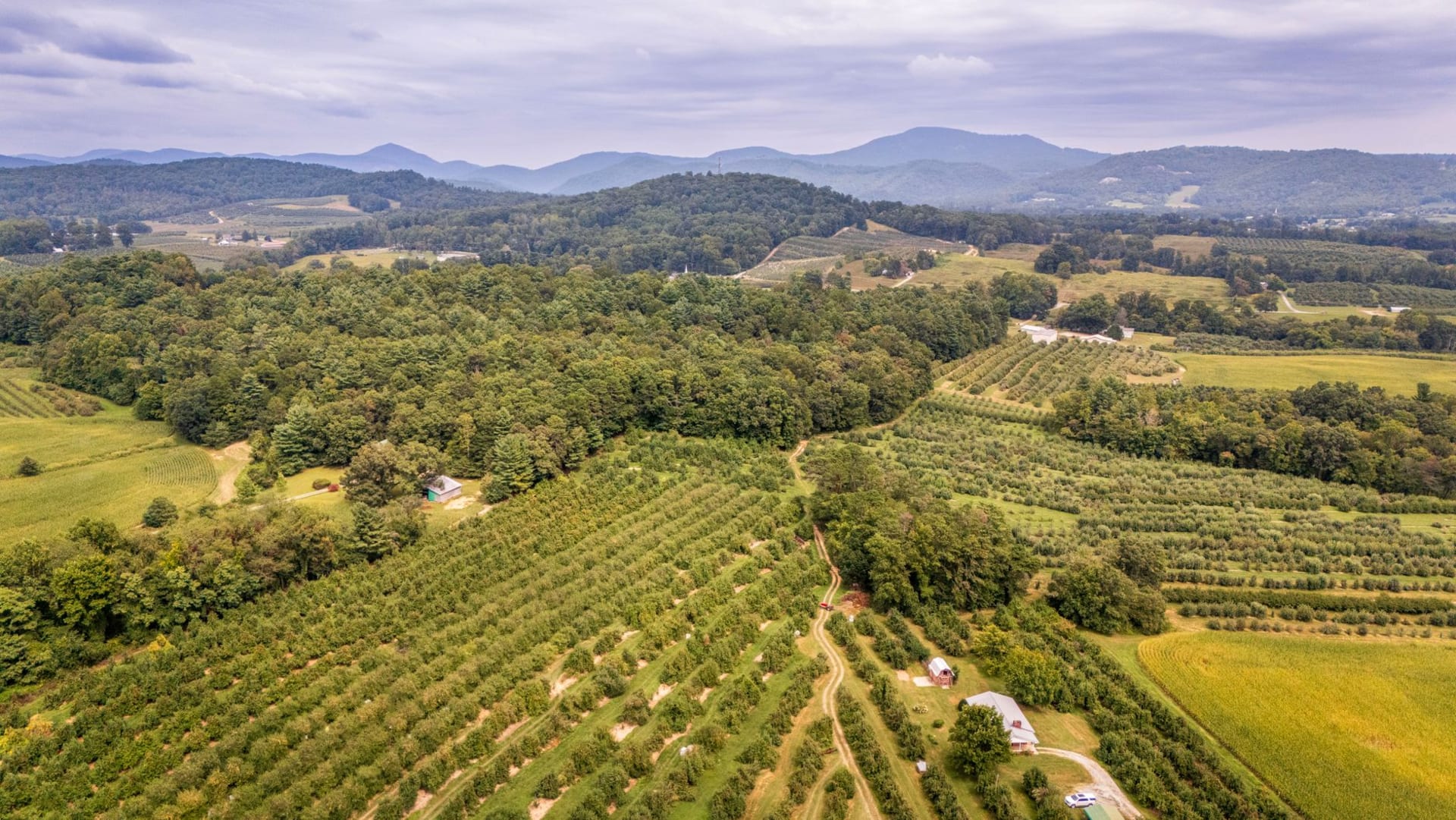
Asheville
"I ordered the country ham with pawpaw preserves and realized I had been eating the wrong breakfast my entire life."
A mountain city that quietly became one of America's most interesting food towns, built on ramps, sorghum, and a refusal to be ordinary.

I arrived in Asheville on a Friday evening in late October, coming down off the Blue Ridge Parkway with the last of the day’s light turning the ridgeline orange behind me. The city surprised me the way cities sometimes do when you approach from the wrong direction — I had been in the forest for three days, and suddenly there were streets and restaurants and people in flannel jackets moving through a downtown that looked like it had been designed by someone who actually loved cities. The Art Deco buildings on Patton Avenue, the old Woolworth building on Haywood Street, the Battery Park Hotel up on the hill like a white wedding cake someone had forgotten to cut — Asheville has one of the most intact pre-war downtowns in the American South, and it wears it naturally, without the embalmed quality that afflicts so many preserved historic districts.
But I had come for the food, and the food is genuinely what Asheville is now about. Not in the trendy way, not in the farm-to-table buzzword way, but in the specific way of a city that looked at the ingredients it had been surrounded by for three centuries and decided to take them seriously. Ramps — the wild leeks that grow on Appalachian hillsides in April — show up in everything in spring: pickled, charred, blended into compound butter. Sorghum syrup replaces maple on the table at half the breakfast places in town. Country ham, cured the old way, appears in sandwiches alongside local goat cheese. At the Button & Co. Bagels counter one morning I ate a bagel sandwich that made me understand why people develop strong feelings about breakfast.

The beer is part of the story too. Asheville has more breweries per capita than almost any American city its size, but what I appreciated more than the quantity was the confidence. These are not breweries chasing trends from the coasts — the best of them are making sour ales with local muscadine grapes, or smoked porters that smell like the barbecue places on the south side of town. I spent an afternoon at the Wicked Weed Funkatorium, their sour and wild ale taproom in the River Arts District, and came out blinking into the late afternoon light feeling pleasantly undone.
The River Arts District itself is worth an afternoon on its own. What used to be a stretch of abandoned industrial buildings along the French Broad River is now studios for some two hundred working artists — painters, potters, glassblowers, furniture makers. Unlike art districts that have become galleries for wealthy buyers, this one still feels genuinely occupied. The studios have open-door policies; you can walk in and watch someone throw a pot or weld a sculpture. I bought a small ceramic bowl from a potter who had moved here from Detroit fifteen years earlier and had no intention of going back. “The mountains keep me,” she said, and the simplicity of it stayed with me.

Away from downtown, the neighborhoods reveal a different Asheville. West Asheville, across the French Broad, is where the music venues and the cheap restaurants and the record stores have concentrated — a neighborhood that still has some grit to it, where the art students and the old-timers share the same sidewalks. On a Tuesday night I walked into a bar and found a string band playing to a room that was about half locals and half hikers who had come off the trail that day, their packs stacked against the wall. The fiddler had dirt on his boots. It felt like exactly the right place to be.
When to go: Late September through early November for fall color, when the surrounding mountains become the reason the city exists. April and May bring wildflower season and the ramp harvest — which means the spring menus are worth traveling for. Summer is crowded and warm; winter is quiet, occasionally snowy, and the food scene runs uninterrupted year-round.
Keep exploring
More from Appalachian Mountains
 appalachian
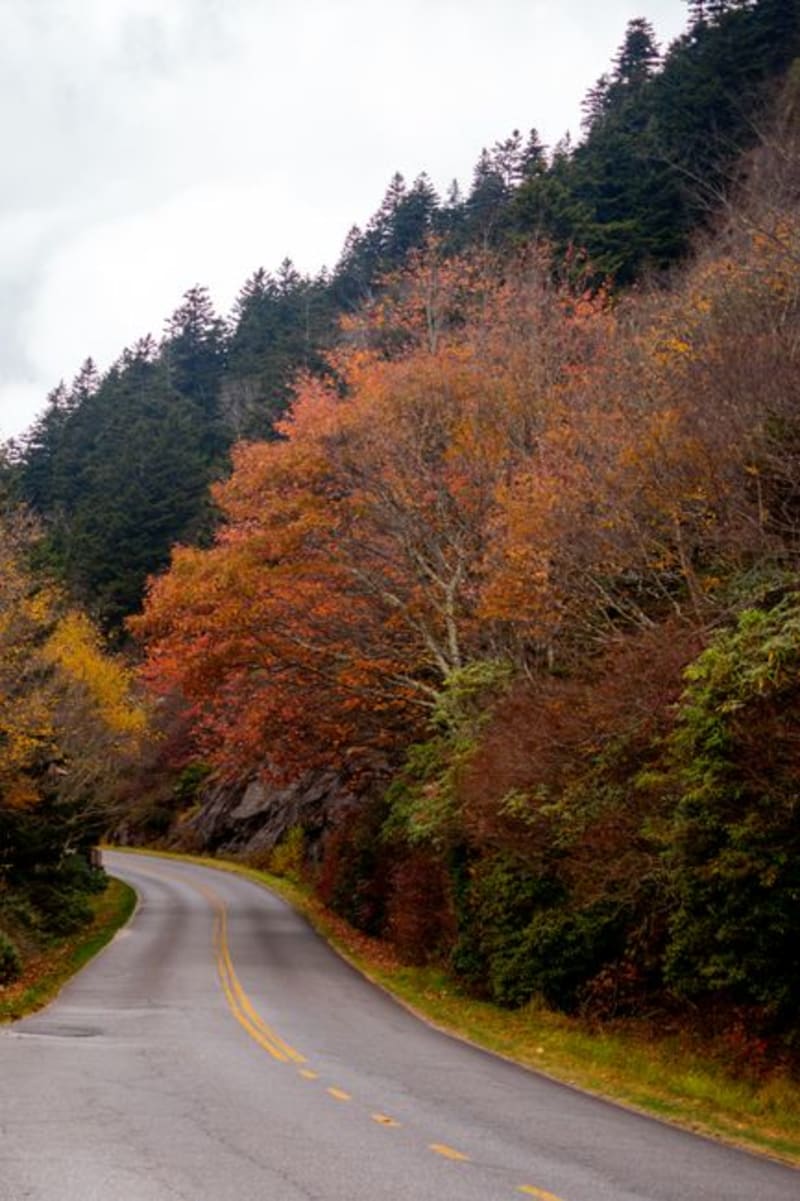
Blue Ridge Parkway
A 469-mile ridgeline drive with no billboards and no rush, linking two national parks through the oldest mountains in America.
Explore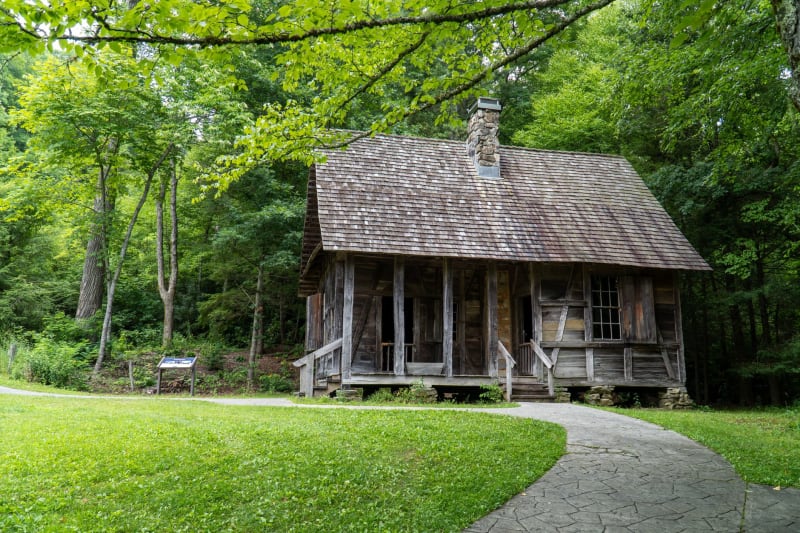 appalachian
Brevard
A small North Carolina mountain town ringed by more waterfalls per square mile than anywhere else in the eastern United States.
Explore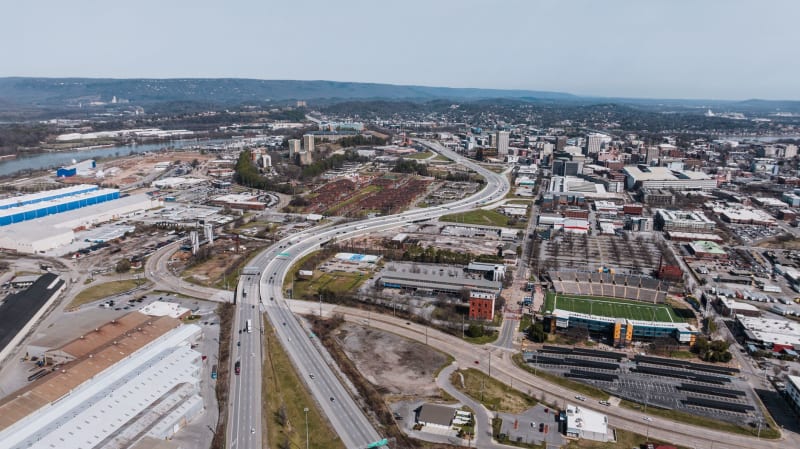 appalachian
Chattanooga
A Tennessee river city that remade itself around its geography — the Tennessee River gorge, the sandstone cliffs of Lookout Mountain, and twenty years of deliberate reinvention.
Explore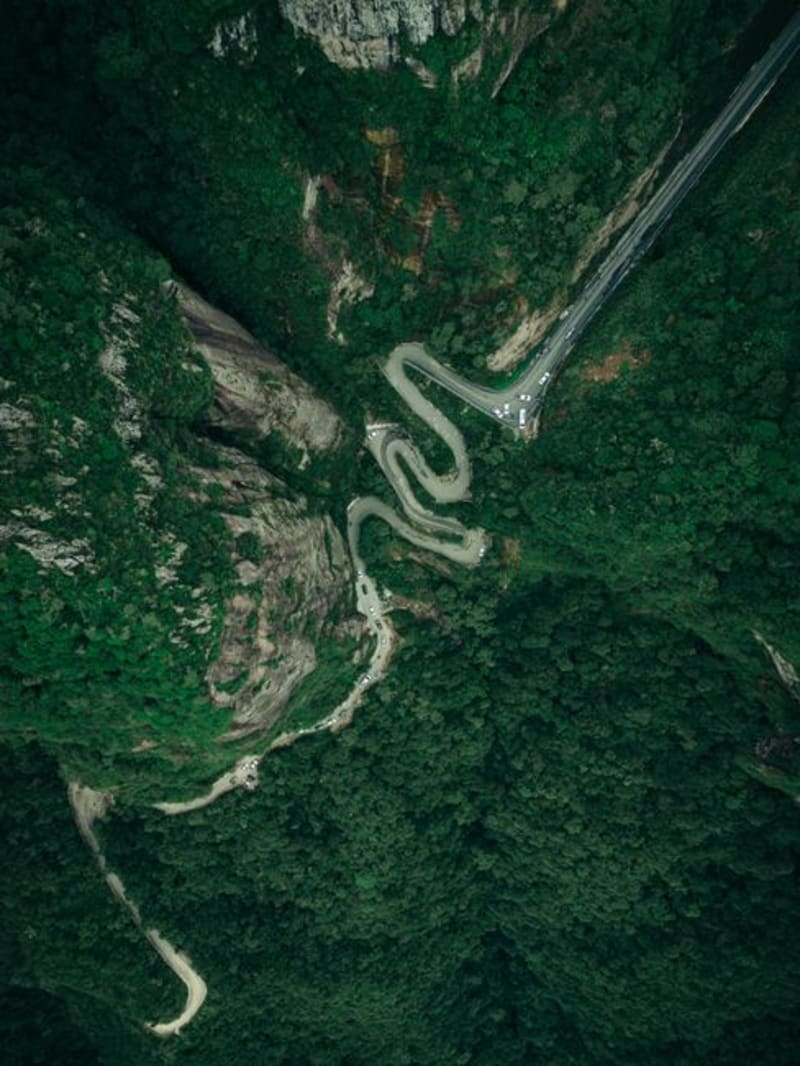 appalachian
Cumberland Gap
A wind-cut notch where three states meet and two centuries of footsteps still seem to echo through the trees.
Explore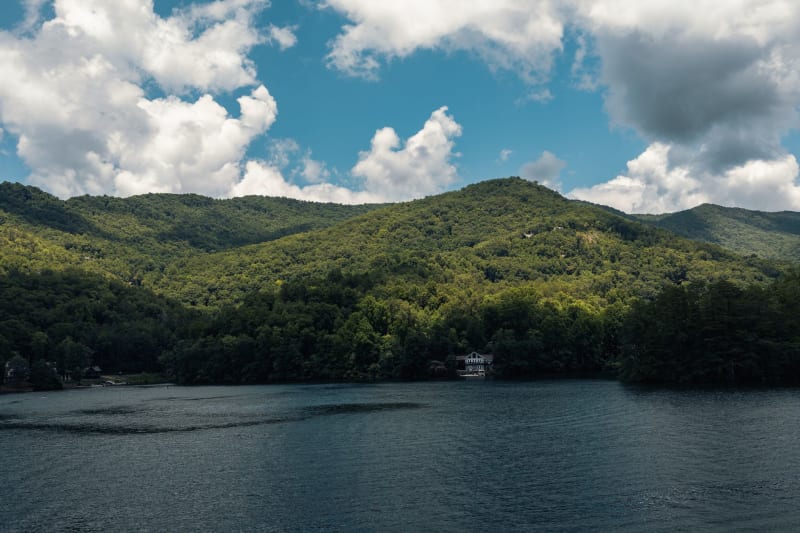 appalachian
Gatlinburg
The chaotic, fudge-scented gateway to the Smokies that you have to pass through to reach one of the most beautiful national parks on earth.
Explore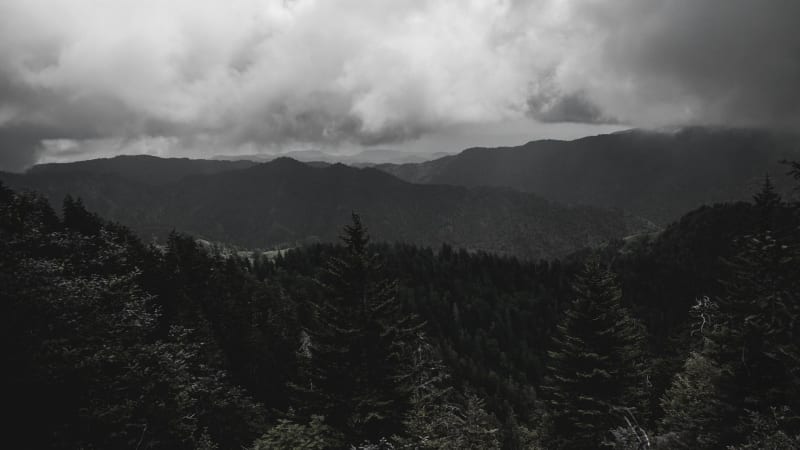 appalachian
Great Smoky Mountains
The most visited national park in America somehow still contains stretches of old-growth forest where you can go an entire day without seeing another person.
Explore