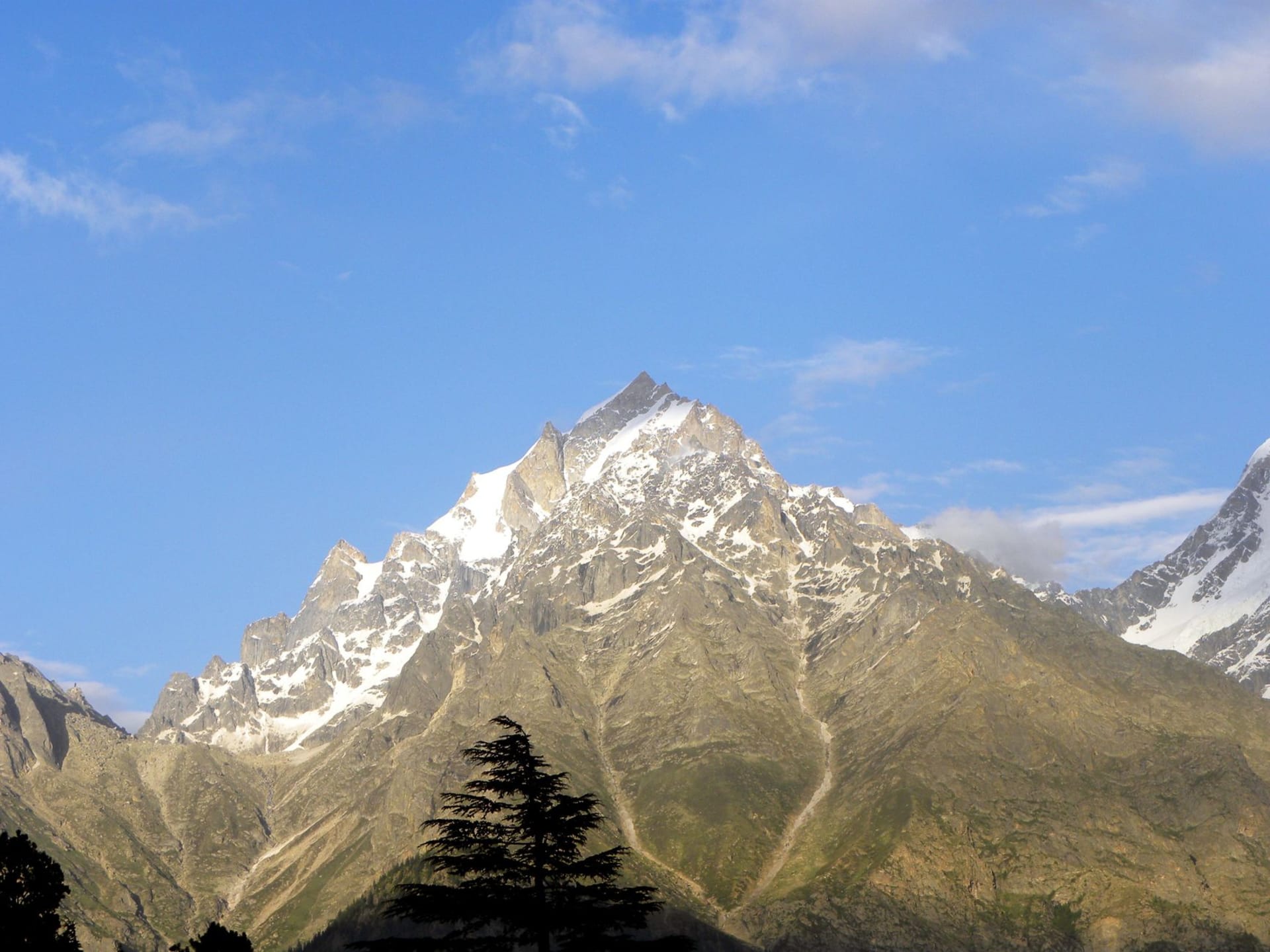
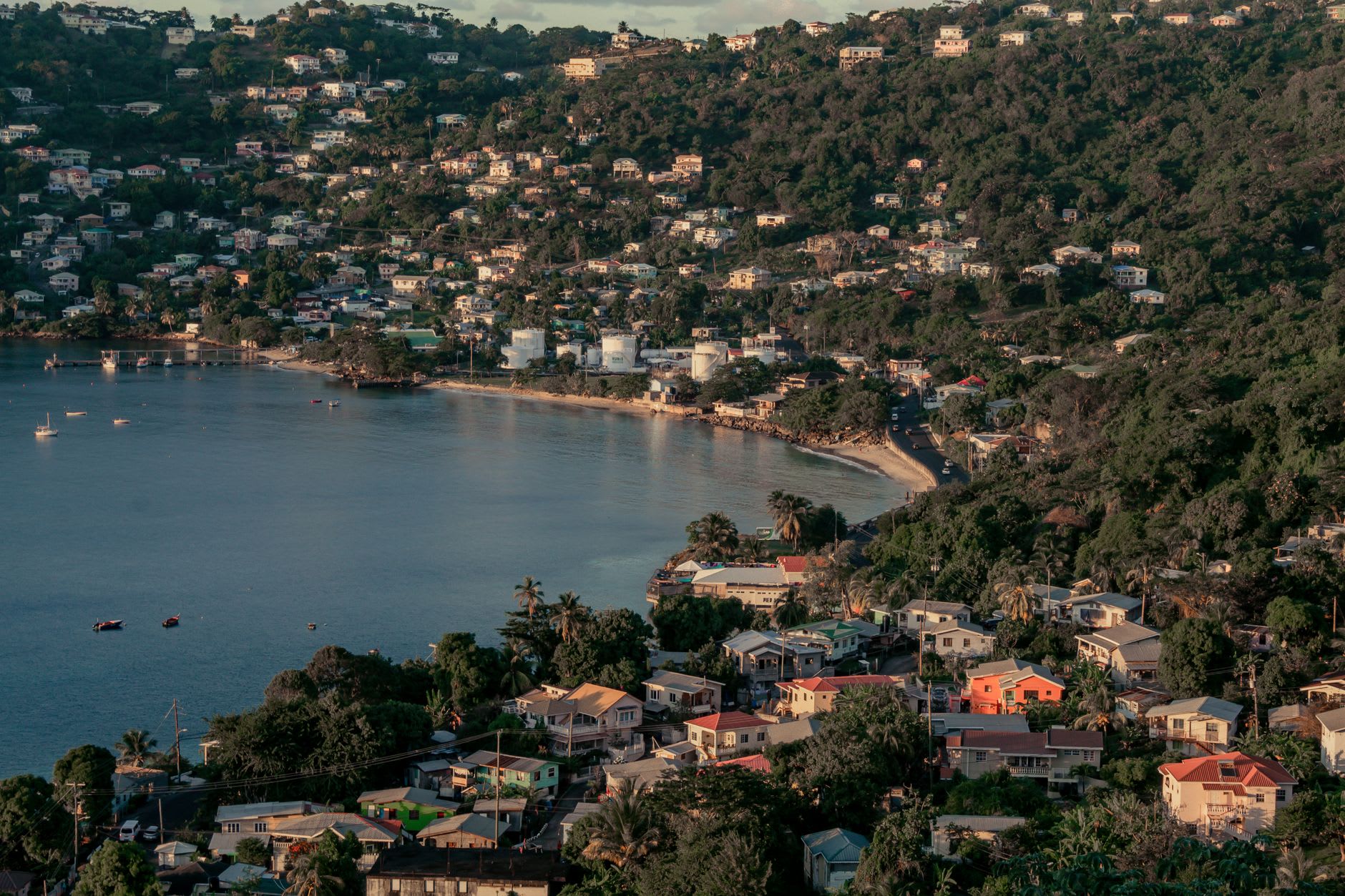
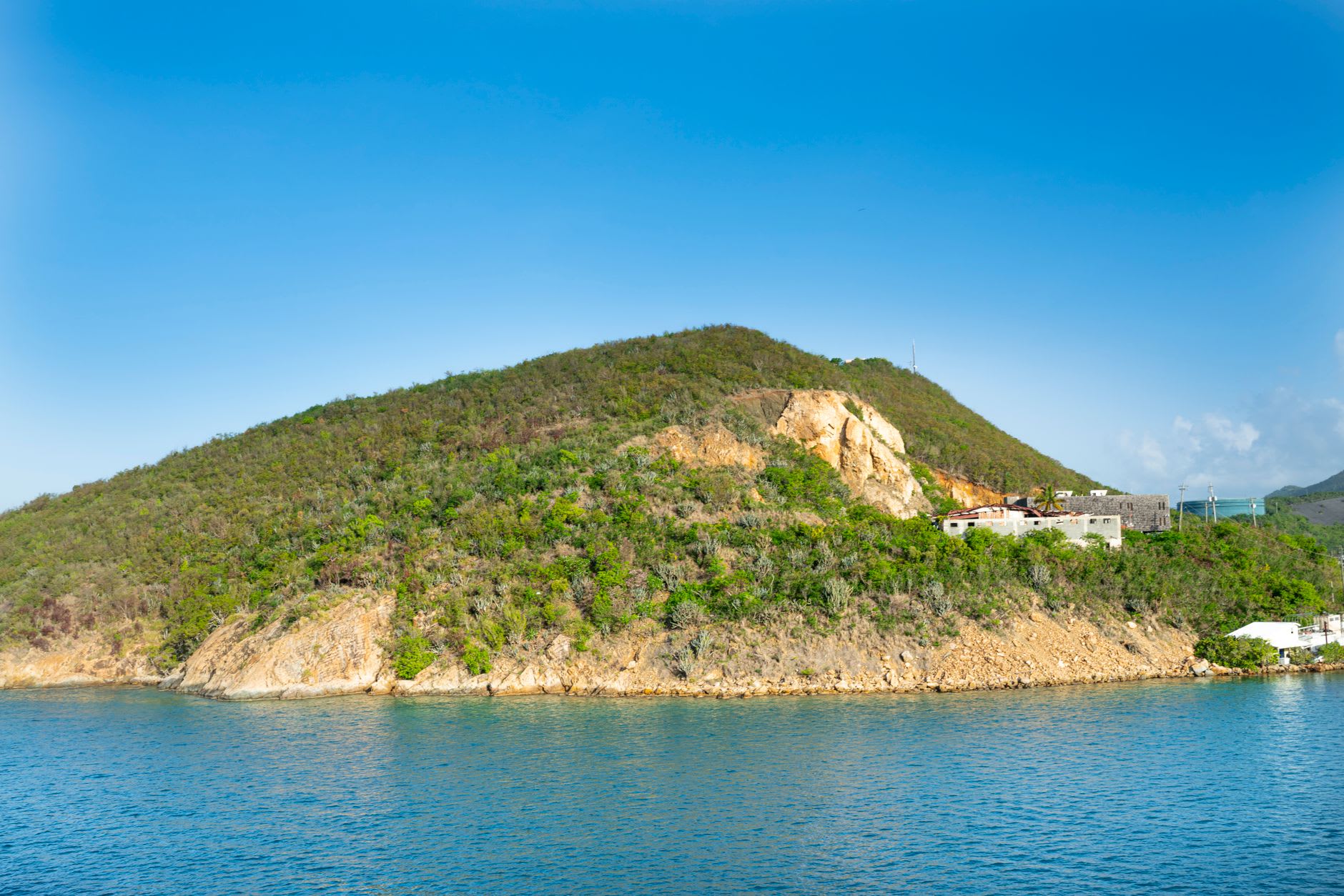
I made the mistake of driving up to Shirley Heights on a Sunday afternoon without knowing what Sundays mean up there. The road climbs through dry scrub above English Harbour and deposits you at the ruins of a Georgian military complex on the ridge — thick stone walls, gun batteries, officers’ quarters in various states of survival — and from the lookout point the whole southern end of Antigua opens up beneath you: English Harbour on one side, Falmouth Harbour on the other, the green hills folding down to the coast, and beyond them the open Caribbean stretching south. The view alone would justify the climb. The fact that on Sunday afternoons there’s a steel pan band, a barbecue, and a crowd of Antiguans and visitors sharing rum punch on the battlements turns it into something else entirely.
I arrived at four, having planned to watch the sunset quietly with my notebook. By five-thirty I had been handed a rum punch by a man who explained it was his grandmother’s recipe and that he was not at liberty to share the proportions, had been photographed by a Japanese couple who seemed unclear on whether I was part of the scenery, and had spent forty minutes talking to a Barbudan fisherman who’d moved to Antigua after Irma and was working at the lookout bar while he decided what came next. The view, when I finally stood still long enough to look at it, was — this is hard to write without it sounding trite — genuinely moving. The light at that latitude in February goes orange and then deep rose and then a kind of purple that has no English word for it, and the two harbours below catch it like mirrors.
The fortifications date from the late 18th century, built by the British to defend English Harbour against French naval attack. They were named after Sir Thomas Shirley, a governor of the Leeward Islands, and were in active use until the 1850s. The military history is well-documented on interpretive panels that you will probably not read because the view keeps pulling your attention away, which I think the panels might account for — they’re written very concisely. What remains is impressive: the stonework has the weight and solidity of things built to last against siege, the gun batteries still oriented toward the sea approaches, the powder magazine still cool and dark inside.
The Sunday session starts around four and runs until sometime after dark, the steel pan giving way to reggae and then to whatever the DJ feels like as the evening progresses. Families come up with coolers. Couples watch the sunset. Sailors from the marina below hike up already sunburned and slightly salt-crusted. The barbecue offers ribs and chicken and something the menu lists as “local provision” — root vegetables roasted in oil and seasoning that I ate standing up and still think about.
The walk down in the dark is not well-lit and the road has no pavement, which is something to plan around — either leave before sunset or arrange transport or be prepared to walk slowly with your phone torch. I walked down. It took forty minutes and I only nearly twisted my ankle twice, which felt like a success.
When to go: The Sunday afternoon event runs year-round and is the main draw, peaking in energy during sailing season from December through April when the harbours below are full and the crowd on the heights reflects that. A Thursday barbecue runs in the same format though smaller. For the view without the crowd, go on a weekday morning — the fortifications are open daily and at nine on a Tuesday you’ll have the ridge essentially to yourself, which has its own particular quality.