Caribbean
Antigua and Barbuda
"Forty-eight beaches and somehow the best thing here isn't the sand."
I landed in Antigua on a Tuesday afternoon in February, the kind of afternoon that hits you like a wall when you step off the plane — that particular Caribbean humidity that smells of salt and overripe fruit and diesel. I’d been living in Mexico long enough to think I understood heat. Antigua reminded me I didn’t. The taxi driver to St. John’s spoke so fast in Antiguan Creole that I caught maybe half of it, and I liked him immediately for not slowing down.
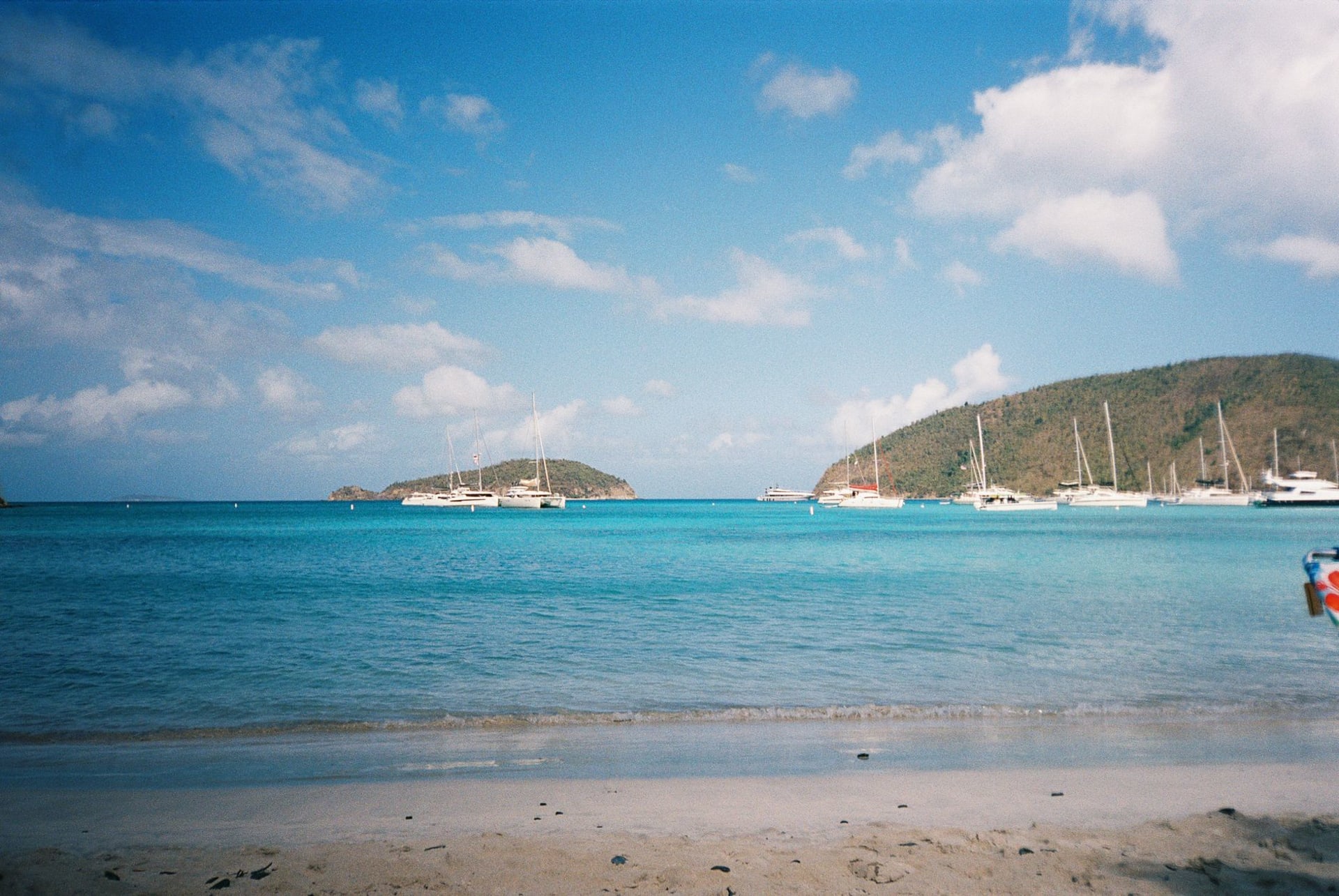
The postcards will show you the beaches — Dickenson Bay, Half Moon Bay, the famously numbered 365 of them, one for each day of the year, or so the tourism boards insist. And yes, the water is that colour, the impossible greenish-blue that looks fake in photos and somehow looks even more fake in person. But what surprised me was English Harbour. Nelson’s Dockyard sits down there at the southern tip of the island, a restored Georgian naval complex from the 18th century, and it’s genuinely fascinating in a way that has nothing to do with Instagram. The capstans and boat houses have been maintained without being sanitized. You can feel the empire in the stonework, which is uncomfortable in exactly the right way for a French guy who knows his own country’s colonial record. I spent a long afternoon there with a Wadadli beer — the local brew, slightly sweet, very cold — reading about the ships that once provisioned here before chasing down pirates or enforcing sugar trade routes.
Barbuda is the part almost nobody visits, and that’s precisely its point. The island is flat, sparse, and home to the largest frigate bird colony in the Western Hemisphere. I took the small propeller plane — twenty minutes of mild terror over open water — and arrived somewhere that felt almost deliberately left behind. The pink sand of Princess Diana Beach is the real thing: fine coral ground down to a blush, cool against the feet even in the afternoon. I ate lobster for dinner that cost what a coffee would in Paris and felt quietly guilty about it, then ordered more anyway. Barbuda runs at a different frequency than Antigua, slower, quieter, and in 2026 still visibly rebuilding after Hurricane Irma’s near-total destruction in 2017. That history is worth knowing before you arrive.
When to go: December through April is the dry season and the sweet spot — low humidity, reliable sun, and the trade winds keep temperatures manageable. I’d avoid July and August if you can: hurricane season anxiety aside, the heat is brutal and the prices don’t drop proportionally. The sailing season peaks in January, when English Harbour fills with serious yachts and the atmosphere around the dockyard becomes genuinely festive without tipping into full resort-chaos.
What most guides get wrong: Every listicle will tell you Antigua is a beach destination and leave it there, as if the island exists only from the waist down. The colonial history at English Harbour, the Creole food culture — saltfish and fungee is the national dish, a polenta-like cornmeal dish that appears nowhere in the resort menus — and the lingering, complicated relationship between tourism revenue and local life are all invisible in that framing. Antigua is worth understanding as a place, not just a backdrop. The beaches are extraordinary, yes, but they’re not the interesting part.