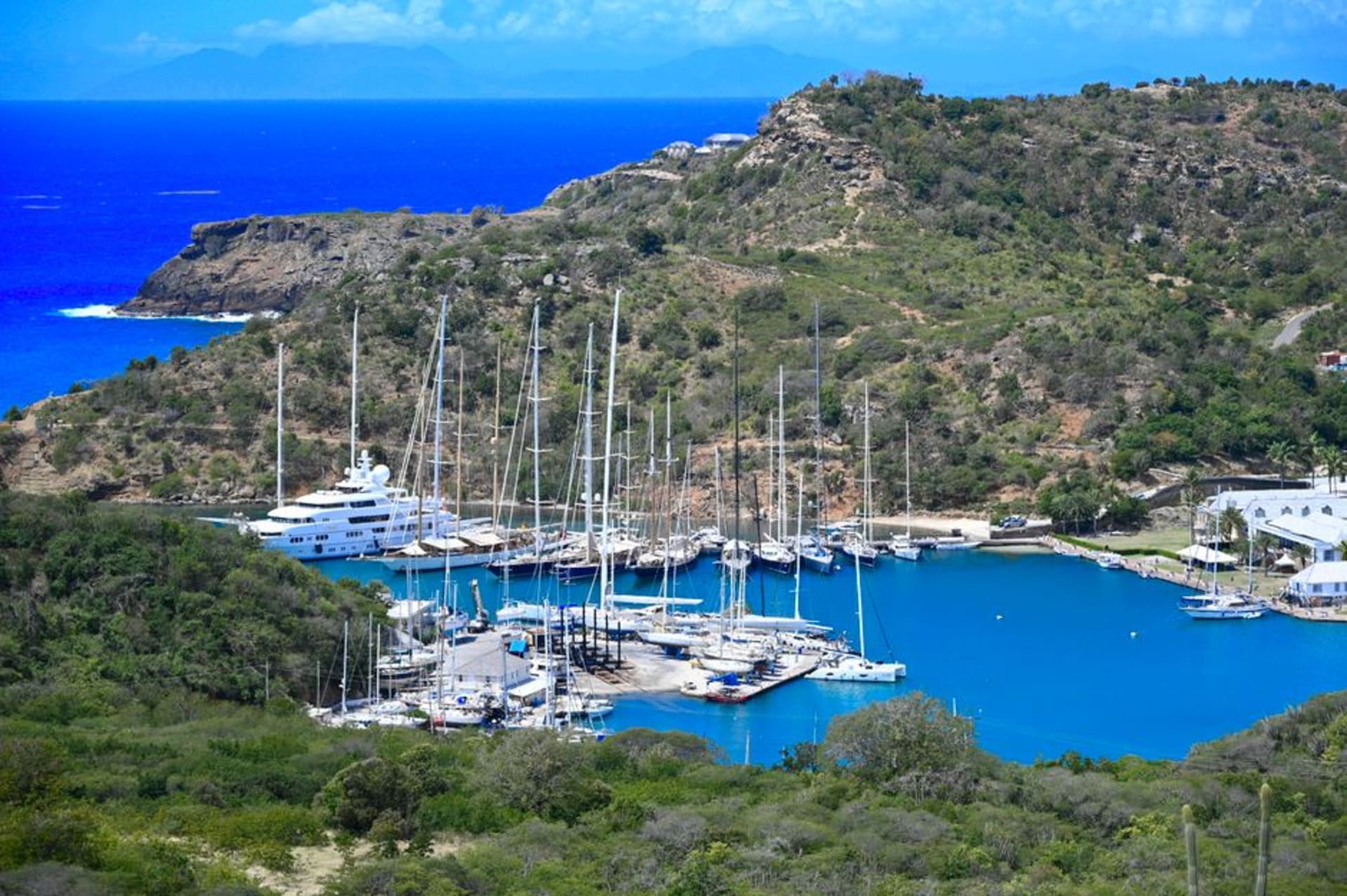
Great Bird Island
"The rarest snake I'll ever not-quite-see, on an island the size of a parking lot."
An uninhabited islet off Antigua's northeast coast where a once-vanishing snake survives and frigatebirds circle empty cliffs.

We booked the boat almost on a whim, from a stall near Antigua’s northeast coast, because the guy running it kept saying “blowhole” and “snakes” in the same sentence and Lia’s eyebrows went up. Twenty minutes across the North East Marine Management Area later, we were wading onto Great Bird Island, which is less an island than a scrap of scrub and limestone that nobody lives on and, honestly, nobody could. There’s no dock, no building, nothing — just a ring of reef, a narrow beach, and cliffs loud with birds.
The snake is the reason I’d wanted to come at all. The Antiguan racer was, for a while, considered the rarest snake on the planet — reduced to a single population right here on Great Bird Island after rats introduced by ships wiped it out everywhere else. I didn’t see one. Our guide said that’s normal; they’re shy, mostly active at dawn, and the population that was painstakingly rebuilt here has since been spread to other rat-free cays nearby. Still, walking the short scrubby trail knowing this exact patch of dirt is where a species clawed its way back from near-zero gave the whole hike a different weight than I expected from what looked, at first glance, like just another pretty cay.

What we did see, in absurd numbers, were the birds. Frigatebirds hung motionless over the cliffs like they’d been pinned there, and pelicans kept crash-diving into the shallows a few strokes from where Lia was snorkeling — she came up laughing, saying one had nearly buzzed her mask. We found the blowhole on the island’s ocean-facing side, a crack in the rock that huffs spray a few feet into the air whenever a swell hits it right, and stood there timing our photos to the waves like idiots, missing the shot three times before I got a decent one.

We spent maybe three hours total — snorkeling the reef on the leeward side, where the coral was patchy but the fish didn’t seem to mind us, then drying off on the sliver of sand before the boat came back. It’s not a place you linger; there’s nowhere to linger. But for a half-day out from Antigua, it’s hard to beat the feeling of standing on a rock this small knowing what almost disappeared from it entirely.
When to go: We went in the dry season, roughly December through May, when the crossing and the snorkeling both benefit from calmer seas — worth timing your visit around if you can, since a choppy passage would take a lot of the charm out of it.
Keep exploring
More from Antigua and Barbuda
 antigua-and-barbuda
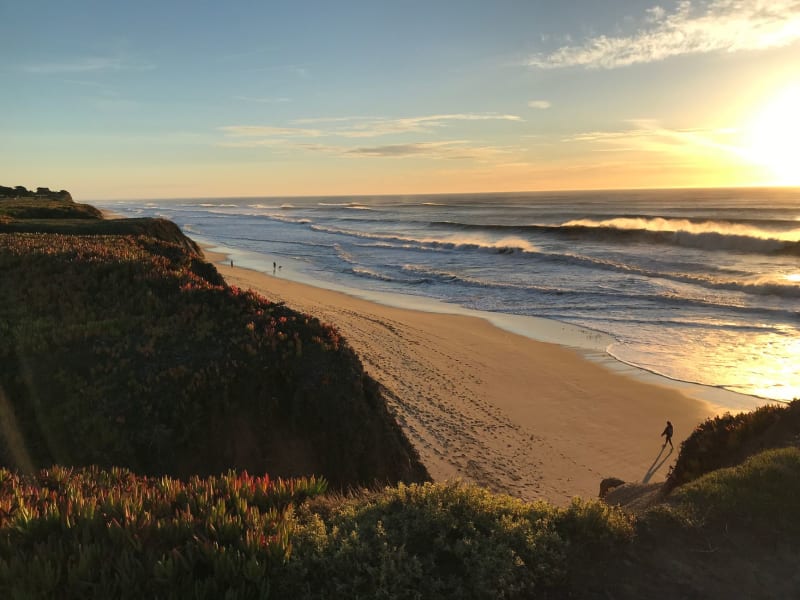
 Half Moon Bay
A near-perfect crescent on Antigua's wild Atlantic coast where the surf runs hard and the crowd almost never finds you.
Explore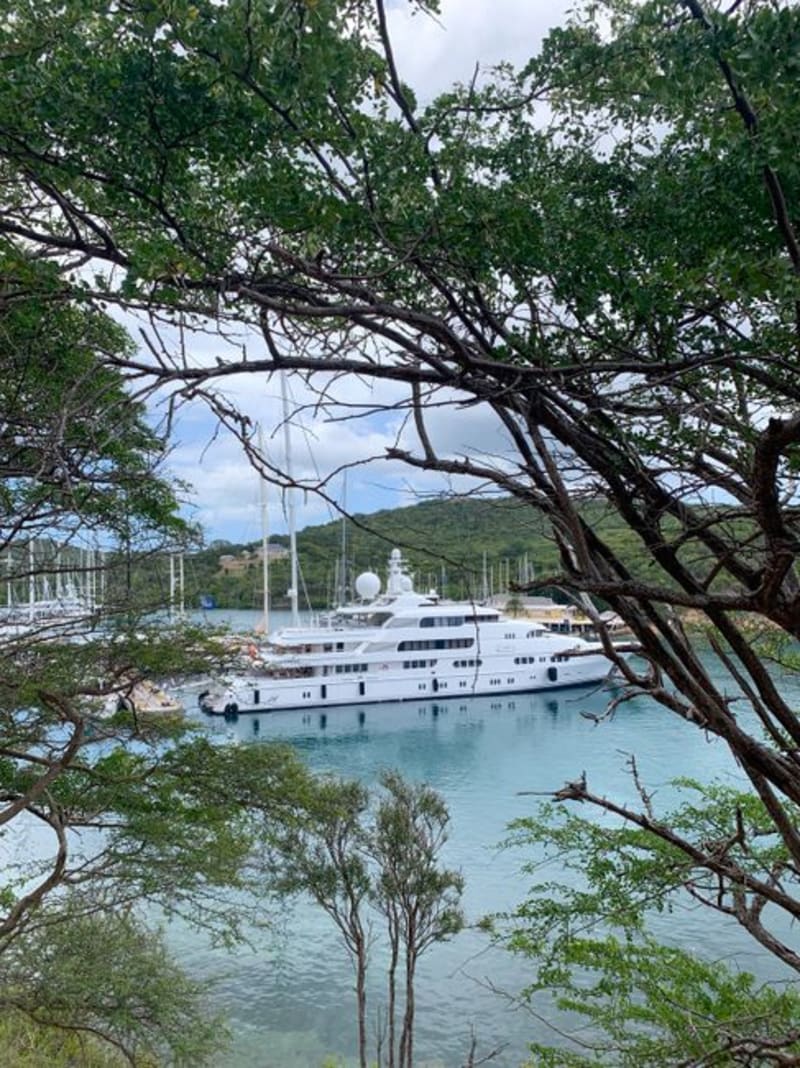 antigua-and-barbuda
 Nelson's Dockyard
A working Georgian naval dockyard on English Harbour where restored stone warehouses now shelter superyachts instead of frigates.
Explore antigua-and-barbuda
 Shirley Heights
A hilltop fortification above English Harbour where rum punch, steel pan, and one of the Caribbean's best sunset views share the same ridgeline.
Explore antigua-and-barbuda
 St. John's
Antigua's capital hums with Creole market life and painted colonial facades that the resort buses always drive past without stopping.
Explore antigua-and-barbuda
 Barbuda
A flat, near-empty island running on its own quiet frequency — pink sand, frigate birds, and an unhurried pace that Antigua has mostly forgotten.
Explore antigua-and-barbuda
 Betty's Hope
A 17th-century sugar plantation in Antigua's interior where twin windmills stand in a field of cane and the island's uncomfortable history asks to be read.
Explore