Fig Tree Drive
"Antigua has a rainforest. Almost no one goes into it. I can't explain this to you."
Everything I’d read about Antigua before I arrived was about the coast. The beaches, the harbours, the sailing. Not one thing mentioned that the southwest interior of the island has a rainforest, which is either a failure of the travel writing industry or deliberate omission to keep it free of crowds, and I’ve decided to believe the latter because it’s more charitable. I drove Fig Tree Drive on my third day, turning inland from the main road near Old Road village on a Tuesday morning when the light was still angled and the air still had the ghost of coolness in it.
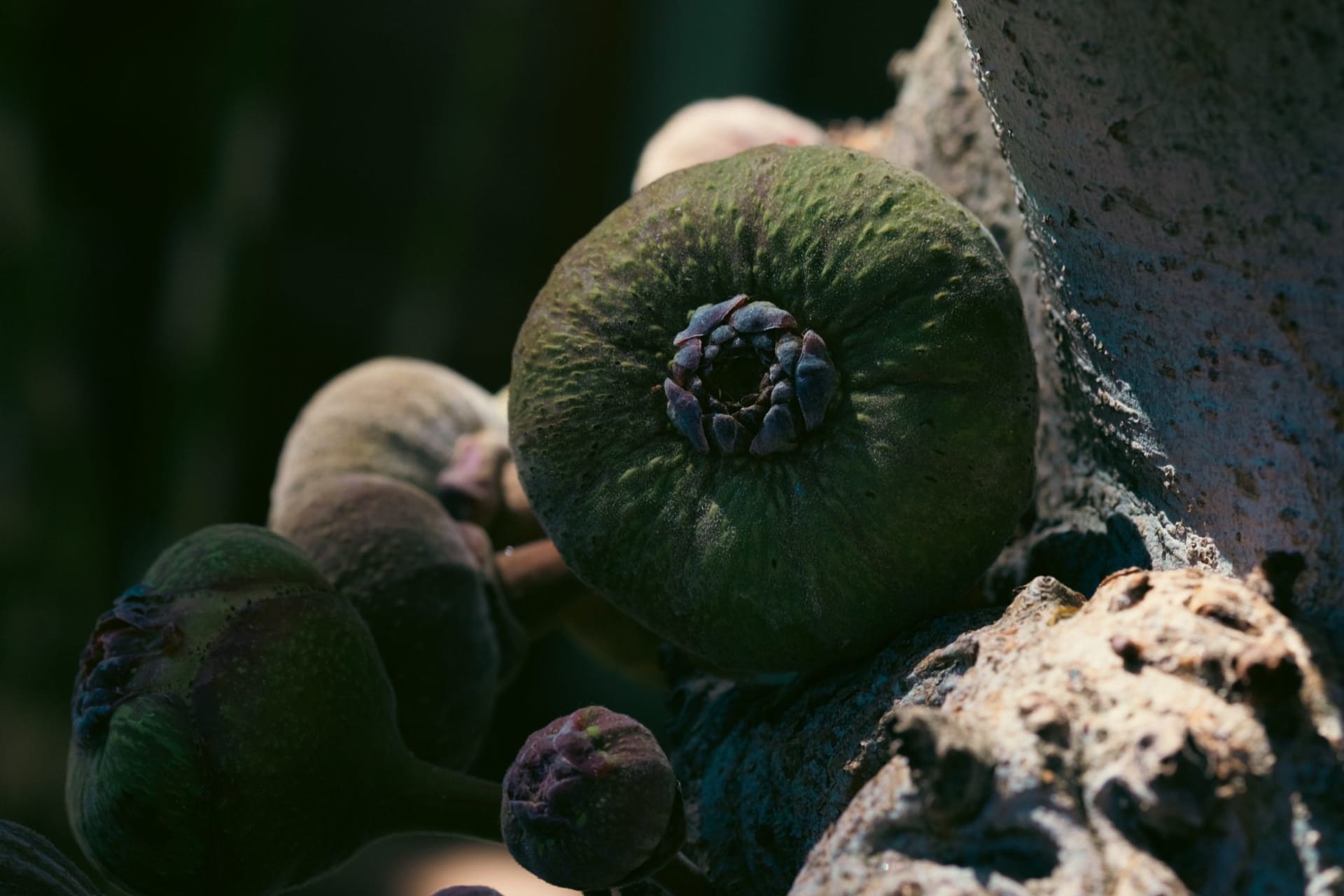
The road immediately becomes something else. The dry scrub and cactus that cover most of Antigua’s interior give way within five minutes to what is genuinely tropical canopy — mango trees forty feet tall, breadfruit, banana plants in broad-leafed rows, the occasional soursop tree with its alien-looking fruit hanging like green spiny fists. The air changes temperature and humidity the way a room changes when you enter a cellar. I rolled the windows down and drove slowly because there was no reason not to and because the curve of the road through the trees kept opening onto small scenes — a woman walking with a basket, a wooden fruit stand unmanned with a hand-painted price list, a dog asleep in the precise centre of the road — that felt like they were happening at a different pace than the rest of my trip.

The road runs from Old Road in the south to the village of Swetes in the north, a distance of maybe six kilometres, and connects the Creole communities of the interior that existed before and exist independently of the coastal resort economy. The villages along the way — All Saints, Swetes, John Hughes — are Antiguan life without a tourist filter. I stopped at a roadside stand and bought a bag of mangoes for almost nothing from a teenager who was more interested in his phone than in me, which is, I think, the correct level of interest to have in a stranger who drives up and buys fruit. The mangoes were the best I’d eaten since I last bought them from a truck in Oaxaca — juicy to the point of violence, sweet but with that slight acidic edge that makes the sweetness register rather than just coating your tongue.
The forest is not dramatic jungle — it’s modest in scale, the kind of secondary rainforest that grows where there used to be sugar plantation and has been left alone long enough to assert itself — but the contrast with the rest of the island is striking enough that it feels like crossing a border. The birdsong changes. The light changes. The temperature drops four or five degrees. I stopped the car at one point and sat with the engine off for ten minutes listening to the forest sound, which is the kind of thing that requires a specific state of mind and a car rental that doesn’t charge by the hour.

There is a Culture Shop and small snack bar near the entrance at Old Road end where local women sell jams and seasonings made from the fruits that grow along the drive — mango chutney, tamarind sauce, soursop jam. I bought three jars and then had to reorganise my bag for the rest of the trip to accommodate them, which is the kind of logistical problem I am always delighted to have.
When to go: The green is most intense in the wet season (June through October) when recent rainfall keeps the canopy lush and the fruit stands stocked with whatever is in season. In the dry season the drive is still beautiful but more dappled than tunnelled — you can see further through the trees, which changes the quality of it. Either way, go in the morning before the heat builds and before the few tourist minibuses that do come through arrive, usually around ten. The whole drive takes twenty minutes at unhurried pace, so building it into a half-day trip — combine it with the nearby Old Road village or a beach stop on the south coast — makes the logistics simpler.