Caribbean
Anguilla
"The quietest place I've ever been that still had excellent lobster."
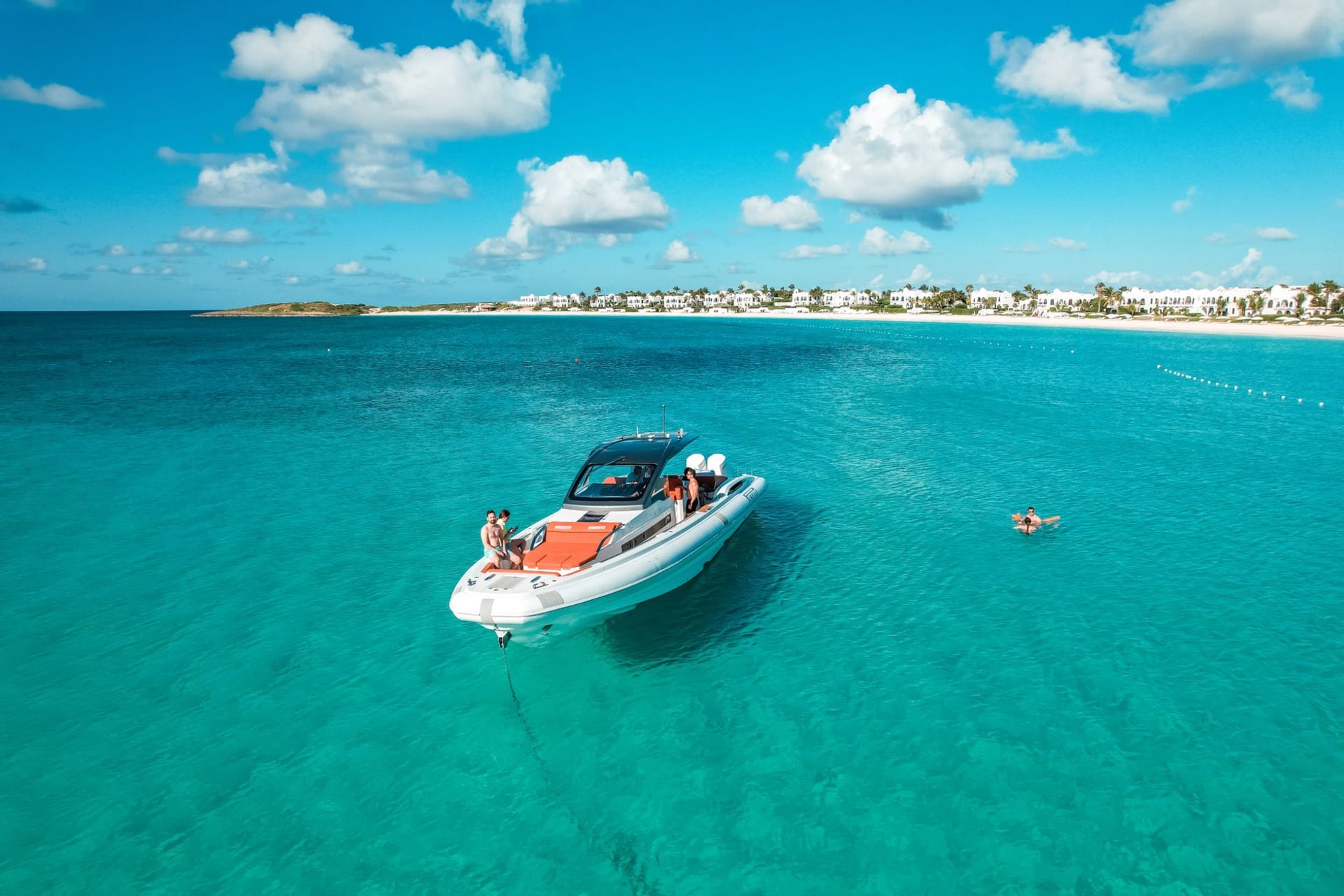
A flat British territory with no volcanic drama and no casinos — just eighteen miles of sand so white and water so clear it makes every other Caribbean beach feel like a consolation prize.

The ferry from Saint-Martin takes twenty minutes. You clear customs in a shed the size of a garage, a ceiling fan turns overhead, and someone stamps your passport without looking up. This is your introduction to Anguilla. No drama, no spectacle — and then you get to the beach and understand immediately why people fly across the Atlantic for this particular flat, scrubby island.
Shoal Bay East is where most people end up first, and it is not a disappointment. The sand is the powdery, almost fluorescent white that you have seen in photographs and assumed was digitally enhanced. The water is layered — shallow turquoise graduating into deep cobalt — and warm enough that there is no cold-shock moment when you wade in. What strikes me, though, is the silence. Anguilla has no cruise ship port, no casinos, no water parks. The island’s entire economy runs on small luxury hotels and a handful of beach bars, which means the loudest thing on Shoal Bay on a weekday morning might be the generator running a blender for a rum punch you did not order yet but absolutely will. I sat under an almond tree for an hour and watched a pelican work the shallows. It felt less like a beach day and more like a suspension of normal time.
The food caught me off guard. I expected the usual resort circuit — mediocre pasta, overpriced burgers — and instead found grilled lobster at a shack called Dune Preserve, built entirely from driftwood and salvage by a local musician named Bankie Banx, with a stage where he plays on weekends. The lobster was split down the middle, brushed with garlic butter, cooked over coals on a grill that had clearly done this ten thousand times. Conch stew at a roadside lunch counter in The Valley. Johnny cakes, dense and slightly sweet, served alongside flying fish at a place with four plastic chairs and a television showing cricket. Anguilla is not a food destination in the way that Martinique or Oaxaca is — but if you ask around instead of defaulting to the hotel restaurant, you eat extraordinarily well.
When to go: December through April is peak season — dry, warm, with low humidity and steady trade winds that keep the heat bearable. February and March are the sweet spot: water visibility is at its best and the risk of rain is minimal. May and June offer the same conditions with meaningfully lower prices and fewer visitors. Avoid July through October; hurricane season is real and August through September can bring rough seas that close the ferry.
What most guides get wrong: They market Anguilla as an ultra-luxury destination and leave readers with the impression that you need to be staying at a five-thousand-dollar-a-night villa to belong here. That is nonsense. The beaches are public, the beach bars are cheap, the ferry from Saint-Martin is twenty dollars, and you can eat very well for almost nothing if you avoid the hotel dining rooms. Yes, there are extraordinary luxury properties — Cap Juluca, Belmond Cap Juluca, Malliouhana — but Anguilla does not require you to use them. The real mistake would be to treat this place as a backdrop for a resort holiday. It is one of the most genuinely peaceful pieces of land in the entire Caribbean. That is the thing worth coming for.
Explore
Places in Anguilla
 anguilla
 Dune Preserve
A bar built from driftwood and defiance at the far end of Shoal Bay West, where Bankie Banx plays music on weekends and the lobster is always the right answer.
Explore anguilla
 Island Harbour
A working fishing village on the east end where brightly painted boats launch at dawn and lobster arrives at your table by noon.
Explore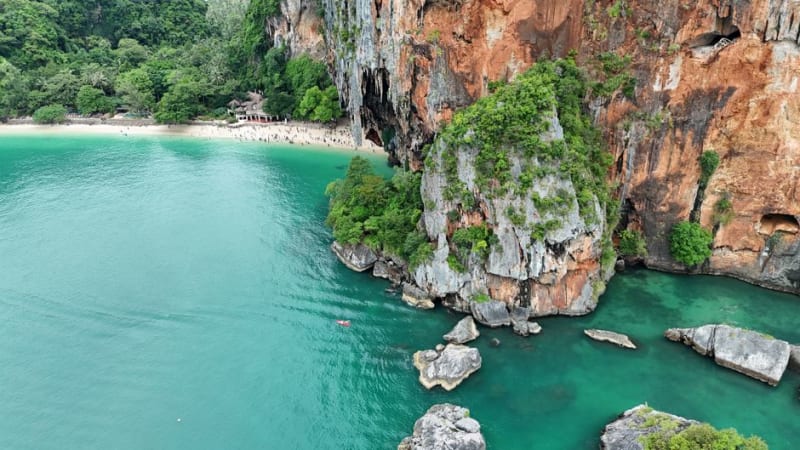 anguilla
 Katouche Bay
A cliff-hemmed cove near a limestone cave, where a short walk through scrub delivers Anguilla's best snorkeling with almost nobody around.
Explore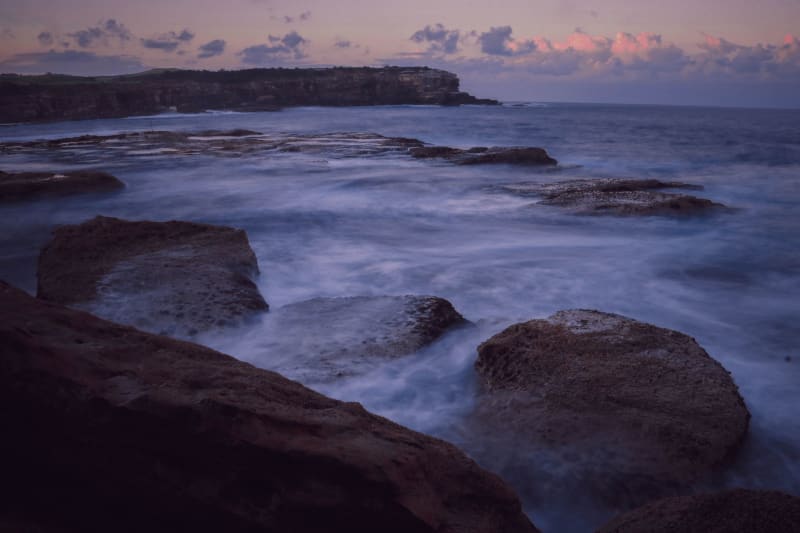 anguilla
 Little Bay
A secret-feeling cove that demands you either climb down a cliff or arrive by boat — both options feel adequately earned.
Explore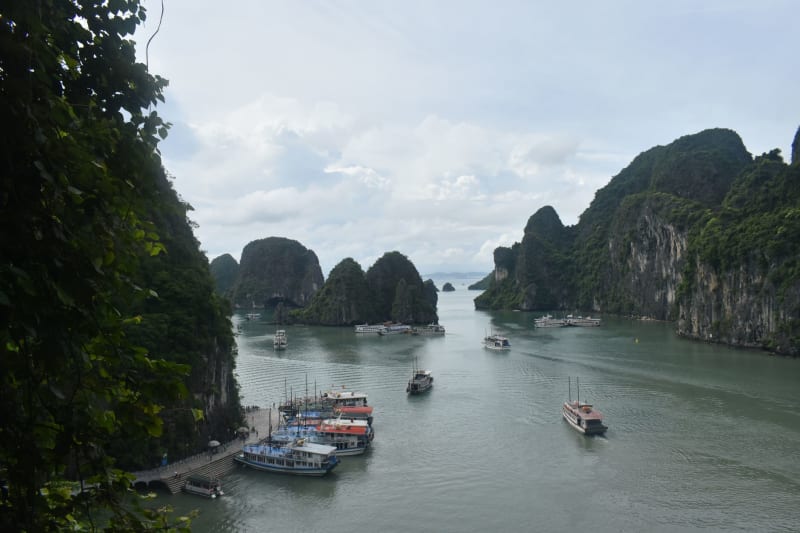 anguilla
 Maundays Bay
A half-moon of flawless white sand on the southwest tip where Cap Juluca's white domes mark the high-water mark of Caribbean luxury.
Explore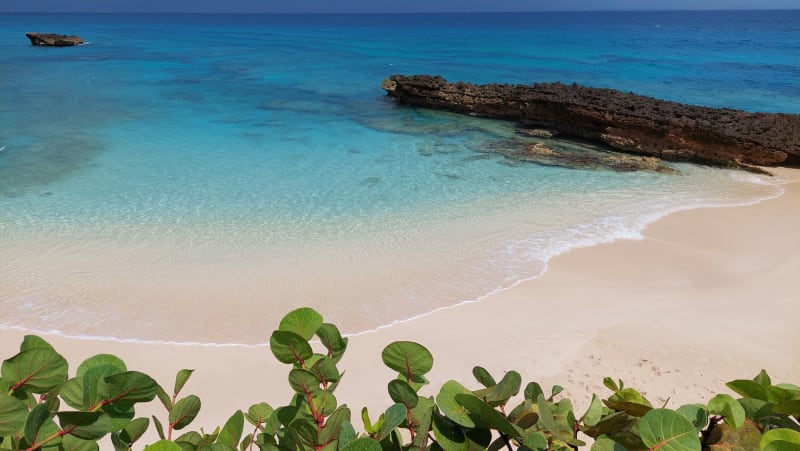 anguilla
 Meads Bay
A long, west-facing bay where the light at dusk turns the water copper and the beach stays quiet enough to hear the surf breathing.
Explore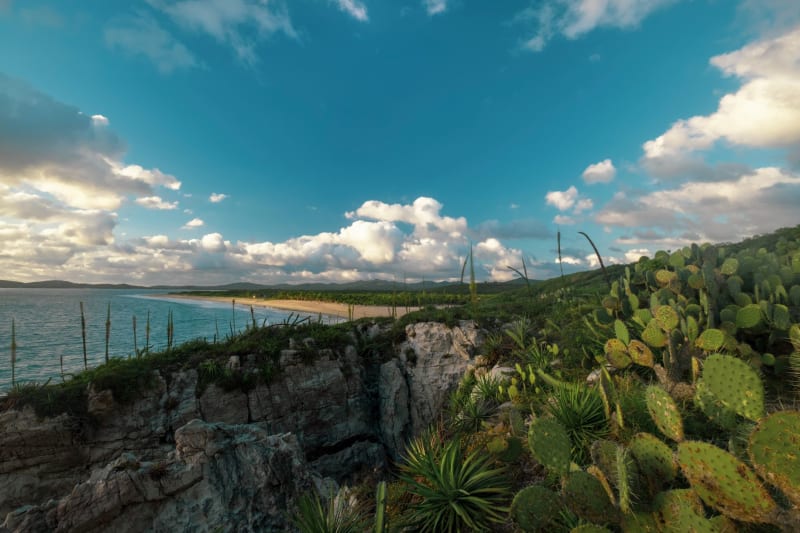 anguilla
 Prickly Pear Cays
Two uninhabited cays about ten kilometres off Anguilla's north coast, reachable only by boat, where the reef drops off a white sandbar and a single beach shack grills the day's catch.
Explore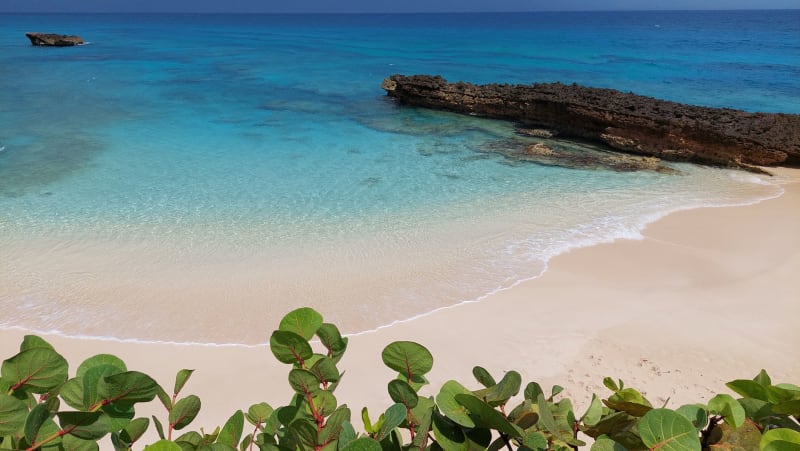 anguilla
 Rendezvous Bay
The island's longest beach faces Saint-Martin across three miles of flat water, a daily reminder that paradise has neighbours.
Explore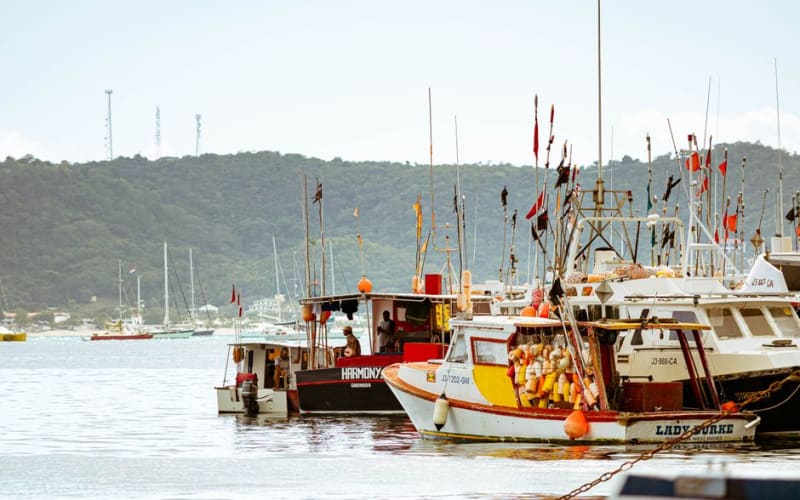 anguilla
 Road Bay
The working harbor at Sandy Ground, where weathered fishing boats and glossy yachts share the same stretch of turquoise anchorage.
Explore anguilla
 Sandy Ground
The island's most sociable village, where a salt pond meets a fishing beach and rum flows until someone decides it's late enough.
Explore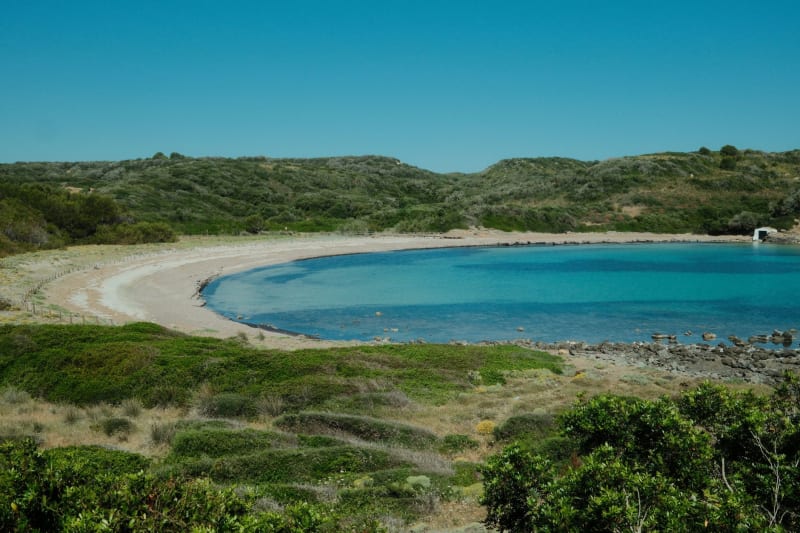 anguilla
 Sandy Hill Bay
A quiet eastern bay where Anguillans actually swim, the water is calm enough for children, and nobody is selling you anything.
Explore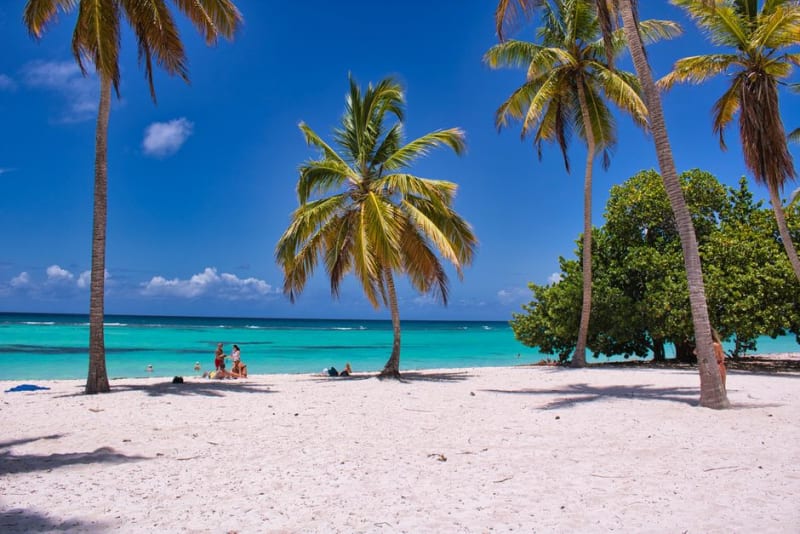 anguilla
 Sandy Island
A postage-stamp sandbar with a fringe of palms, ten minutes by boat off Sandy Ground, where the whole itinerary is do nothing at all.
Explore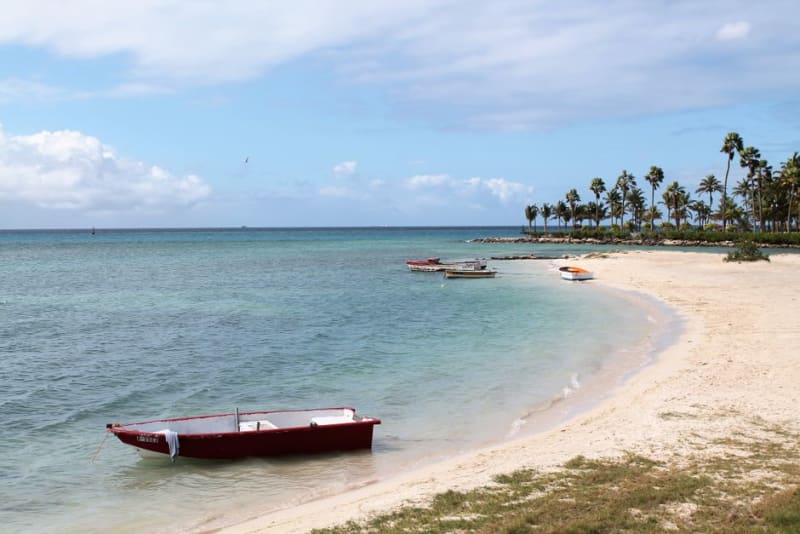 anguilla
 Savannah Bay
A long, largely empty beach on Anguilla's northeast shore, where the sand seems to stretch further than any crowd ever bothers to follow.
Explore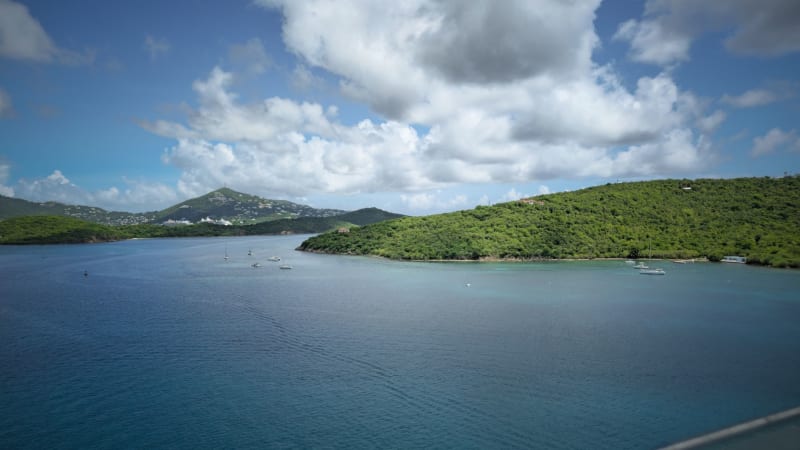 anguilla
 Scrub Island
An uninhabited island off Anguilla's northeast coast where nurse sharks sleep in the shallows and the silence is structurally intact.
Explore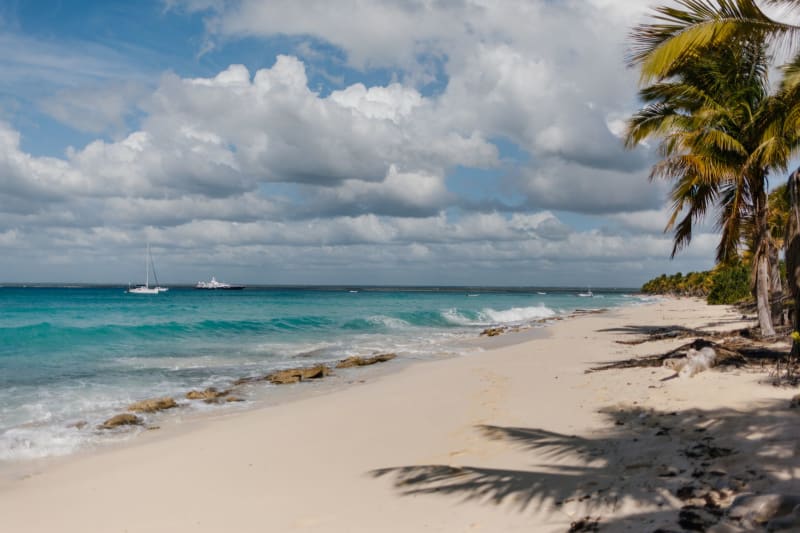 anguilla
 Shoal Bay East
Two miles of fluorescent white sand where the Caribbean earns every superlative ever written about it.
Explore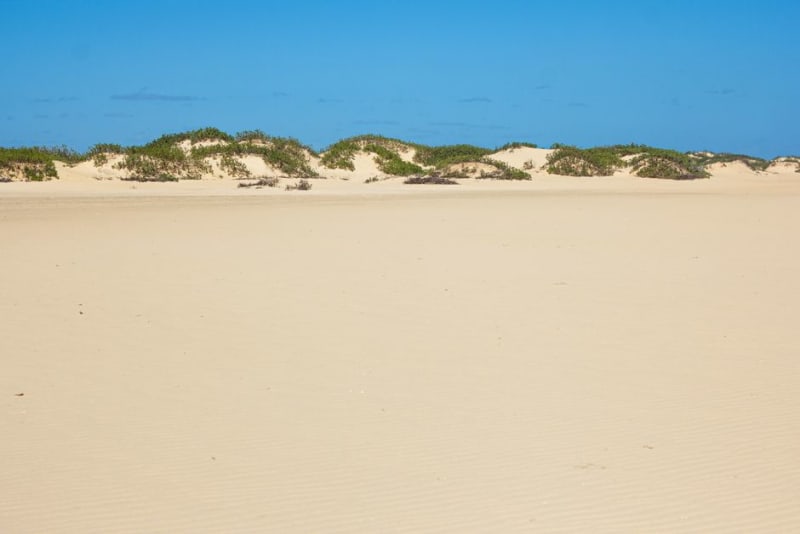 anguilla
 Shoal Bay West
A hushed stretch of white sand on Anguilla's west end, backed by mangroves and salt ponds where herons outnumber tourists.
Explore