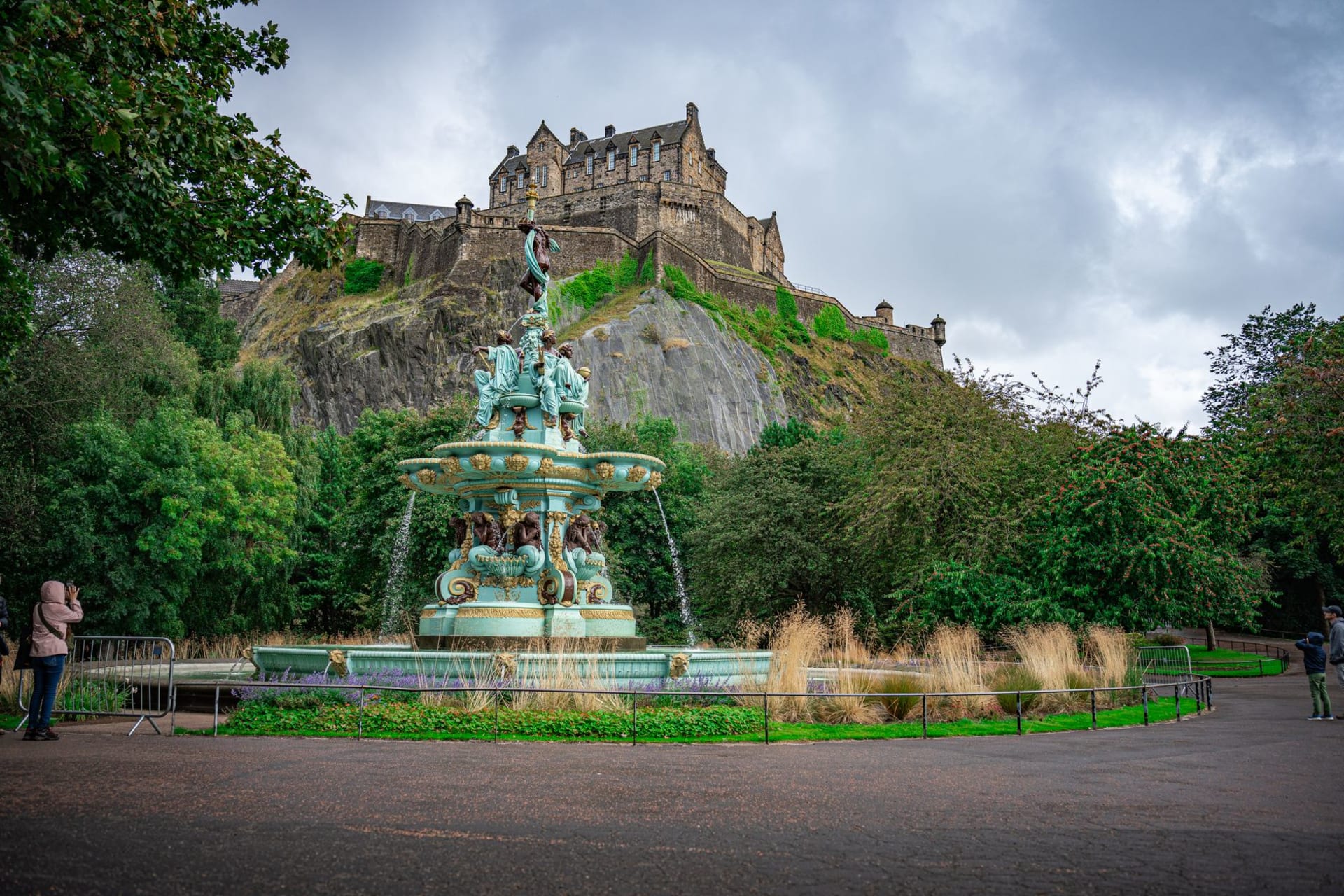
Ross Island
"The jungle here is not reclaiming the buildings. It is correcting a mistake."
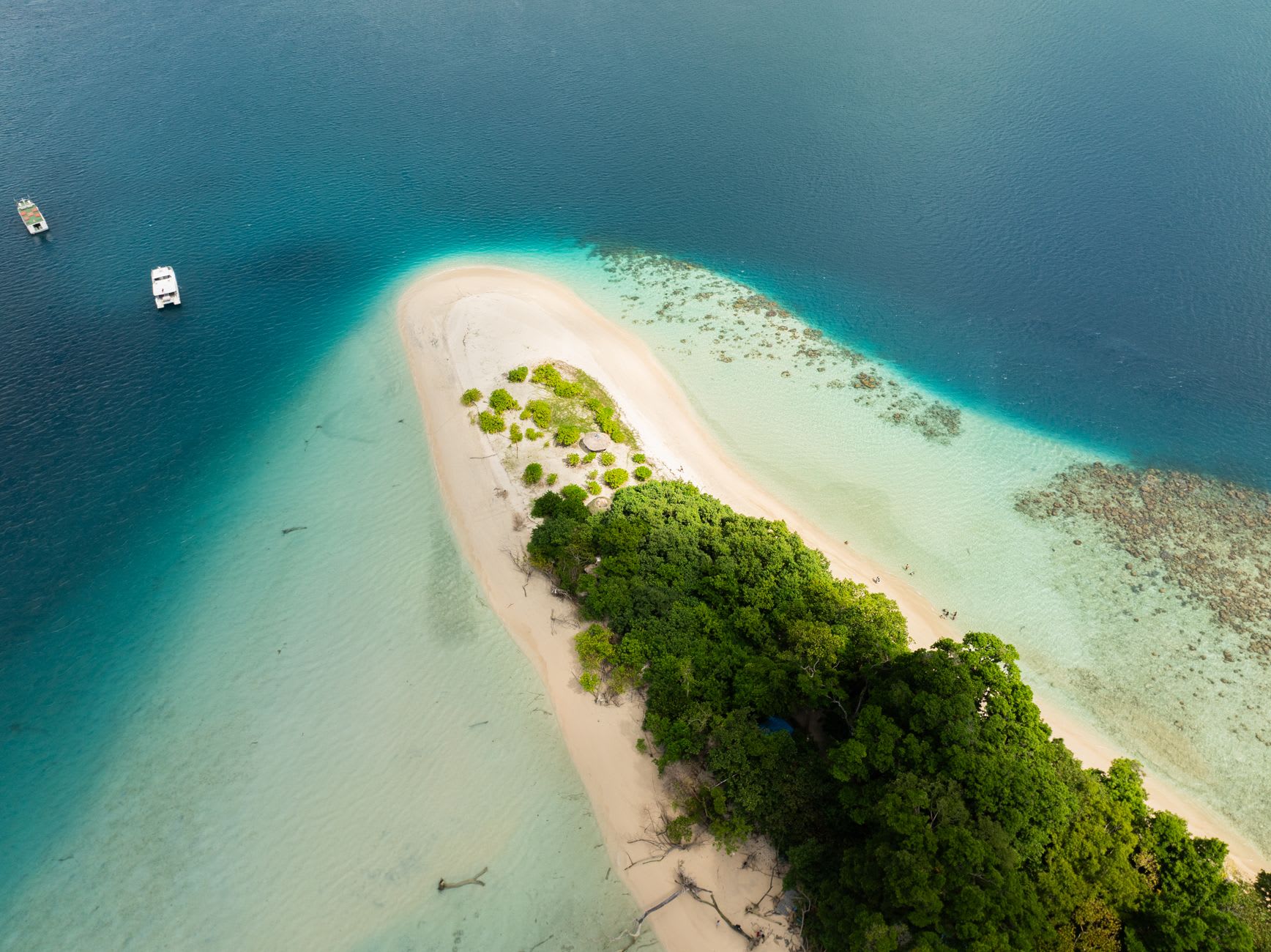
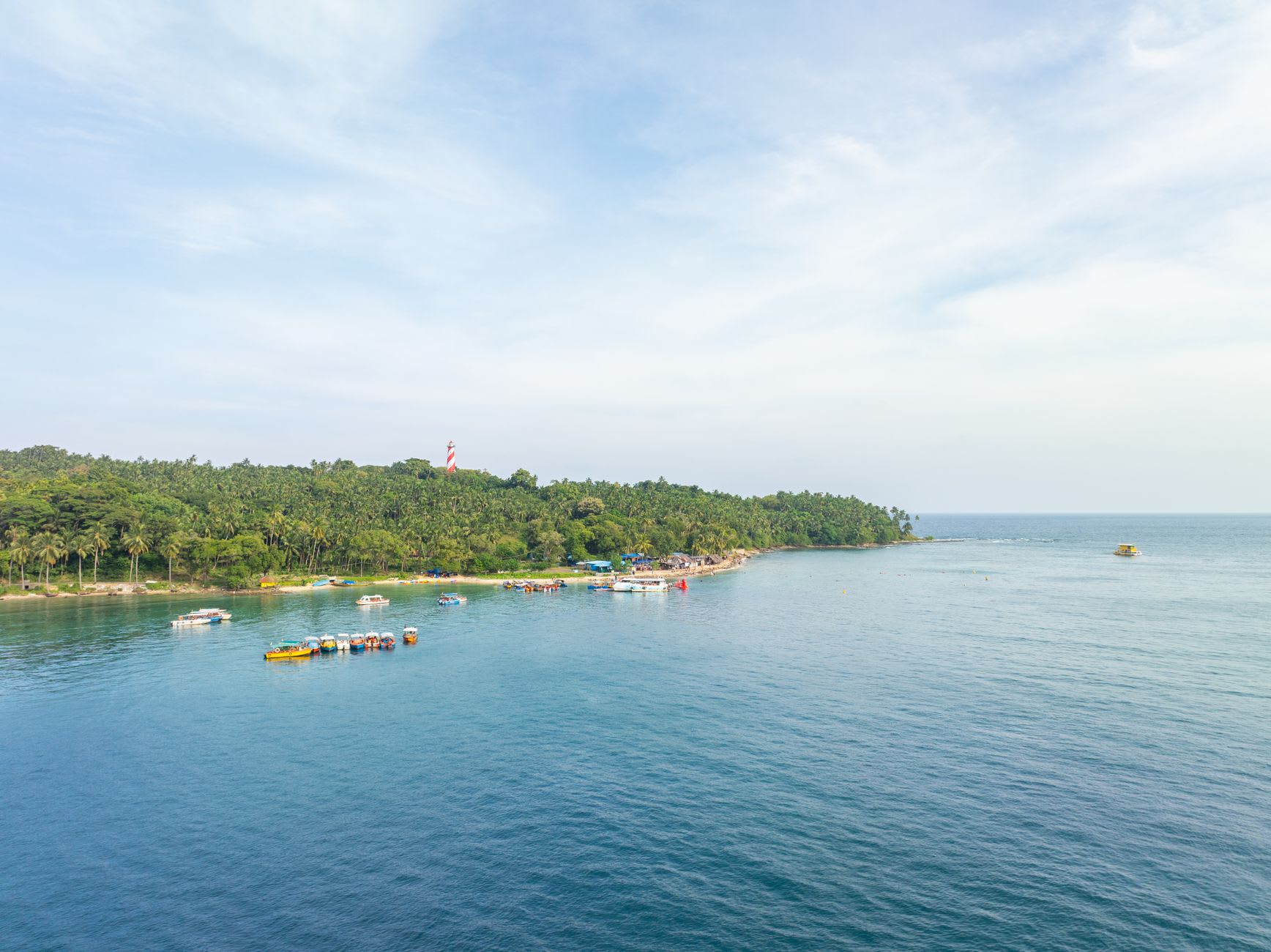
The ferry to Ross Island takes twelve minutes from Water Sports Complex Jetty in Port Blair, which is barely long enough to finish a cigarette, but long enough to watch the island materialize from the sea haze as a mound of green so thick it conceals almost everything beneath it. Almost. Here and there, through gaps in the canopy, you can make out the pale geometry of ruined buildings — a roofline, a curve of brick, the skeletal frame of what was once a church steeple. The island is only about a kilometer across and has been uninhabited since the 1942 Japanese invasion, when the British who called it the administrative capital of the Andamans fled, and the jungle immediately began the work of erasure.
Erasure is the wrong word, actually. The jungle has been too thorough for erasure. What has happened on Ross Island is something stranger and more beautiful — a slow, indifferent consumption, where the trees have not demolished the British colonial architecture so much as incorporated it. The roots of enormous fig trees have grown through the walls of the Chief Commissioner’s residence, through the bakery, through the printing press building, wrapping masonry in a grip that is both destructive and somehow tender. I spent an hour just in the area around the old ballroom, where the floor has cracked and heaved and a tree has grown up through what was once the center of the room, its trunk as wide as a doorway and its canopy replacing the ceiling. Peacocks stood in the undergrowth nearby, unbothered.
The deer are a detail I had not been warned about. A small herd of spotted deer was introduced to the island at some point during the British period and their descendants have lived here ever since, moving between the ruins with the casual ownership of animals who have had the place to themselves for decades. They ignore tourists with a practiced indifference. I watched a doe pick her way across the rubble of what the information board identified as the “Chief Commissioner’s Lawn” while a peacock called from somewhere inside the ruins of the adjacent building — a scene so theatrically picturesque it felt staged, except the deer was not performing anything, just moving through its home.
There are also Japanese bunkers at the northern end of the island, from the occupation period, and a small museum with photographs of the colonial era — tables set for formal dinners, tennis courts, a swimming pool that has since been returned to mud. Looking at the photographs and then at the ruins is an exercise in time that I found oddly moving. The British who built this called it the Paris of the East, which is the kind of colonial hyperbole that requires no comment. What remains is more interesting than what was there: a forest in the middle of the sea, with animals and ruins and the best figs I have eaten anywhere growing wild from the crumbling walls.
When to go: The ferry runs year-round from Port Blair, but the island is most pleasant between November and February when the humidity is lower and the light through the forest canopy is cleaner. Go in the morning before the day-trip crowds from Port Blair arrive — the first ferry gets you there with the island largely to yourself.