
Port Blair
"Every ferry out of Port Blair passes the Cellular Jail. It is not possible to look away."
Most guides will tell you to spend as little time in Port Blair as possible, and most guides are half-right. The city is not beautiful. Aberdeen Bazaar has the organized chaos of any Indian market town — auto-rickshaws threading through pedestrians, mobile phone repair shops wedged between spice sellers, the smell of diesel and frying onions and sea salt arriving in simultaneous waves. But Port Blair is where the Andamans’ weight resides, where the history that makes this archipelago more than a beach holiday becomes tangible and difficult to look away from. Spending one proper day here is not a sacrifice. It is a requirement.
The Cellular Jail is the reason. Built by the British between 1896 and 1906 to isolate political prisoners from the Indian independence movement — “transported” here to a place so remote that escape was considered impossible — it is one of the more sobering structures I have walked through in years of travel. Seven wings radiating from a central watchtower like spokes of a wheel, each cell exactly four and a half meters by two and a half, each with a ventilation hole positioned deliberately so prisoners could see only the prison wall opposite and never the jungle or the sea. I read the names carved into the walls. I stood in the central tower and looked down each corridor and understood, viscerally, what the design was meant to do. The evening sound-and-light show is theatrical in the way these things always are, but it fills in the names — Veer Savarkar, Batukeshwar Dutt, Yogendra Shukla — with voices, which helps.
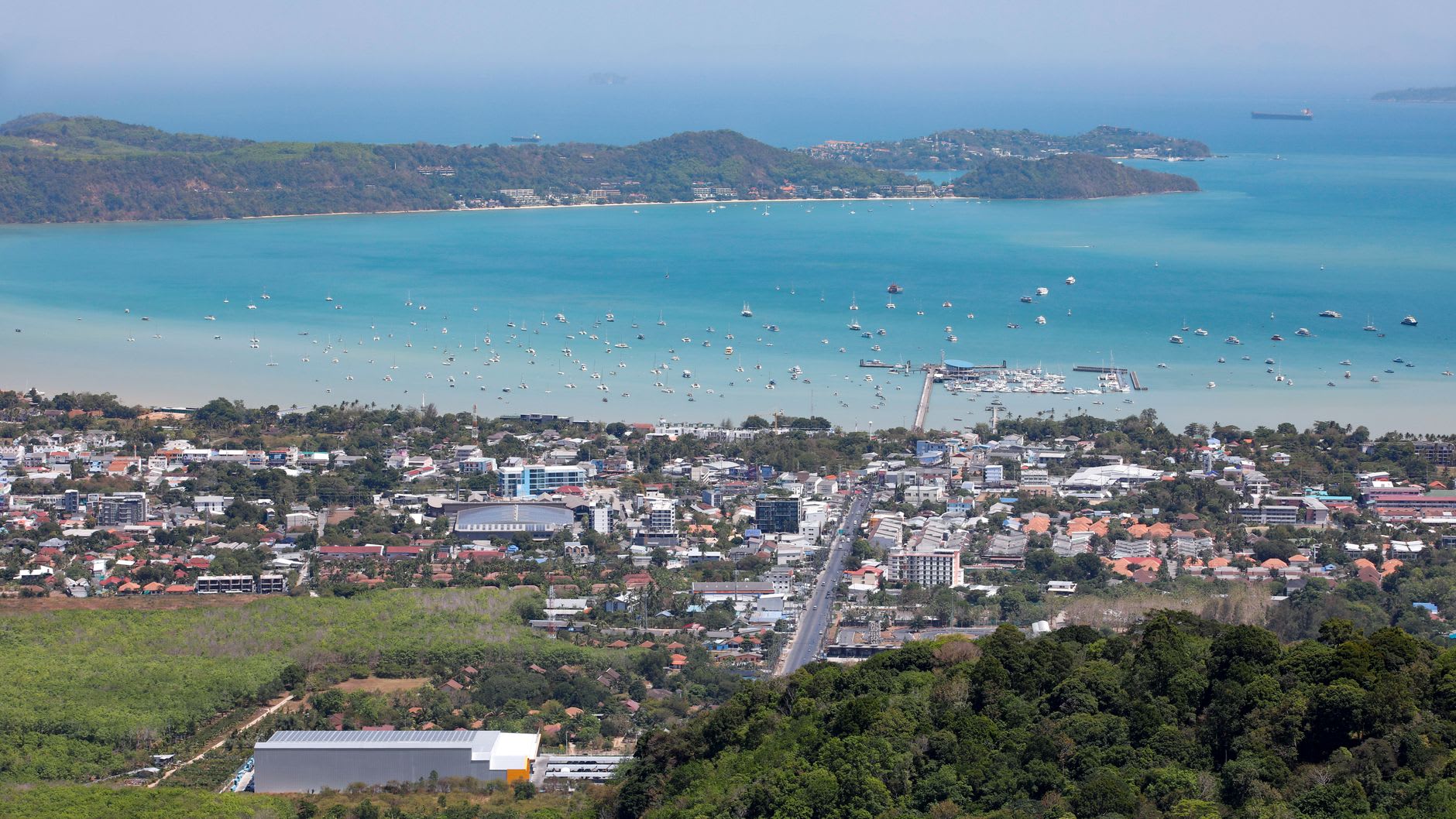
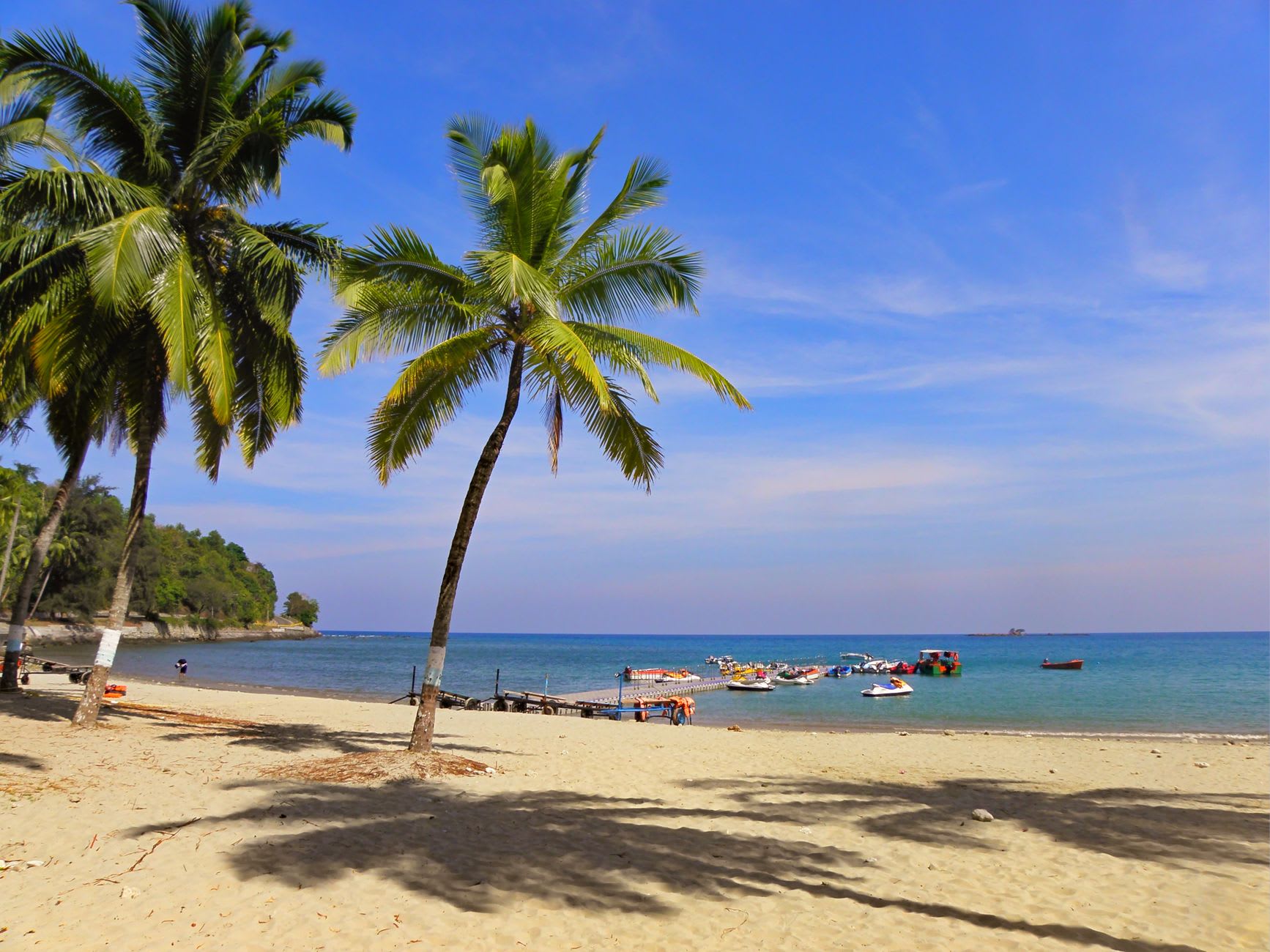
Outside the jail, the waterfront has its own slow rhythm. The Phoenix Bay Jetty is where the big inter-island ferries come and go, and watching a departure in the early morning — hundreds of people, a mountain of cargo, the engine noise building to a low throb before the vessel pulls away from the dock — gives you a sense of the logistics that hold this archipelago together. Corbyn’s Cove, a few kilometers south by auto-rickshaw, is the city’s local beach: small, somewhat crowded on weekends, not Radhanagar by any measure, but pleasant enough for an evening swim with Port Blair’s modest skyline behind you.
Eat in the alleys around Aberdeen Bazaar where the small Tamil-run hotels serve thali meals that cost almost nothing and arrive with four small bowls of different curries and enough rice to feed a larger person than me. The fish curry here has the sour tang of kokum and a heat that builds slowly. There is a chai stall near the clock tower that opens at 5:30 a.m., and if you have an early ferry the tea is the right density — dark, very sweet, with cardamom — and the samosas are deep-fried to order. I have started trips to Havelock and Neil from this specific stall three times now. It has become a ritual, the sweet tea and the sound of the city waking up, before the diesel and the open water take over.
When to go: Port Blair is a year-round city — you pass through regardless of season. If you want to linger, November through February is the most comfortable: dry, warm but not brutal. Monsoon months (June–September) are genuinely hot and wet but the city functions fine; it’s the outer islands that become inaccessible.