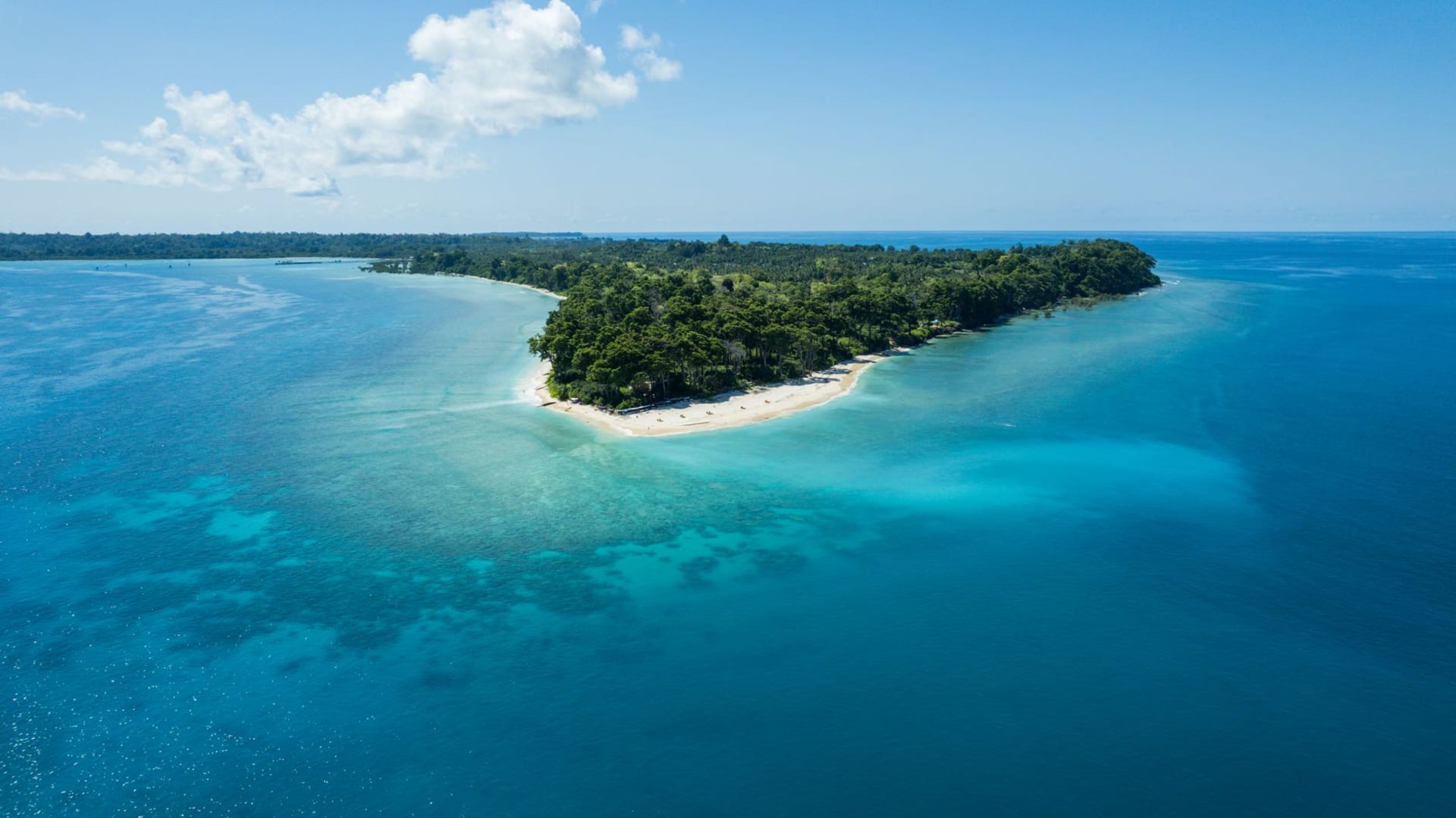
The ferry from Havelock to Neil takes about forty minutes, and the ratio of cargo to passengers told me immediately what kind of island I was headed toward. A motorbike lashed to the lower deck with rope. Sacks of rice. A refrigerator in a hessian jacket. Neil Island functions as a real place, which is to say it functions as something more than a tourism delivery mechanism, and this distinction is felt the moment you step off the jetty and find not a gauntlet of tuk-tuk drivers quoting inflated fares but two or three men with bicycles to rent at prices that have not adjusted upward to match the tide of visitors.
I rented a bicycle for the day and discovered within the first twenty minutes that Neil is the right size for exactly this. The island is small enough to circle in half a day on two wheels — past fields of vegetables grown for the markets of Port Blair, through groves of coconut palms where crows argue in the canopy, down to Bharatpur Beach where at eight in the morning the water was glassy and a group of men were pulling a net through the shallows, their bare feet leaving prints in the wet sand. I watched them work for a while, not understanding the choreography but recognizing the patience in it. Then I took my shoes off and went swimming.
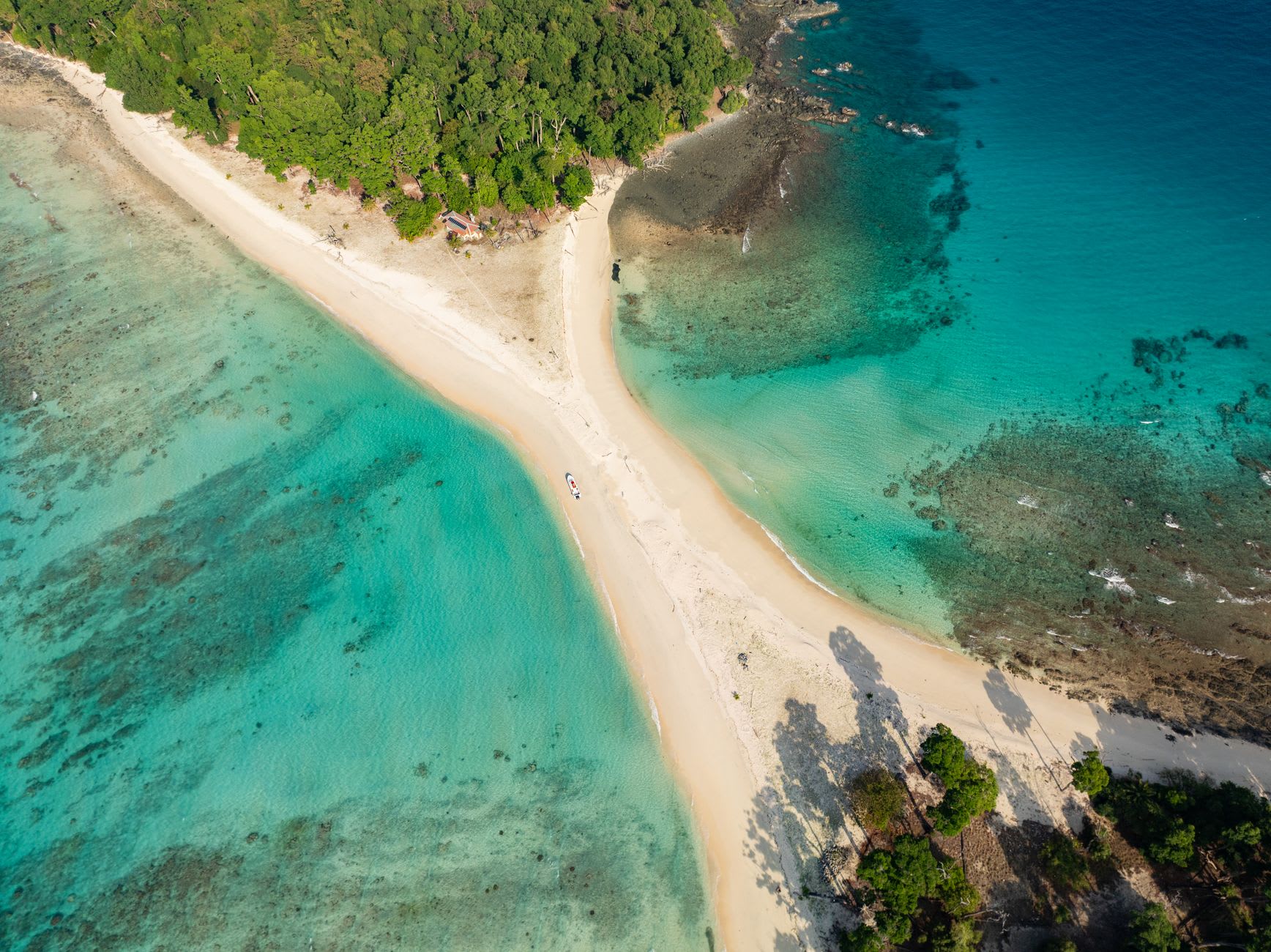
Laxmanpur Beach is on the western shore, facing the setting sun, and I was told by everyone on the island to be there at six. This is rare travel advice that turns out to be completely accurate. The beach is wide, the sand pale and powdery, and at the southern end a series of eroded limestone formations jut from the water in shapes that a more fanciful person might name. At six o’clock the sun drops toward the horizon and the whole tableau — rock formations, flat water, scattered figures watching from the sand — turns amber, then orange, then a deep copper. I had never eaten at the same plastic table two nights running at a beach restaurant before Neil Island. I did here, both nights, because the fried fish with coconut rice at the place run by a family whose name I never learned was that good, and because the cat who installed itself on the chair next to mine had developed expectations I felt obliged to meet.
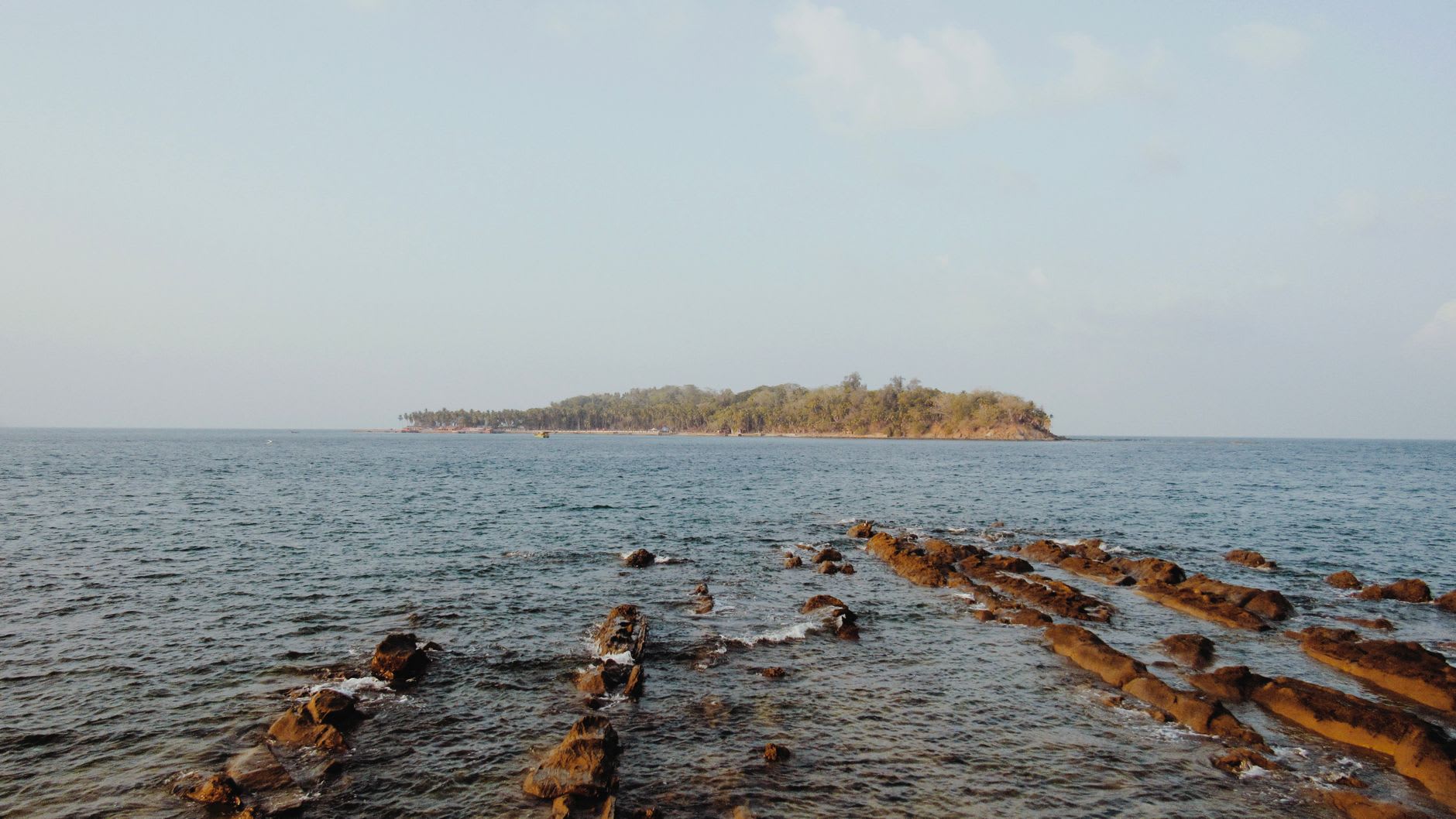
What Neil does that Havelock cannot quite manage is nothing. It does nothing exceptionally well. The pace here is not manufactured slow — not the performed relaxation of a wellness resort — but genuinely unhurried in the way of a place that has its own rhythms and does not need to adjust them for you. The village comes alive in the morning when the fishing boats return, quiets through the middle of the day, and reconvenes in the evening around the tea stalls where the generator-powered fans turn slowly and the sound from someone’s radio drifts through the open door. If you have been traveling hard, this island will stop you. I was there for two days and stayed for five.
When to go: November through April. The shoulder months of October and May see occasional rain but thinner crowds — and Neil never gets crowded enough to matter anyway. The monsoon from June through September turns the sea too rough for the small inter-island ferries.