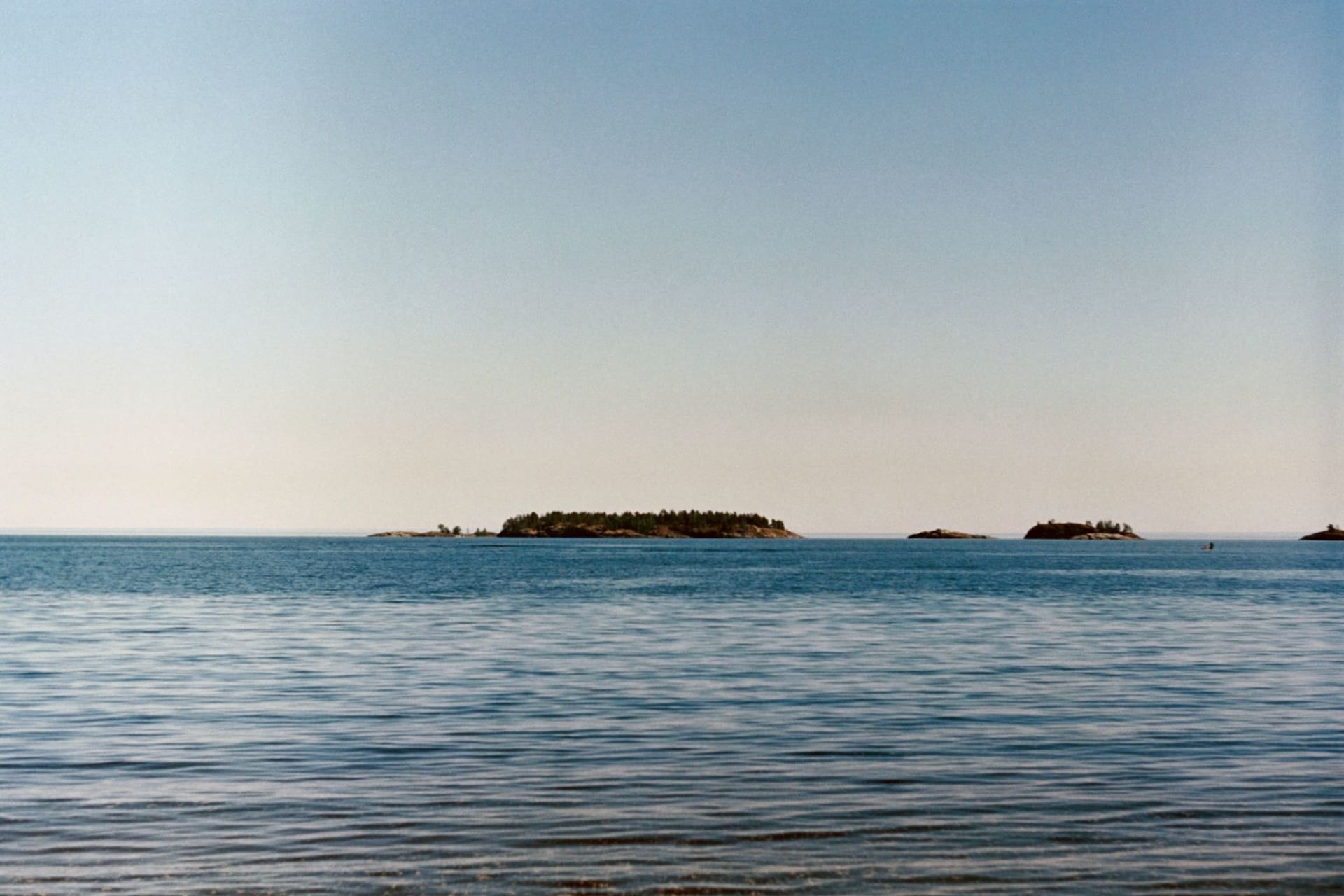
Long Island
"Lalaji Bay has no road. You get there by walking through the jungle for an hour, and it is worth every minute of that."
Long Island sits in the middle of the archipelago — between Port Blair to the south and Havelock to the north — and the ferry schedule puts it in an awkward position: accessible, but not on the way to anything. Most travelers pass it by on the direct Port Blair-to-Havelock boat, and this is exactly what makes it interesting. I came deliberately, on the slower government ferry that stops at the small jetty at Long Island settlement, and was met on the pier by a group of children who wanted to know where I was from and then, having established this, lost interest and ran back toward the village.
The settlement is small — a few hundred people, a cluster of houses along the shore, a couple of provision shops, a tea stall where the benches are occupied by men with no particular urgency. The guesthouse I stayed in was run by a man who had moved here from the mainland thirty years earlier and seemed profoundly uninterested in leaving. He served dinner on a small outdoor table: fish curry, fried cauliflower, rice and papadums, a small bowl of something pickled. I ate alone with the sound of the generator and the sound of the sea alternating. The generator went off at ten.
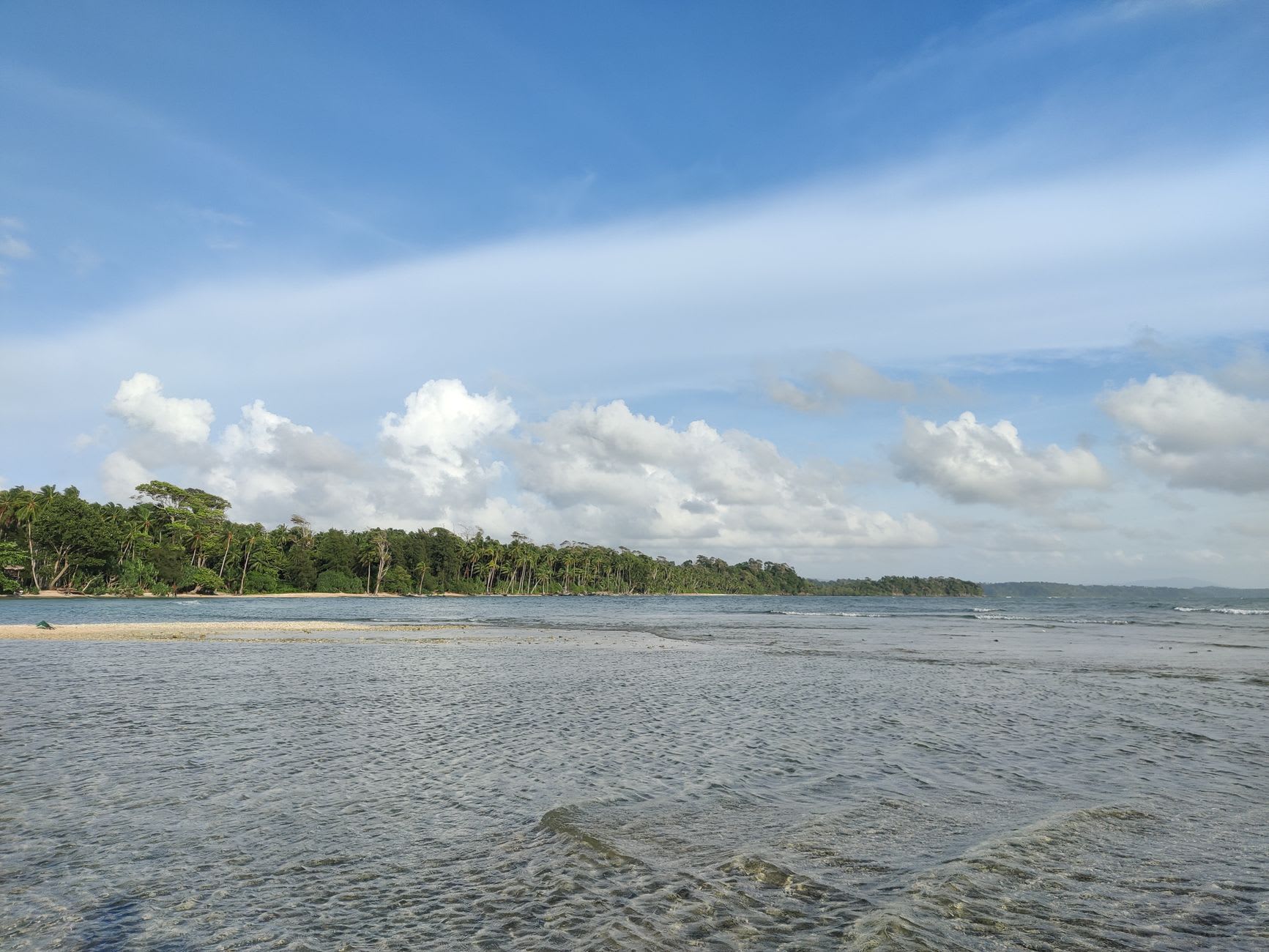
Lalaji Bay is the reason to be here and it requires earning. There is a forest trail that takes about an hour in each direction, starting from the village and running through primary jungle — the real thing, not a tourism version — where the canopy closes overhead and the light drops to a green-filtered half-dark and things move in the undergrowth in ways that you hear but don’t see. I went at dawn, alone, which I will not recommend or discourage, only say that the forest at dawn sounds like nothing else and the beach at the end of it, arriving suddenly through the last of the trees, stops you cold. Lalaji Bay is everything: a deep arc of white sand, no facilities, no people, water so clear over the shallow reef that the coral formations are visible from the shore like a map. I swam for two hours. A sea eagle worked the updrafts over the headland. I ate the egg sandwich I had brought and felt, completely, that I had used the morning well.
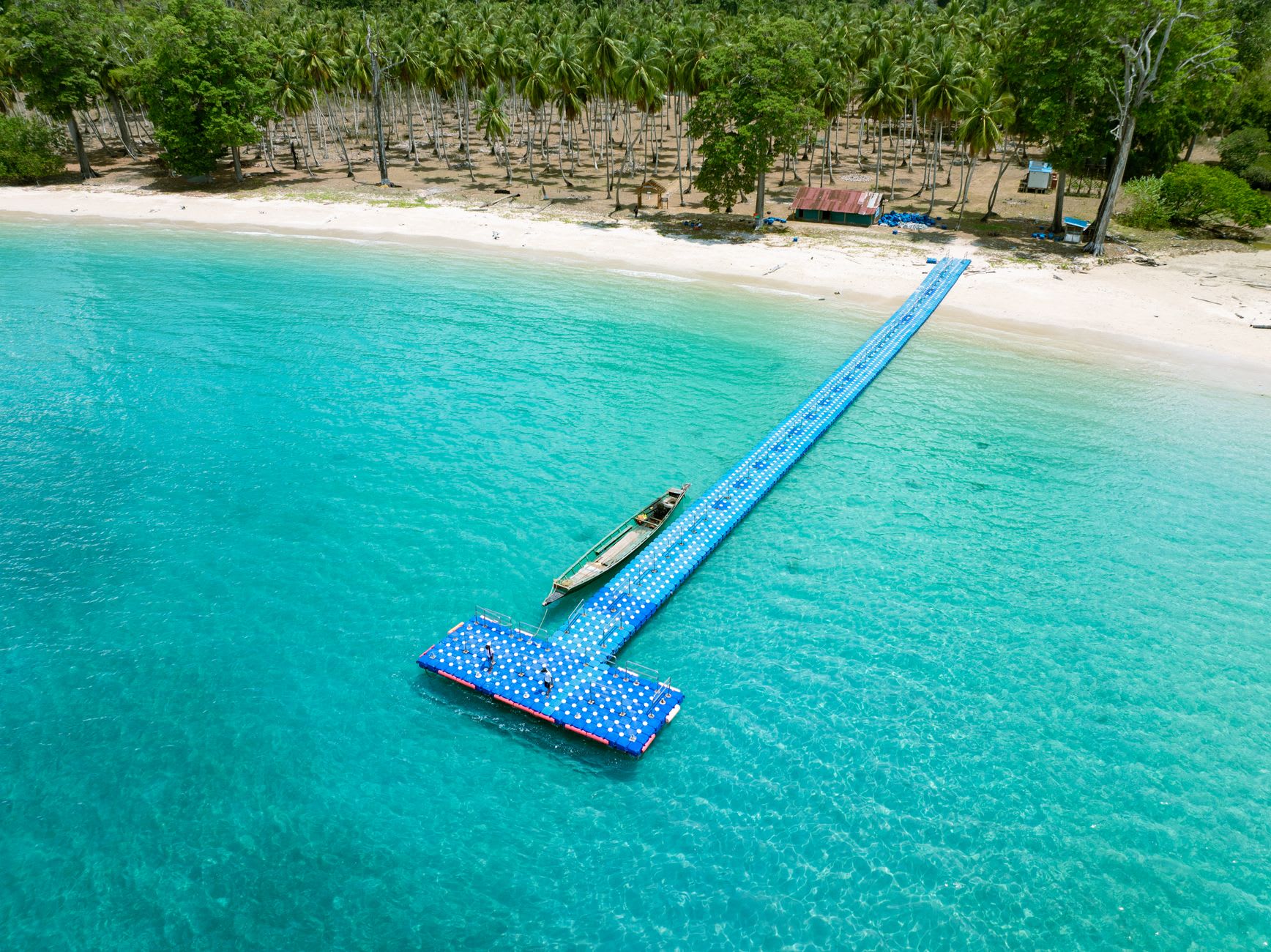
There is snorkeling at Lalaji Bay that is some of the best accessible snorkeling in the Andamans — hard corals in good health, lionfish in the crevices, parrotfish browsing the reef. You need to bring your own mask or rent from the settlement before setting out; there are no facilities at the beach itself. This is the nature of Long Island: everything requires a small amount of initiative, and the reward for each piece of initiative is a beach, or a meal, or an evening, that feels unmediated. The island has not been curated for you. It is just itself, and that requires very little improvement.
When to go: November through April, like the rest of the Andamans. Long Island’s relative obscurity means it is never crowded during peak season either — a quiet December here would feel like a quiet July almost anywhere else. Government ferries run from Port Blair and also connect to Havelock; check schedules in advance as they are infrequent.