Little Andaman
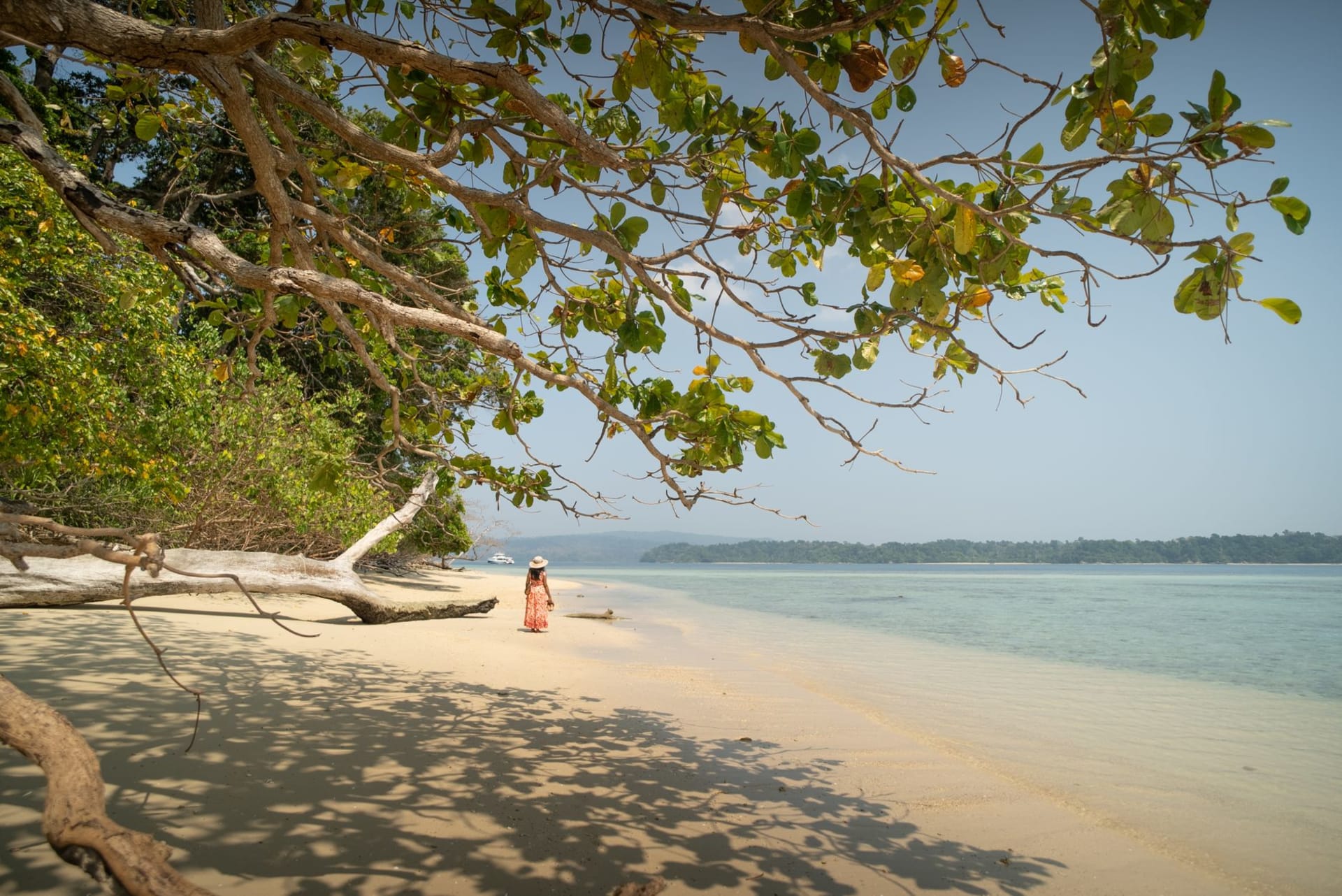
"The beach at Butler Bay is six kilometers long and there was nobody on it. This stopped feeling unusual after the first hour."
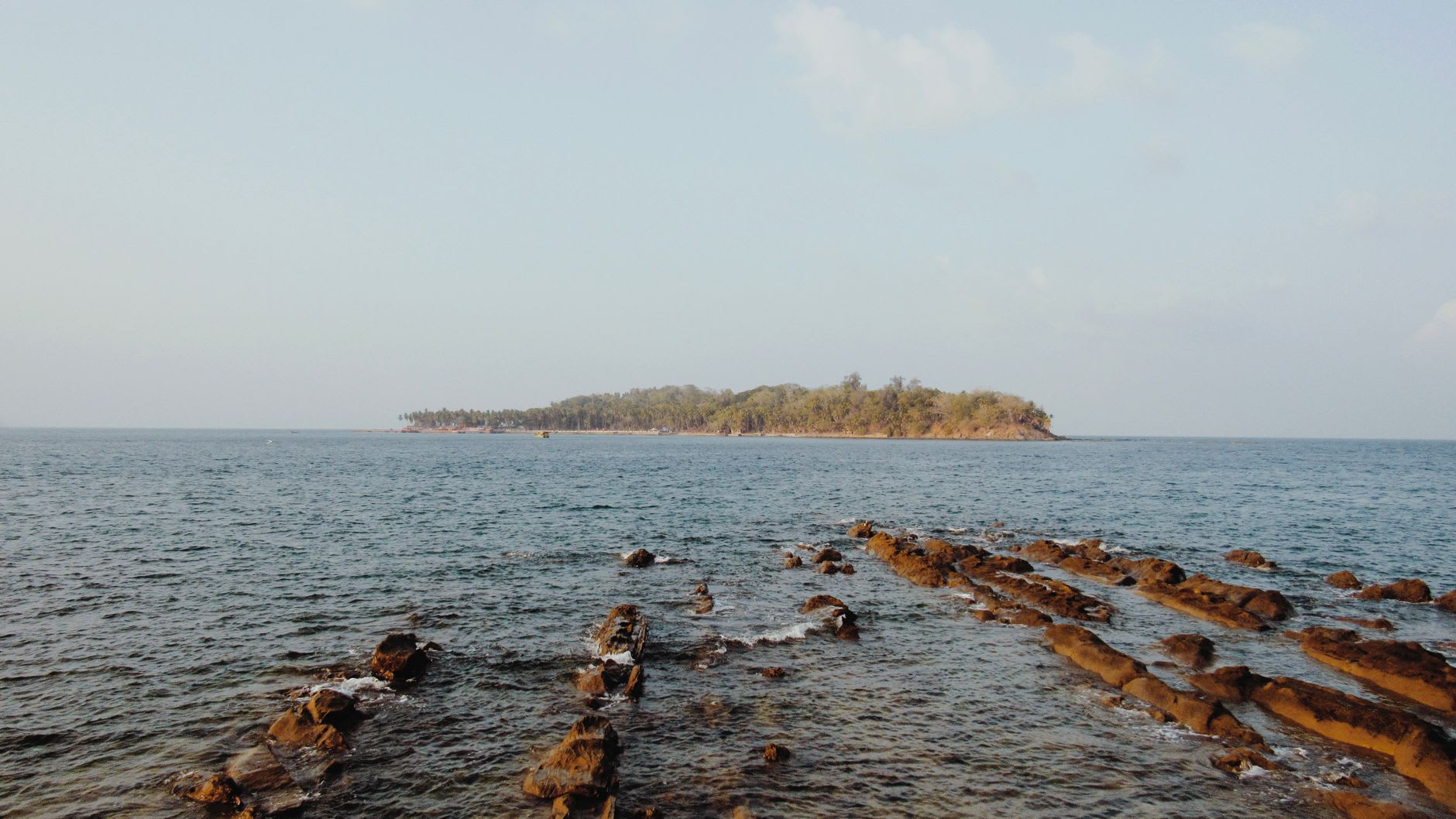
It takes about seven hours by ferry from Port Blair on the overnight government boat — the slow one, the one that still feels like a working vessel rather than a tourist shuttle — and you arrive at Hut Bay jetty in the grey light before dawn. The pier is functional, utilitarian, a different register entirely from the tourist jetties at Havelock. Men unload rice and motor oil and car tyres. The smell is diesel and salt and something agricultural underneath. Little Andaman is part of the same archipelago as Havelock Island but it exists in a completely different relationship to tourism, which is to say it barely acknowledges it.
The Onge, one of the last isolated indigenous groups in the Andamans, have lived on Little Andaman for thousands of years. Their reserve covers the southern portion of the island and is closed to outsiders entirely, which is how it should be. The northern end, around Hut Bay and the coast stretching westward to Butler Bay, is accessible, and this is where the island’s particular strangeness becomes apparent: you are standing at a surf break that, on the right swell, produces long, clean left-handers that peel for two hundred meters across a shallow sand bottom. A dozen surfers know about this. It is the furthest point from anywhere that the surf community has planted a flag in the Indian Ocean, and the men who discovered it drive jeeps with racks bolted to the roof along a dirt road through coconut plantation, and look at the horizon with the focused attention of people with skin in the game.
I don’t surf, but I walked the six kilometers of Butler Bay beach in both directions and found, at the northern end, a freshwater stream that crosses the sand and meets the sea in a fan of clear water. I followed it back through the treeline for twenty minutes to where it deepens into a pool shaded by canopy, dark and cold and clear enough to see the bottom. Elsewhere on the island, Whisper Wave Falls — a name that sounds invented but isn’t — drops through three tiers into a jungle pool about four kilometers from Hut Bay on a red laterite road that the jeeps share with goats. The falls are modest in scale but the setting is extravagant: dense forest, birdsong in layers, the sound of the water arriving before you can see it.

Accommodation is basic — there are a handful of government-run tourist huts and a few private rooms available around Hut Bay — and the food is what you find: small canteens serving dal, rice, fish fry. The electricity situation varies. An Italian surfer I met at the beach had been coming for four years and brought his own coffee and a set of books he reread on rotation. He said Little Andaman reminded him of how Bali felt in the early 1990s — before. He said “before” the way people say it when they mean something they can’t quite put words to: before it became what it became. I understood. There is something genuinely uncolonized about this island, and I held it gently, not wanting to be the thing that changes it.
When to go: November through April for calm seas and good surf. The swell is most consistent from December through February. The monsoon makes the ferry connection from Port Blair unreliable from June through September — the government boats sometimes stop running entirely during heavy weather, which can strand you for days longer than planned.