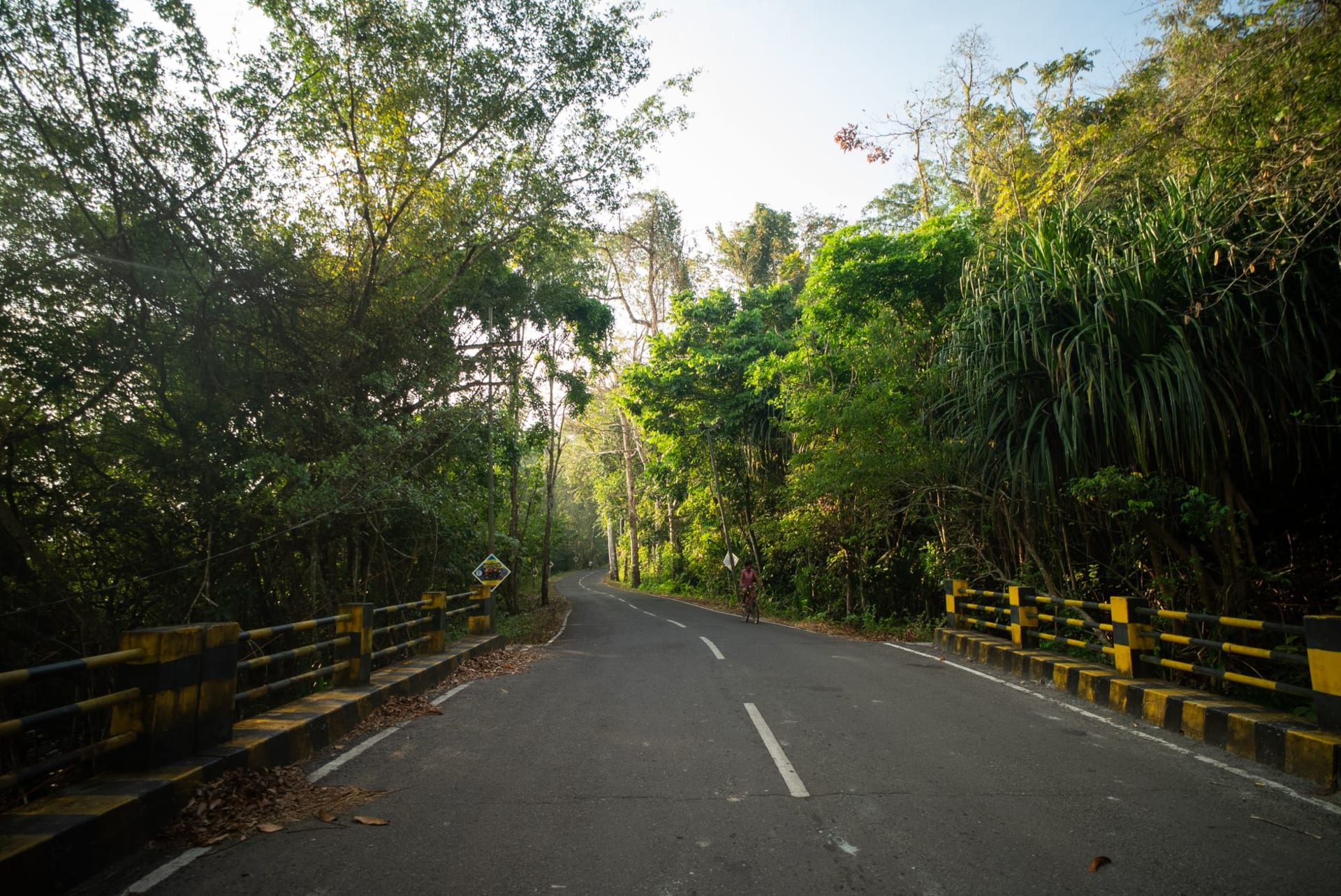
Havelock Island
"Radhanagar is the kind of beach that makes you understand why people abandon their lives for places like this."
I arrived on the afternoon ferry from Port Blair, the one that docks at the jetty in Village No. 1 with a grinding thud and a release of diesel smoke, and the first thing I saw stepping off the gangway was a man selling coconuts from a cart with a hand-painted sign that read “WELCOME TO HEAVEN.” He was not wrong, exactly, but he was also underselling it. Havelock Island is not heaven — it is more complicated than that, more layered, with its fishing village smell and the roosters at 4 a.m. and the generators cutting out mid-sentence. But the beach. The beach is something else entirely.
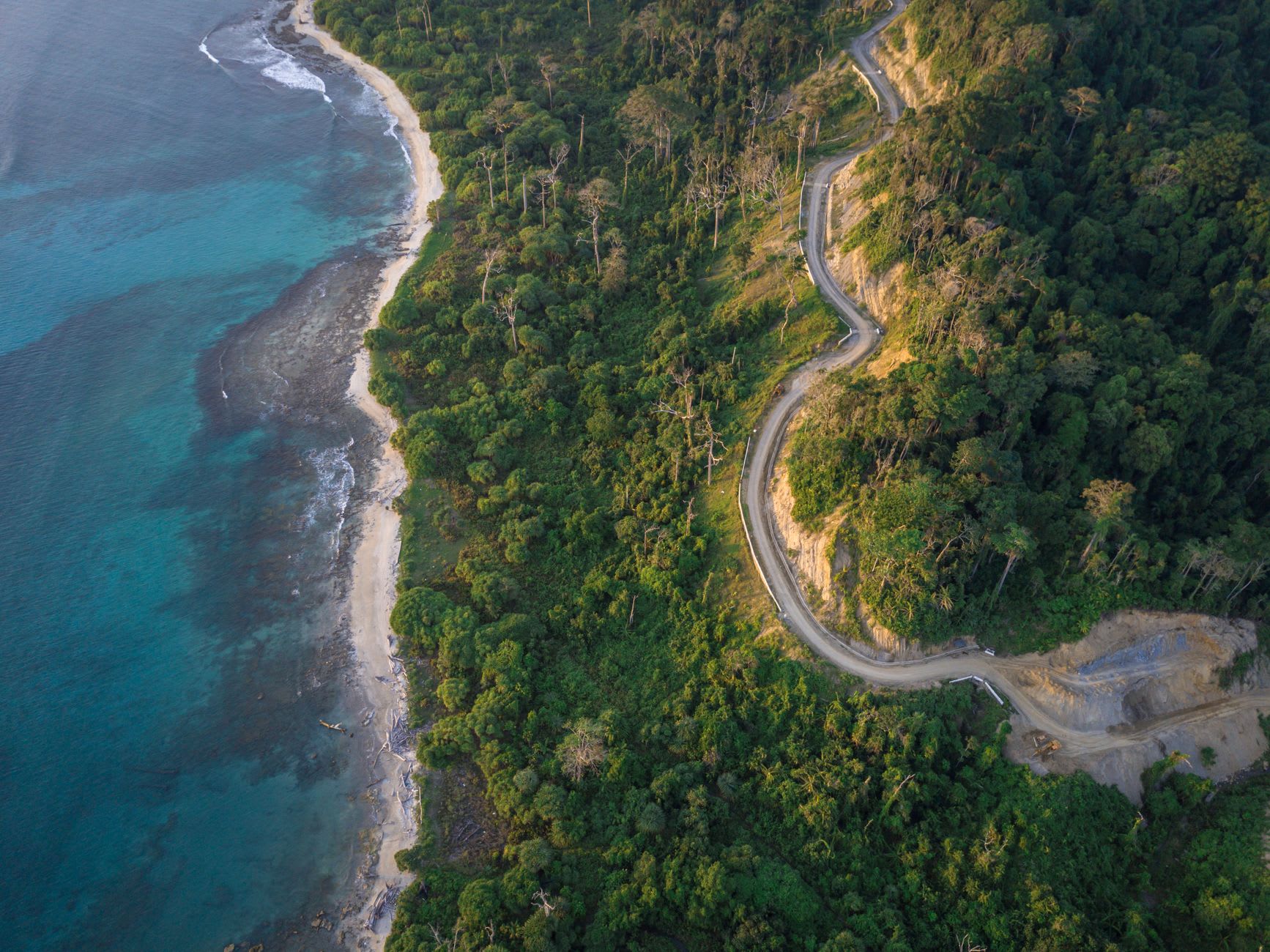
Radhanagar sits on the western side of the island, accessible by a twenty-minute tuk-tuk ride through stands of padauk and gurjan trees where sunlight breaks into columns. You hear the ocean before you see it. Then the treeline opens and there it is: a three-kilometer arc of sand the color of unrefined sugar, backed not by beach bars but by untouched forest, with water that moves through shades of jade and turquoise and cobalt depending on the hour. I arrived at four in the afternoon and sat in the shallows until the sun dropped below the treeline. The water was exactly body temperature. There were maybe fifty other people on a beach that could fit a thousand. I thought: this is what the world looked like before we ruined everything.
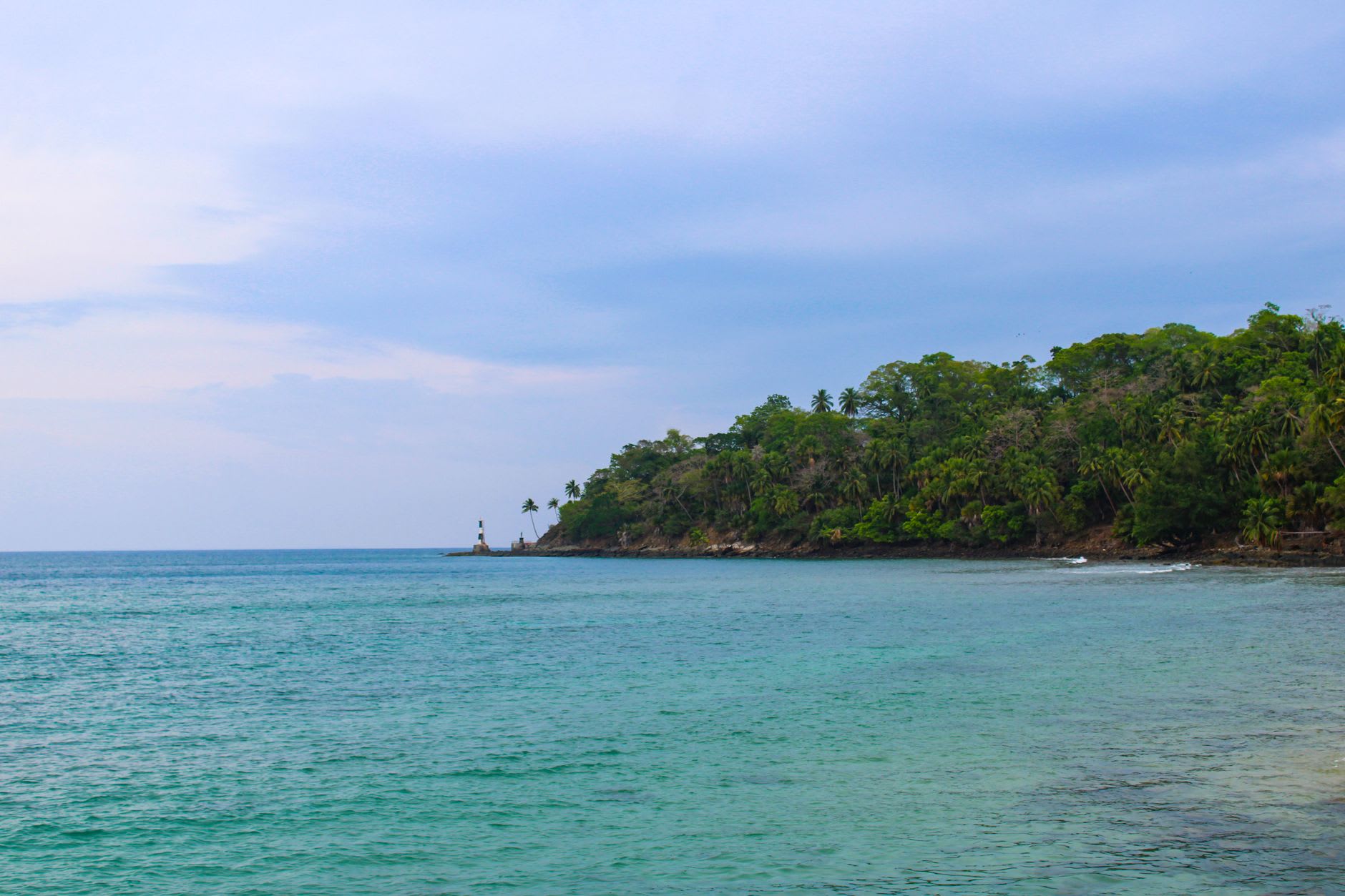
The diving is what brings the serious travelers, and for good reason. The sites around Havelock — Lighthouse, Mac Point, Barracuda City, the Japanese Gardens — hold hard and soft coral that survives here partly because the water temperature stays warm enough to resist bleaching events that have devastated reefs elsewhere. I dived with a small operator out of Village No. 3, a French instructor named Mathieu who had arrived three years earlier for a two-week vacation and stayed. He said this happens often. The current at Lighthouse was strong the day we went and we drifted with it, weightless, past schools of bumphead parrotfish so large they cast shadows. The visibility was perhaps twenty-two meters. Coming up from a dive like that is always disorienting — the air feels too thick, the sky too flat.
Eat in Village No. 3, which has evolved into a loose strip of small restaurants along a dirt road where the menus are handwritten on blackboards and the fish was breathing that morning. I kept returning to a place with plastic chairs and a gas cylinder in the corner where the owner brought out whatever the boats had brought in — grilled barracuda with a squeeze of lime and a green chutney made from something I couldn’t identify but would eat again immediately. Havelock has its share of resort cafés and overpriced smoothie bowls, but the village is where you understand what this island actually is: a fishing community that tolerates tourism because it pays, and where the best meal of your day costs three dollars and arrives without fanfare.
When to go: November through April is the main season, with December and January bringing the clearest water for diving. October and May are quieter with occasional rain showers but still very diveable. Avoid June through September — the monsoon makes the sea crossing unpredictable and most dive operators shutter for the season.