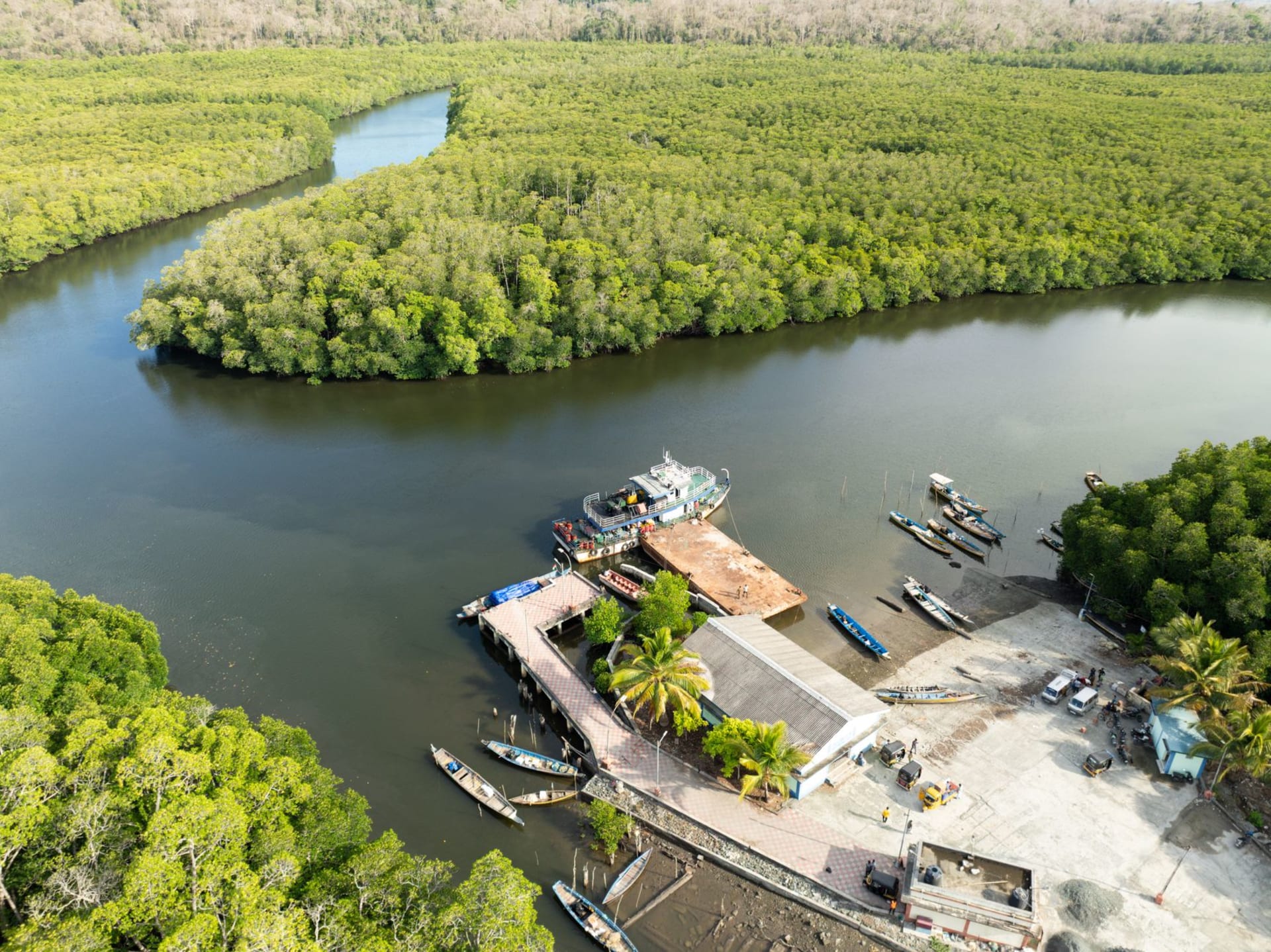
Baratang Island
"We waited at the gate before sunrise for permission to cross a forest that was never meant for us."
Baratang is the island most Andaman visitors skip, and I understand why — getting there is a small ordeal. You leave Port Blair before dawn to join a vehicle convoy that crosses the Jarawa tribal reserve along the Andaman Trunk Road, windows up, cameras forbidden, no stopping. It is an uncomfortable thing, being driven in a guarded line through land that belongs to people who never asked for a road, and I spent that hour mostly looking at my hands. Lia said almost nothing. Then the forest opened, a ferry carried us across a green channel, and Baratang began.
Into the Limestone Caves
From the jetty at Nilambur you take a small wooden boat through the mangroves, and this is where the island earns the trouble of reaching it. The creek narrows until the roots arch overhead and the engine noise flattens into something close to silence. We tied up, walked a path of planks and packed mud through forest loud with insects, and arrived at the mouth of the limestone caves.
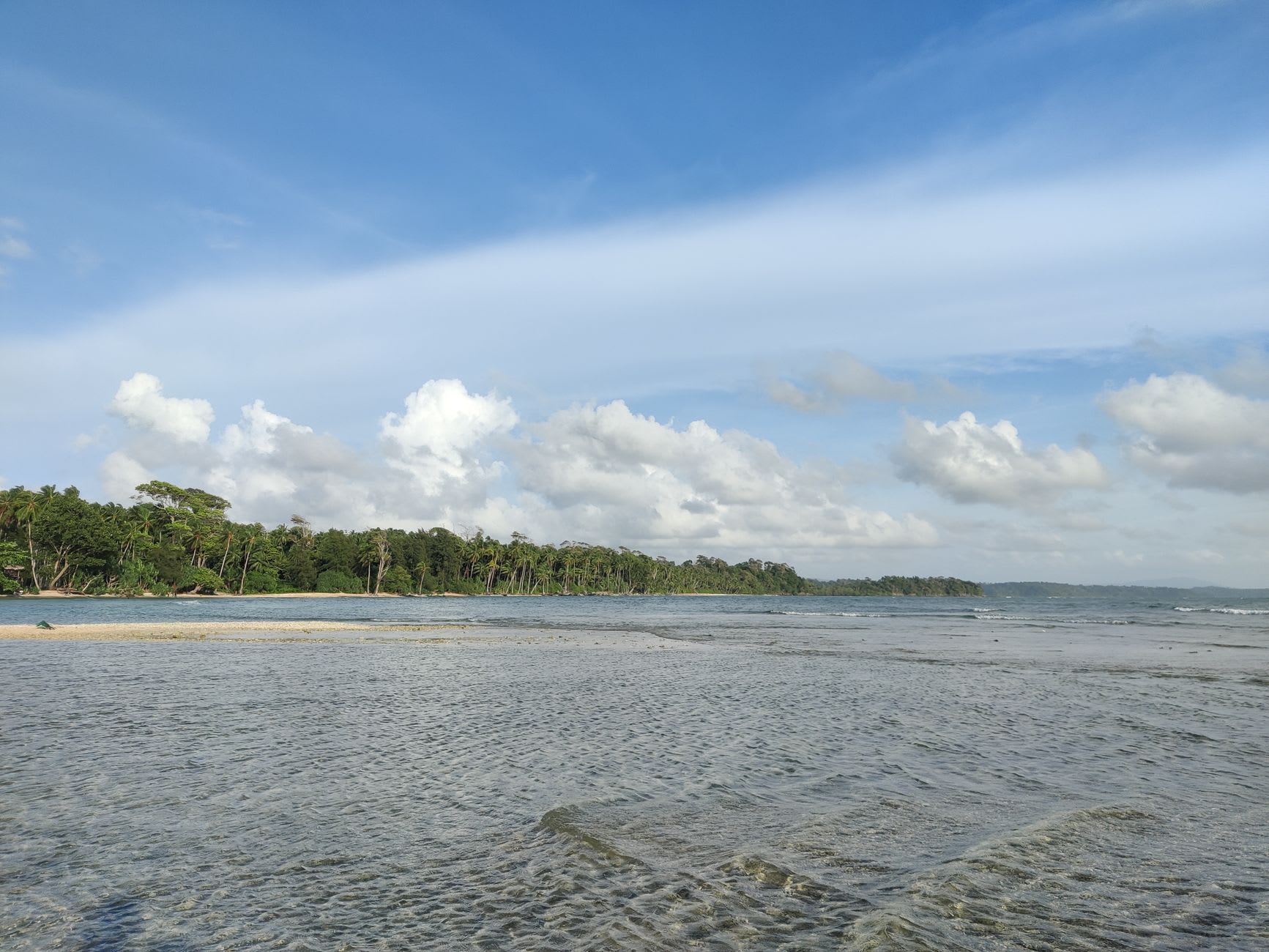
Inside, a guide swept a weak torch across formations that have been forming, drip by drip, for longer than I can usefully imagine. Stalactites the colour of wet bone, curtains of flowstone, the steady tick of water finding its way down. It is not Carlsbad — it is small and damp and a little improvised — but standing in that dark with the jungle pressing at the entrance, I felt the age of the place in a way no grand cavern has ever given me.
The Mud Volcanoes and the Long Way Back
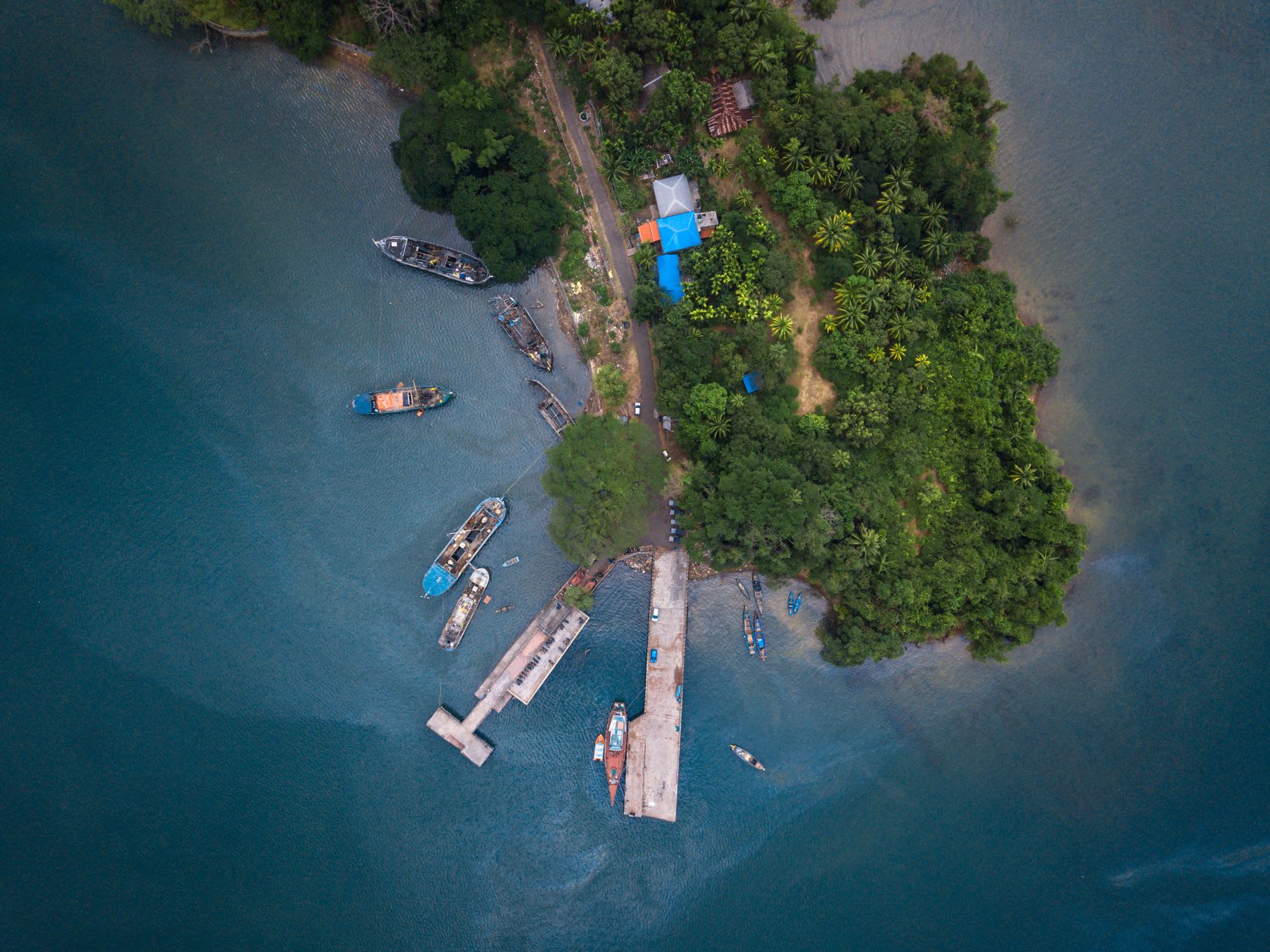
The other oddity is a short drive away: the mud volcanoes, low grey cones of cool clay that belch and gurgle and occasionally spit a slow bubble of mud. They are not dramatic. I will be honest — they are barely interesting to look at. But there is something genuinely strange about standing on a tropical island watching the earth quietly digest itself, the only mud volcanoes in India, ringed by an incongruously tidy little fence. Lia poked one with a stick and it sighed back at her, and that small absurd exchange is what I remember most.
We caught the afternoon convoy back, the light going gold over the trees, the same uneasy silence through the reserve. Baratang is not a place I would call beautiful, exactly, and it is certainly not relaxing. But it stayed with me longer than the postcard beaches did — a reminder that some of the Andamans is genuinely wild and complicated, and not arranged for my enjoyment at all.
When to go: December through March, the dry season, when the creeks are calm and the road is open. Book the convoy and a guide through Port Blair the day before — independent crossing of the reserve is not permitted, and the timings are strict.