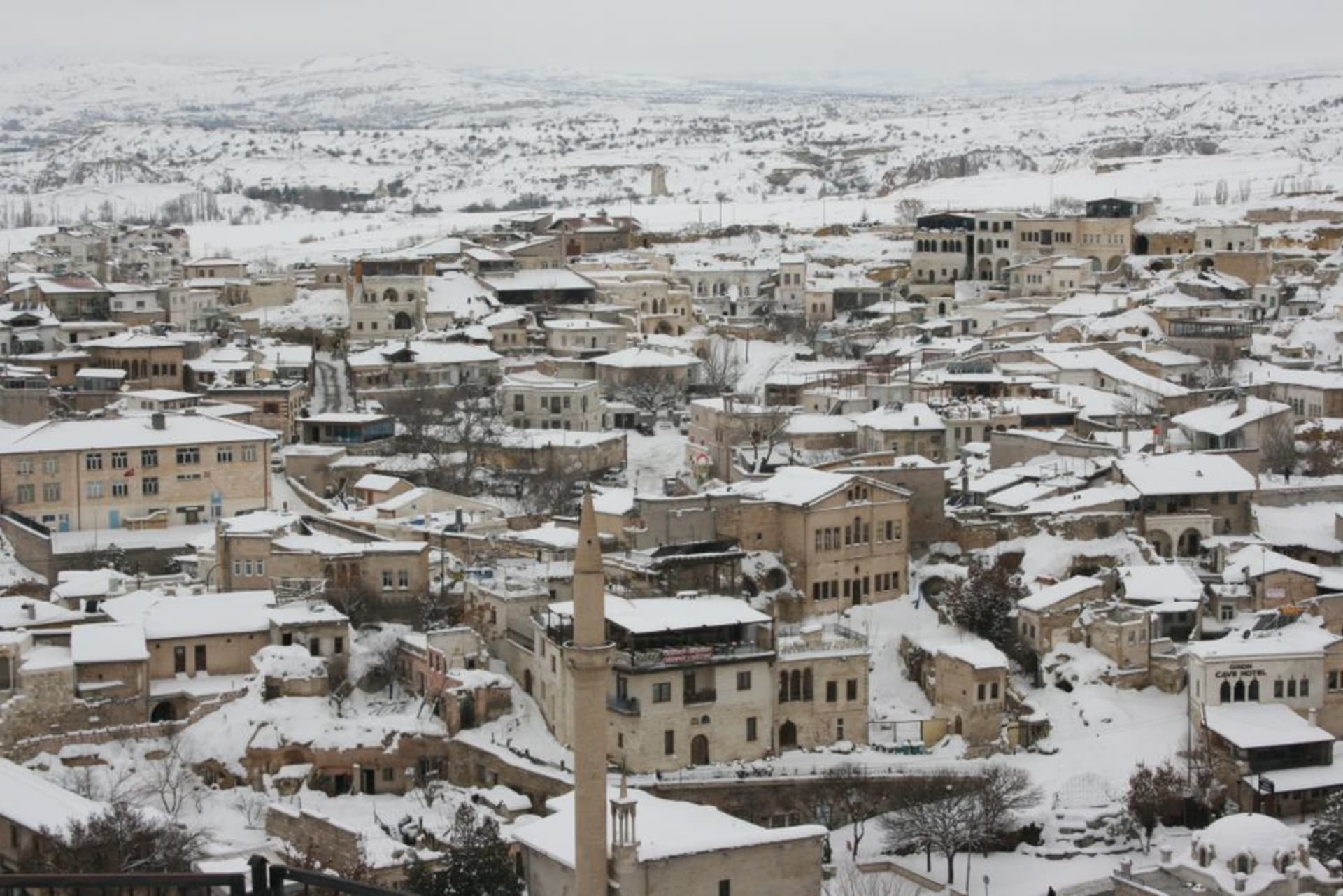
Ürgüp
"Ürgüp does Cappadocia's magic trick without the crowds of Göreme standing in the way."
Cappadocia's most polished small town, built into and around fairy chimney cliffs, with a wine tradition older than the Ottoman Empire and a Thursday market that still runs on local time.
Ürgüp gets treated as Göreme’s classier older sibling, and having spent four nights in each, I think that reputation is earned. It’s a real town first — a market square with actual pharmacies and hardware stores, not just souvenir shops — that happens to also have some of the best-preserved Ottoman-Greek stone houses in Cappadocia and a skyline punctuated by fairy chimneys that people have been carving homes and wine cellars into for centuries. I stayed in a converted stone house near the old Greek quarter, and the owner, whose family had lived in the same building for three generations, poured me a glass of the local Emir grape wine on my first night without being asked, just because I’d complimented the courtyard.
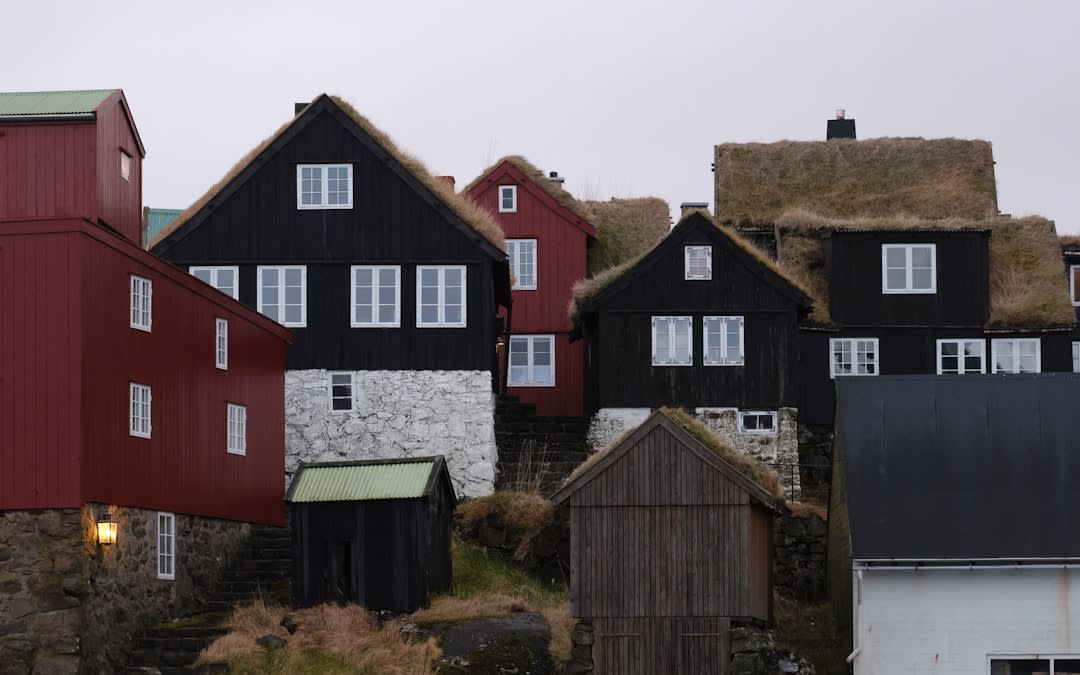
Wine is the thing to know about Ürgüp specifically. The volcanic soil of the surrounding valleys has supported vineyards since Hittite times, and the region still produces genuinely distinct wine — the Emir and Öküzgözü grapes both do well here, and several small producers around town run tastings in cellars carved directly into the rock, cool and dim year-round without any refrigeration required. I did a tasting flight at a family operation on the edge of town where the owner talked me through six vintages standing in a cave that had been a wine cellar, by his estimate, for over two hundred years. The wine itself was good, not spectacular, but the setting made every glass memorable in a way a normal tasting room never could.
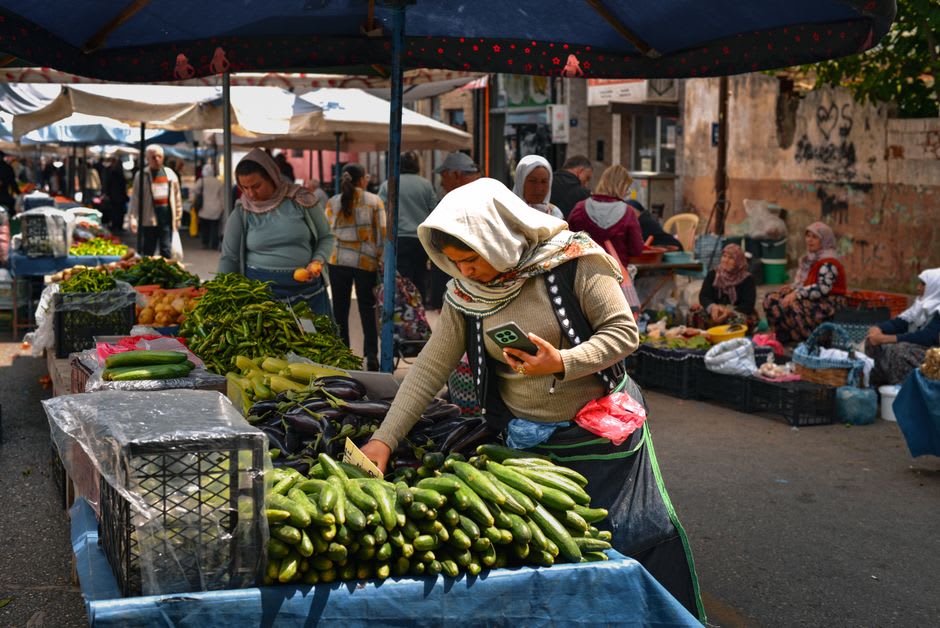
Thursday is market day, and it’s worth timing a visit around it if you can. Farmers come down from the surrounding villages with produce, dried fruit, spices, and the dense local honey, and the whole square fills with people who are shopping, not performing shopping for tourists. I bought dried apricots and a kilo of walnuts from a woman who’d clearly been running the same stall for decades, and she threw in a handful of dried mulberries for free when I hesitated over the price, the kind of small unbothered generosity that tells you a place hasn’t yet organized itself entirely around visitors.
When to go: April through June or September through October for comfortable weather, and try to land on a Thursday for the market. Ürgüp also makes a calmer, quieter base than Göreme if you want easy access to Cappadocia’s sights without sleeping in the middle of the crowds.
Keep exploring
More from Anatolian Plateau
 anatolian-plateau
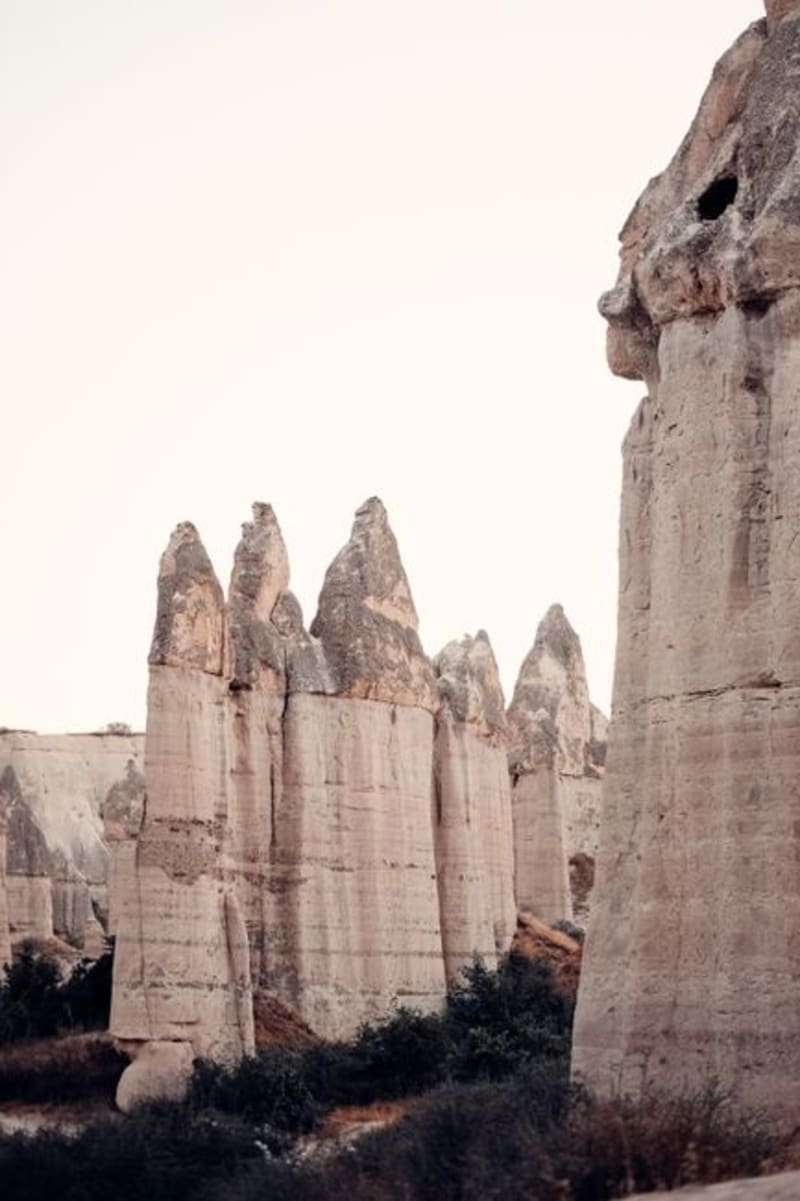
 Zelve
An entire abandoned valley of rock-cut homes, churches, and mills that villagers lived in until 1952, left to crumble quietly into the fairy chimneys that once housed them.
Explore anatolian-plateau
 Avanos
A pottery town on the Red River where craftsmen have been throwing clay from the same riverbank for four thousand years, and where testi kebabı arrives at your table in a sealed clay pot.
Explore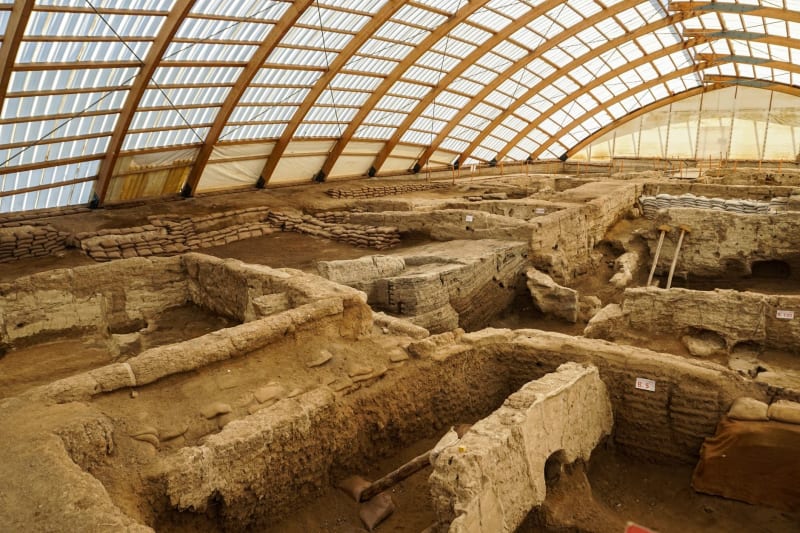 anatolian-plateau
 Çatalhöyük
A 9,000-year-old Neolithic city on the Konya plain that rewrites your sense of how long people have been building, arguing, and decorating their walls.
Explore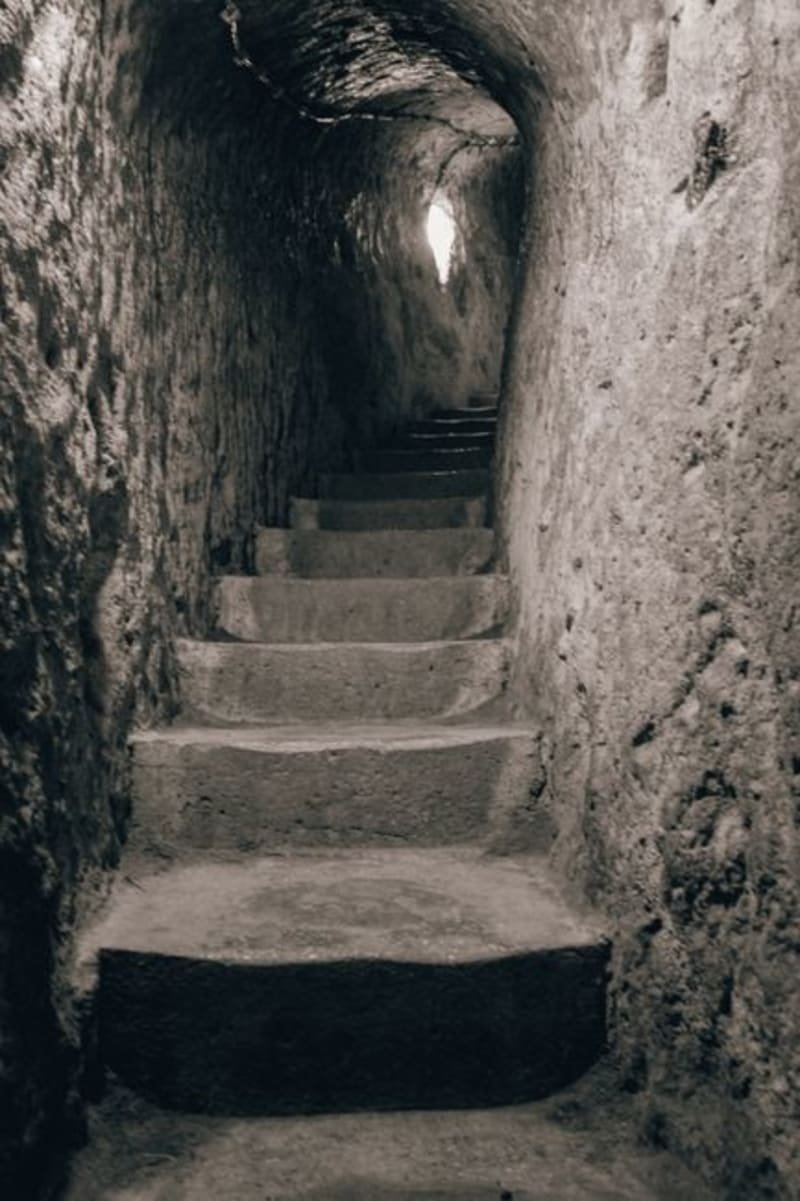 anatolian-plateau
 Derinkuyu
An eighteen-level underground city carved deep into the plateau's volcanic rock, big enough to have hidden twenty thousand people, their livestock, and their wine cellars from view entirely.
Explore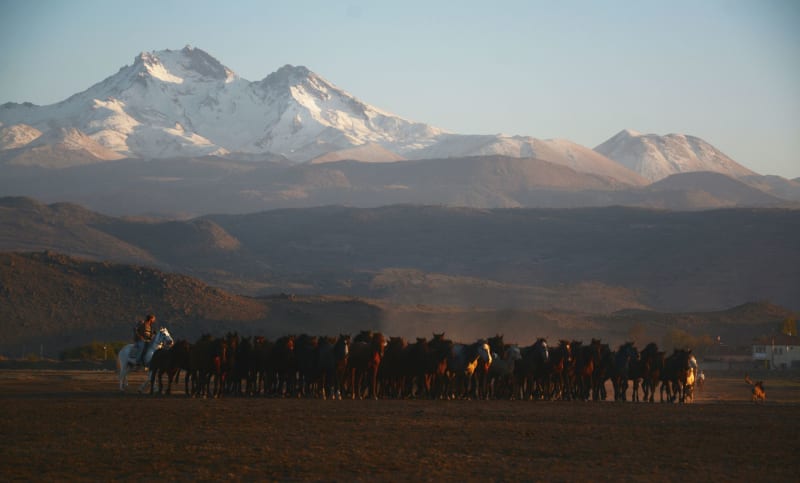 anatolian-plateau
 Mount Erciyes
A 3,916-metre dead volcano above Kayseri where Turkey's best ski runs and ancient pilgrimage routes share the same silent cone.
Explore anatolian-plateau
 Hacıbektaş
A small plateau town built around the shrine of a 13th-century Sufi mystic, sacred to Alevi Muslims and unlike anywhere else in Anatolia.
Explore