Middle East
Anatolian Plateau
"Standing at the centre of Anatolia, you feel the weight of ten thousand years of crossroads."
A vast highland steppe where volcanic cones pierce the sky, salt lakes shimmer white at midday, and caravanserai ruins remind you that this crossroads was ancient long before anyone called it Turkey.

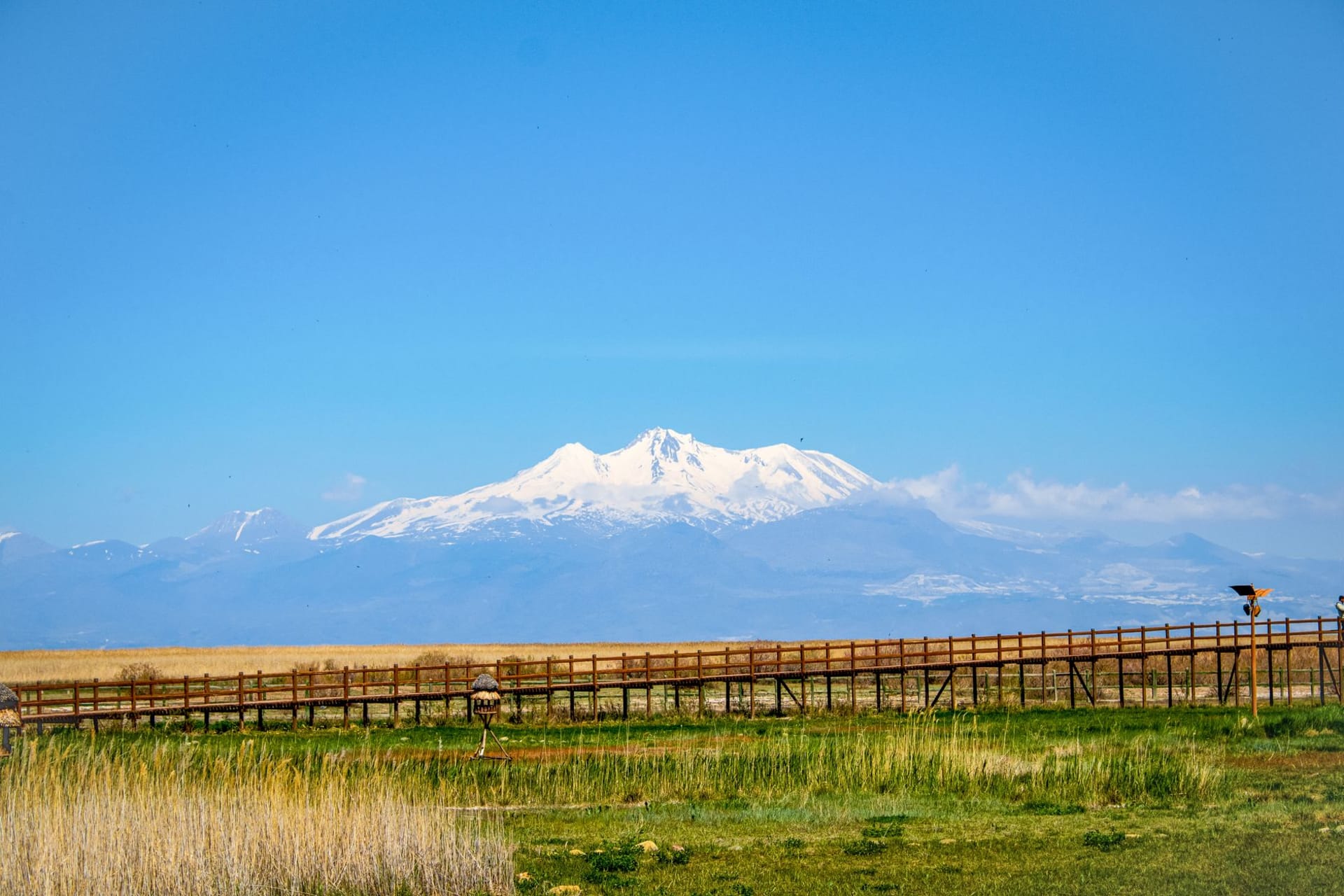
The bus from Ankara dropped me at Kayseri in the early morning, before the city had fully woken up. I stepped out into cold, thin air and looked south — and there was Erciyes, a perfect volcanic cone with a skim of snow, floating above the flat steppe like something placed there deliberately. Nobody had told me the plateau was this stark, this geometric, this quietly overwhelming. Every guide I’d read was fixated on Cappadocia’s fairy chimneys twenty minutes down the road, and I understood why — but that first glance at the open plateau told me I’d be spending a lot of time somewhere most visitors drive straight through.
The Anatolian Plateau sits at around 1,000 metres and covers the heart of the country like a dinner plate. It’s semi-arid, wind-scoured, and in summer it can hit 40°C without shade for kilometres. What it offers in exchange is a specific kind of immensity that I hadn’t felt since the high plains of Zacatecas: space so honest it makes you recalibrate. I ate testi kebabı in Avanos — clay-pot lamb that the server cracked open at the table with a small hammer — and spent an afternoon at Tuz Gölü, the great salt lake that goes blinding white and mirror-flat in late summer. Walking on its surface felt like stepping onto an overexposed photograph. I kept checking my shoes to make sure I was still moving.
The towns are unglamorous and I mean that as a compliment. Konya has the Mevlâna Museum, the shrine of Rumi, which draws pilgrims from across the Islamic world and is one of the more emotionally serious rooms I’ve stood in. Aksaray guards the entrance to the Ihlara Valley, where early Christian monks carved chapels directly into the canyon walls above a river lined with poplars. The Sultanhanı caravanserai outside Aksaray is the largest in Anatolia — an 800-year-old relay station for the Silk Road — and on the afternoon I visited, I had the entire courtyard to myself. A stork was nesting in one of the towers. The plateau does that: hands you something extraordinary in total silence.
When to go: Late April to early June or September to October. Summer is brutally hot and the salt lake is at its most spectacular in August, but you’ll want a hat and a lot of water. Spring brings wildflowers to the steppe and Erciyes is skiable through March if you want something genuinely unexpected.
What most guides get wrong: They treat the plateau as a transit zone between Istanbul and Cappadocia and write only about the fairy chimneys. The chimneys are real and worth it, but the plateau itself — the salt lakes, the Sultanhanı caravanserai, the Ihlara Valley, the volcanic landscape around Erciyes — is the destination. Budget at least three days in the plateau proper before you let Göreme swallow you whole.
Explore
Places in Anatolian Plateau
 anatolian-plateau
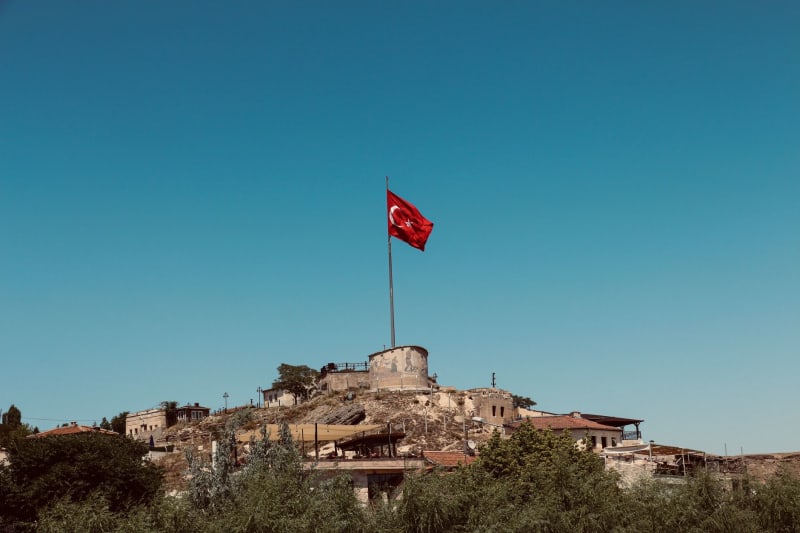
 Avanos
A pottery town on the Red River where craftsmen have been throwing clay from the same riverbank for four thousand years, and where testi kebabı arrives at your table in a sealed clay pot.
Explore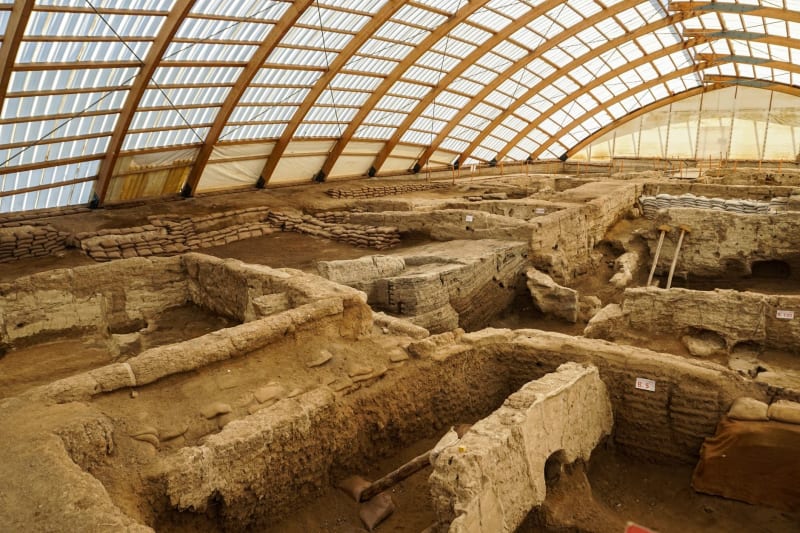 anatolian-plateau
 Çatalhöyük
A 9,000-year-old Neolithic city on the Konya plain that rewrites your sense of how long people have been building, arguing, and decorating their walls.
Explore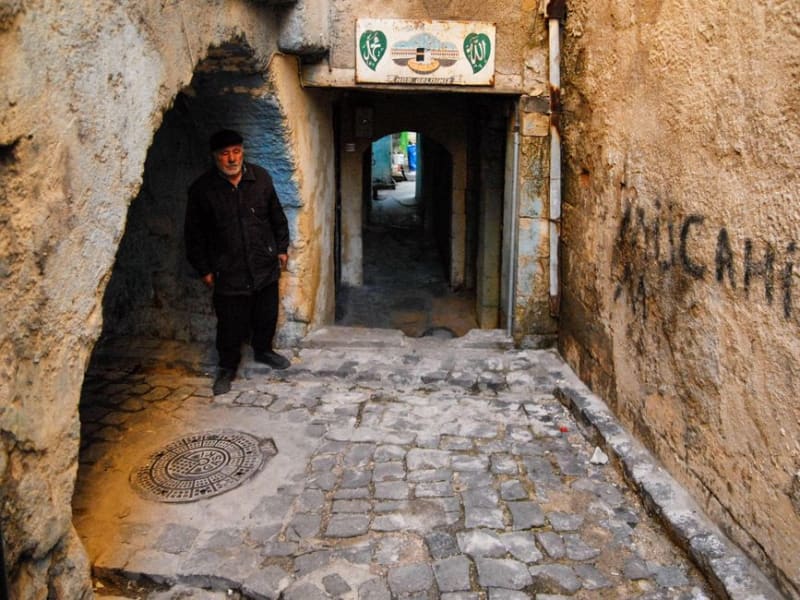 anatolian-plateau
 Derinkuyu
An eighteen-level underground city carved deep into the plateau's volcanic rock, big enough to have hidden twenty thousand people, their livestock, and their wine cellars from view entirely.
Explore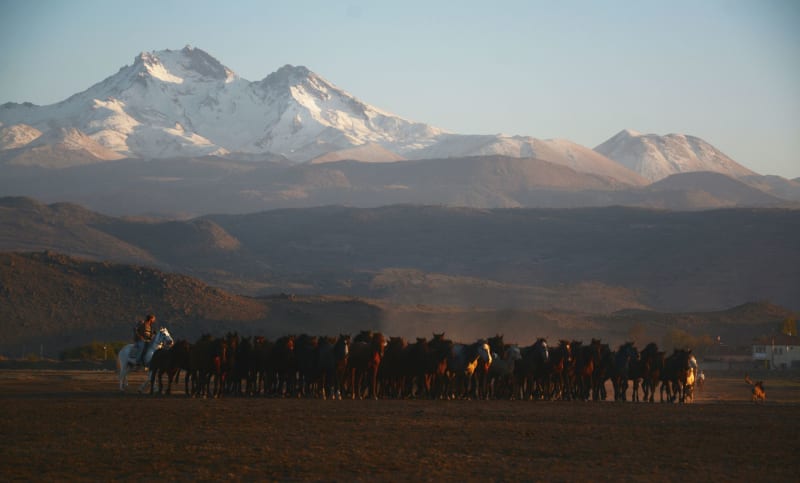 anatolian-plateau
 Mount Erciyes
A 3,916-metre dead volcano above Kayseri where Turkey's best ski runs and ancient pilgrimage routes share the same silent cone.
Explore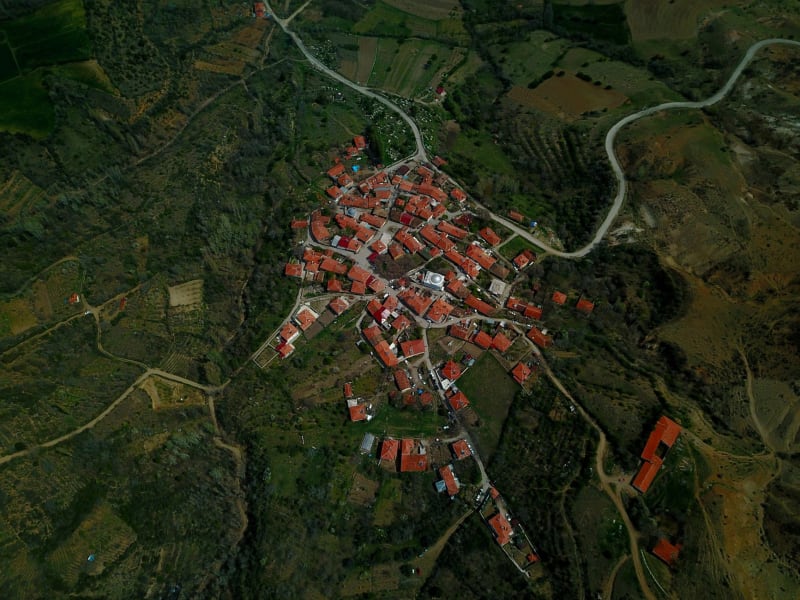 anatolian-plateau
 Hacıbektaş
A small plateau town built around the shrine of a 13th-century Sufi mystic, sacred to Alevi Muslims and unlike anywhere else in Anatolia.
Explore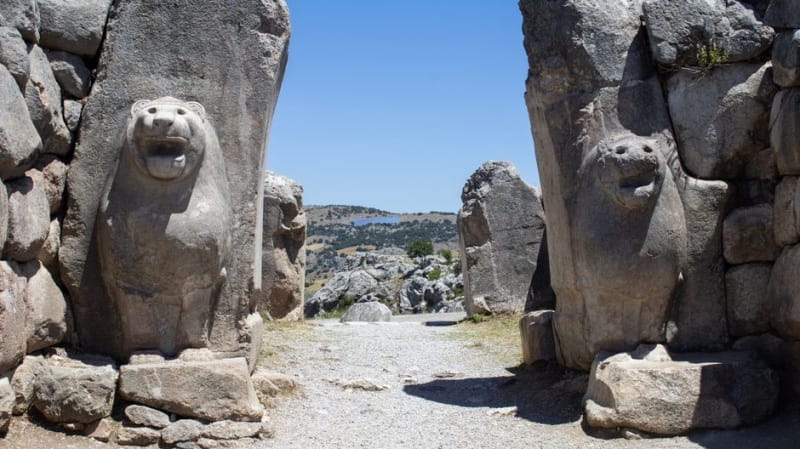 anatolian-plateau
 Hattusa
The sprawling ruined capital of the Hittite Empire, its cyclopean walls and lion-carved gates standing on the empty plateau since long before Troy fell.
Explore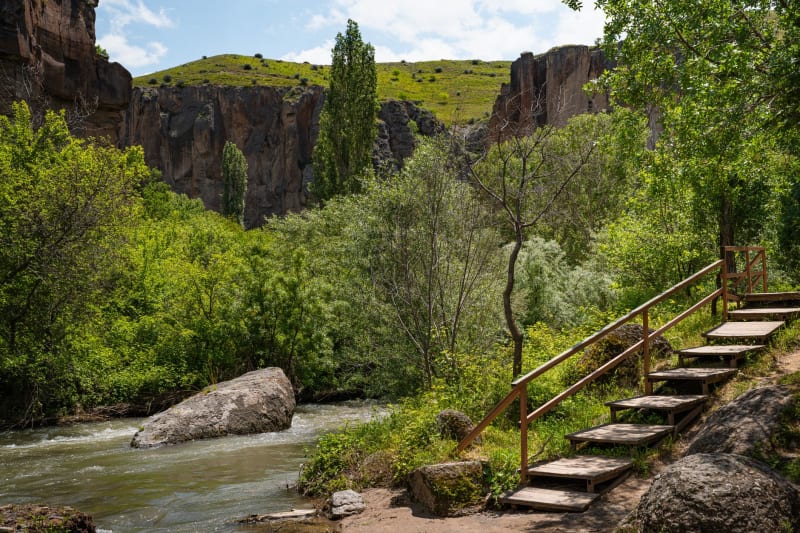 anatolian-plateau
 Ihlara Valley
A slot canyon sliced through the plateau where Byzantine monks carved entire churches into the volcanic cliffs above a poplar-green river.
Explore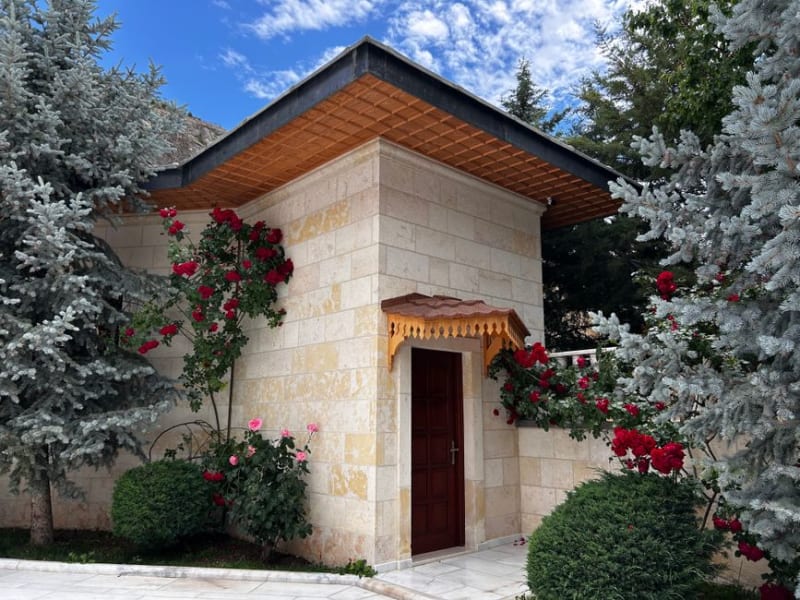 anatolian-plateau
 Kaymaklı
A quieter, wider underground city than its famous neighbor Derinkuyu, built around storage rooms and stables instead of grand chambers, and still connected to it by tunnels nobody has fully mapped.
Explore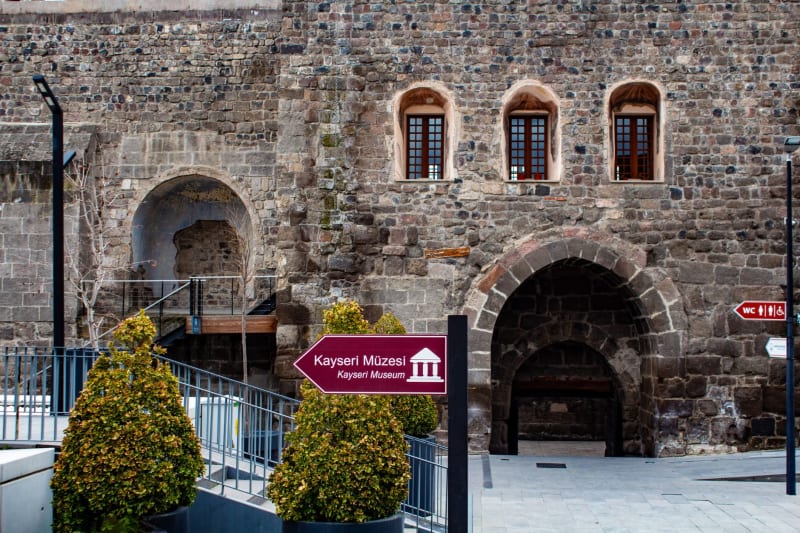 anatolian-plateau
 Kayseri
A Seljuk trading city beneath a perfect volcanic cone, where the bazaars still smell of pastırma and the mountain watches everything from across the plain.
Explore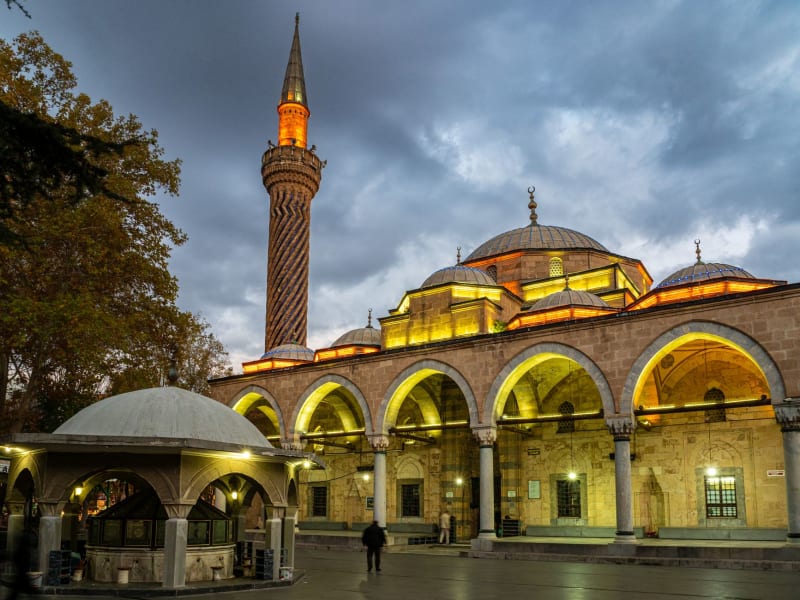 anatolian-plateau
 Konya
The spiritual capital of the plateau, where Rumi's mausoleum turns grief and longing into architecture.
Explore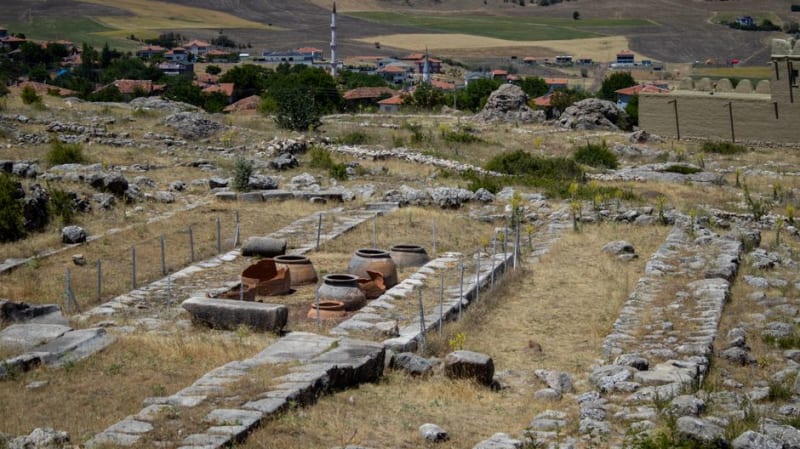 anatolian-plateau
 Kültepe
An unassuming mound near Kayseri where thousands of clay tablets revealed the world's oldest known written contracts, left by Assyrian merchants who ran a trading colony here four thousand years ago.
Explore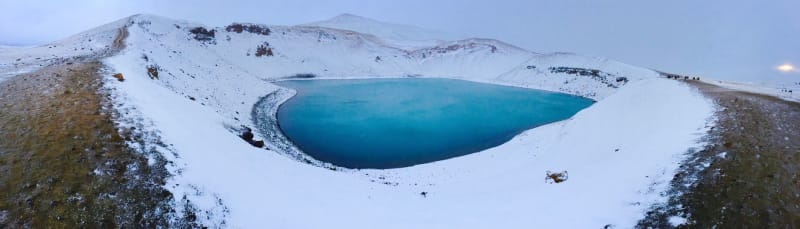 anatolian-plateau
 Meke Crater Lake
A volcanic maar lake near Karapınar with an island cone at its centre — one of Anatolia's strangest and most overlooked geological wonders.
Explore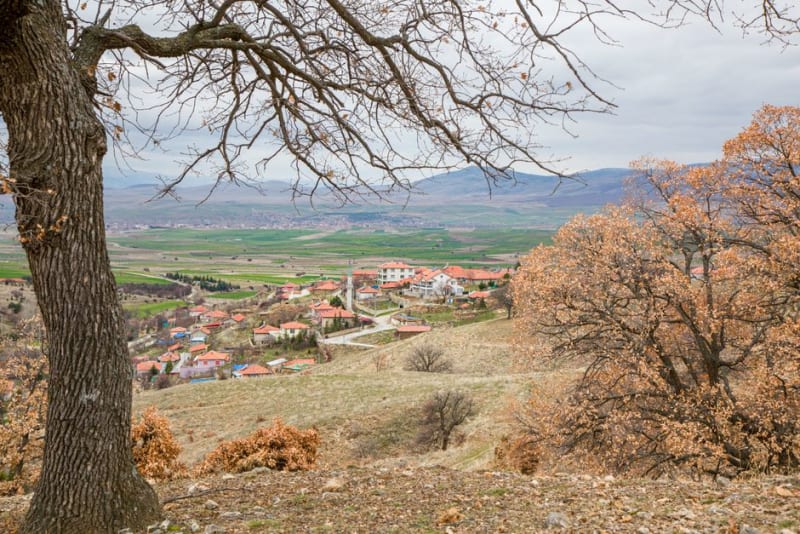 anatolian-plateau
 Mustafapaşa
A former Greek Orthodox village whose ornately carved stone mansions and churches survived the 1923 population exchange even after the people who built them didn't.
Explore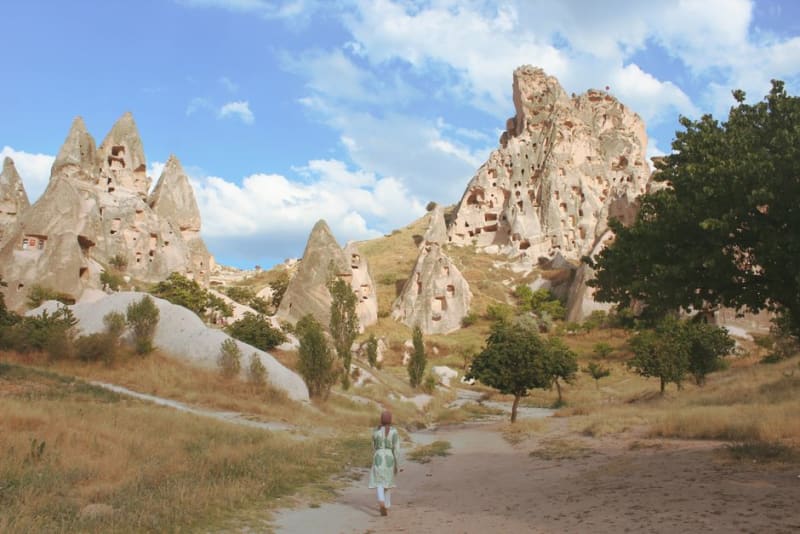 anatolian-plateau
 Selime Monastery
A cathedral-sized monastery carved entirely from a single volcanic cliff at the mouth of Ihlara Valley, its chimney-blackened kitchen and rock-cut stables still intact after a thousand years.
Explore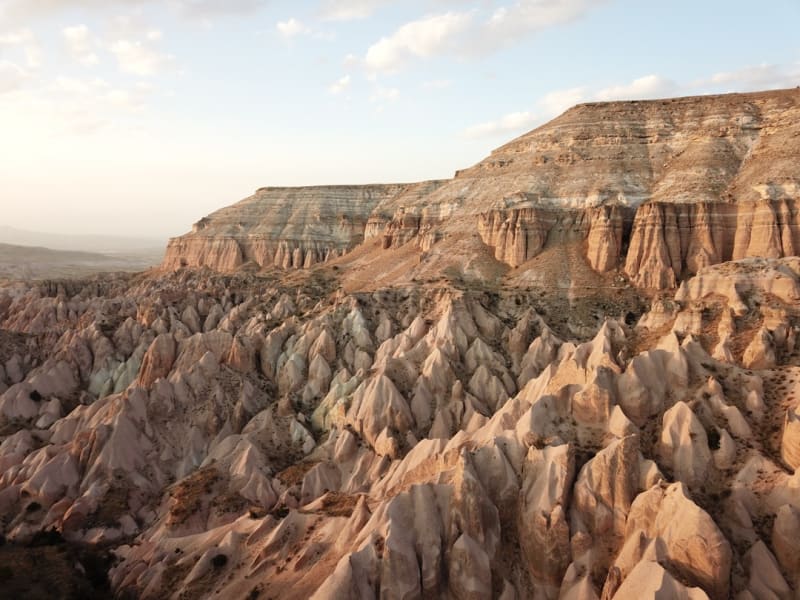 anatolian-plateau
 Soğanlı Valley
A remote canyon south of Cappadocia's tourist corridor, honeycombed with Byzantine cave churches and worked today by grandmothers selling dolls made from the valley's own dried leaves.
Explore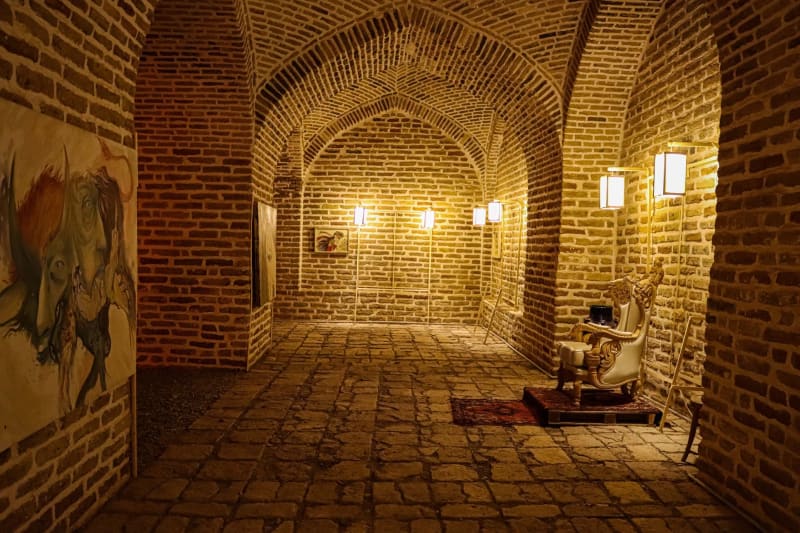 anatolian-plateau
 Sultanhanı Caravanserai
The largest Seljuk caravanserai in Anatolia — an 800-year-old Silk Road relay station so intact you can almost hear the camels.
Explore