Uçhisar
"Uçhisar is the highest point in Cappadocia, and it looks like something termites built out of stone."
A honeycombed volcanic rock castle rising over the highest point in Cappadocia, riddled with hand-carved rooms that pigeons have quietly reclaimed.
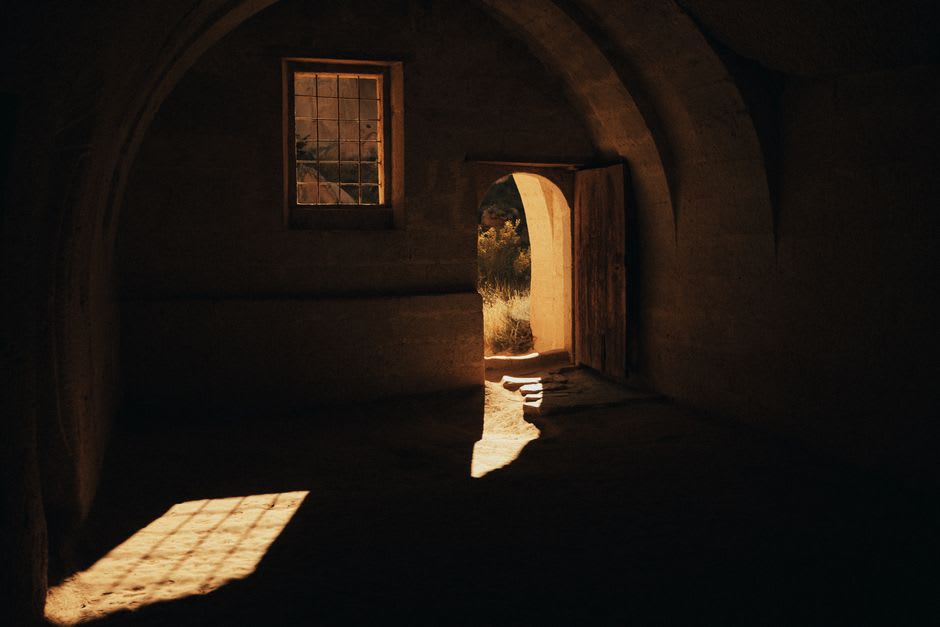
You see Uçhisar’s castle long before you reach it, because it’s the tallest thing on the horizon for miles in every direction — a single cone of volcanic rock, riddled top to bottom with hand-cut rooms and tunnels, sitting at the highest elevation in the whole Cappadocia region. I’d been driving through Göreme and Ortahisar for two days by the time I finally pulled into Uçhisar’s little square, and the castle had been visible the entire time, a landmark I kept orienting myself by without realizing it was also a destination. Up close it stops being a silhouette and becomes something stranger: hundreds of window-holes and doorways carved directly into the rock face, connected by staircases and passages that people actually lived and hid in for centuries, right up through Byzantine raids and beyond.
Climbing to the top costs almost nothing and takes about twenty minutes of switchback stairs cut into the rock, and the view at the summit is, without exaggeration, the best panoramic view of Cappadocia you’ll get without a hot air balloon. I went at sunset on a friend’s recommendation and stood there as the whole valley system — Pigeon Valley curling away to the north, Göreme’s fairy chimneys catching the last orange light to the east — arranged itself below me like a relief map. A German couple next to me kept saying “unglaublich” under their breath every few minutes, and I couldn’t disagree.
What struck me more than the castle itself, though, were the pigeon houses carved into the surrounding cliffs — hundreds of small square openings painted white around the edges, built by farmers over generations to attract pigeons whose droppings fertilized the valley’s vineyards and orchards. It’s a genuinely elegant piece of low-tech agriculture, still partially in use, and it gives the entire valley a strange textured look from a distance, like the rock has a rash of tiny doors. Uçhisar town itself has become quietly upscale in the last decade — boutique cave hotels with plunge pools carved into rock, restaurants with English menus — but the castle and the pigeon valleys underneath it haven’t changed at all, because you can’t really renovate a fifteen-hundred-year-old cliff.
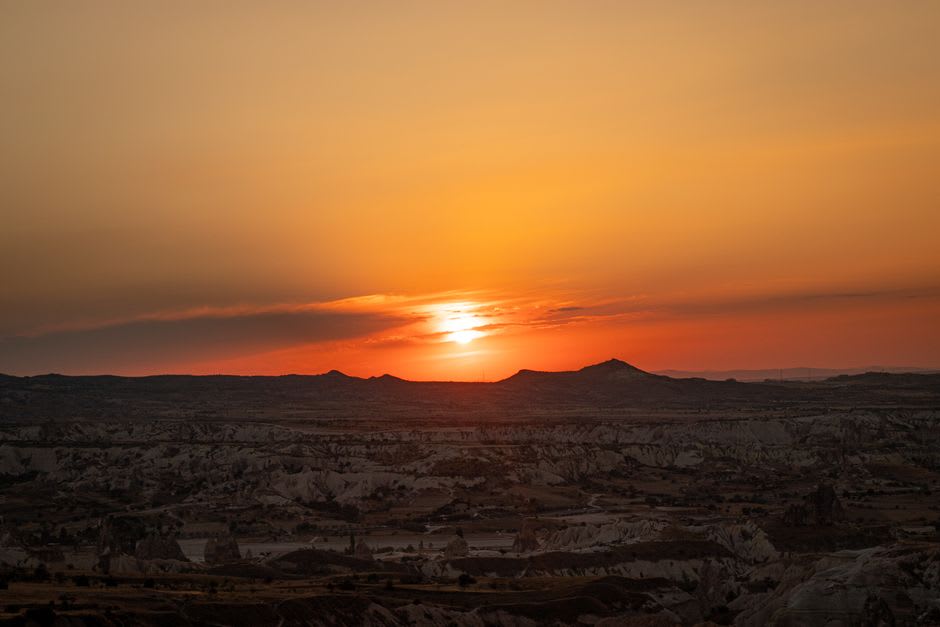
When to go: Sunset, any time between April and October, for the castle climb specifically. Early morning works too if you want the valley photographed before the balloon crowds arrive, since Uçhisar sits directly under several major balloon flight paths.
Keep exploring
More from Anatolian Plateau
 anatolian-plateau
 Ürgüp
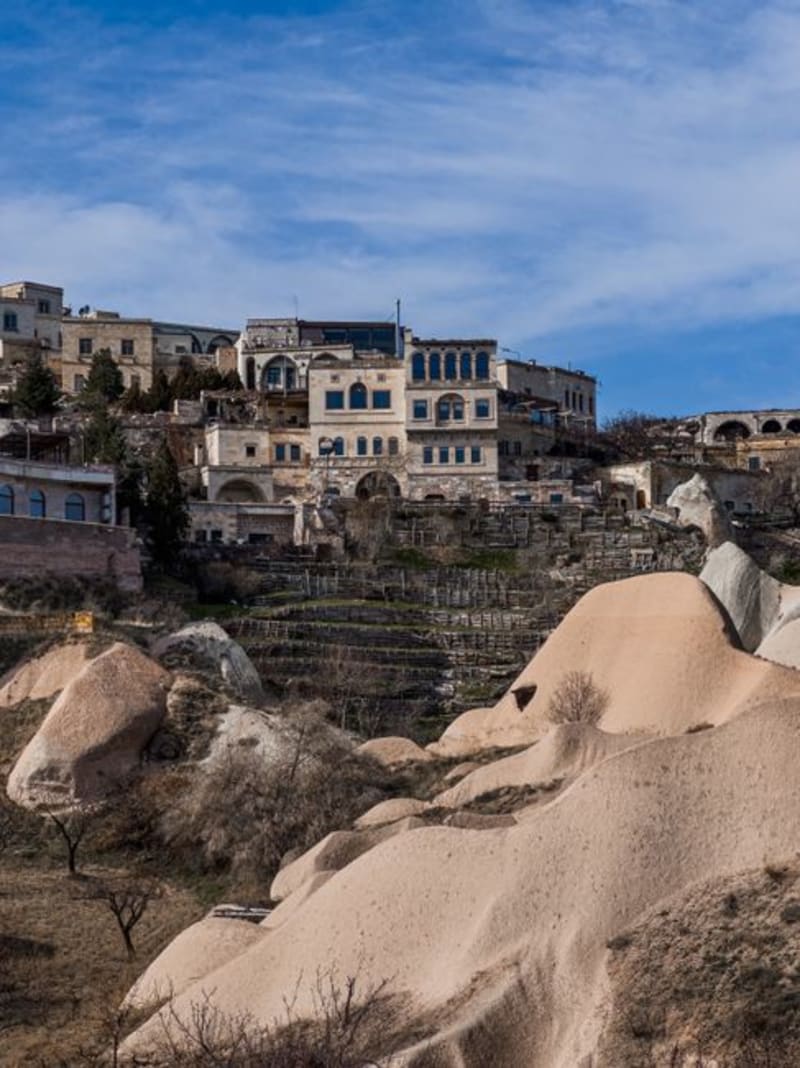
Cappadocia's most polished small town, built into and around fairy chimney cliffs, with a wine tradition older than the Ottoman Empire and a Thursday market that still runs on local time.
Explore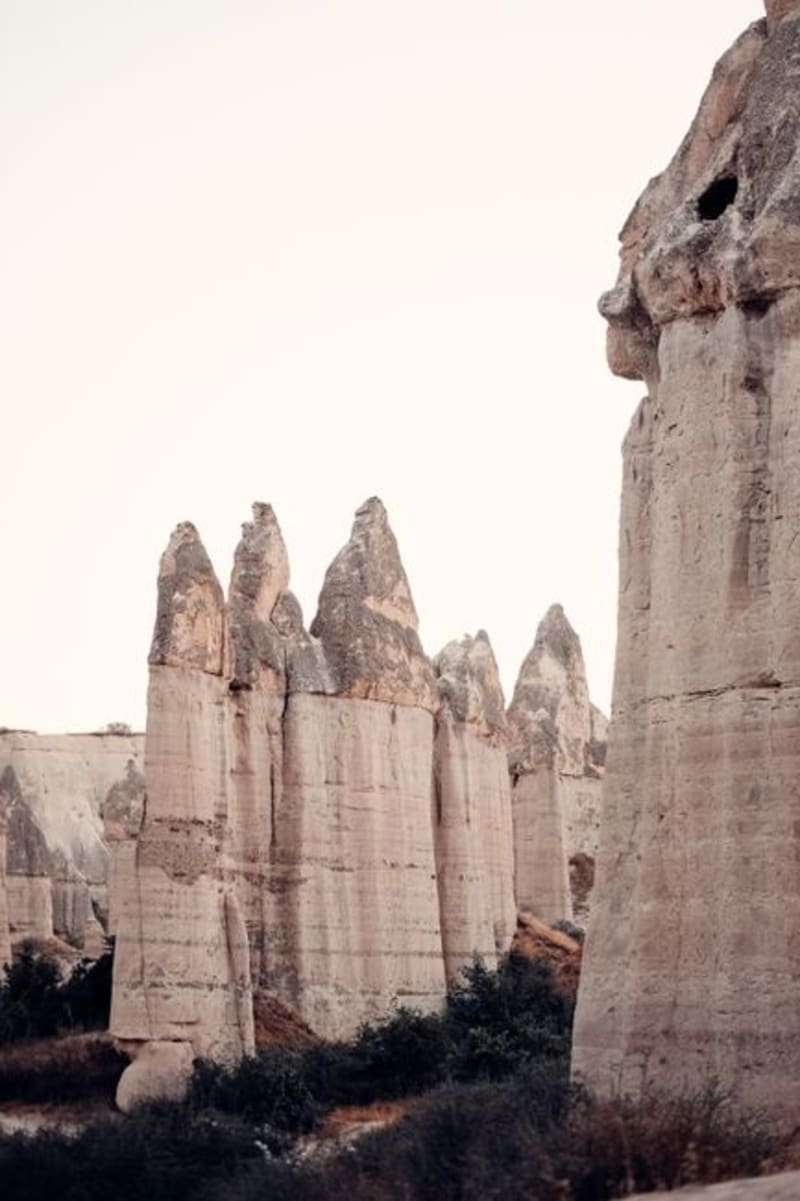 anatolian-plateau
 Zelve
An entire abandoned valley of rock-cut homes, churches, and mills that villagers lived in until 1952, left to crumble quietly into the fairy chimneys that once housed them.
Explore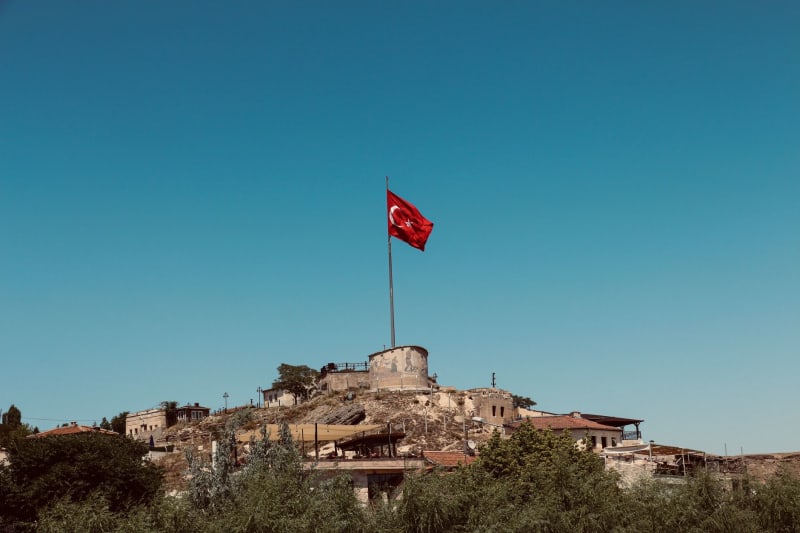 anatolian-plateau
 Avanos
A pottery town on the Red River where craftsmen have been throwing clay from the same riverbank for four thousand years, and where testi kebabı arrives at your table in a sealed clay pot.
Explore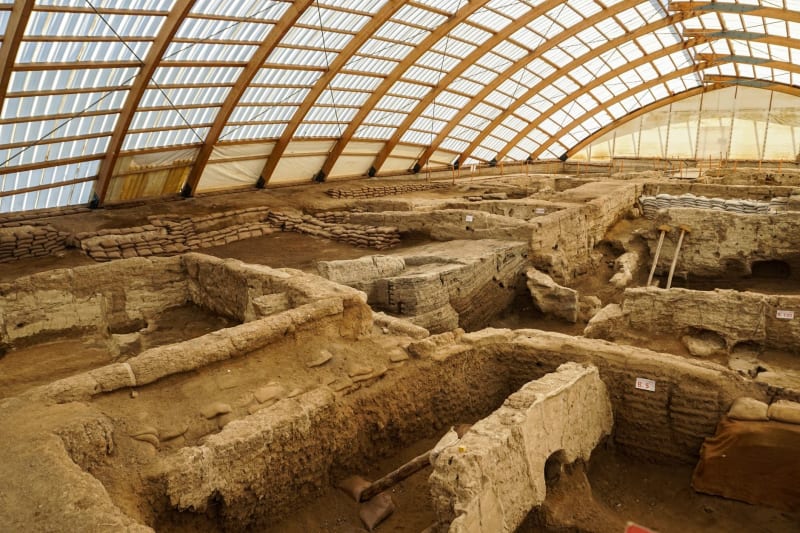 anatolian-plateau
 Çatalhöyük
A 9,000-year-old Neolithic city on the Konya plain that rewrites your sense of how long people have been building, arguing, and decorating their walls.
Explore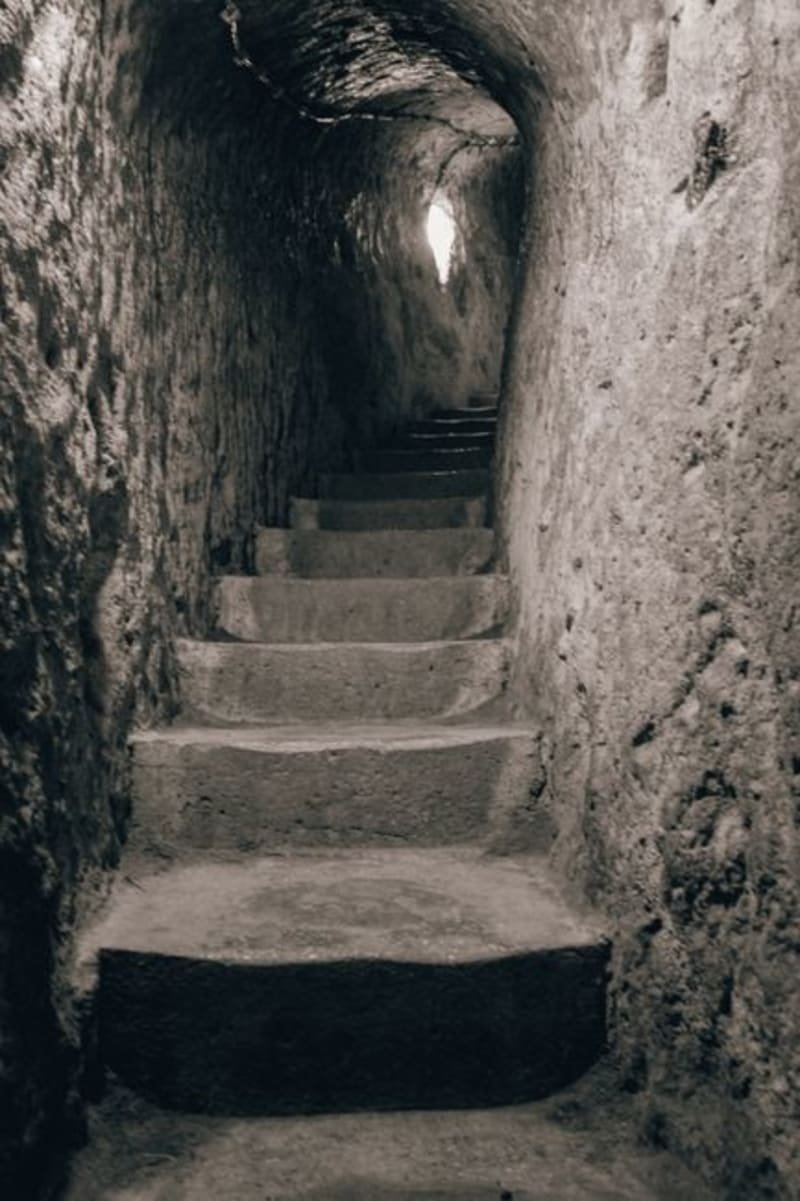 anatolian-plateau
 Derinkuyu
An eighteen-level underground city carved deep into the plateau's volcanic rock, big enough to have hidden twenty thousand people, their livestock, and their wine cellars from view entirely.
Explore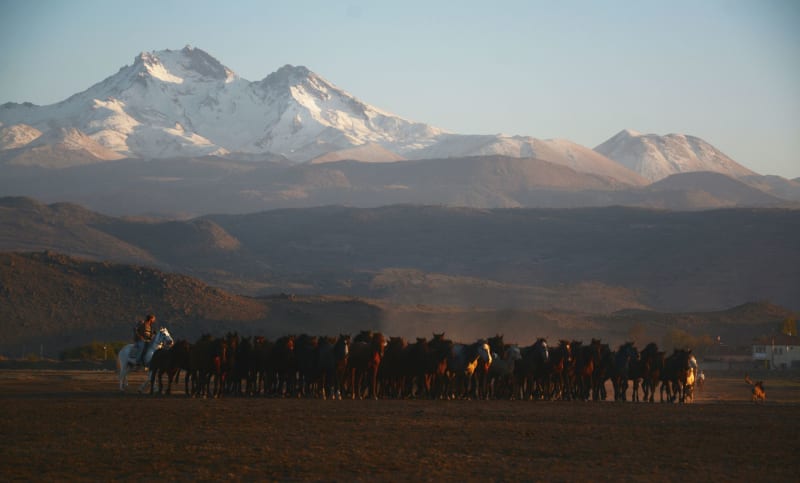 anatolian-plateau
 Mount Erciyes
A 3,916-metre dead volcano above Kayseri where Turkey's best ski runs and ancient pilgrimage routes share the same silent cone.
Explore