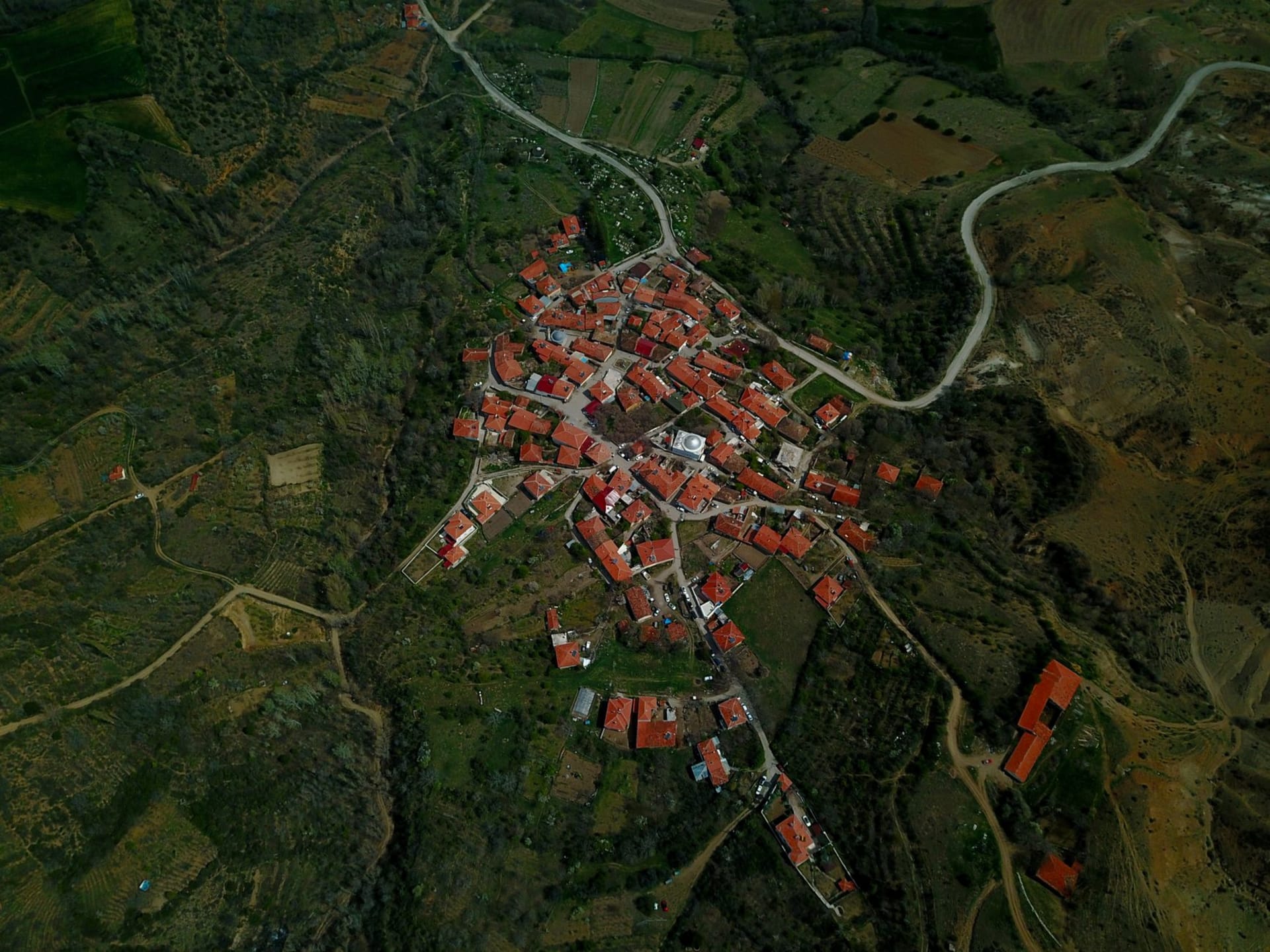
Hacıbektaş
"Konya has Rumi's gravity. Hacıbektaş has something quieter and harder to name."
I came to Hacıbektaş with some confusion about what to expect. The town has a name — Nevşehir province, close to Cappadocia — but it sits outside the tourist loop that runs from Göreme to Avanos to Ürgüp, and when I drove in on a Tuesday afternoon in May, the streets held the particular unhurried quality of a place that doesn’t structure its rhythms around visitors. A man was pruning roses in the courtyard of the shrine complex. A group of women in colourful clothes were sitting on a low wall near the entrance, talking with the ease of people who are here regularly, not on a pilgrimage schedule but out of something more embedded than that. I watched them for a moment before going in.
Hacı Bektaş Veli was a 13th-century mystic who synthesised Sufi Islam with pre-Islamic Anatolian beliefs, creating a tradition that emphasises equality — between genders, between social classes — and approaches the divine through music, poetry, and direct experience rather than strict religious law. The Bektashi order he inspired became the spiritual home of the Janissaries, the Ottoman elite infantry, and Alevism — the living tradition that now counts tens of millions of followers across Turkey and the diaspora — traces much of its spiritual lineage to his teachings. Visiting this shrine is therefore something different from visiting the Mevlâna Museum in Konya. Both are Sufi, both are serious, but the Konya tomb carries the weight of international recognition. Hacıbektaş carries something smaller and more local, which makes it, paradoxically, more affecting.
The complex is a sequence of three courtyards, each leading deeper, each feeling slightly more interior. The innermost holds the türbe — the domed chamber containing Hacı Bektaş Veli’s tomb — and the decoration is different from anything else in Anatolia: deer motifs carved in stone (the deer is sacred in the Alevi-Bektashi tradition), rose imagery everywhere, calligraphy that shares space with symbolic animals in a way that orthodox Islamic art would not permit. The atmosphere inside is gentle and very still. I stood near the tomb for ten minutes and watched three different people arrive, press their foreheads to the threshold stone, and then simply sit for a while.
The town around the shrine is modest and a little beautiful. A main street of tea houses and shops selling rose-water, prayer beads, and locally made pottery. A museum housed in the complex’s old kitchen buildings that covers the history of the Bektashi order with an earnestness that made me linger. In August, the Hacıbektaş Culture Festival draws tens of thousands of Alevi from across Turkey for several days of music, poetry, and ceremony — if you can handle the crowd, it is one of the most authentically Turkish cultural events I know of. In May, though, on a Tuesday afternoon with the light going golden across the courtyard roses, it’s just a man pruning, and the women on the wall, and a quiet that doesn’t feel like absence so much as presence.
When to go: May and June for calm and good light. The August festival (usually 16-18 August) is extraordinary but requires advance accommodation booking and patience with crowds. Avoid combining with peak Cappadocia season if you want the shrine to yourself.