Derinkuyu
"Twenty thousand people once disappeared underground here, and the surface never knew."
An eighteen-level underground city carved deep into the plateau's volcanic rock, big enough to have hidden twenty thousand people, their livestock, and their wine cellars from view entirely.
Nothing above ground prepares you for Derinkuyu. You walk into what looks like a modest ticket office next to an ordinary Cappadocian village, descend a set of stairs, and keep descending — eighteen levels, sixty metres down at the deepest point I was allowed to reach, through tunnels so narrow in places that I had to turn sideways and duck simultaneously, my backpack scraping both walls. It was carved out of soft volcanic tuff starting perhaps as early as the eighth century BC by Phrygians, expanded massively by Byzantine Christians hiding from Arab raids, and used as recently as the twentieth century by locals sheltering from various threats. At its peak it may have held twenty thousand people, plus their livestock, for weeks at a stretch.
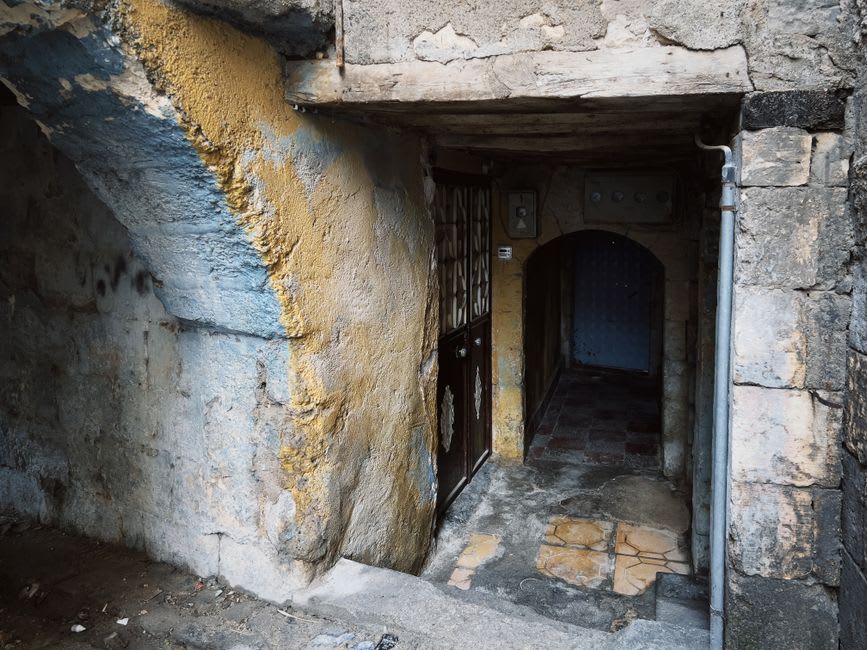
What gets you isn’t just the scale, it’s the design intelligence. There are ventilation shafts, over fifty of them, that still moved air past me at the bottom level despite the crush of tourists above. There are wells dug deep enough that surface poisoning couldn’t contaminate them, stone doors shaped like giant millstones — some over a metre across, weighing as much as a car — that could be rolled shut from the inside and were far too heavy for anyone attacking from outside to move. There’s a room believed to be a school with two parallel long benches carved from the rock, a winery with grape-press channels still visible in the floor, a chapel with a cruciform floor plan, stables with feeding troughs at knee height. It’s a fully realized underground civilization built to survive sieges lasting months, not days.
I went with a guide who’d grown up in the region, and at one point, standing in a chamber with six tunnel openings branching off it, she told me that the connecting tunnel system between Derinkuyu and nearby Kaymaklı — roughly nine kilometres — has never been fully mapped, and that new sections still get discovered periodically when a farmer’s tractor sinks unexpectedly into a hollow. I believed her instantly, standing in a hole that already felt older and stranger than anything I’d have guessed from the parking lot above.
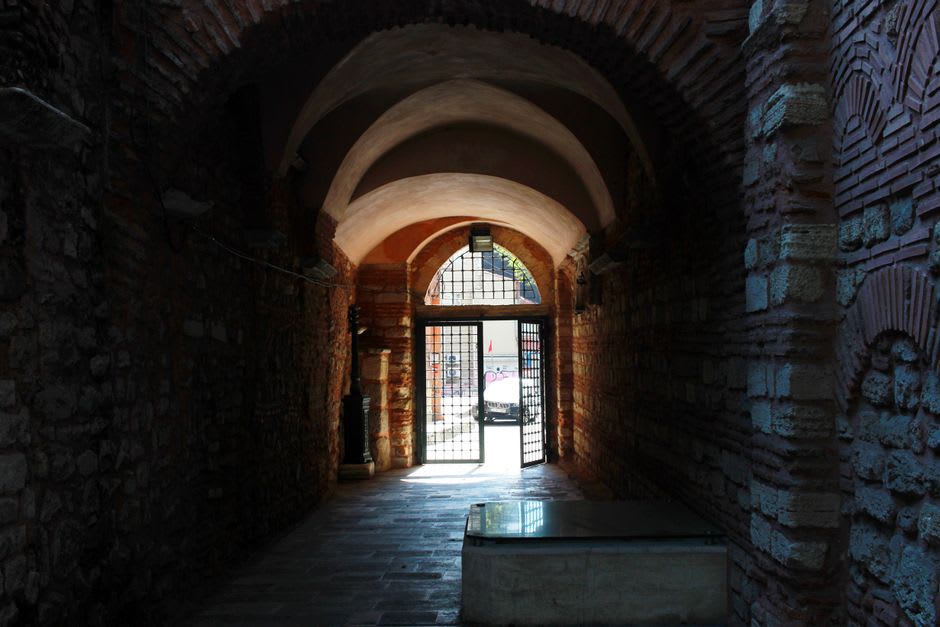
When to go: Any season works since you’re underground regardless, but arrive early morning to beat tour buses — the tunnels are genuinely narrow and a crowd turns the experience into a queue. Not recommended if you’re claustrophobic; some passages require crouching for stretches.
Keep exploring
More from Anatolian Plateau
 anatolian-plateau
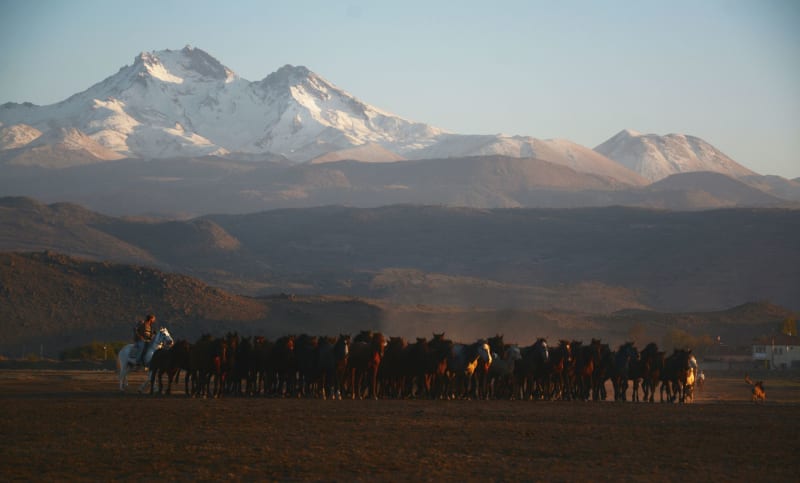
 Mount Erciyes
A 3,916-metre dead volcano above Kayseri where Turkey's best ski runs and ancient pilgrimage routes share the same silent cone.
Explore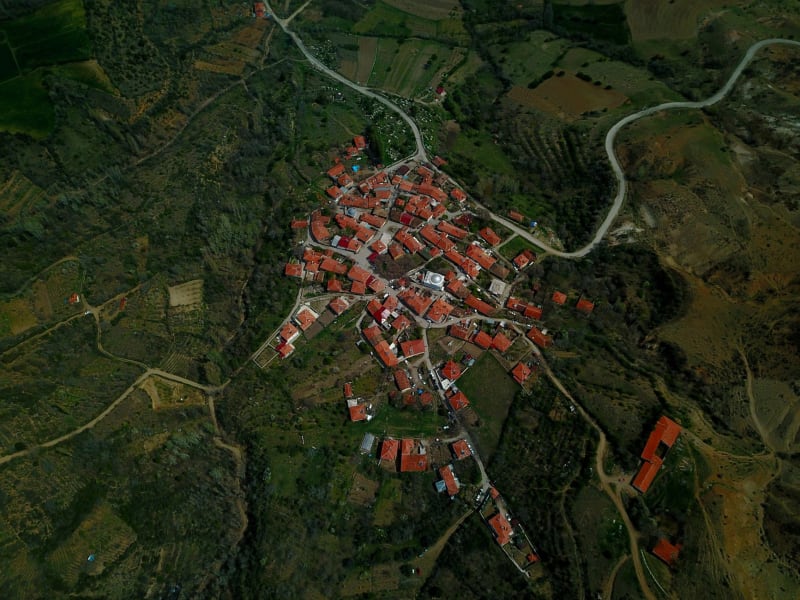 anatolian-plateau
 Hacıbektaş
A small plateau town built around the shrine of a 13th-century Sufi mystic, sacred to Alevi Muslims and unlike anywhere else in Anatolia.
Explore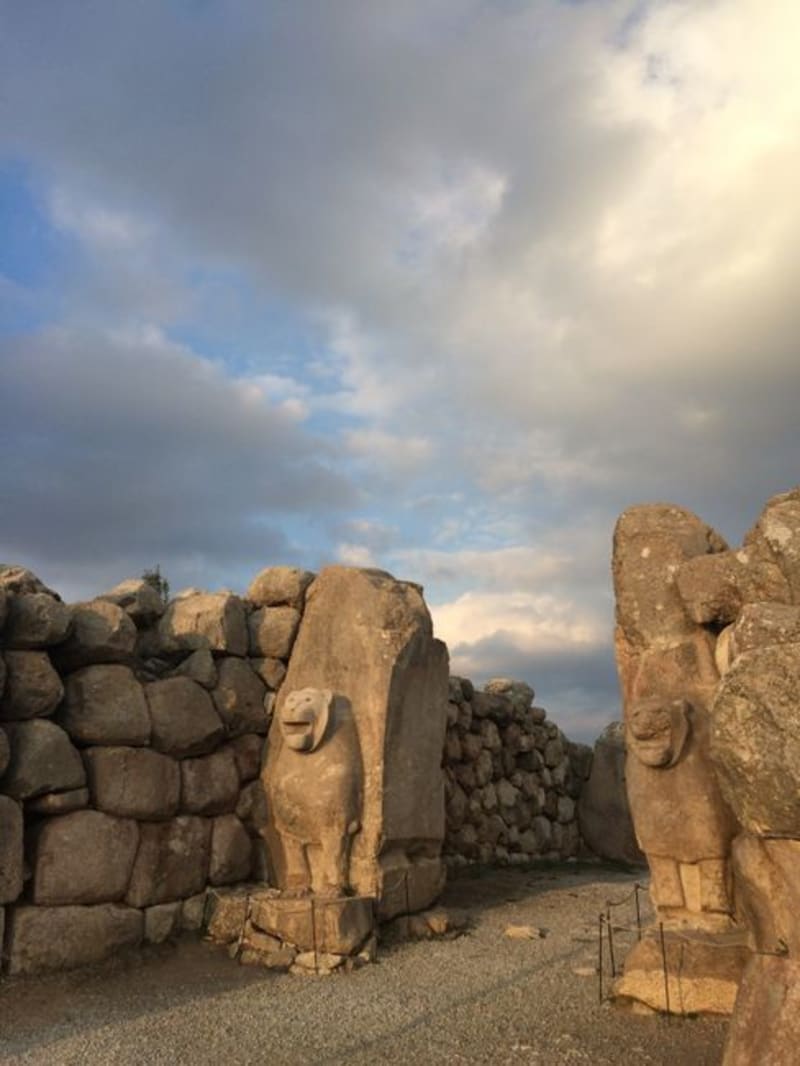 anatolian-plateau
 Hattusa
The sprawling ruined capital of the Hittite Empire, its cyclopean walls and lion-carved gates standing on the empty plateau since long before Troy fell.
Explore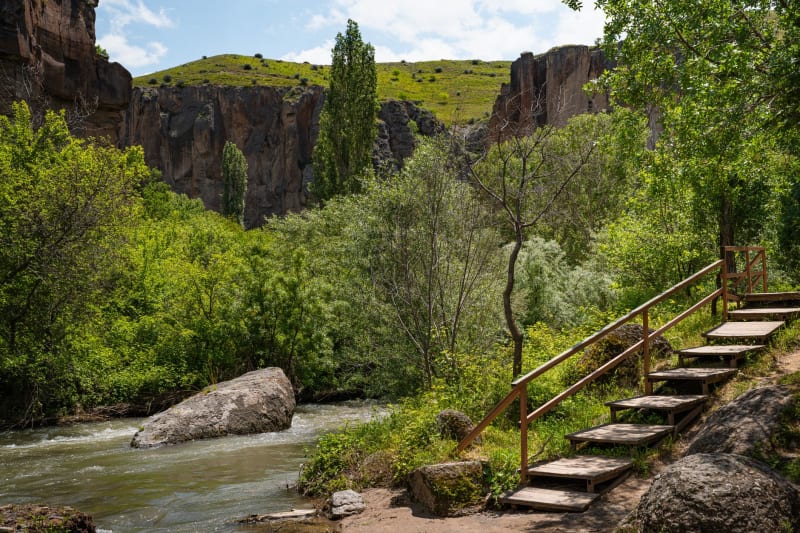 anatolian-plateau
 Ihlara Valley
A slot canyon sliced through the plateau where Byzantine monks carved entire churches into the volcanic cliffs above a poplar-green river.
Explore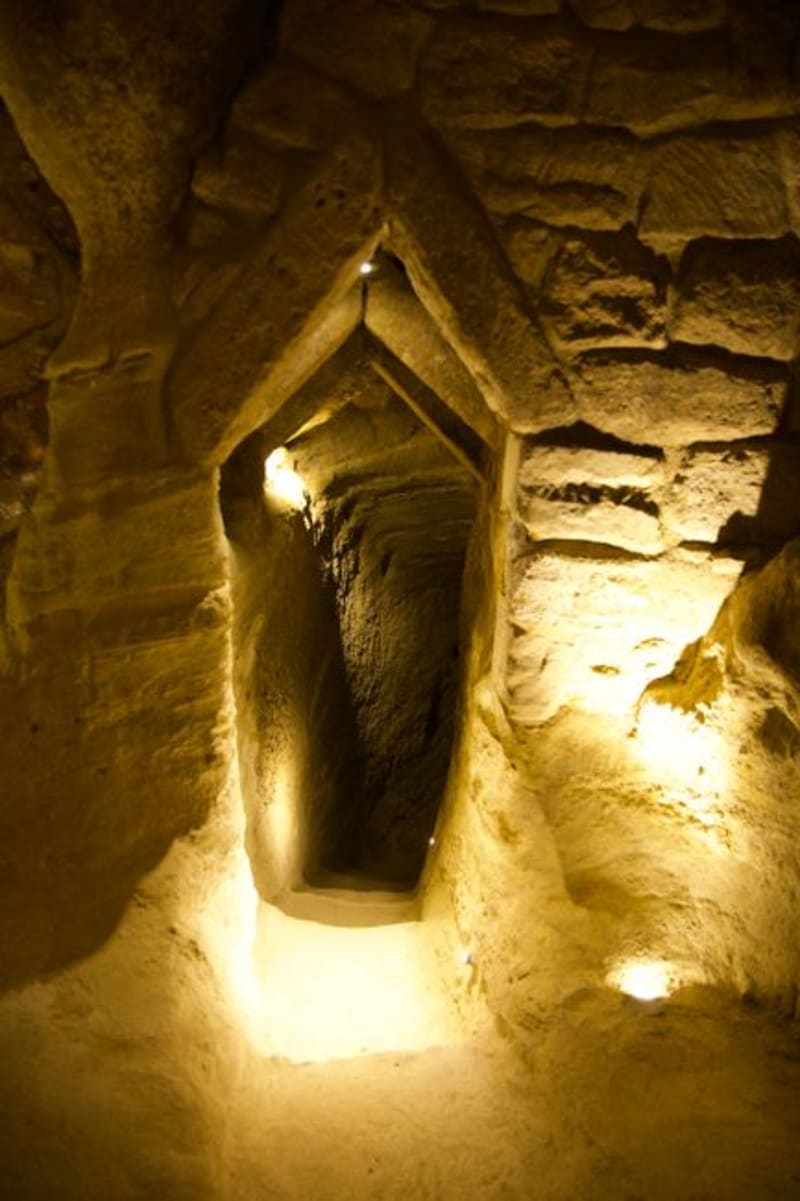 anatolian-plateau
 Kaymaklı
A quieter, wider underground city than its famous neighbor Derinkuyu, built around storage rooms and stables instead of grand chambers, and still connected to it by tunnels nobody has fully mapped.
Explore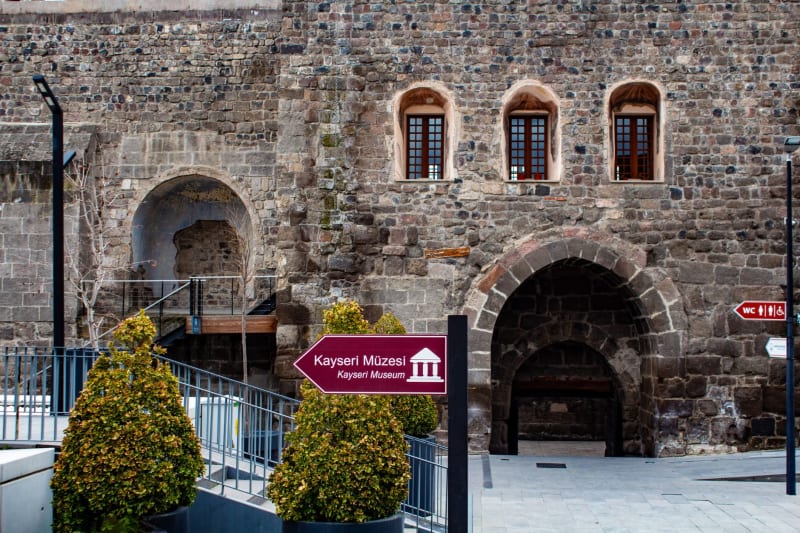 anatolian-plateau
 Kayseri
A Seljuk trading city beneath a perfect volcanic cone, where the bazaars still smell of pastırma and the mountain watches everything from across the plain.
Explore