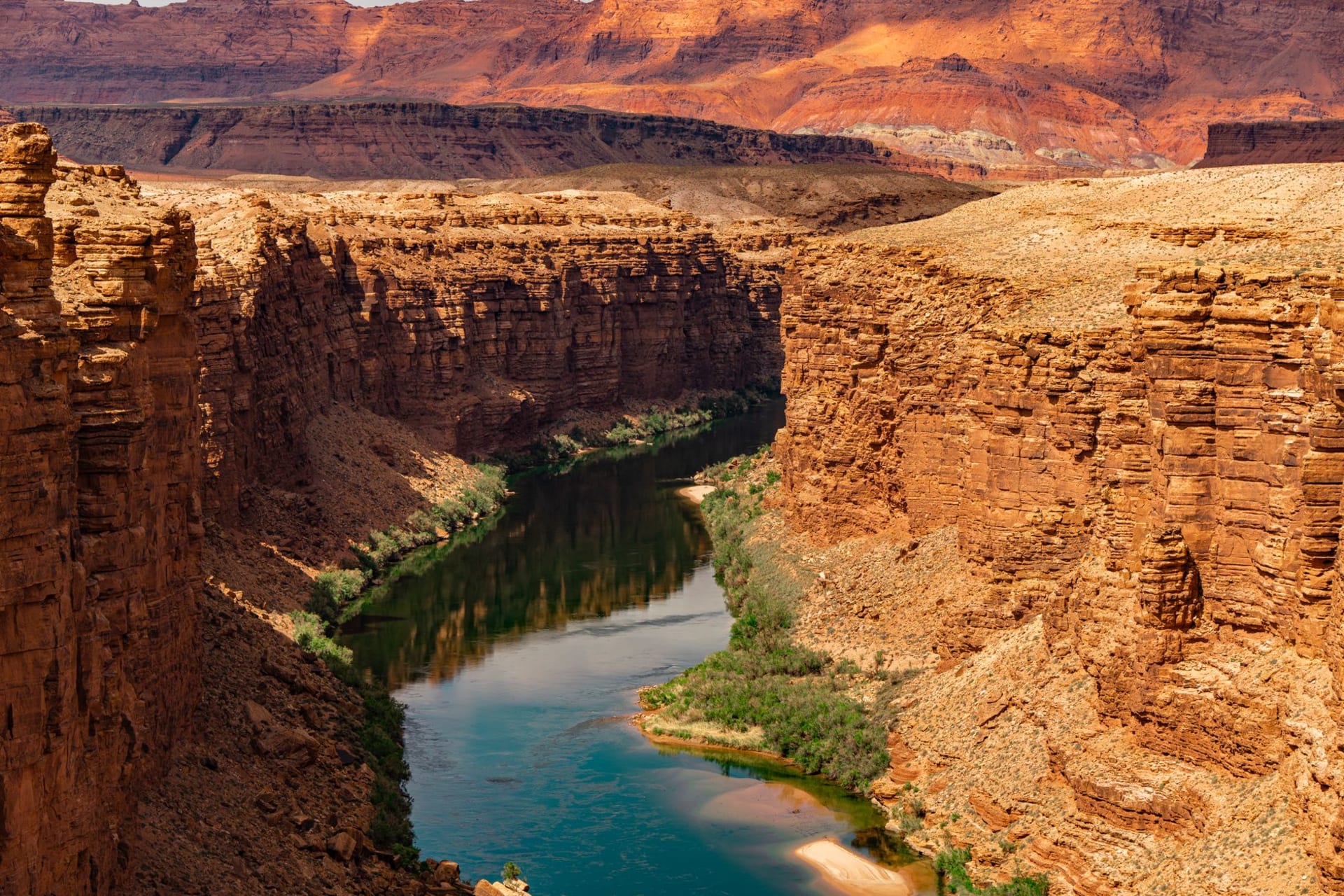
Canyon de Chelly
"I have stood at a lot of canyon rims. This is the only one where someone waved up at me from their farm on the floor below."
A canyon that is still someone’s home
I almost skipped Canyon de Chelly. It does not announce itself the way the big-name parks do, and from the small town of Chinle, where I left the car, you would not guess what the land does a few miles east. Then the road climbs to the rim, you walk out to the first overlook, and the ground simply falls away. Red walls, streaked black with desert varnish, drop straight down to a green floor where cottonwoods follow a thin silver creek. The scale took a second to register. What took longer to register was the farm down there — fences, a couple of hogans, a horse, and a woman who, when she noticed me on the rim, lifted a hand.
That gesture told me more about this place than any plaque. Canyon de Chelly is on Navajo Nation land, and unlike most American canyons it has never been emptied of its people. Families still graze sheep and grow corn and peaches on the floor, as they have for centuries, under the rock where their ancestors built. It is a national monument and a working homeland at the same time, and the second fact quietly outranks the first.
Down on the floor with a guide
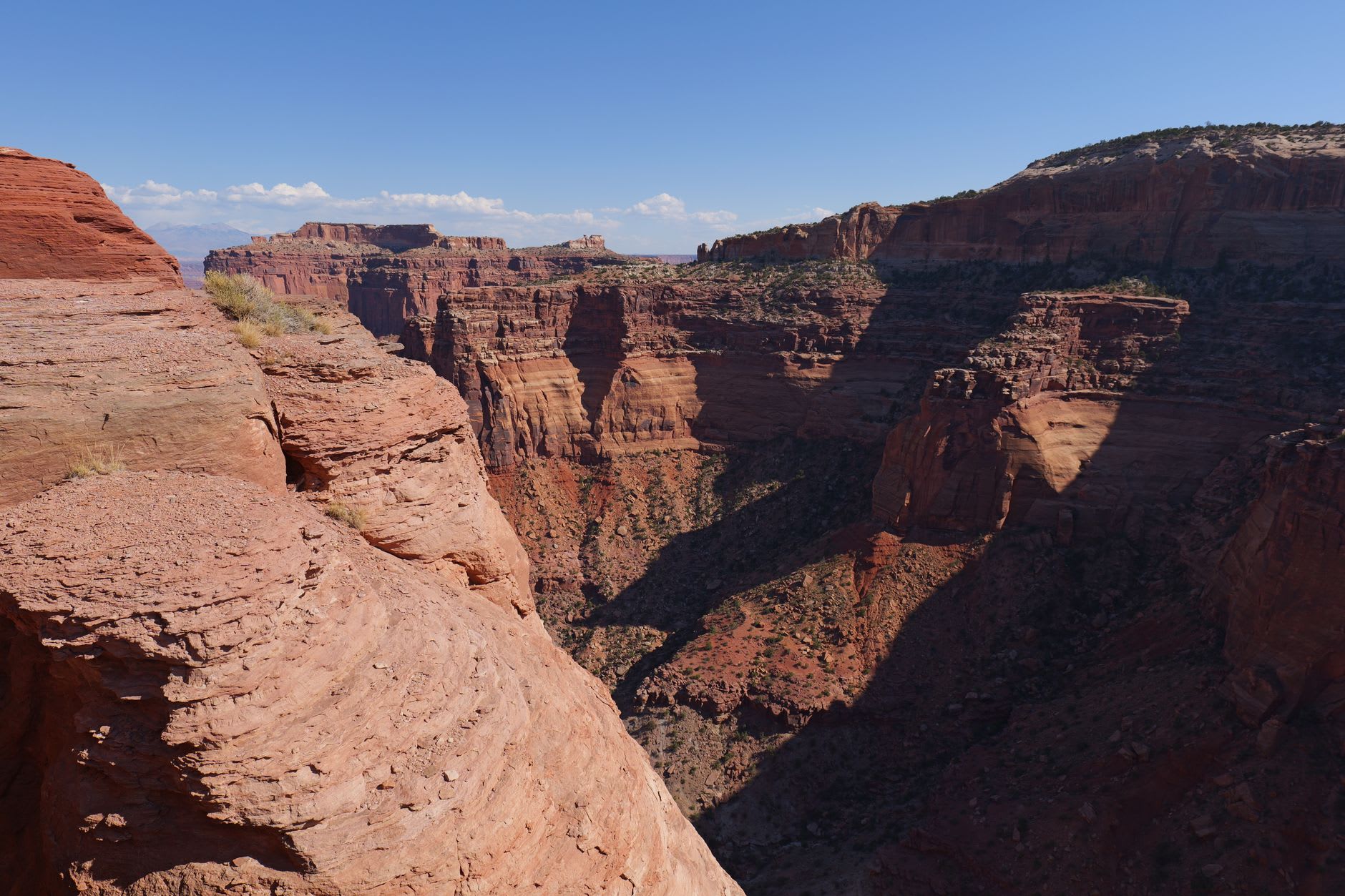
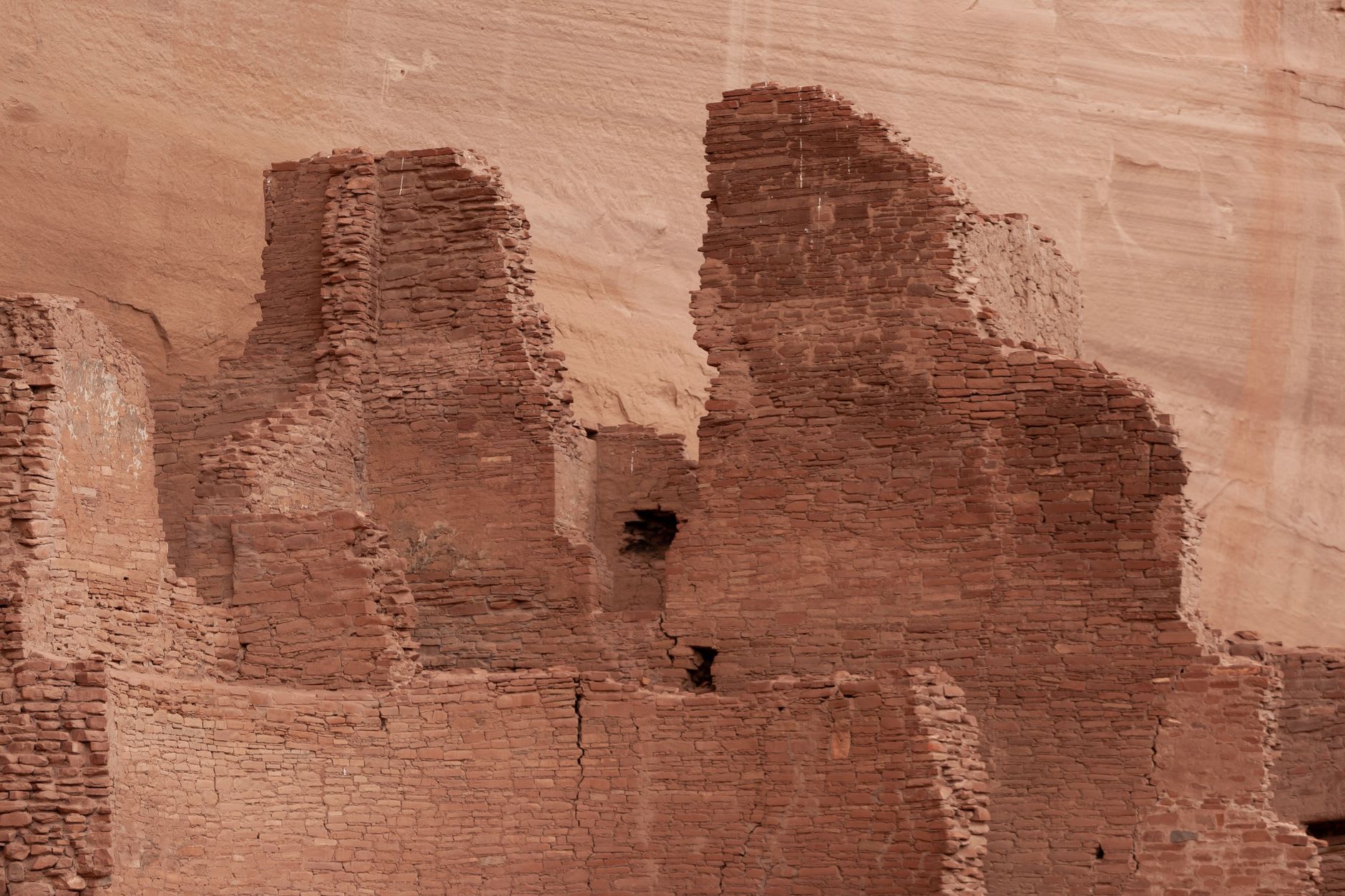
You cannot go down into the canyon alone. The single exception is the trail to White House Ruin, which I took on the first morning — a switchbacking path that drops through the rock to a set of pale dwellings pressed into an alcove, built by the Ancestral Puebloans and abandoned around seven hundred years ago. I sat on a rock and ate an apple and tried to do the arithmetic of how long people have been choosing this exact patch of shade. Everywhere else on the floor, you go with a Navajo guide, and you should.
Lia booked us a half-day in an open Jeep with a guide named Marvin, who drove us up the wash itself, the vehicle slewing through soft sand and cold ankle-deep water. He pointed out petroglyphs I would have walked straight past, a panel of Spanish horsemen scratched into the rock, the dark scorch marks of an old massacre, and the spot where his grandmother had kept sheep. He was not performing. He just knew the place the way you know a hallway in your own house.
What the rim gives you
If you only have a few hours, drive the South Rim to Spider Rock — an eight-hundred-foot twin spire standing alone on the canyon floor, which in Navajo tradition is the home of Spider Woman. I got there at the end of the day, when the low sun turned the spire the color of a struck match and the wind came up over the rim hard enough to lean against. There were maybe four other people. After the crowds of Sedona and the Grand Canyon, that emptiness felt like a gift I had not earned.
When to go: April to June and September to October bring comfortable temperatures and good light. Summer afternoons are hot and bring monsoon storms that can fill the wash and cancel floor tours. Winter is quiet and stark, with snow dusting the red rock, but some guides scale back. Book the floor tour ahead — guides are independent and fill up.