Lamas
"Lamas is the only place I've been where you can feel the Andes and the Amazon arguing over the same hill."
A hilltop town where Andean and Amazonian worlds stack on top of each other, and the Quechua Lamista keep their own language alive.
We drove up to Lamas from Tarapoto on a whim, really — a guy at our hostel kept saying “you have to see the City of Three Floors” and refusing to explain what that meant. It turned out to mean exactly what it sounds like: the town is built in layers up the hillside, colonial center at the top, mestizo neighborhoods in the middle, and the Quechua Lamista quarter of Wayku spilling down toward the bottom. I remember standing in the main plaza and feeling the air change from what we’d gotten used to in the lowlands — cooler, drier, almost mountain air, even though the jungle was still visible in every direction below us.
Wayku is where we spent most of our afternoon. It’s the historic heart of the Quechua Lamista people, descendants of highland Quechua speakers who were relocated here during the colonial period and somehow held onto their own language, dress and craft traditions instead of blending into the lowland Amazonian culture around them. Lia struck up a conversation with a woman selling woven bags outside her house, half in Spanish, half in gestures, and she pointed us toward the little community museum a few streets over.
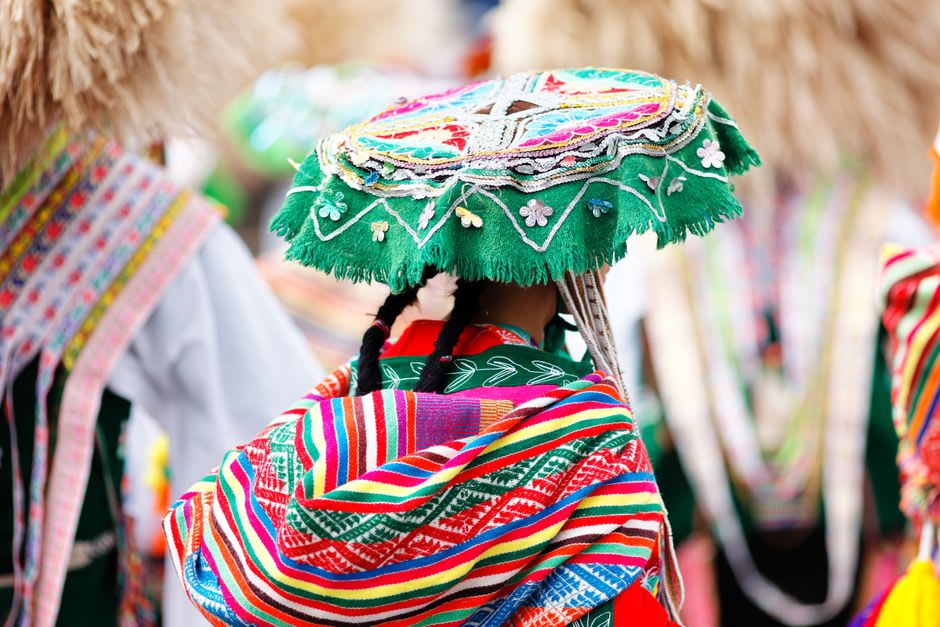
The museum in Wayku is small, almost improvised, run by people from the community itself, and that’s exactly what made it stick with me — no glass cases, no polished signage, just photographs, tools and explanations from people telling their own history rather than having it told for them. We asked a lot of questions and nobody seemed to mind. Afterward we climbed back up toward the plaza and ate lunch on a terrace looking out over the rooftops, and I finally understood why everyone insists on the “three floors” nickname — you can genuinely see the town’s social geography laid out in front of you, level by level, down toward the green.
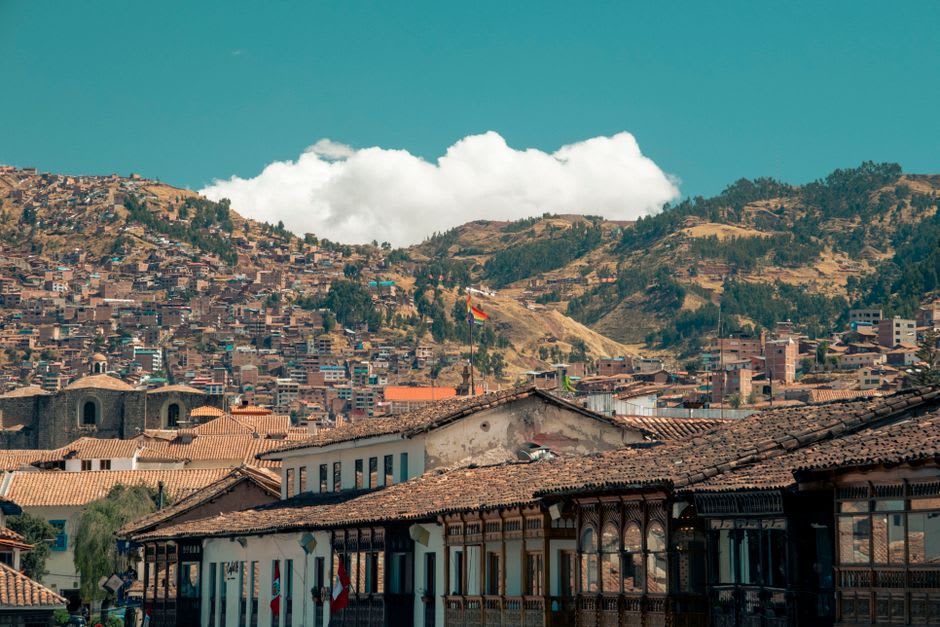
What surprised me most about Lamas wasn’t any single sight but the elevation itself — sitting right at that transitional line between Andean foothills and lowland rainforest, it has a climate unlike anywhere else we visited in the Peruvian Amazon. After the heavy, syrupy heat of Iquitos and Pucallpa, the cool evening air in Lamas felt like a small reward, and we ended up staying an extra night just to sit outside without sweating through our shirts.
When to go: We went in July, deep in the dry season, and the views from the town’s overlooks stretched clean across both the mountains and the jungle — visit between May and September if you want that same clarity.
Keep exploring
More from Peruvian Amazon
 amazon-peru
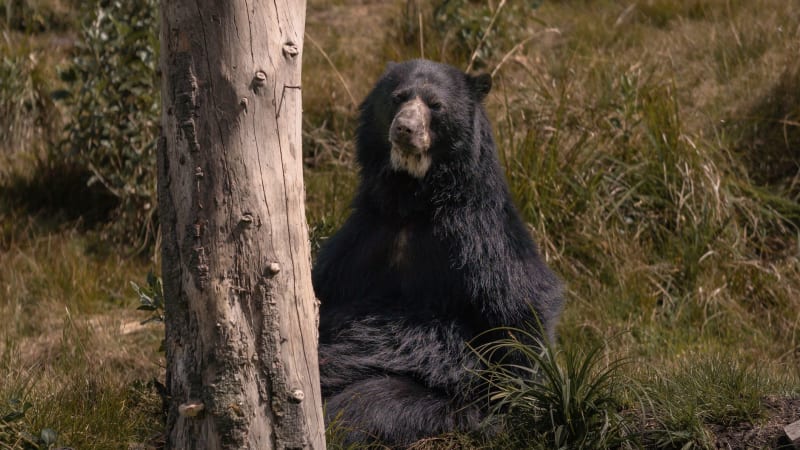
 Manu National Park
The descent from the Andes into Manu is one of the great biological transitions on earth — three thousand meters of altitude and a lifetime of birds.
Explore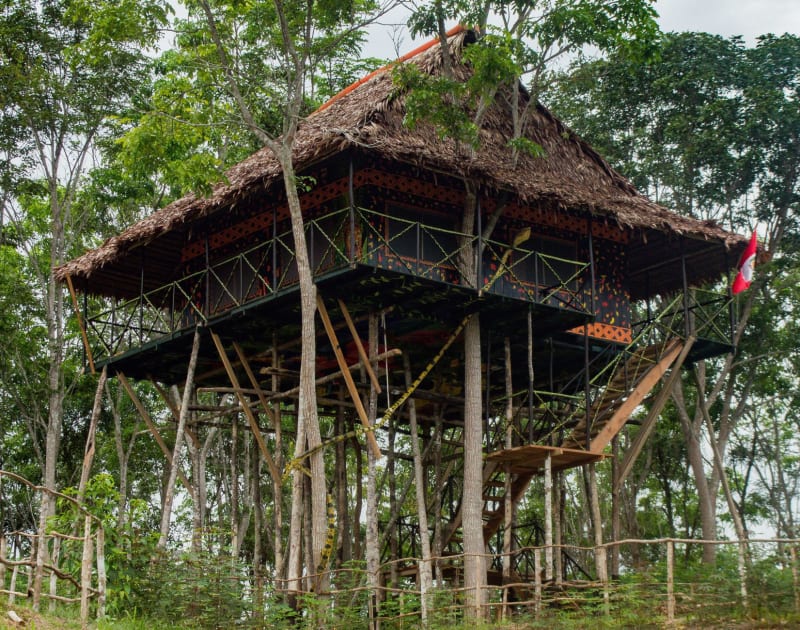 amazon-peru
 Nauta
The last town on the only road out of Iquitos — a river port at the Marañón-Ucayali confluence that most people pass through and shouldn't.
Explore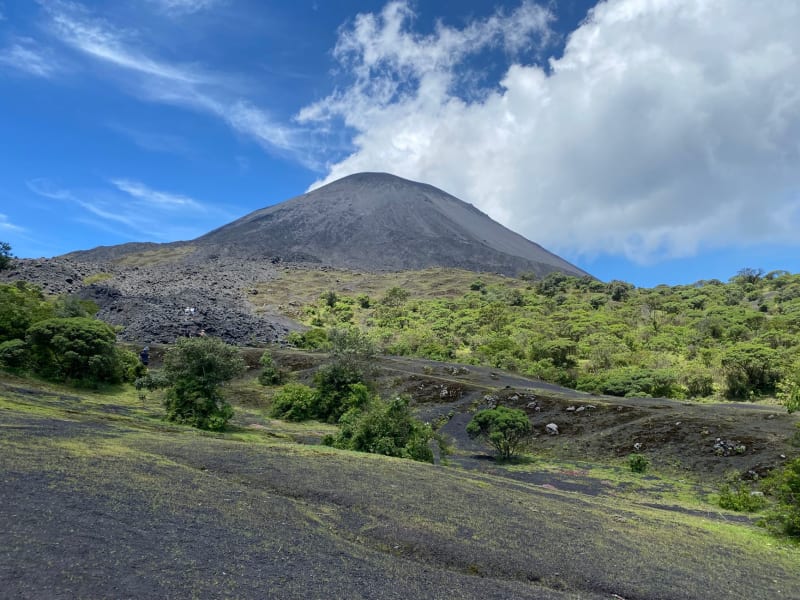 amazon-peru
 Pacaya-Samiria National Reserve
A flooded forest reserve the size of Switzerland where pink dolphins surface close enough to smell, and almost no one goes.
Explore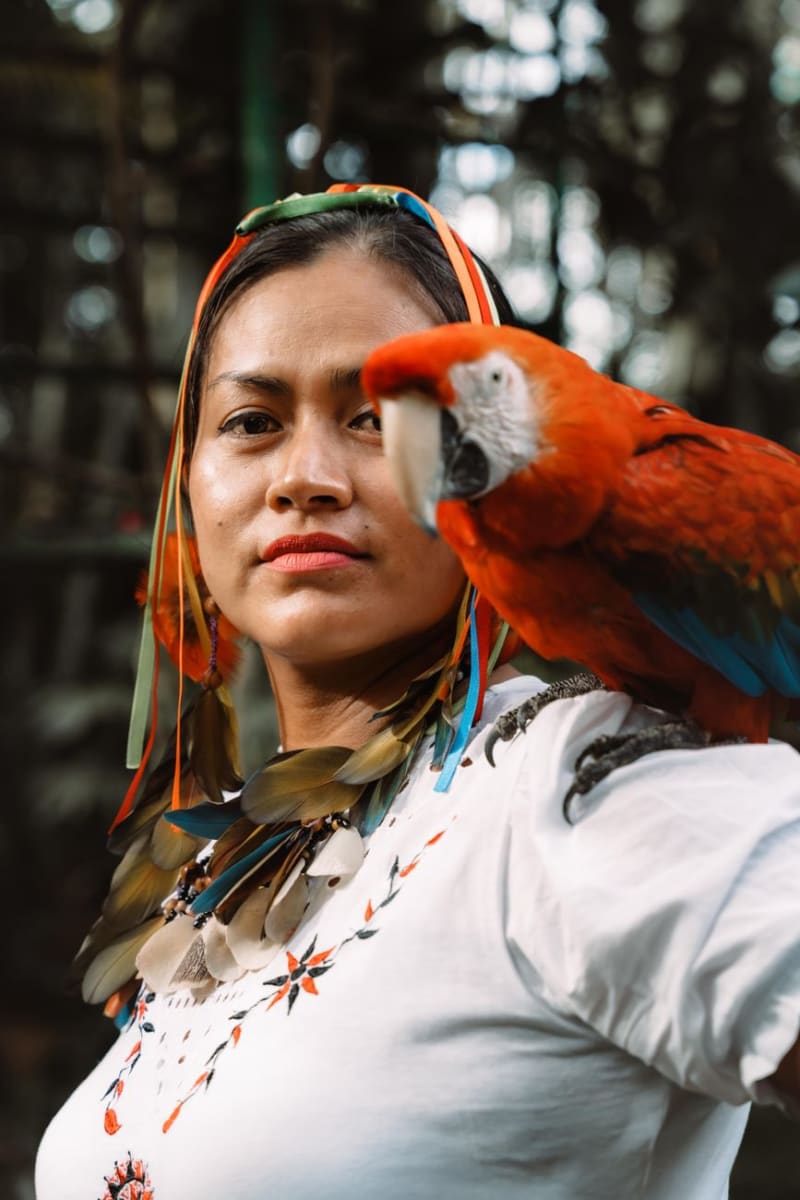 amazon-peru
 Pucallpa
A rough-edged Amazon port on the Ucayali River, the gateway to Shipibo-Conibo art and the tranquil lagoon of Yarinacocha just outside town.
Explore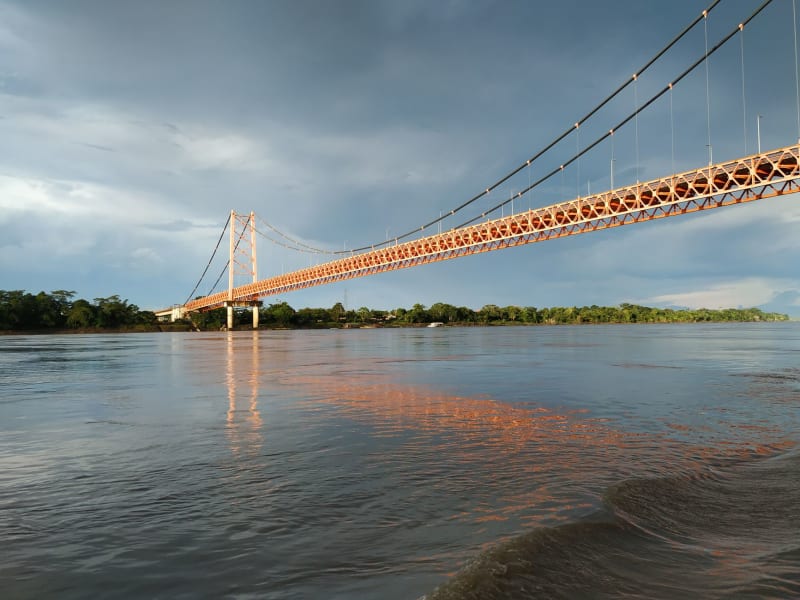 amazon-peru
 Puerto Maldonado
A frontier river town at the edge of the southern Amazon where every conversation eventually comes back to the forest.
Explore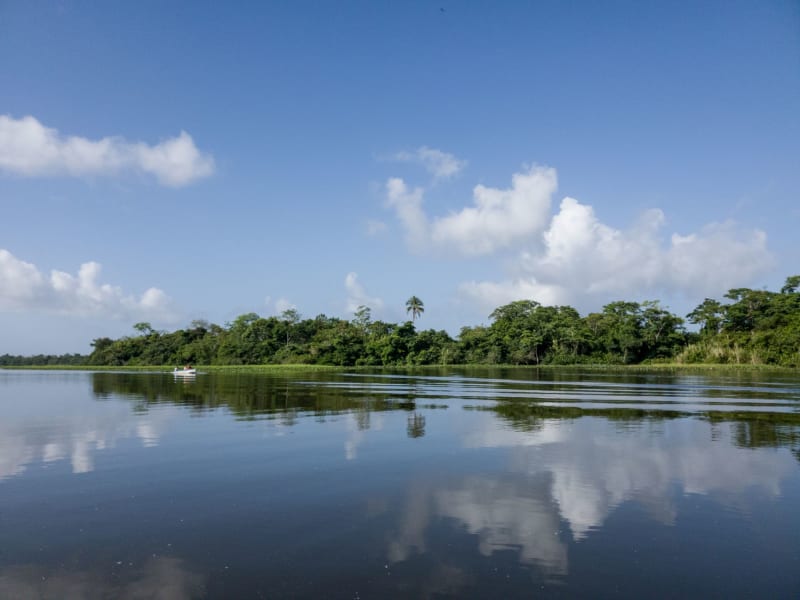 amazon-peru
 Río Yarapa
A blackwater tributary deep in the Pacaya-Samiria zone where the nearest road is five hundred kilometers away and the dolphins surface at breakfast.
Explore