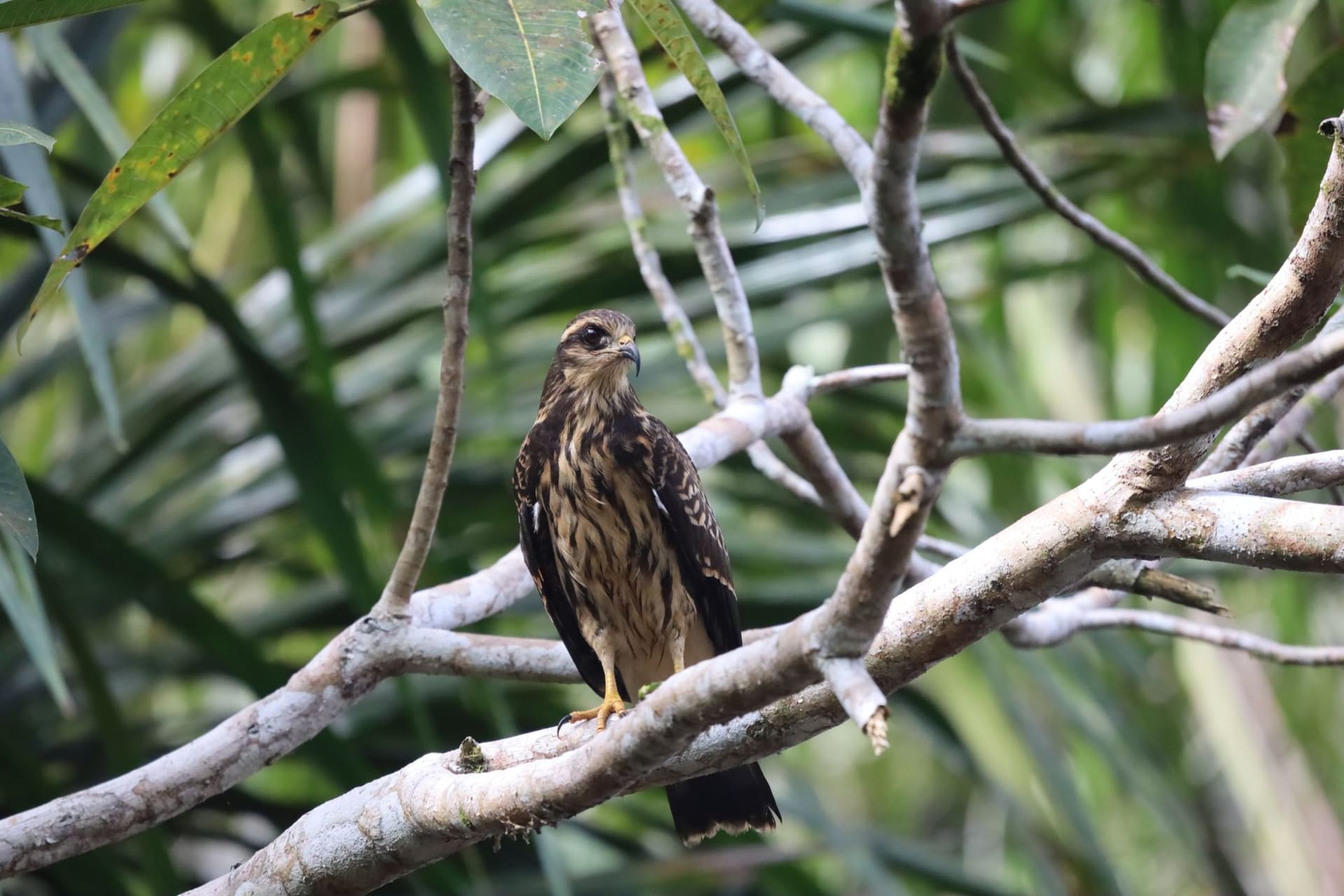
Americas
Peruvian Amazon
"Nothing in twenty years of travel prepared me for the scale of that river at dawn."
The largest tract of primary rainforest on earth, where the river sets the clock and every dawn sounds like an orchestra tuning at full volume.

The plane banks over Iquitos and there is no runway in sight — just brown water and green canopy stretching to every horizon. Then the city appears, improbably dense, accessible only by river or air, the largest city on earth with no road connecting it to anywhere. That landing is your first lesson: the Peruvian Amazon does not follow the logic you arrived with.
I came through Iquitos on a slow boat south toward the Pacaya-Samiria National Reserve, a protected area roughly the size of Switzerland that most travelers never reach. The lodges along the Río Yarapa put you inside the flooded forest at river level — not above it on a canopy walkway with a safety harness, but in a small dugout canoe threading between the trunks of trees that have been standing in water for four months. Pink river dolphins surface close enough that you can smell them. Giant river otters scream at you from the opposite bank. Caimans log-roll in the shallows at night while your guide sweeps a headlamp across the black water with the casual confidence of someone who grew up here. The biodiversity statistics you read before coming turn out to be understatements.
Iquitos itself deserves two days, not the half-day most Amazon itineraries budget. The Belén floating market is one of the more disorienting food experiences in South America — vendors selling live turtles, medicinal plants I had no names for, and the freshest paiche I have eaten anywhere, grilled on the spot with a squeeze of lime. The ironwork on the buildings near the Plaza de Armas came from Eiffel’s workshops, shipped upstream at the height of the rubber boom, which tells you everything you need to know about what money does to remote places. Walk along the Malecón at dusk when the river smell is strongest and the light goes pink over the water. Order a glass of camu camu juice at whichever stall still has it. Understand that you are in one of the most isolated cities on earth and that this is precisely the point.
When to go: June through October is the low-water season, when trails emerge from the flooded forest and wildlife concentrates around shrinking lakes and oxbows — the best window for wildlife viewing. November through May brings the high water, which opens the flooded forest to canoe access and is spectacular in its own right, though humidity and rainfall are serious. Avoid being misled by “dry season” — this is the Amazon. There is no dry.
What most guides get wrong: They funnel everyone to the lodges closest to Iquitos, a two-hour boat ride that keeps you in heavily trafficked water. The animals have learned to keep their distance. Push further — four hours minimum, preferably into Pacaya-Samiria — and the ratio of humans to wildlife inverts completely. It costs more and takes longer and is worth every hour of the difference.
Explore
Places in Peruvian Amazon
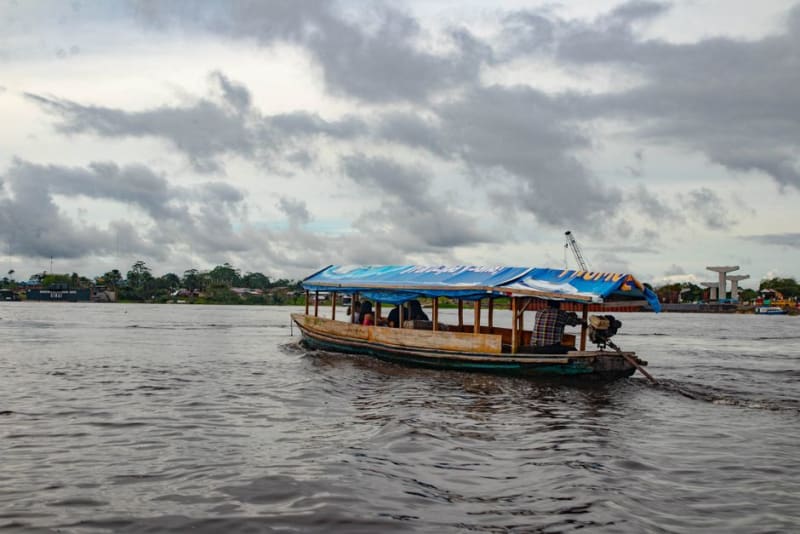 amazon-peru
 Allpahuayo-Mishana National Reserve
A white-sand forest outside Iquitos where quartz soils have quietly built one of the most biodiverse patches of the Amazon.
Explore amazon-peru
 Belén
Iquitos's floating neighborhood where the market sells live turtles, ayahuasca vine, and the best paiche in the Amazon.
Explore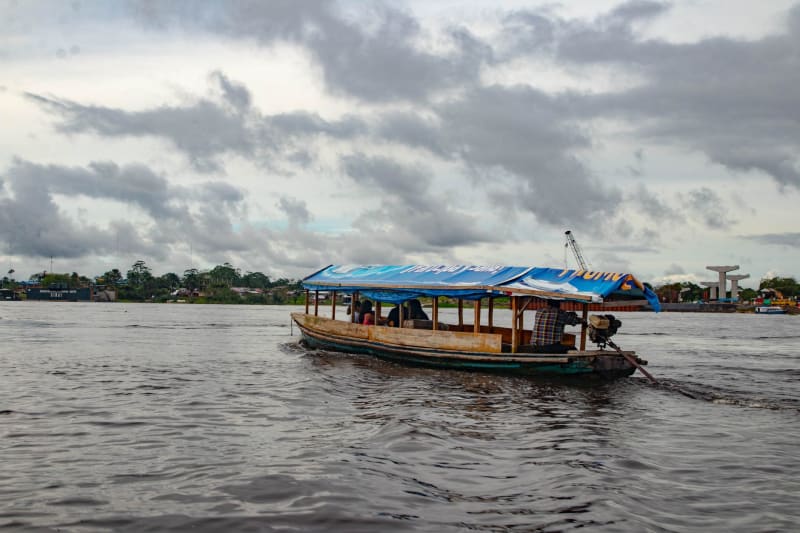 amazon-peru
 Iquitos
The largest city on earth with no road connecting it to anywhere — accessible only by river or air, and proud of it.
Explore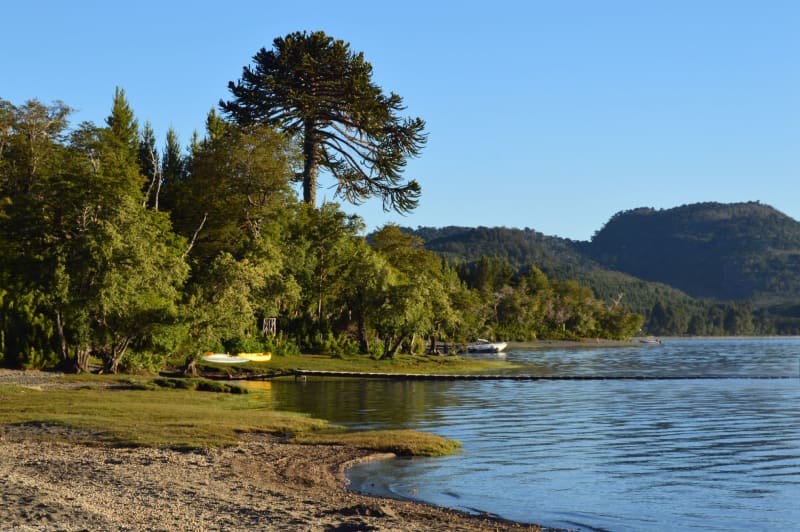 amazon-peru
 Lago Sandoval
An oxbow lake reached through primary jungle at dawn, where a family of giant river otters has fished the same waters for fifteen years.
Explore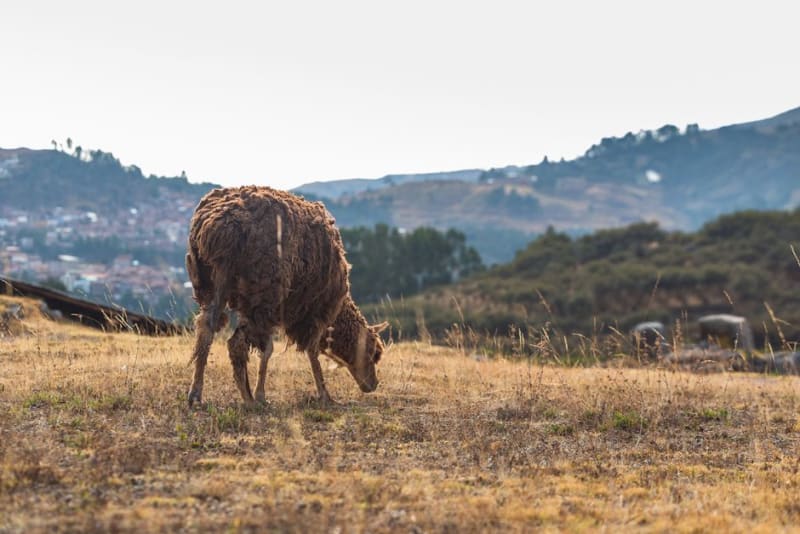 amazon-peru
 Lamas
A hilltop town where Andean and Amazonian worlds stack on top of each other, and the Quechua Lamista keep their own language alive.
Explore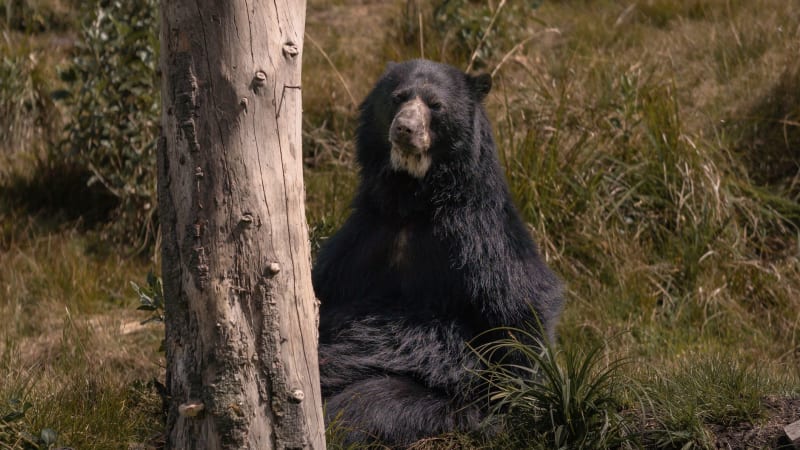 amazon-peru
 Manu National Park
The descent from the Andes into Manu is one of the great biological transitions on earth — three thousand meters of altitude and a lifetime of birds.
Explore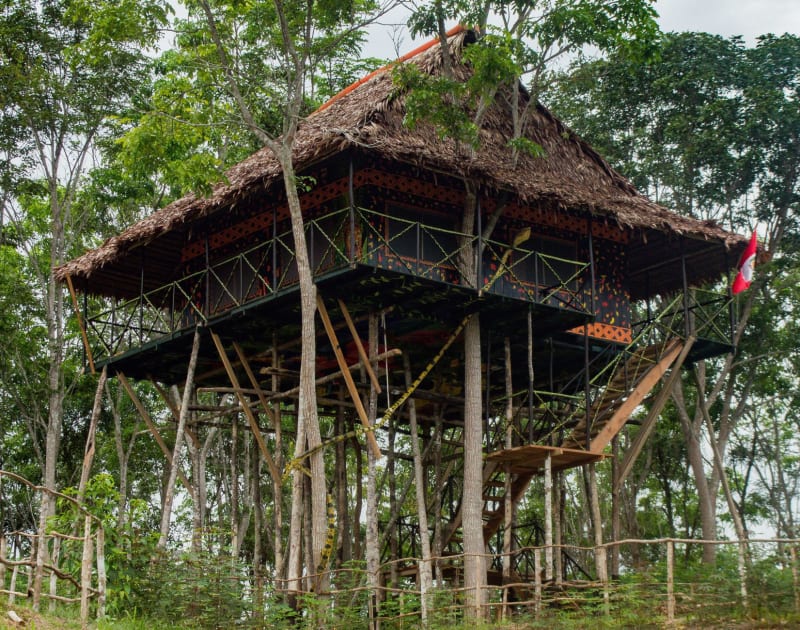 amazon-peru
 Nauta
The last town on the only road out of Iquitos — a river port at the Marañón-Ucayali confluence that most people pass through and shouldn't.
Explore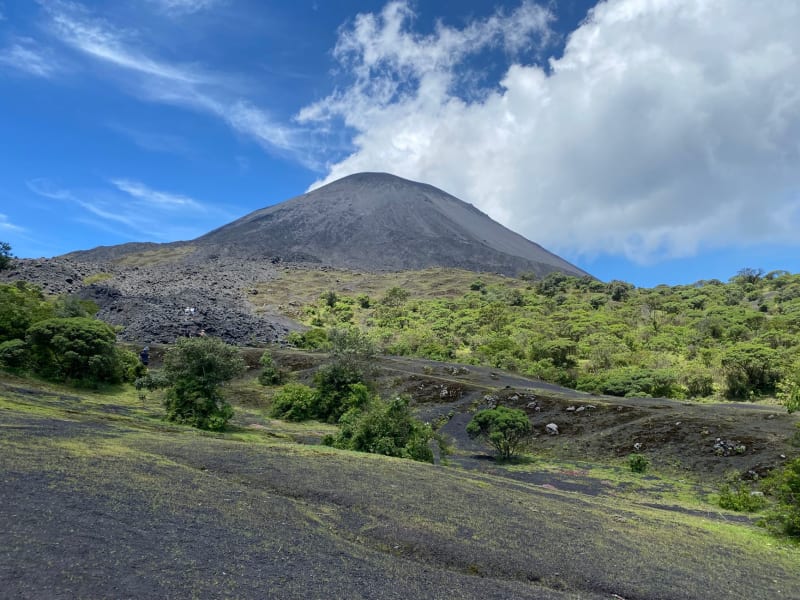 amazon-peru
 Pacaya-Samiria National Reserve
A flooded forest reserve the size of Switzerland where pink dolphins surface close enough to smell, and almost no one goes.
Explore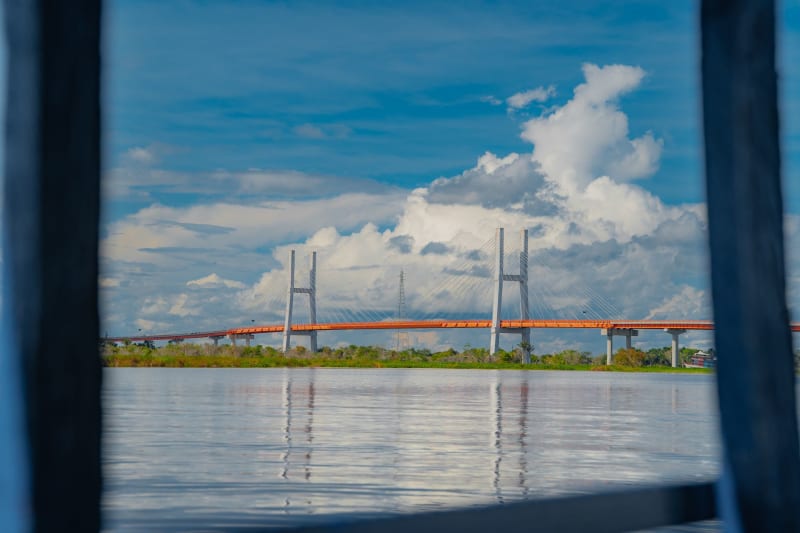 amazon-peru
 Pucallpa
A rough-edged Amazon port on the Ucayali River, the gateway to Shipibo-Conibo art and the tranquil lagoon of Yarinacocha just outside town.
Explore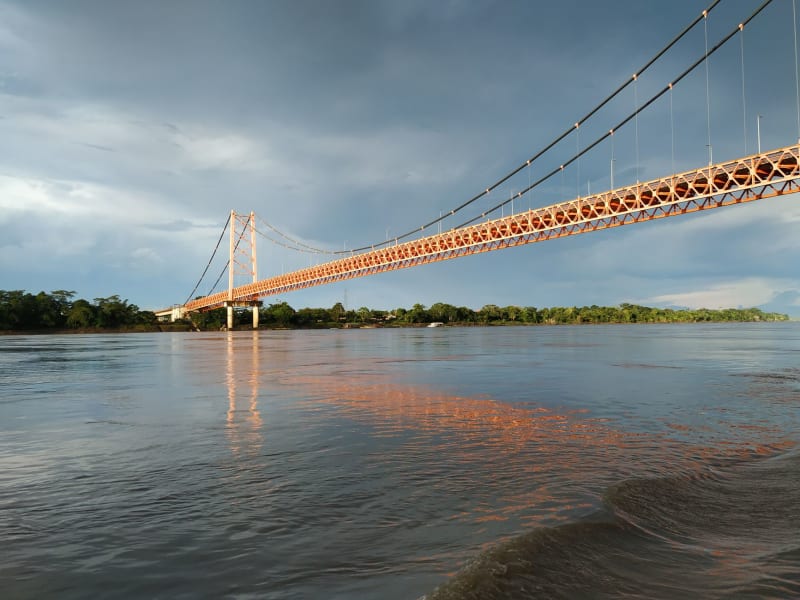 amazon-peru
 Puerto Maldonado
A frontier river town at the edge of the southern Amazon where every conversation eventually comes back to the forest.
Explore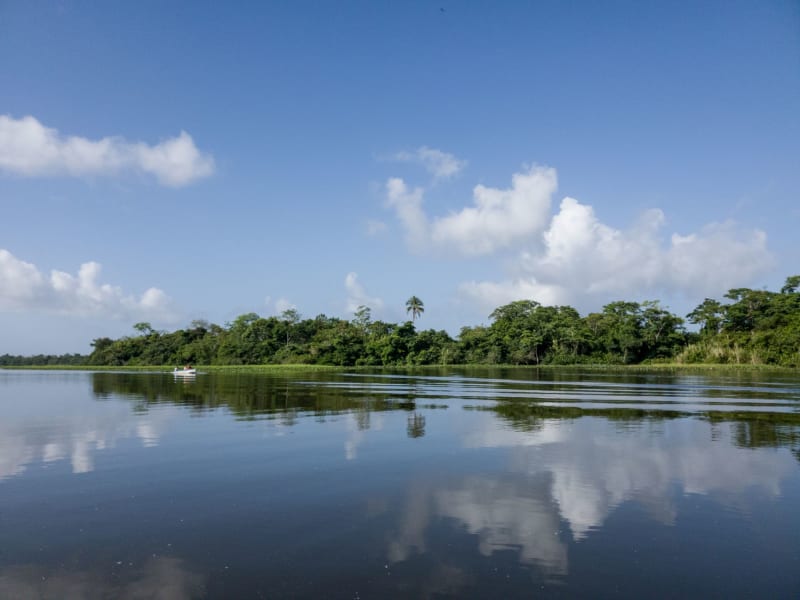 amazon-peru
 Río Yarapa
A blackwater tributary deep in the Pacaya-Samiria zone where the nearest road is five hundred kilometers away and the dolphins surface at breakfast.
Explore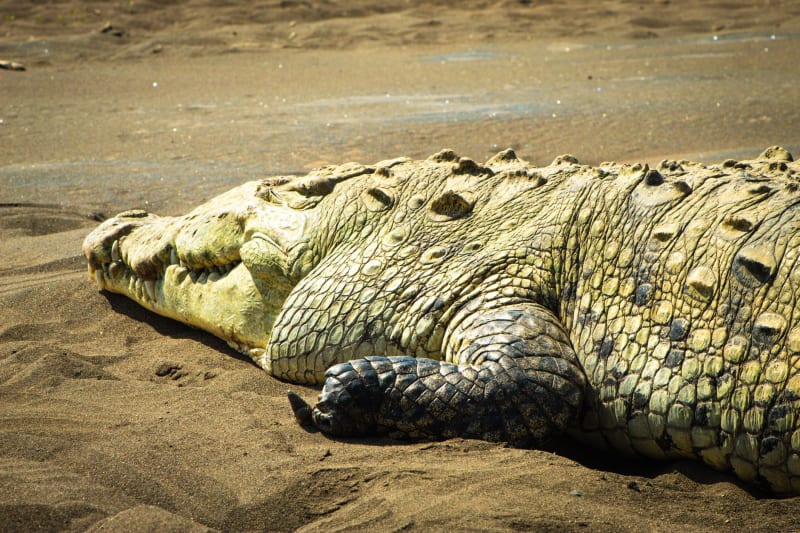 amazon-peru
 Tambopata National Reserve
Clear tannic rivers, primary forest, and the largest macaw clay lick in South America — an hour by boat from Puerto Maldonado.
Explore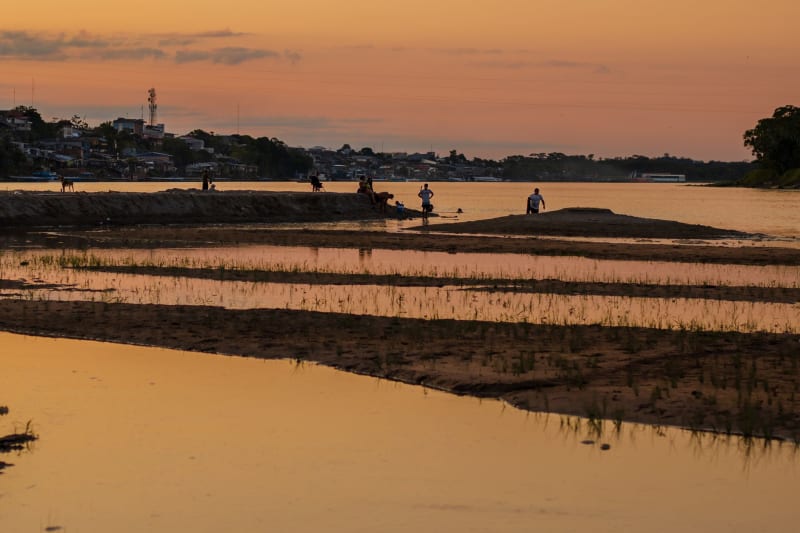 amazon-peru
 Yurimaguas
Where the road from Lima ends and the Amazon river system begins — a transit junction that accumulates the kind of traveler who has given up on timetables.
Explore