
Lagos de Yahuarcaca
"Fifteen minutes from the city and the world had rearranged itself entirely around water and birds."
I had been in Leticia for two days before someone mentioned the lakes. Not a tour operator, not a hotel — a woman selling fruit in the market who noticed me asking about what was nearby and said, with genuine confusion about why I hadn’t gone already, that the Yahuarcaca lakes were fifteen minutes away by mototaxi and then a short walk, and that the birds in the morning were something to see. I went the next day before breakfast, while the city was still waking up, and by six-thirty I was standing on a wooden platform above the largest of the lakes watching a black-collared hawk hunt the shallows in the flat grey light before sunrise.
The Yahuarcaca system is a group of Amazonian floodplain lakes connected by channels to each other and to the Amazon river, covering several hundred hectares on the western edge of Leticia. During high water they merge and expand, the surrounding forest flooding to create the characteristic igapó ecosystem — black-water flooded forest — that defines so much of the Colombian Amazon. During low water the lakes contract and the diversity concentrates, with wading birds working the exposed shallows and the caimans that have been there all along becoming suddenly visible on the mudflats.
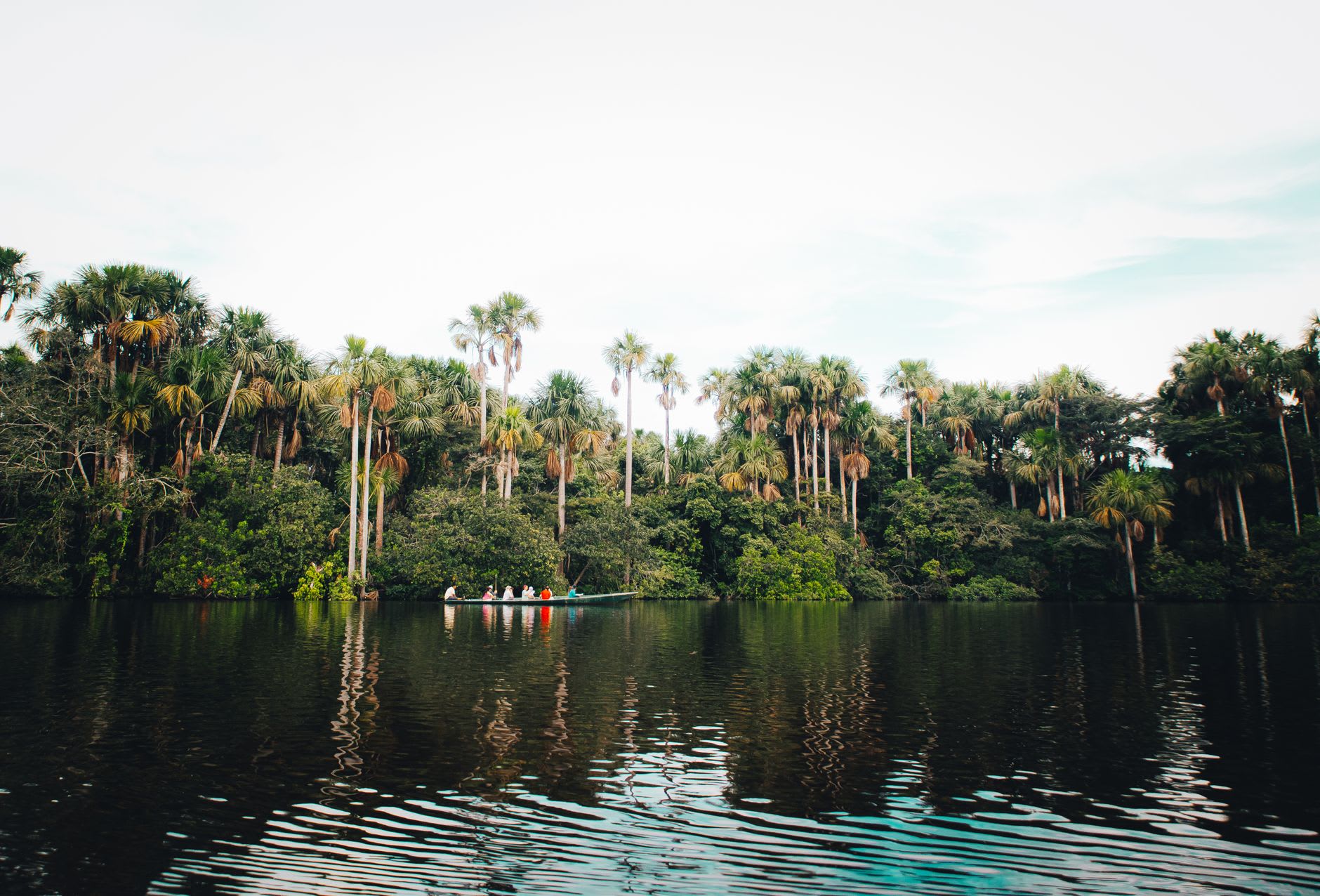
The bird variety at Yahuarcaca is absurd for somewhere within city limits. I spent three hours there and saw species I had to look up: the boat-billed heron with its ridiculous wide bill that it uses to scoop prey; the wattled jacana walking on lily pads with extended toes that distribute its weight; the ringed kingfisher, larger than I expected, its chestnut breast catching the first direct light as it hit a perch on a dead branch over the water. Egrets and herons occupied the shallows in a loose hierarchy, each species at a slightly different depth, parsing the same resource in parallel without apparent conflict. A giant river otter surfaced in the middle channel, regarded me for two seconds, and went back under. I had not expected the otter.
Near the largest lake there is a small botanical garden called Mundo Amazónico where the community has compiled an astonishing inventory of Amazonian plant species — medicinal plants, timber trees, fruit trees, aquatic plants including the Victoria amazonica lily with pads large enough to sit a child on, fibres and dyes. A guide named Roberto walked me through it at a pace that turned twenty minutes into an hour, stopping at plants he found particularly interesting and explaining their uses with the relish of someone who has assembled his own private pharmacopoeia. He gave me a piece of copoazú fruit to eat while he talked, and the taste was so unfamiliar — somewhere between soursop and vanilla and something I couldn’t name — that I stopped following what he was saying and just stood there eating it.
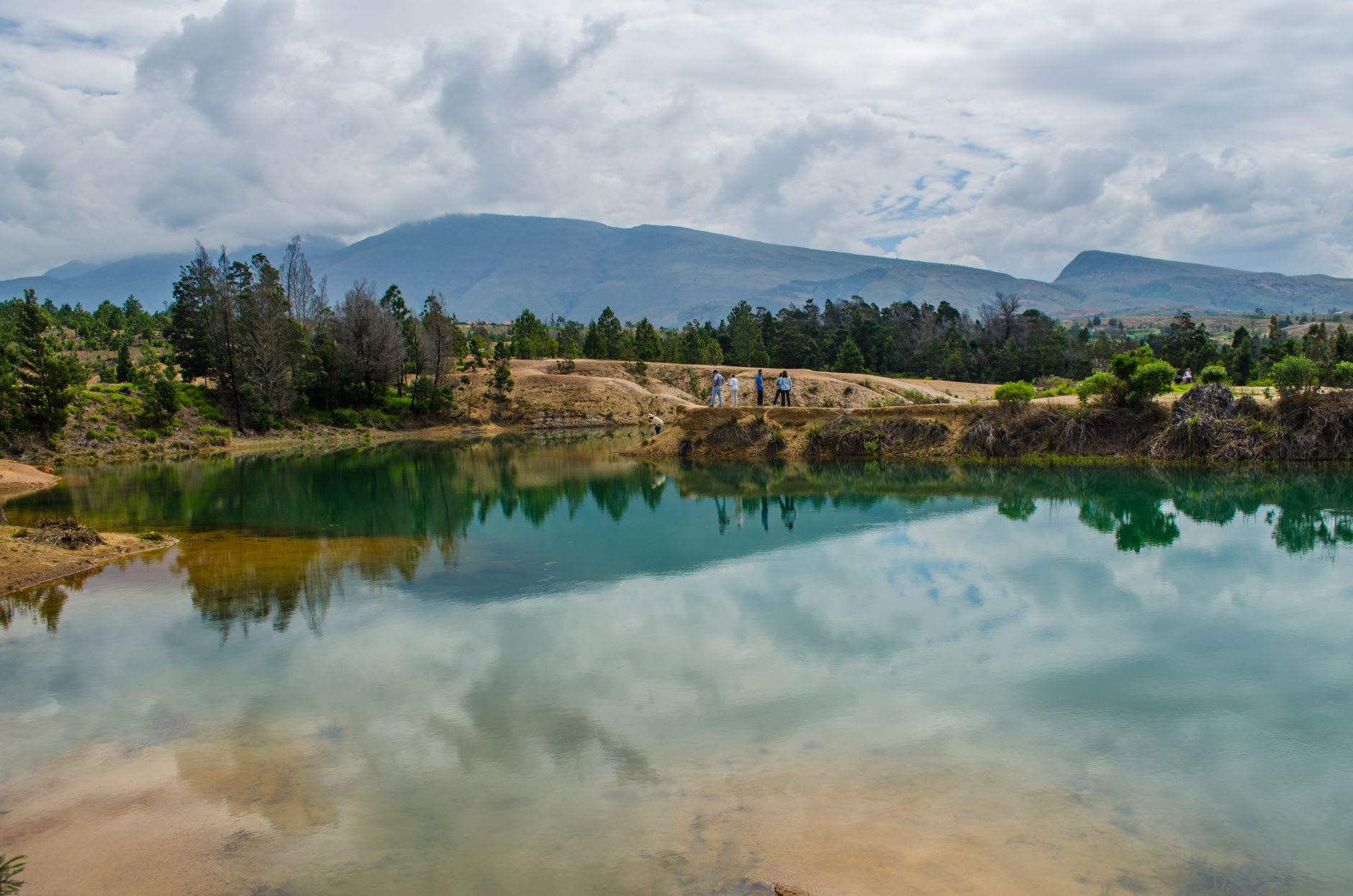
What Yahuarcaca offered that the more distant river destinations didn’t was immediacy. The Amazon begins here, at the edge of a port city, before you have done anything to prepare or arrange or travel for. The caimans on the bank are not a reward for expedition logistics — they are there by default, fifteen minutes from the market where I bought breakfast. This is either a testament to the resilience of this ecosystem or to the relative thinness of Leticia’s ecological footprint, or both. I walked back to the city through a neighbourhood where children were going to school, carrying the images of the otter and the hawk in the grey morning light, and the transition from one world to the other felt almost philosophical.
When to go: Yahuarcaca is best visited at dawn, year-round, when the bird activity peaks and the light on the water is extraordinary. The walk from the nearest point of mototaxi access takes about fifteen minutes. Mundo Amazónico opens in the morning and is worth a separate half-day visit. Bring insect repellent; the shallows are serious mosquito territory at low light.