
Comunidad Macedonia
"The shaman's garden had plants for forty different ailments. He named them without looking at them."
A Tikuna riverside community an hour from Leticia where traditional craftwork, medicinal plants, and ceremonial knowledge are held without apology.

The colectivo from Leticia takes about an hour upriver, and Macedonia announces itself with a wooden dock and a small handpainted sign and a boy who saw the boat coming and ran up the bank shouting. The community sits on a high bank above the Amazon floodplain, its wooden houses arranged along a central path that leads to a school, a small community centre, and a maloca — the large communal structure with a conical thatched roof that serves as the gathering and ceremonial space for the Tikuna people who have lived on this river since long before the Colombian state existed.
I came here with a loose introduction from a guide in Leticia, who had called ahead and been told it was fine to visit. There is no tourist infrastructure in Macedonia — no signage directing visitors, no laminated brochure. What there is instead is a community that has decided to remain open to respectful visitors and to share, on its own terms, the knowledge and practice that define it. A woman named Yolanda met me at the dock and walked me to her family’s compound, where her mother and aunt were weaving chambira palm fibre into bags and bracelets under a shade structure. The process was rapid and entirely from memory — fingers moving through the fibre in patterns too fast to follow, each piece different but related, part of a visual vocabulary that Yolanda translated as she explained which patterns were for which occasions.
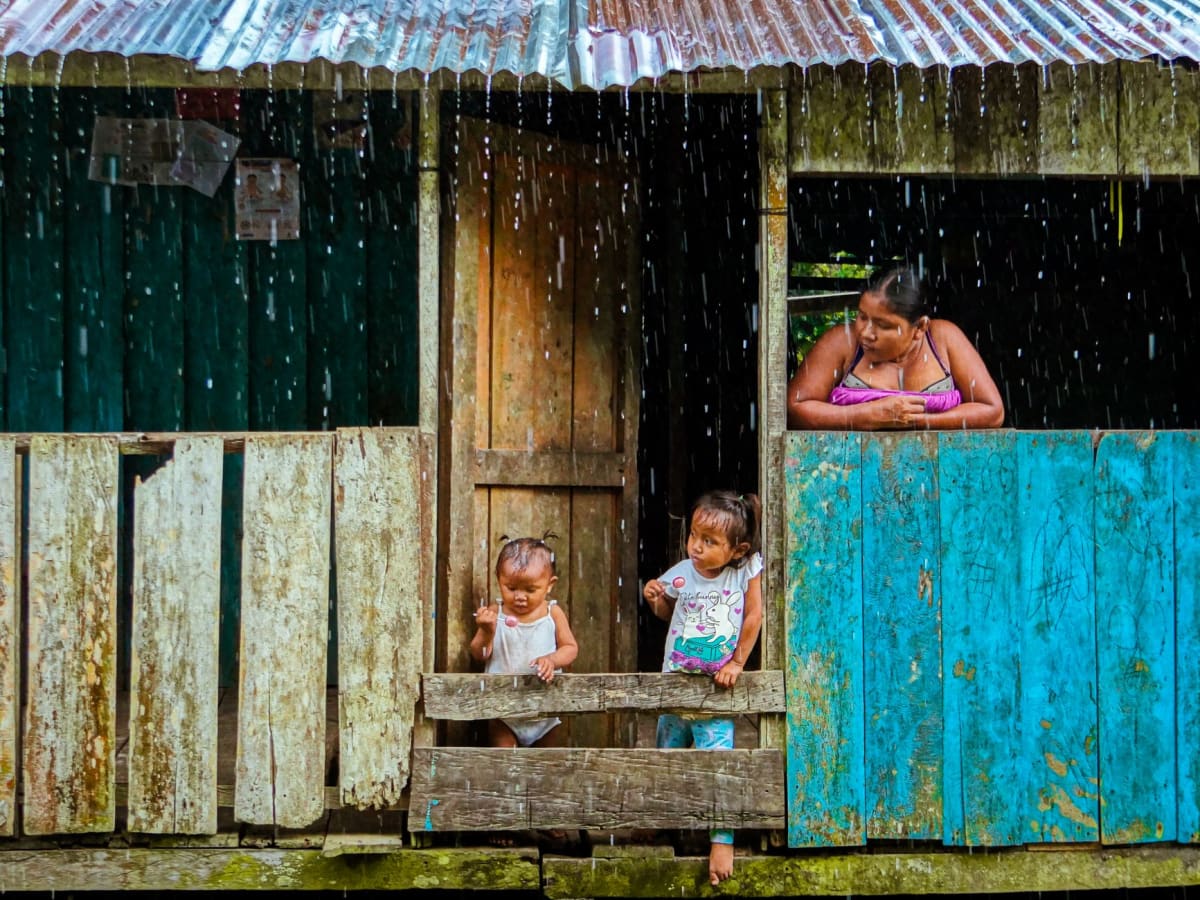
In the afternoon Yolanda took me to meet the community’s sobandero, an older man who maintained a medicinal garden at the edge of the settlement. The garden was not organised by appearance — it did not look like a garden so much as a concentrated patch of forest — but he moved through it with complete authority, touching leaves and bark and root, naming plants in Tikuna first and then providing the Spanish common name if he knew it, and explaining what each addressed. Ojé for intestinal parasites. Cat’s claw for inflammation. A plant I couldn’t see, identified only by smell, for fevers in children. He had learned all of this from his father who had learned it from his. The pharmacological knowledge accumulated in this garden, encoded not in any text but in the memory of a man who was sixty-three years old, was extraordinary and precarious in equal measure.
The maloca in the late afternoon filled with light from the low west, and Yolanda explained the coming ceremony season. The Tikuna hold the Fiesta de la Pelazón — the hair-cutting ceremony marking a girl’s passage to adulthood — as their most important ritual, involving days of preparation, traditional garments, music, and the participation of extended family networks that sometimes span the three-country region. She described it not for tourism purposes but because I had asked about the maloca and the maloca led naturally to its purpose. The distinction mattered to her, and she said as much.

I stayed for dinner — fish stew with yuca, a bowl of masato that arrived without being asked for, a papaya from someone’s garden that tasted like the ur-papaya, the platonic form of the fruit. Around the table conversation moved between Spanish and Tikuna freely, and I occupied the position of polite guest who understands about forty percent of what is being said and is comfortable with that. Before I left, Yolanda’s mother pressed a small chambira bracelet into my hand, the simplest one she had made that afternoon, and refused to take money for it. I have it still.
When to go: Comunidad Macedonia is accessible year-round by colectivo lancha from Leticia (approximately one hour each way). Visit with a local guide or letter of introduction if possible, and approach with patience — the community operates on its own schedule, not a tour operator’s. Don’t arrive unannounced and expect a formal program; arrive curious and allow what happens to happen.
Keep exploring
More from Colombian Amazon
 amazon-colombia
Isla de los Micos
A river island where woolly monkeys descend on passing boats and the wildlife treats humans as furniture rather than a threat.
Explore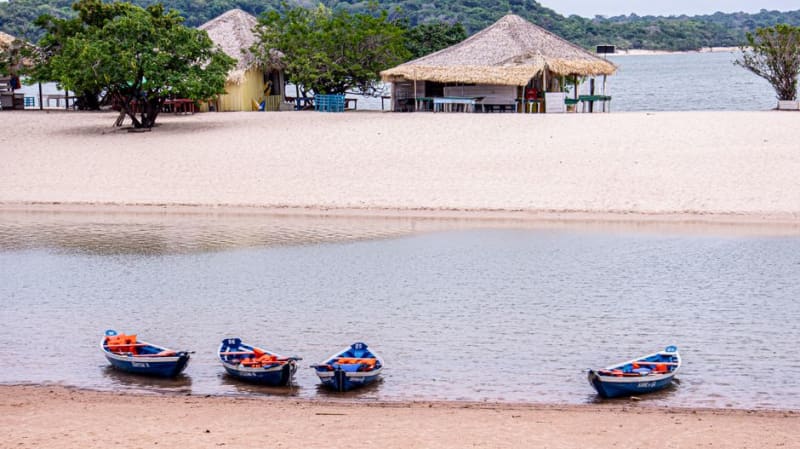 amazon-colombia
Isla Santa Sofia
A river island that vanishes and reappears with the Amazon's floods, home to a Ticuna community that still fishes the old way.
Explore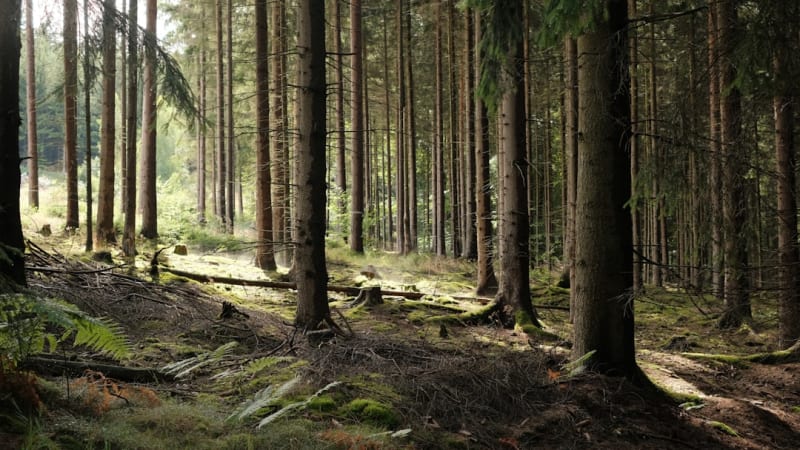 amazon-colombia
Km11 Reserve
A rainforest reserve a short drive from Leticia where the real show starts after dark, headlamps and all.
Explore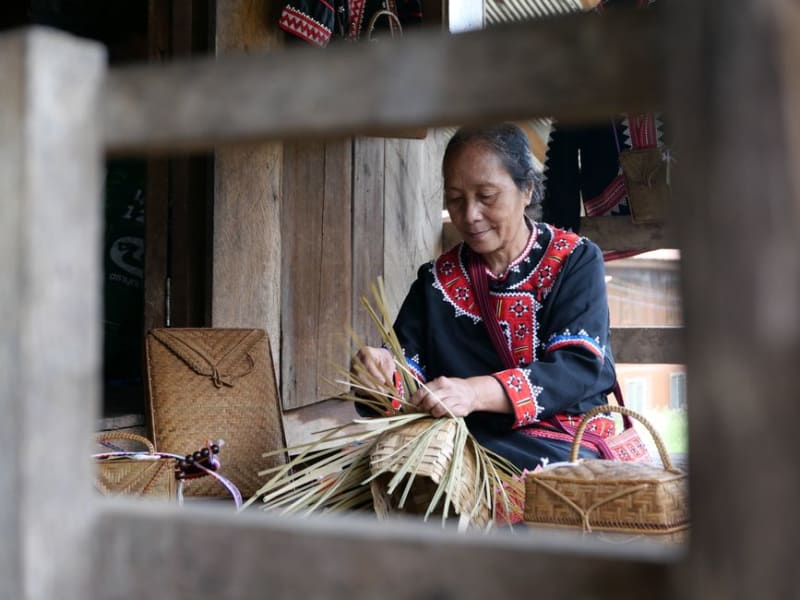 amazon-colombia
La Libertad
An upriver Ticuna settlement where handicraft cooperatives turn seeds, fiber, and balsa wood into some of the region's best souvenirs.
Explore amazon-colombia
La Pedrera
A remote Amazonian outpost on the Caquetá river reachable only by small plane or multi-day boat, where the jungle feels as though it hasn't noticed the century.
Explore amazon-colombia
Lago Tarapoto
An oxbow lake near Puerto Nariño where Victoria amazonica lilies grow to two meters across and pink dolphins surface between the floating leaves.
Explore