Presidente Figueiredo
"The Amazon doesn't market its waterfalls. It just has them."
The road north from Manaus runs through the forest for about a hundred and seven kilometres before it reaches Presidente Figueiredo, and for most of that drive the trees close in tight on both sides like a green wall with no gaps. I rented a motorbike from a shop near the Manaus bus station on a Thursday morning — the kind of decision that feels reasonable until you’re on the BR-174 with trucks passing close enough to feel the wind on your face — and arrived in town around noon, slightly rattled and smelling of jungle.
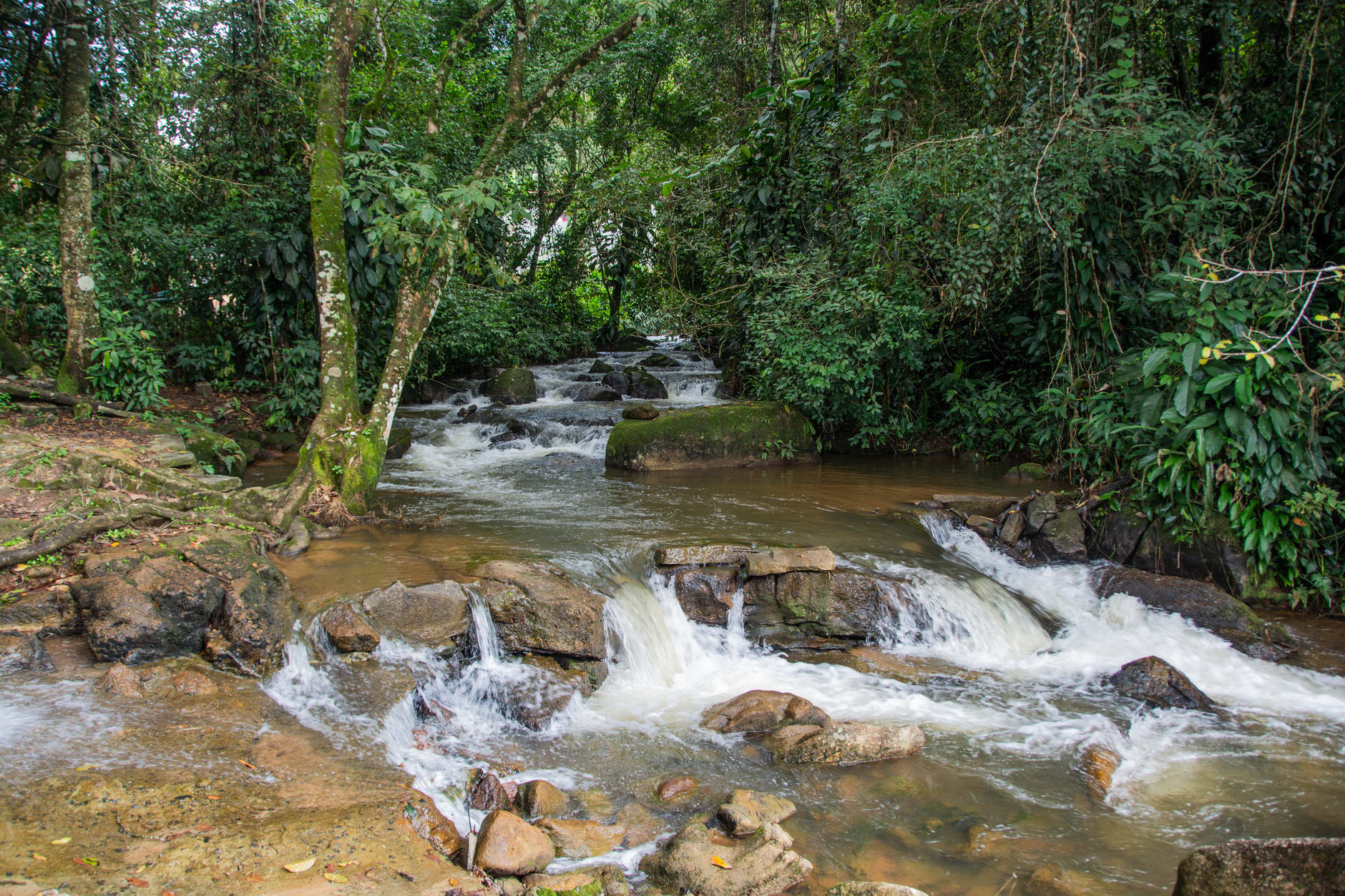
Presidente Figueiredo calls itself the terra das cachoeiras — the land of waterfalls — and for once the local marketing is not an exaggeration. The underlying geology here is different from the flat, low-lying forest further downstream: a series of rocky ridges and outcrops create the conditions for falls that range from narrow threads dropping thirty metres into dark pools to wide curtain cascades you can walk behind. Within a fifteen-kilometre radius of the town there are more than a hundred named falls, plus a network of caves — several with underground rivers running through them — and rock pools with water so clear you can see the bottom at ten metres depth.
The Cachoeira da Iracema is the one most guides mention first, and it earns the attention: a two-tier fall with a pool at the base shaded by forest so dense the light comes through in spokes. On a weekday morning in low season I had it nearly to myself — just a family from Manaus picnicking on the flat rocks and a yellow macaw making noise in the cecropia trees above. The water was cold enough to be genuinely shocking after the heat of the road, which after a hundred kilometres on a motorbike felt like the greatest possible gift.
The town itself is small and unpretentious: a main street, a few pousadas, a bakery where the cheese bread comes out of the oven at six in the morning. The regional specialty is a fish called jaraqui, eaten fried whole with hot farinha and lime — bones and all, which the locals do effortlessly and which I managed with only moderate grace. After the grand ecological narratives of the deeper Amazon, there’s something genuinely refreshing about a place whose entire appeal is simply: here are some very beautiful waterfalls in a forest, go find them.
When to go: Year-round, but the dry season (June to November) means clearer pool water and more accessible forest trails. After heavy rain the falls run stronger and more dramatically, but the paths can become slippery and some of the caves flood. Presidente Figueiredo works as a day trip from Manaus or a two-night stay; anything shorter sells it short.