
Mamirauá Sustainable Development Reserve
"The uakari has a bald red face and stares at you like it knows something. Standing there, you believe it."
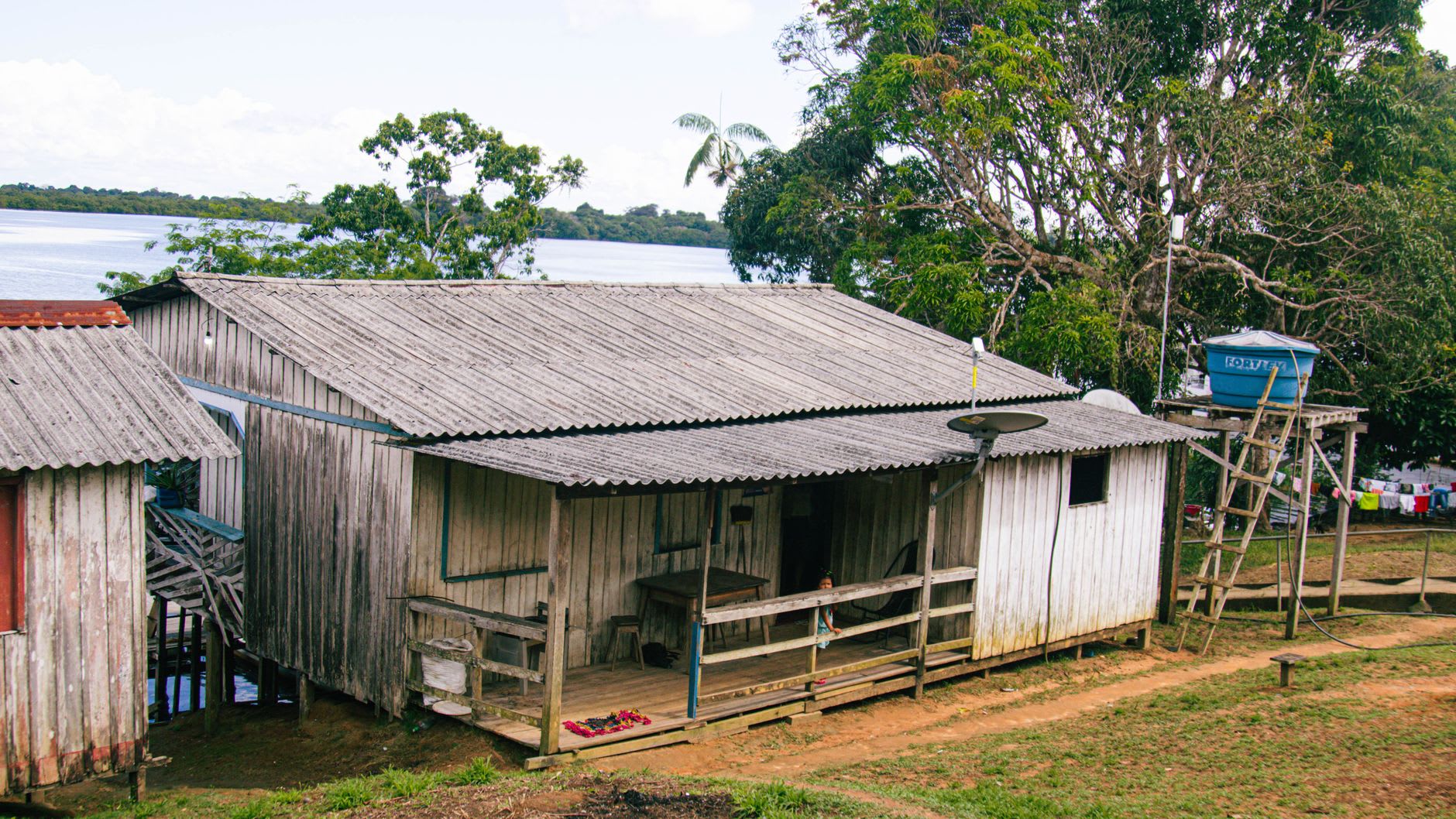
You reach Mamirauá by boat from Tefé — a small, hard-bitten Amazonian city on the Solimões River that exists partly to serve as the departure point for places like this. The reserve begins where the roads end, which in the middle Amazon means it begins almost immediately. We left Tefé at five in the morning, the river flat and metallic under a quarter moon, and pulled up to the Uakari Lodge — a collection of wooden platforms and bungalows built entirely on the water — three hours later as the mist was burning off the flooded trees.
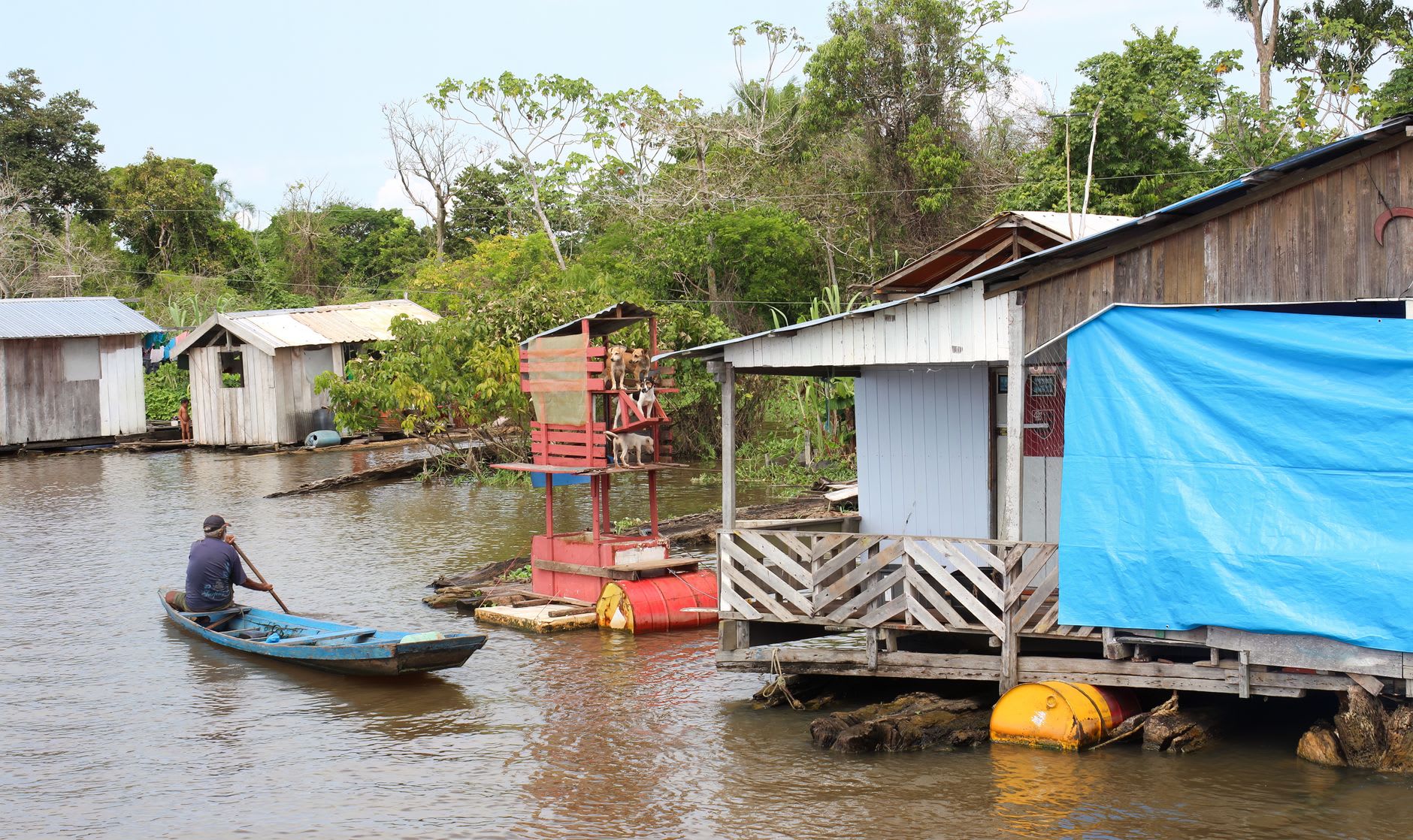
Mamirauá is a várzea reserve — várzea meaning white-water flooded forest, as opposed to the black-water igapó further east. The distinction matters: várzea floods are nutrient-rich and the biodiversity is correspondingly dense. The reserve covers about eleven thousand square kilometres at the confluence of the Solimões and Japurá rivers, and it has been managed in cooperation with local communities since the 1990s — one of the more genuine conservation success stories in a region where the news is rarely good.
The resident scientists and local guides between them know the reserve with the completeness of people who live inside it. I went out twice a day in a narrow aluminium boat: mornings for primates, afternoons and evenings for caiman and dolphin. The white uakari — Cacajao calvus calvus — is one of the reserve’s signature animals, a medium-sized monkey with a bald red face that looks disconcertingly like something between a small old man and a warning sign. We found a group of nine in the canopy of a fig tree on the second morning, pulling fruit and watching us with frankly unsettling intelligence. They exist in a very restricted range in the western Amazon and survive at Mamirauá partly because the reserve exists at all.
At night, the guides run a spotlight along the banks from the boat and caiman eyes reflect back green — dozens of them, sometimes more, the shoreline suddenly full of paired cold lights. Giant river otters bark from somewhere in the darkness. The sounds after midnight are not what I expected: not menacing but busy, purposeful, a machinery of biology running on its own schedule. I lay in my bungalow at two in the morning listening to something large moving through the water directly beneath the floorboards and felt, without anxiety, completely outside of my own world.
When to go: April to August, when the várzea floods are at their peak — the Uakari Lodge is designed for this season and the flooded forest is the whole point. At lower water levels (September to March), the land becomes more accessible but the ecological dynamics shift. The lodge manages visitor numbers carefully; booking several months in advance is necessary.